

Oat vs. dairy milk: Nutrition, benefits, and downsides

Microplastics: A hidden health threat?

Healing after food poisoning

What is tempeh? Benefits, nutrition, and how to use it

Light exposure at night may raise risk for heart disease

Whole grains may improve several heart risk factors at once

A lumbar belt may help ease low back pain

Children of centenarians may stay healthier and live longer too, study finds

Signs of pneumonia: Sometimes vague and unexpected

The surprising link between ovarian cancer and the fallopian tubes
Alzheimer's Disease Archive
Articles

Vocabulary improves with age, research shows
Harvard researchers Joshua Hartshorne and Laura Germine have added to the growing body of research indicating that, in some respects, our cognitive function is improving, not declining, as we age. Their report, published online March 15, 2015, by Psychological Science, indicates that our vocabulary skills keep improving past retirement age.
The researchers wanted to understand how and when reasoning and memory change over the life span as a basis for distinguishing normal from abnormal aging. They recruited 48,000 volunteers of all ages and had them complete online tests that measured brain processing speed, memory, emotional intelligence, and vocabulary.

Listening to your favorite music may relax your arteries
Music has charms to soothe a savage breast, as the 17th-century poet William Congreve wrote. In fact, music might soothe your heart by relaxing your arteries, a small study hints.
Researchers measured arterial stiffness in 20 healthy young adults before and after they listened to 30 minutes of classical music, rock music, or nothing (as a control). They used a technique called carotid-femoral pulse wave velocity (PWV). This measures the time it takes for the pulse to travel to the carotid artery in the neck versus the femoral artery in the leg. Longer pulse times suggest stiffer arteries, which translates to a higher risk of cardiovascular problems. Higher "wave reflections" (another measure of artery health) are also linked to heart disease risk.

Tips to avoid caregiver stress
A number of strategies can help lighten the load of caregiving, such as delegating tasks to family and friends, using support services such as respite care, and taking some time for exercise and socializing. Image: Thinkstock |
Stay well when caring for a loved one by maintaining your physical and emotional health. Caring for yourself means you'll be able to care for another.

Ask the doctor: Do I need a tuberculosis test?
Q. Why is my doctor checking me for tuberculosis? I thought that was eradicated long ago
A. It would be wonderful if tuberculosis (TB) had been eradicated long ago, but unfortunately that's not the case. It is true that the annual number of new cases in the United States has been dropping over the past 20 years; in 2013, there were about 9,500 new cases. However, around the world, particularly in developing nations, TB remains a huge problem. In 2013, there were nine million new cases of TB, and 1.5 million deaths from TB, in the world.

Did youthful fun in the sun put you at risk for an eye condition now?
It's never too late to protect your eyes against sun damage. Look for sunglasses that block 95% to 100% of both UVA and UVB rays. Image: Thinkstock |
Excessive sun exposure can cause damage that shows up many years later.

Adding a diuretic to your blood pressure drug
Diuretics can augment the blood pressure-lowering effects of other drugs, such as ACE inhibitors. Image: Thinkstock |
It may boost the effect of your current medication.

Pay attention to heat wave warnings this summer
If your weather forecaster warns about a heat wave this summer, take it seriously. A study by Harvard researchers found that people with certain conditions were at an increased risk of winding up in the hospital during periods of high heat. Their work was published Dec. 23, 2014, in The Journal of the American Medical Association.
Researchers analyzed hospitalization rates for specific diseases among 23 million Medicare beneficiaries between 1999 and 2010. What sent older adults to the hospital most often during a heat wave? Heatstroke, fluid and electrolyte disorders, kidney failure, urinary tract infections, and sepsis (a dangerous blood infection). For some diseases, the risk of hospitalization was elevated for up to five days after a heat wave day, suggesting that preventing and treating heat-related illnesses is crucial both during and after a heat wave.
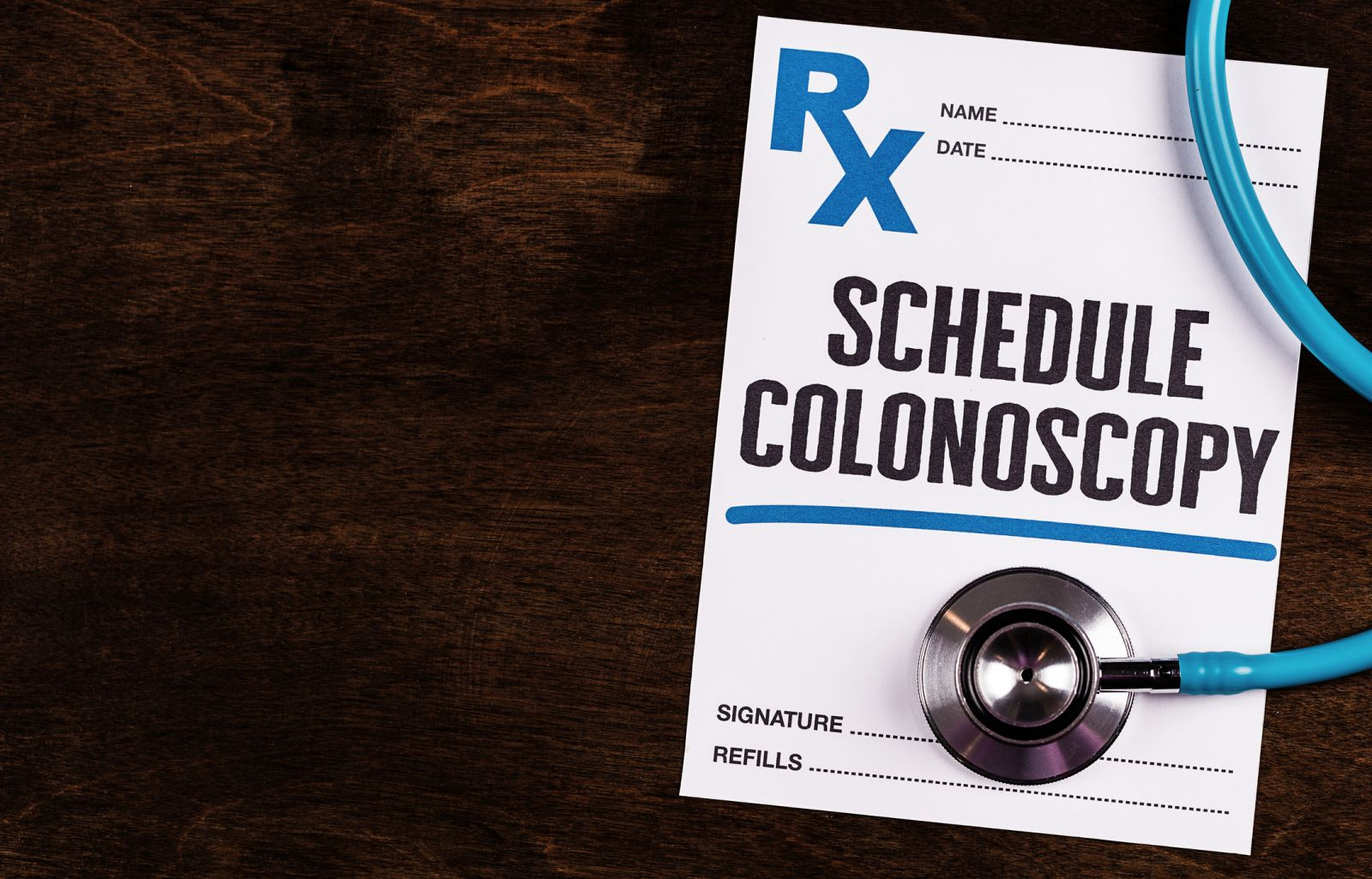
How you can make colonoscopy prep easier
Colonoscopy saves lives, and adequate prep is essential for a successful colonoscopy. New laxative preps are making the process easier to tolerate.

Ask the doctor: I have a cataract but can still see well enough to drive. Should I have surgery?
Q. I'm 82 and a landscape painter. Lately the sight in my right eye seems to be affecting my painting, although I can still see well enough to read small print and drive. I have a cataract in that eye. Should I have cataract surgery?
A. A cataract is a thickening and cloudiness of the lens of the eye that is more common as we age. If your eye doctor has recommended that you have the cataract removed, then yes, you should have the surgery, especially if your vision is impaired. The surgery involves taking your lens out and replacing it with an artificial one. Being able to see more clearly will not only help your painting, but it will also reduce your risk of falling. There is even some evidence that people who have cataracts removed live longer than those who don't, possibly because their improved vision allows them to participate more fully in life.

6 ways to use your mind to control pain
Meditation with guided imagery, which often involves imagining yourself in a restful environment, may reduce your need for pain medication. |
Relaxation, meditation, positive thinking, and other mind-body techniques can help reduce your need for pain medication.
Drugs are very good at getting rid of pain, but they often have unpleasant, and even serious, side effects when used for a long time. If you have backache, fibromyalgia, arthritis, or other chronic pain that interferes with your daily life, you may be looking for a way to relieve discomfort that doesn't involve drugs. Some age-old techniques—including meditation and yoga—as well as newer variations may help reduce your need for pain medication.
Oat vs. dairy milk: Nutrition, benefits, and downsides
Microplastics: A hidden health threat?
Healing after food poisoning
What is tempeh? Benefits, nutrition, and how to use it
Light exposure at night may raise risk for heart disease
Whole grains may improve several heart risk factors at once
A lumbar belt may help ease low back pain
Children of centenarians may stay healthier and live longer too, study finds
Signs of pneumonia: Sometimes vague and unexpected
The surprising link between ovarian cancer and the fallopian tubes
Free Healthbeat Signup
Get the latest in health news delivered to your inbox!
Sign Up
