

Oat vs. dairy milk: Nutrition, benefits, and downsides

Microplastics: A hidden health threat?

Healing after food poisoning

What is tempeh? Benefits, nutrition, and how to use it

Light exposure at night may raise risk for heart disease

Whole grains may improve several heart risk factors at once

A lumbar belt may help ease low back pain

Children of centenarians may stay healthier and live longer too, study finds

Signs of pneumonia: Sometimes vague and unexpected

The surprising link between ovarian cancer and the fallopian tubes
Alzheimer's Disease Archive
Articles

Harvard researchers headline conference on gene editing
Harvard scientists are getting international attention for their work with breakthrough technology that can edit genes in living cells. Five Harvard experts—Dr. George Church of Harvard Medical School, and Drs. Keith Joung, David Liu, Kiran Musunuru, and Derrick Rossi, all of Harvard University—were featured speakers in the first-ever CRISPR Congress, held in Boston in February 2015. CRISPR stands for clustered regularly interspaced short palindromic repeats. These are segments of genes that contain repeating sequences of DNA.
The Harvard experts spoke to other scientists about CRISPR, which holds the potential to repair gene mutations, fight disease, and improve food supplies. Harvard researchers have demonstrated that CRISPR may be able to lower cholesterol levels, correct gene mutations, and block HIV infection. "Suddenly anyone can edit any piece of any DNA a thousand times more easily and precisely than before, which is game-changing for gene therapies, organ transplantation, aging reversal, and malaria," says Dr. Church.

Battling breathlessness
Advanced cardiopulmonary testing can often help diagnose less common causes of breathlessness. Image: Thinkstock |
Hidden causes of shortness of breath can make the problem tricky to treat.
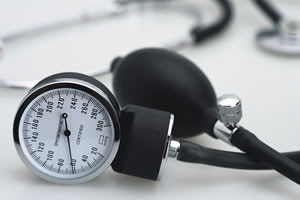
Trouble falling asleep linked to high blood pressure
High blood pressure is one of the many health risks associated with not getting enough sleep, which is often caused by insomnia, or difficulty falling or staying asleep. Although often considered a nighttime problem, some people with insomnia may be in a state of "hyperarousal" that also makes it hard for them to nod off during the day. Now, new research suggests that people with chronic insomnia who also have trouble napping face a higher risk of high blood pressure.
The study, in the March 2015 issue of Hypertension, included more than 200 people with chronic insomnia (defined as insomnia that lasts more than six months) and almost 100 normal sleepers. All underwent daytime nap tests, which measures how quickly a person falls asleep in a quiet environment during the day. People with chronic insomnia who took longer than 14 minutes to fall asleep during the nap studies had three times the risk of high blood pressure compared with normal sleepers, the researchers found. Treatments such as medications and biofeedback to help dampen hyperarousal may be best for people with this type of insomnia, they suggest, although more research is needed.

Ask the doctor: Two pneumonia shots are better than one
Q. I'm 68, and I had the pneumonia vaccine a few years ago. Now I hear that I need to have two different ones. Do I really need to do this?
A. For many years, men who turned 65 were told that they needed a single pneumonia shot, called Pneumovax. Now the CDC suggests that older adults get an additional vaccination with a different vaccine, called Prevnar. The combination stimulates the immune system more effectively than either alone.
The two vaccines build immunity against different types of the bacterium, known as pneumococcus, that causes pneumonia. Pneumovax (PPSV23) protects against 23 common types of pneumococcus. Prevnar (PCV13) protects against 13 types.
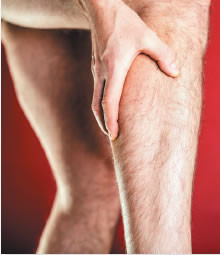
When sleeplessness starts in the legs
Uncomfortable nighttime leg sensations can spoil your sleep, but you can take steps to relieve it.
Is restless legs syndrome (RLS) the cause of your restless sleep? This exasperating condition triggers abnormal sensations in the legs and an irresistible urge to move them. It can wreak havoc with sleep, leading to daytime fatigue.
Distracting music may trip up older memories
Distracting background music could make certain memory tasks more challenging for aging brains, suggests a study in The Gerontologist. The study involved one group of participants ages 18 to 30 and another ages 60 to 75. They studied images of faces paired with names on a computer screen, either in silence or while listening to instrumental music. Later they had to recall the name-face pairs while listening to music.
The music had no effect on test scores in the younger people. In contrast, the older people remembered 10% fewer names learned when listening to background music, compared with studying in silence.
Lower stress, lower your blood pressure
You can't see your blood pressure or feel it, so you may wonder why this simple reading is so important. The answer is that when blood pressure is high, your heart is working overtime to pump blood through your body. This extra work can result in a weaker heart muscle and potential organ damage down the road. Your arteries also suffer when your blood pressure is high. The relentless pounding of the blood against the arterial walls causes them to become hard and narrow, potentially setting you up for stroke, kidney failure, and cardiovascular disease.
A healthy lifestyle — not smoking, losing excess weight, eating nutritious foods, and exercising regularly — is the cornerstone for preventing and treating hypertension.

Retirement stress: Taking it too easy can be bad for you, too
Men need to be challenged to be healthy in mind and body.
It might seem like retirement is a time to take it easy and devote yourself to gardening, golfing, and napping. But don't take it too easy, say Harvard experts. An absence of challenges can have the same effect as too much stress, compromising your physical and mental health. For optimal well-being, you need to stay engaged—with your own interests as well as with other people.

Review finds no sign of memory loss from statins
The best-quality evidence available does not prove that taking a statin can cause memory loss or other changes in mental functioning, according to a review in the Journal of General Internal Medicine. Since 2012, the FDA has required that statin manufacturers include a warning on drug packaging that statins could impair mental functioning, but this has been controversial. Researchers took a look at the published evidence for possible mental side effects of statins.
The new review covered randomized clinical trials involving nearly 47,000 people. Such trials are the gold standard in medical research. These included 23 trials in which researchers explicitly measured mental functioning, as well as trials that kept track of mental changes reported by participants.

Blood sugar on the brain
In people with heart disease, Image: Thinkstock |
High blood sugar may add to mental decline in people with cardiovascular disease.
Oat vs. dairy milk: Nutrition, benefits, and downsides
Microplastics: A hidden health threat?
Healing after food poisoning
What is tempeh? Benefits, nutrition, and how to use it
Light exposure at night may raise risk for heart disease
Whole grains may improve several heart risk factors at once
A lumbar belt may help ease low back pain
Children of centenarians may stay healthier and live longer too, study finds
Signs of pneumonia: Sometimes vague and unexpected
The surprising link between ovarian cancer and the fallopian tubes
Free Healthbeat Signup
Get the latest in health news delivered to your inbox!
Sign Up
