

Oat vs. dairy milk: Nutrition, benefits, and downsides

Microplastics: A hidden health threat?

Healing after food poisoning

What is tempeh? Benefits, nutrition, and how to use it

Light exposure at night may raise risk for heart disease

Whole grains may improve several heart risk factors at once

A lumbar belt may help ease low back pain

Children of centenarians may stay healthier and live longer too, study finds

Signs of pneumonia: Sometimes vague and unexpected

The surprising link between ovarian cancer and the fallopian tubes
Alzheimer's Disease Archive
Articles

Sleep breathing problems may hasten decline in thinking skills
As we reported in March, sleep apnea and other sleep breathing problems are associated with the development of dementia. Now a study published online April 15, 2015, by Neurology finds that sleep breathing problems are associated with an earlier onset of the decline in thinking skills.
Researchers analyzed the medical histories of about 2,500 people ages 55 to 90 and found that people with sleep breathing problems were diagnosed with mild cognitive impairment (a decline in thinking skills) an average of 10 years earlier than people who didn't have those problems. The encouraging news: people who treated their sleep breathing problems with a continuous positive airway pressure (CPAP) machine were diagnosed with mild cognitive impairment about 10 years later than people whose problems were not treated. The study doesn't prove a cause-and-effect relationship, but it does offer hope. "CPAP improves the quality of sleep in people with sleep-disordered breathing. Healthy sleep is an important time for our brains to accomplish critical 'housekeeping' tasks. One of these tasks is clearing beta-amyloid, one of the main proteins associated with Alzheimer's disease," says Dr. Scott McGinnis, an instructor in neurology at Harvard Medical School.

Ask the doctor: I've already had shingles. Should I still get the shingles vaccine?
I had shingles in 2005 and haven?t had a shingles shot. I haven?t been able to find any studies that indicate whether a shot is feasible for people who have already had shingles. What do you recommend?
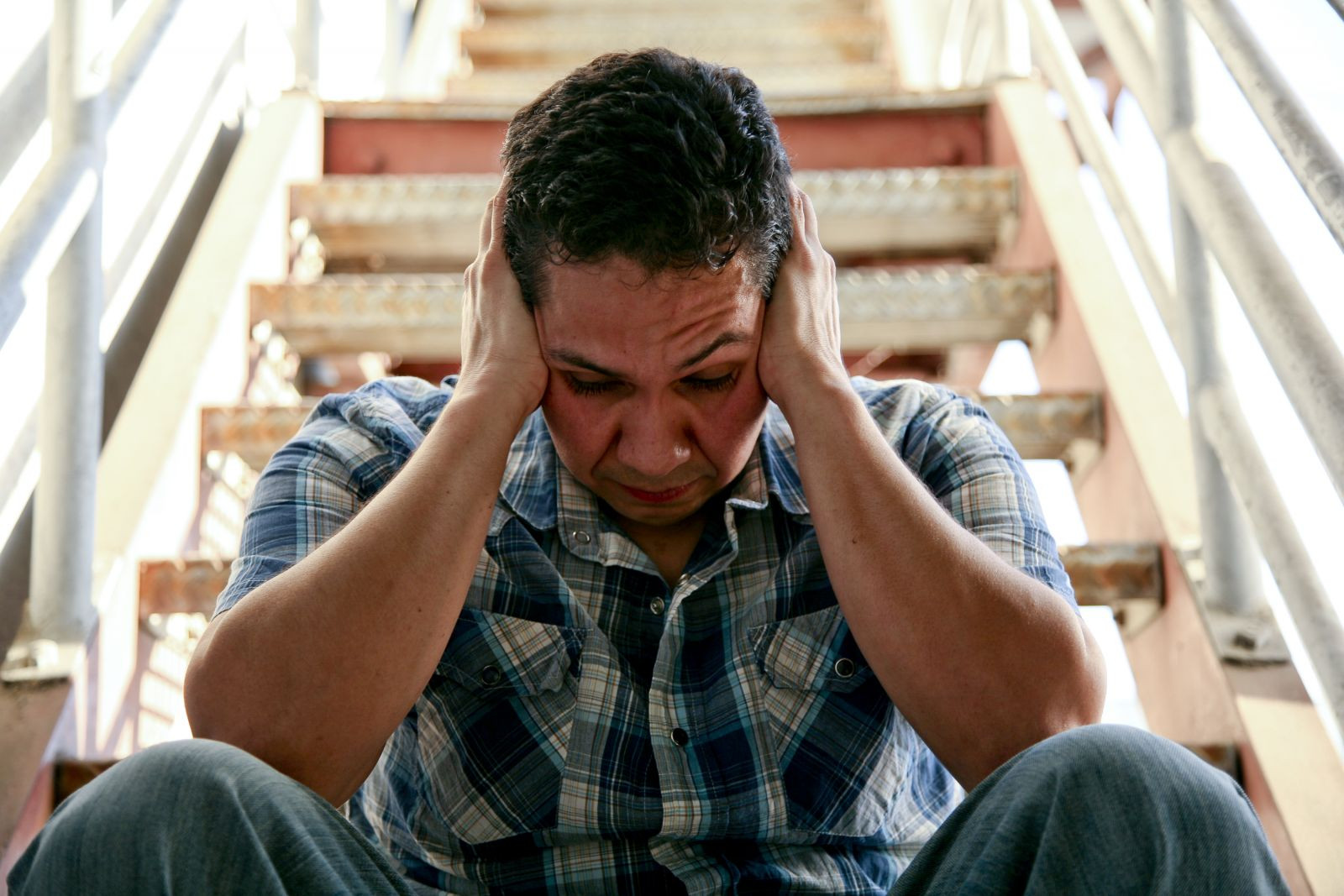
Pay attention to signs of depression
Over time, most people with dementia or mild cognitive impairment (a decline in thinking skills) also experience behavioral changes, such as depression and agitation. Which comes first? A study published online by Neurology on Jan. 14, 2015, suggests that psychological and behavioral changes can begin before people develop mild cognitive impairment or dementia. Researchers evaluated the daily functioning, memory and thinking skills, and psychological and behavioral symptoms of about 2,400 people, ages 50 and older, who had no evidence of cognitive decline. The study also suggests that a pattern of depressive symptoms may occur in older adults, unrelated to cognitive decline. The takeaway? "Depressive symptoms can occur in older adults for many reasons. If you are experiencing mood or cognitive changes that last for more than a few weeks, it's a good idea to bring this up with your doctor or consult a mental health specialist to help sort out possible causes," says Dr. Nancy Donovan, an instructor in psychiatry at Harvard Medical School.
Two ways to stay mentally sharp
Regular physical activity helps keep your heart, lungs, and muscles in shape and can stave off the effects of aging. In much the same way, exercising your brain can help keep your mind sharp and your memory intact. Here are two ways to activate your brain.
Keep busy and engaged
The MacArthur Foundation Study on Successful Aging, a long-term study of aging in America, found that education level was the strongest predictor of mental capacity as people aged. The more education, the more likely an individual was to maintain his or her memory and thinking skills. Other research has shown that people who held jobs that involved complex work, such as speaking to, instructing, or negotiating with others, had a lower risk of memory loss (dementia) than people whose jobs were less intellectually demanding.

Memory slips? Consider these seven common causes of forgetfulness
Ask these questions to get to the root of the problem.
Do you think you've been having more memory slips than usual lately? Annoying but essentially harmless age-related memory impairment is common, but pinpointing the cause isn't easy. Start by considering common and often reversible causes of memory problems. This could lead to a more productive discussion with your physician.
"Anyone concerned about memory should talk with a doctor for further evaluation," says Dr. David Hsu, a geriatric psychiatrist with the Center for Alzheimer Research and Treatment at Harvard-affiliated Brigham and Women's Hospital. "Having an honest discussion about memory and getting tested may help open up discussions about other areas of health too."
Adding folate to blood pressure medication reduces stroke
People with high blood pressure could benefit from a B vitamin known as folate if they are not getting enough from their diets, according to a study in The Journal of the American Medical Association (JAMA).
The study included more than 20,000 adults in China with high blood pressure who had never had a stroke or heart attack. Participants who took folate supplements along with a blood pressure medication had fewer strokes over the four-and-one-half-year trial than those who only took the medication.
Most liver risk comes from over-the-counter drugs and supplements
Many different medications can potentially harm the liver, so doctors sometimes do liver function tests to ensure safety. The worst-case scenario is liver failure, but when this happens, the cause is usually not prescription medications, but rather the over-the-counter painkiller acetaminophen (Tylenol) or herbal supplements, according to a study in Gastroenterology.
Researchers scrutinized 5.4 million records of patients in the Kaiser Permanente Northern California system from 2004 to 2010. They identified only 62 cases of liver failure, 32 of which were linked to medications. This may not precisely reflect national rates, but it does suggest that liver failure from medications is relatively uncommon.

Should you worry if you have a fainting spell?
Drinking lots of liquids helps prevent fainting and is especially important in warm weather. Image: Thinkstock |
A fainting spell can be inconsequential, or it can signal a serious health issue. It's important to learn why you faint.

What you should know about anesthesia
Many procedures require anesthesia, and which of the four types you have can affect your recovery.
If you've ever had a tooth filled without Novocaine, you know the difference anesthesia can make. Anesthesia—whether it numbs your mouth or puts you into a full sleep—is designed to keep you comfortable during a procedure that otherwise might be hard to tolerate physically, emotionally, or both. "We have four goals: to see that you have no pain, that you're drowsy or unconscious, that your body is still so that the surgeon can work on it, and that you aren't left with bad memories of the procedure," says Dr. Kristin Schreiber, an anesthesiologist at Harvard-affiliated Brigham and Women's Hospital.
There are four basic kinds of anesthesia—local, which is typically administered to numb a small area; regional, which numbs a larger area, like your hand, arm, or foot; neuraxial (spinal or epidural), which is injected near the spine and numbs the lower half of your body; and general, which works in the brain to render you completely unconscious and unable to sense pain. The type used depends upon the procedure you're having, your state of health, and, often, your preferences.
New drug shows promise for early Alzheimer's disease
Researchers from the biotechnology company Biogen have reported that a new drug reduced the amount of amyloid plaques—the brain deposits associated with dementia—and slowed cognitive decline in people with early Alzheimer's disease. They presented the report March 20, 2015, at the International Conference on Alzheimer's and Parkinson's Diseases in Nice, France.
The researchers studied 166 people ages 50 to 90 who had been diagnosed with mild Alzheimer's. The participants were randomly assigned to receive either a placebo or one of four different doses of the drug aducanumab—an antibody that attaches to amyloid deposits and turns the immune system on them.
Oat vs. dairy milk: Nutrition, benefits, and downsides
Microplastics: A hidden health threat?
Healing after food poisoning
What is tempeh? Benefits, nutrition, and how to use it
Light exposure at night may raise risk for heart disease
Whole grains may improve several heart risk factors at once
A lumbar belt may help ease low back pain
Children of centenarians may stay healthier and live longer too, study finds
Signs of pneumonia: Sometimes vague and unexpected
The surprising link between ovarian cancer and the fallopian tubes
Free Healthbeat Signup
Get the latest in health news delivered to your inbox!
Sign Up
