

CoQ10: Should you take this popular supplement if you're on a statin?

Microplastics: A hidden health threat?

Oat vs. dairy milk: Nutrition, benefits, and downsides

What is tempeh? Benefits, nutrition, and how to use it

Healing after food poisoning

Children of centenarians may stay healthier and live longer too, study finds

Light exposure at night may raise risk for heart disease

Whole grains may improve several heart risk factors at once

A lumbar belt may help ease low back pain

Signs of pneumonia: Sometimes vague and unexpected
Addiction Archive
Articles
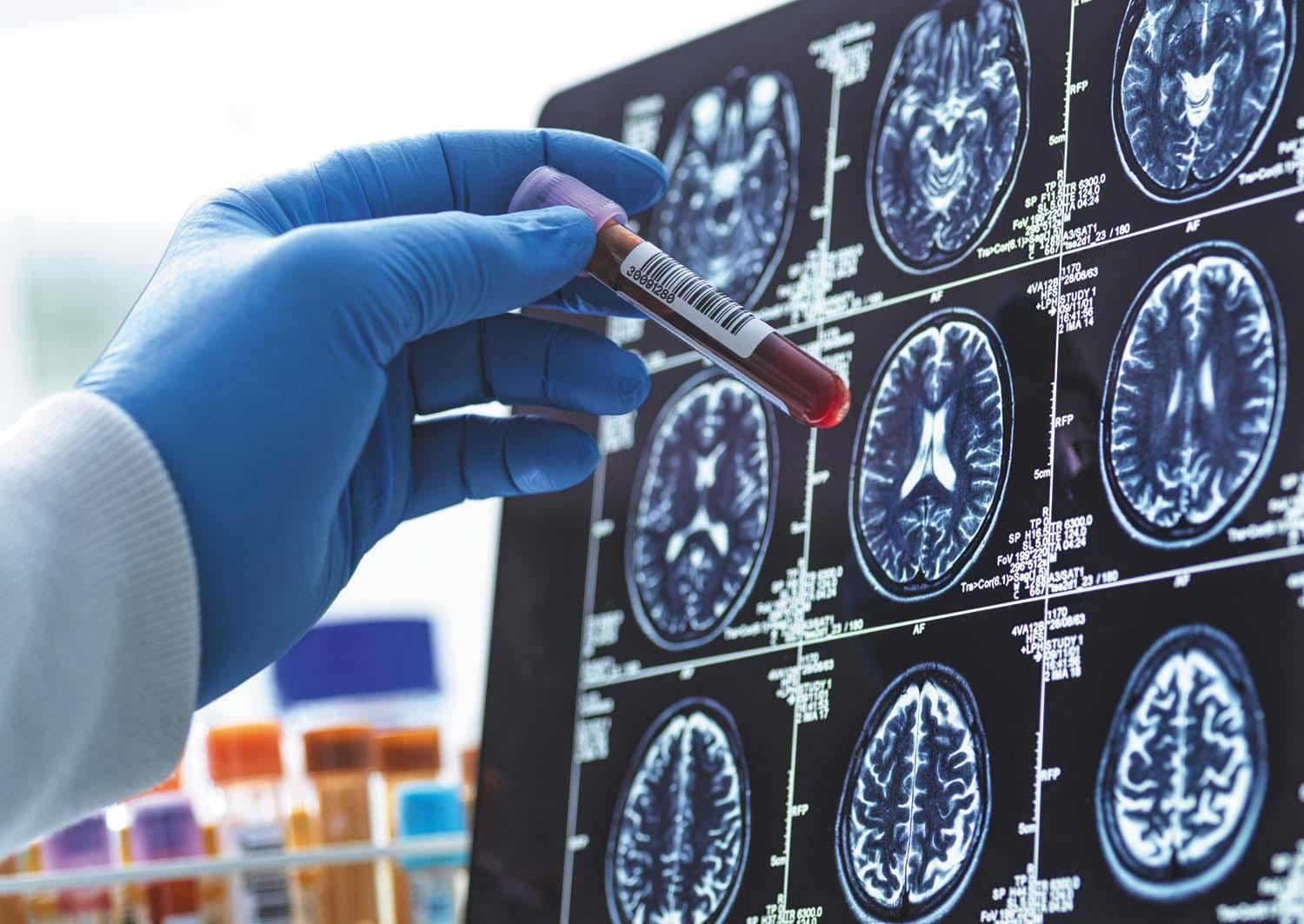
The new Alzheimer's blood test: What it means for diagnosis
In May 2025, the FDA approved the first blood test to detect the early stages of Alzheimer's disease. The test looks for several proteins associated with Alzheimer's disease. About 80% of the time, the blood test is either highly positive or highly negative, a result that's accurate more than 90% of the time. Doctors expect that the test will soon be covered by insurance. If that happens, the test will become the standard of care for people ages 55 and older with Alzheimer's signs or symptoms.

Hidden hurdles to mental health care
A quarter of American adults live with a mental health disorder such as anxiety, depression, obsessive-compulsive disorder, or post-traumatic stress disorder. But more than half don't seek help. Internal and external barriers may stop them from getting the care they need. Internal barriers are emotions or excuses people make to avoid treatment. External barriers include cost or difficulty finding a provider who can meet someone's individual needs. To push past obstacles, people can investigate less-expensive mental health programs or reframe guilt-inducing thoughts.
Stroke odds lower for women with higher brain health scores
A 2025 study suggests that women who score highly on a brain health measurement incorporating physical, lifestyle, social, and emotional factors face lower stroke odds.
Too much sleep may harm cognitive performance
A 2025 study suggests that sleeping nine or more hours nightly is associated with worse cognitive performance, an effect that's stronger among people with symptoms of depression.
Will we ever have a vaccine to prevent Alzheimer's disease?
There are currently nine trials of vaccines for Alzheimer's disease under way. All of them are in people with mild Alzheimer's or with the pre-Alzheimer's condition called mild cognitive impairment. All of the vaccines are designed to encourage the immune system to remove protein deposits from the brain. Most experimental vaccines are given by injection; one being tested at Harvard Medical School uses a nasal spray. It will be several years before we know if any of them will work.

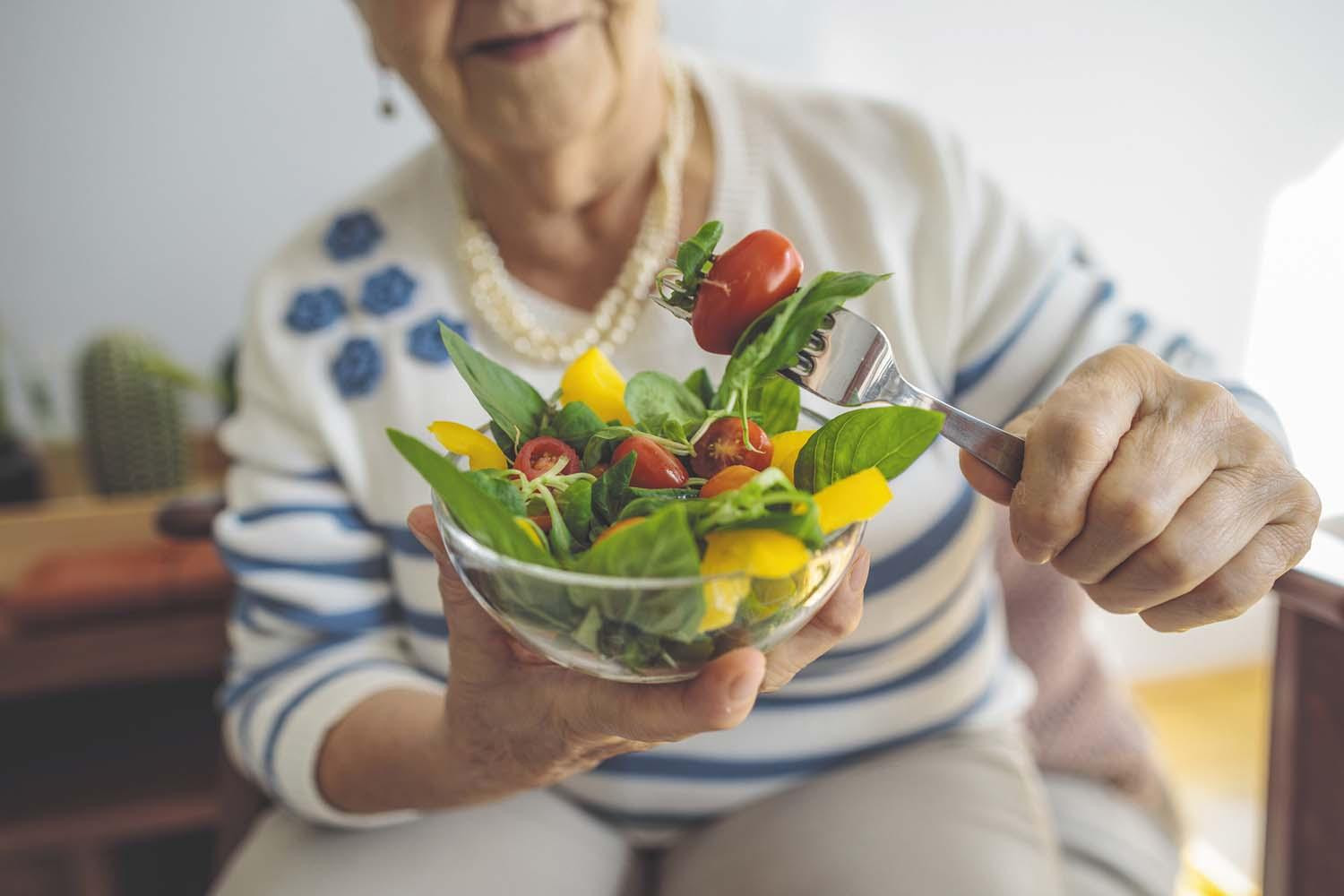
Eat a healthy diet and banish a big belly to protect your mind
In a 2025 study, people with the healthiest diets and trimmest bellies at midlife had better brain connections and skills decades later, compared with people who ate the worst diets and had the most belly fat.
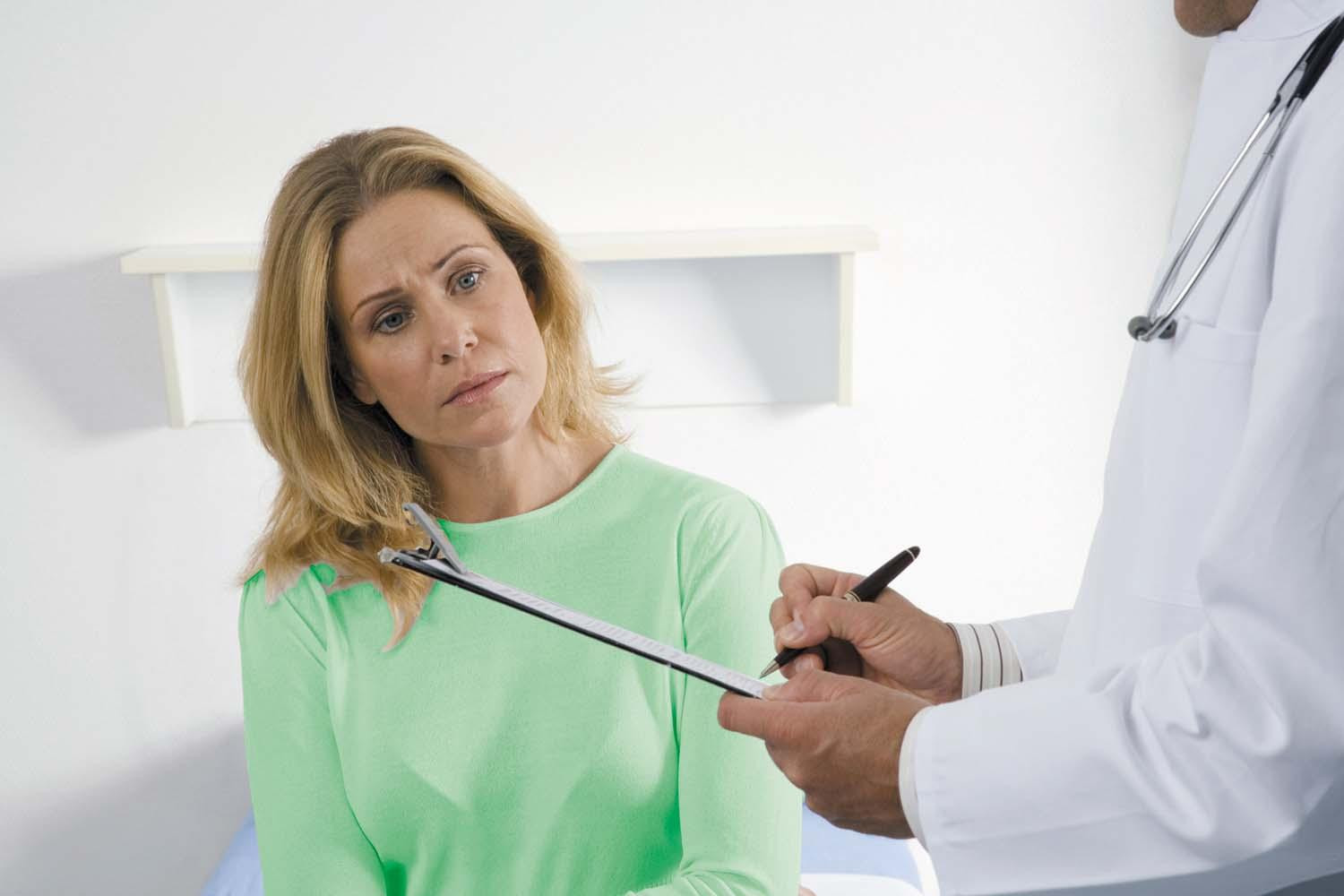
Second-guessing symptoms
While many health symptoms resolve quickly on their own, others linger and make people wonder if they need to see a doctor. Symptoms that warrant a doctor's visit include drawn-out cold symptoms such as fatigue, cough, and low-grade fever; a fever lasting more than four days; unexpected symptoms when starting a new medication or after surgery; certain digestive problems; and new or worsening mental health issues.
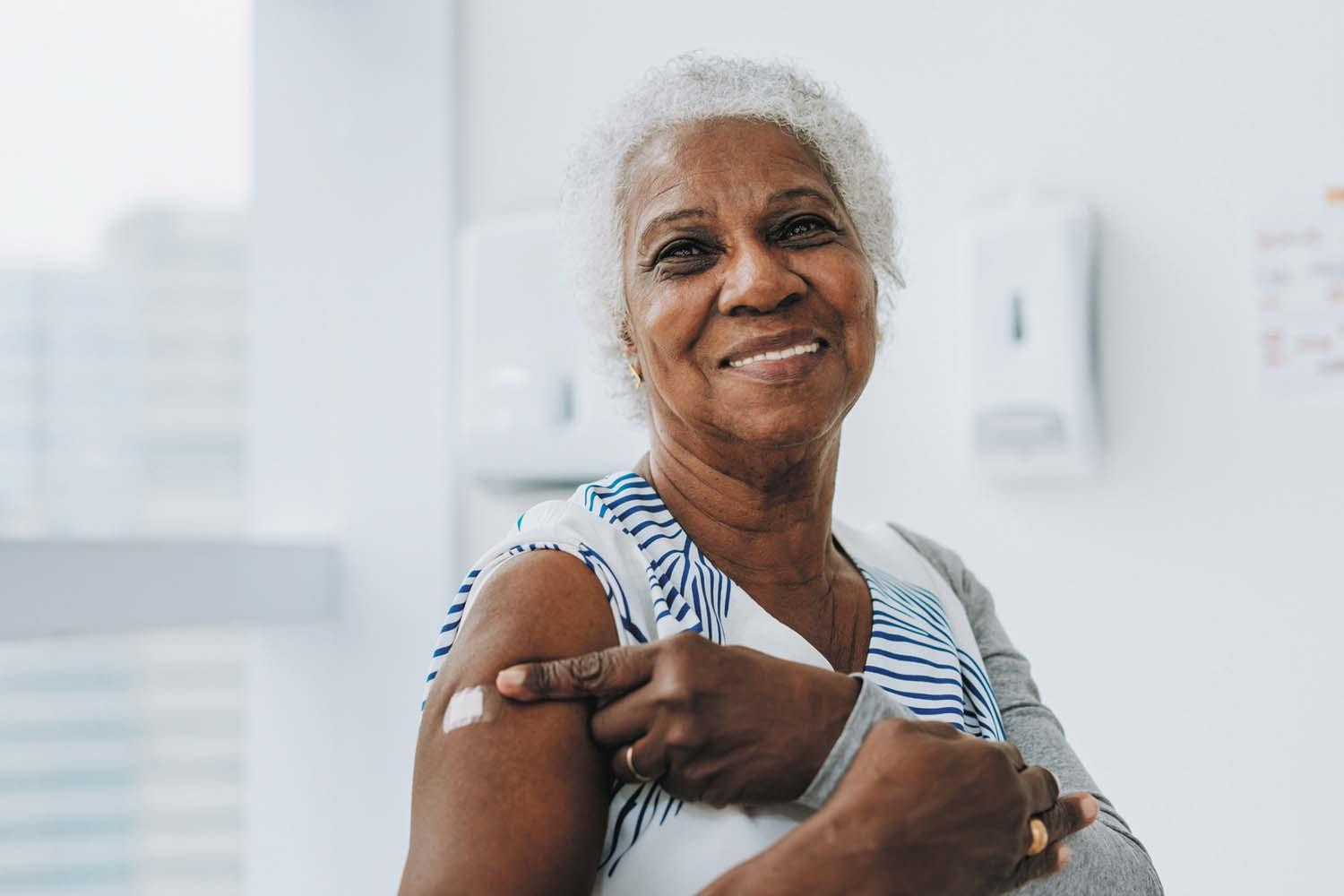
Shingles vaccine may protect against dementia
A 2025 study suggested that getting the shingles vaccine can significantly reduce the likelihood of developing dementia, especially among women.

Can A.I. help us find a dementia cure?
Doctors are optimistic that artificial intelligence (A.I.) will one day play a role in curing and preventing Alzheimer's disease. One example of A.I.'s application is its use in helping scientists learn how certain molecules might cause Alzheimer's.
CoQ10: Should you take this popular supplement if you're on a statin?
Microplastics: A hidden health threat?
Oat vs. dairy milk: Nutrition, benefits, and downsides
What is tempeh? Benefits, nutrition, and how to use it
Healing after food poisoning
Children of centenarians may stay healthier and live longer too, study finds
Light exposure at night may raise risk for heart disease
Whole grains may improve several heart risk factors at once
A lumbar belt may help ease low back pain
Signs of pneumonia: Sometimes vague and unexpected
Free Healthbeat Signup
Get the latest in health news delivered to your inbox!
Sign Up
