

Light exposure at night may raise risk for heart disease

Whole grains may improve several heart risk factors at once

A lumbar belt may help ease low back pain

Children of centenarians may stay healthier and live longer too, study finds

Signs of pneumonia: Sometimes vague and unexpected

The surprising link between ovarian cancer and the fallopian tubes

Using a vibration plate: What it can — and can't — do for your body

People who walk more or walk faster live longer, study finds

For sleep apnea, a dental device may be as effective as CPAP

Rosacea treatments: What works?
Addiction Archive
Articles

The worst habits for your brain
Many habits can contribute to poor brain health, but four areas can have the most influence. They are the four S's: sitting, socializing, sleep, and stress. Research has found that poor habits in these areas can affect cognitive skills like memory, learning, and problem solving, and are linked to a higher risk of cognitive decline and Alzheimer's disease. Adopting simple lifestyle changes may help.

Pool therapy beats physical therapy for chronic low back pain
A small, randomized trial published online Jan. 3, 2022, by JAMA Network Open suggests that aquatic or pool therapy is more effective at reducing chronic low back pain than physical therapy.
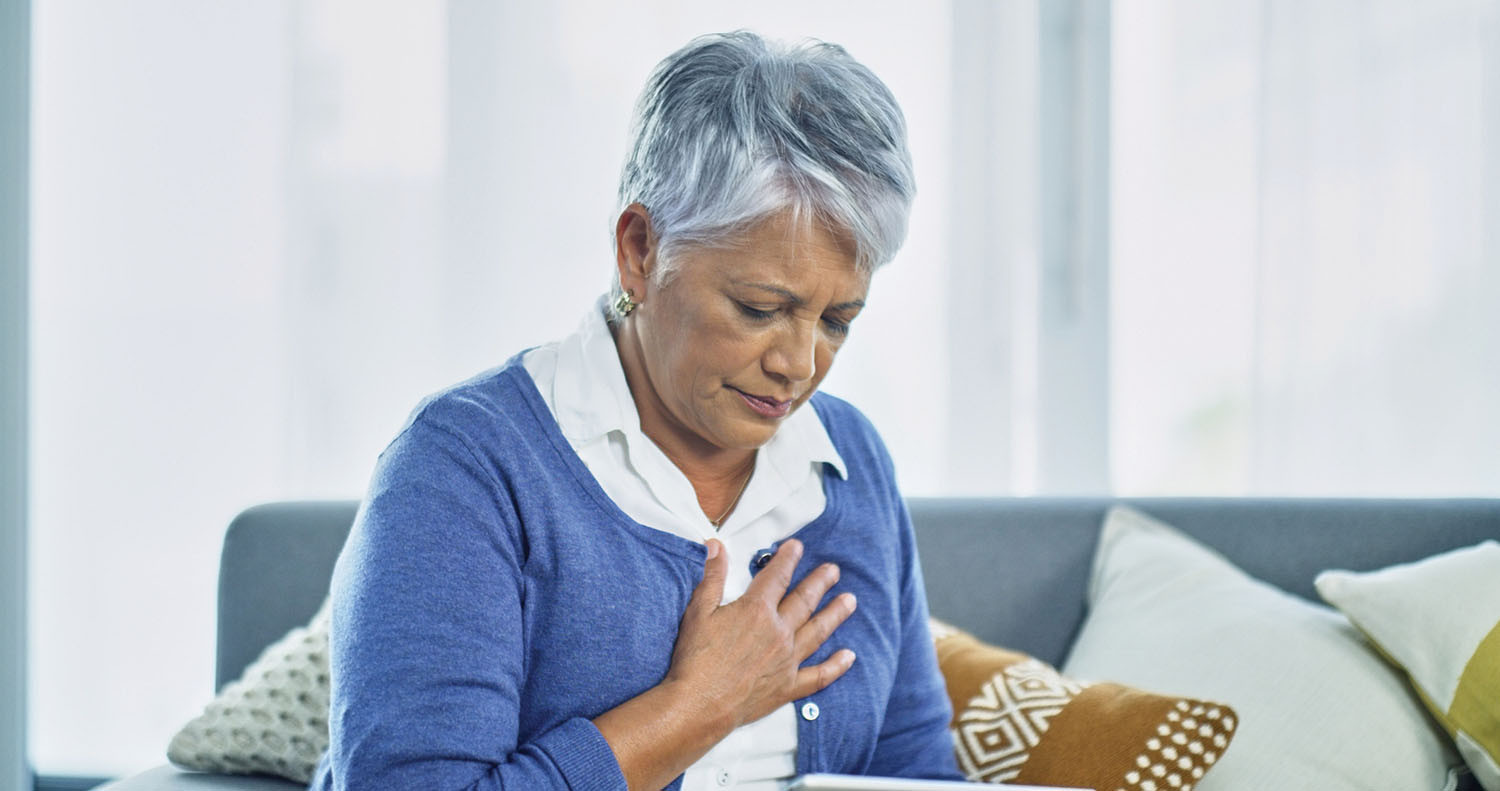
Heart attack versus cardiac arrest
Heart attacks occur when a blocked coronary artery prevents blood flow to part of the heart. Cardiac arrest is caused by an electrical misfire that causes the heart to abruptly stop beating.

Screening at home for memory loss: Should you try it?
The time pressures of primary care doctors make it unlikely that they will be able to give their patients tests of cognitive function. So how will the growing numbers of people at risk for Alzheimer's or another type of dementia be identified? A self-administered test is now available.


Sex, drugs, and depression: What your doctor needs to know
For many people, a visit to the doctor causes anxiety, and discussing sensitive subjects like sexual problems, substance use, or mental health issues is even more likely to induce discomfort. But these discussions can be less anxiety-inducing and more productive if people know what to expect.

Brain fog: Memory and attention after COVID-19
Brain fog, meaning slow or sluggish thinking, can occur under many different circumstances. In many cases, it is temporary and gets better on its own. Many people who have recovered from COVID-19 report some degree of brain fog and a study suggests even those with milder cases may experience problems with memory and attention.

Intimate partner violence and traumatic brain injury: An invisible public health epidemic
While post-concussive symptoms are common in women who have experienced intimate partner violence, many women hide their symptoms and little research has been done, meaning the long-term health risks of millions of women are unknown.

The care that transgender youth need and deserve
Some people feel very strongly that their gender is not the one they were assigned at birth. When families, health care providers, and others ignore or deny this, or try to stop the person from living as the gender they feel is right for them, it's not only unkind but dangerous.

Warming up to the cold: Staying active in any weather
It's difficult to get motivated to be active outside during cold-weather months, but it's important to your health and can help you meet any fitness goals you're trying to reach. There are ways to get outside and moving in cold temperatures.
Light exposure at night may raise risk for heart disease
Whole grains may improve several heart risk factors at once
A lumbar belt may help ease low back pain
Children of centenarians may stay healthier and live longer too, study finds
Signs of pneumonia: Sometimes vague and unexpected
The surprising link between ovarian cancer and the fallopian tubes
Using a vibration plate: What it can — and can't — do for your body
People who walk more or walk faster live longer, study finds
For sleep apnea, a dental device may be as effective as CPAP
Rosacea treatments: What works?
Free Healthbeat Signup
Get the latest in health news delivered to your inbox!
Sign Up
