

Healing after food poisoning

What is tempeh? Benefits, nutrition, and how to use it

Light exposure at night may raise risk for heart disease

Whole grains may improve several heart risk factors at once

A lumbar belt may help ease low back pain

Children of centenarians may stay healthier and live longer too, study finds

Signs of pneumonia: Sometimes vague and unexpected

The surprising link between ovarian cancer and the fallopian tubes

Using a vibration plate: What it can — and can't — do for your body

People who walk more or walk faster live longer, study finds
Addiction Archive
Articles

10 ways to find purpose in life
Having a sense of purpose is linked to important health benefits, such as longevity and sharp thinking skills. There are many ways to cultivate a sense of purpose. Ideas include thinking about one's strengths or skills and how to apply them; becoming a mentor; volunteering time to a worthy cause; reading Viktor Frankl's book Man's Search for Meaning; writing about lived experiences and sharing the information with family or friends; and thinking of longtime dreams and ways to achieve elements of them.

"Unsticking" sticky thoughts
It's hard to get rid of sticky thoughts, which play repeatedly in the mind and cause distress. Strategies that can help include going for a walk, staying busy by scheduling activities, limiting worry time to one specific period of each day, and talking to family and friends. If sticky thoughts don't go away after a few weeks, it might be time to talk to a primary care doctor or a therapist. Treatment might involve cognitive behavioral therapy, which helps someone recognize sticky thoughts and redirect them in ways that are less negative and more manageable.

Get back your social life to boost thinking, memory, and health
Staying socially active is associated with cognitive benefits and may play a role in longevity, stress reduction, and controlling mood. If a person has been out of touch with friends for a long time, one way to restart contact is to send a brief message asking how they're doing or recalling a shared activity. If the person reciprocates, the next step might be to suggest a meeting, ask to get together, or schedule a catch-up phone call or video chat.

Talking to children about tragedies and scary headlines in the news
When news of the world is overwhelming and awful, our first instinct is usually to shelter our children and not say anything about it to them at all, a strategy that's usually not viable. Instead parents can give children the perspective and skills they need to navigate a sometimes scary world.

Pain conditions are more common in women
Women are disproportionately affected by conditions that cause chronic pain, but they sometimes have difficulty getting a definitive diagnosis as to what is causing their pain and may be less likely to receive appropriate treatments even when they do.

Is online gambling harming you?
Online gambling is a popular and growing business, but for millions of Americans, what begins as occasional fun can lead to devastating problems. Trouble with gambling often builds gradually and severe gambling problems share risk factors with substance-related disorders.

For mellow movement that helps your heart, try tai chi
Tai chi is a gentle, adaptable practice that features flowing movements combined with breathing and cognitive focus. It may be especially helpful for people who are recovering from a heart attack or other medical problems or who have heart failure. Tai chi also can be a gateway to other types of physical activity because the practice may improve balance, reduce the risk of falls, and even help ease lower back pain—a common reason for avoiding exercise.

Testosterone therapy may be safe for men at risk for heart attack and stroke
A 2023 study suggests taking testosterone replacement therapy does not raise the risk for heart attacks or stroke among men with cardiovascular disease or a high risk for it, but it could increase the risk of atrial fibrillation, acute kidney injury, and pulmonary embolism.
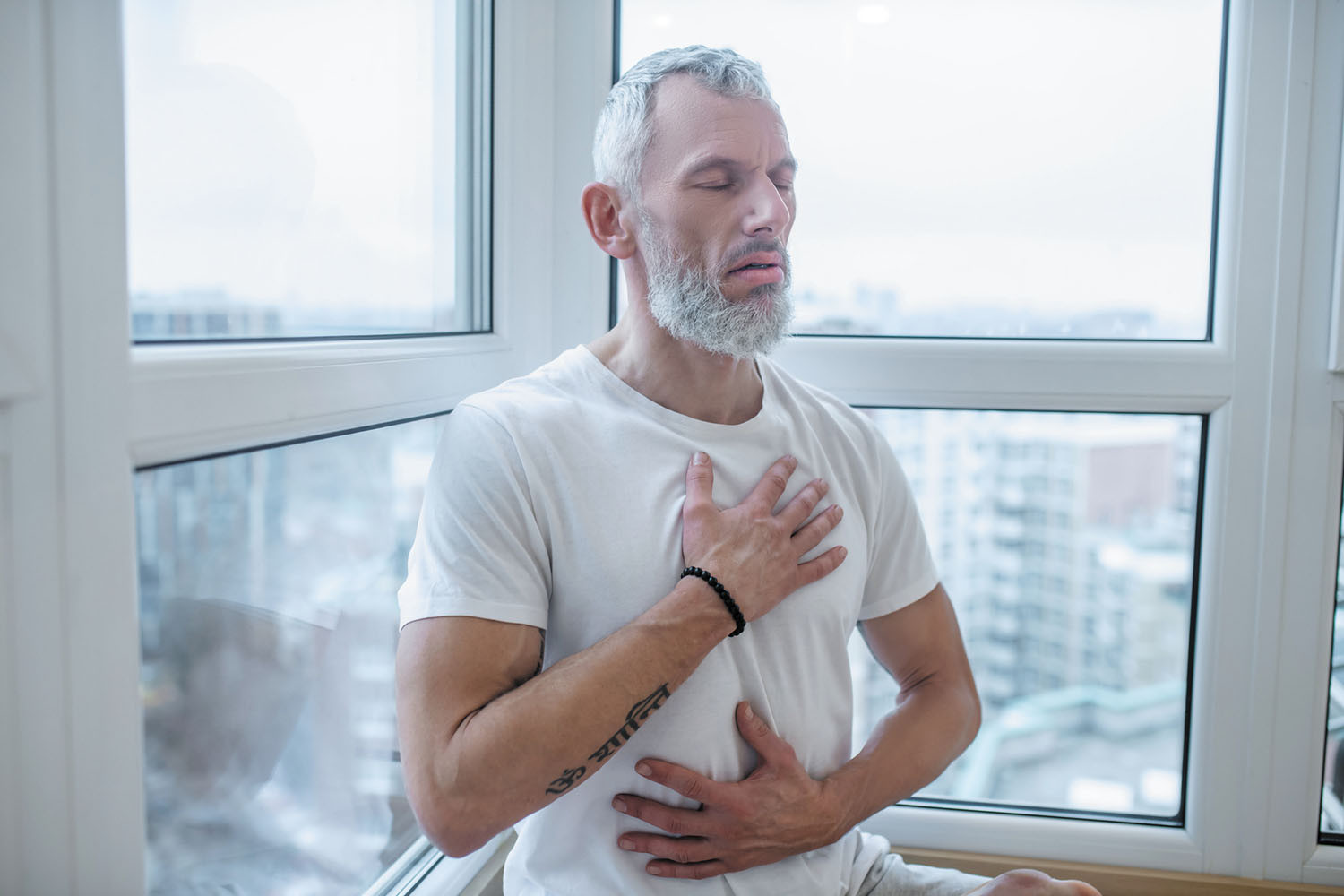
Try this: Take a tactical breather
Tactical breathing used by military and law enforcement personnel can help people manage anxiety and stay mentally sharp during stressful situations. It can also help calm a racing mind or soothe pain.

Lending a helping hand
People who devote time to helping others are often happier than those who don't. Serving others also helps brain health by increasing social connections, which can protect against loneliness and depression, and improving executive function skills like planning, attention, and remembering tasks. Common ways to help others include volunteering, mentoring, random acts of kindness, and seeing life from another person's perspective.
Healing after food poisoning
What is tempeh? Benefits, nutrition, and how to use it
Light exposure at night may raise risk for heart disease
Whole grains may improve several heart risk factors at once
A lumbar belt may help ease low back pain
Children of centenarians may stay healthier and live longer too, study finds
Signs of pneumonia: Sometimes vague and unexpected
The surprising link between ovarian cancer and the fallopian tubes
Using a vibration plate: What it can — and can't — do for your body
People who walk more or walk faster live longer, study finds
Free Healthbeat Signup
Get the latest in health news delivered to your inbox!
Sign Up
