

Whole grains may improve several heart risk factors at once

Light exposure at night may raise risk for heart disease

Children of centenarians may stay healthier and live longer too, study finds

A lumbar belt may help ease low back pain

Signs of pneumonia: Sometimes vague and unexpected

Using a vibration plate: What it can — and can't — do for your body

The surprising link between ovarian cancer and the fallopian tubes

People who walk more or walk faster live longer, study finds

Rosacea treatments: What works?

For sleep apnea, a dental device may be as effective as CPAP
Addiction Archive
Articles

Low-nicotine cigarettes may help determined smokers cut back
A study examining the effects of low-nicotine cigarettes on smoking behavior yielded surprising results. The study volunteers who smoked the low-nicotine cigarettes actually smoked less and had fewer cigarette cravings than those who smoked cigarettes with a higher level of nicotine. Although more research is needed before we can draw any conclusions, it’s possible that very-low-nicotine cigarettes might be a way to mitigate the health dangers of smoking for people determined not to quit.

3 ways to harness positive psychology for a more resilient you
| Image: iStock |
Some intriguing research suggests that positive psychology can help you weather the routine ups and downs of life and also build resilience for times of greater difficulty.
Here are three ways to capture the benefits of positive psychology.

Vigorous exercise may counter cognitive decline in early Alzheimer's
Reports at the Alzheimer's Association International Conference in July 2015 verified that women are at higher risk than men for developing Alzheimer's, and also progress more rapidly from mild cognitive impairment to out-right dementia than men do. But not all the news was bad. A study reported at the meeting indicates that physical exercise can halt, and even reverse, the decline in people with mild cognitive impairment.
In that study, conducted by researchers at Wake Forest University in North Carolina, 65 previously sedentary women and men with mild cognitive impairment exercised at peak capacity for at least 45 minutes four times a week for six months. At the beginning and end of the study, researchers tested participants' cognitive skills and examined their blood and cerebrospinal fluid for levels of tau protein—a principal component of the amyloid plaques associated with Alzheimer's disease. They found that the participants scored significantly higher on the cognitive tests at the end of the study than they had at the beginning. Their tau protein levels had declined substantially as well.

Exercise: A promising treatment for dementia?
| Image: Thinkstock |
We know that moderate-intensity exercise, such as brisk walking, can both improve thinking skills and slow their decline in older age. Now a trio of studies presented at the July 2015 Alzheimer's Association International Conference suggest that aerobic exercise may even be able to help protect your brain from Alzheimer's and other dementias, and improve your quality of life if you have the disease. One study of 200 adults with Alzheimer's showed that those who engaged in three hour-long exercise sessions a week for 16 weeks had less anxiety, irritability, and depression and better mental speed and attention compared with those who didn't exercise. A study of 65 sedentary older adults with mild cognitive impairment showed that those who took part in 45 to 60 minutes of aerobic exercise four times a week for six months not only had better attention and planning skills, but also better blood flow to the brain and a reduction in dangerous proteins associated with Alzheimer's disease, compared with those who only did stretching exercises. A study of 71 older adults with cognitive impairment due to vascular disease found that those who did an hour of aerobic exercise three times per week for six months improved their thinking skills, memory, and attention compared with those who did not exercise. Although the studies were presented at a scientific meeting, it's only after publication of the full details that scientists can adequately judge a work. Nevertheless, the studies are in line with past research showing that regular exercise may help protect the brain.
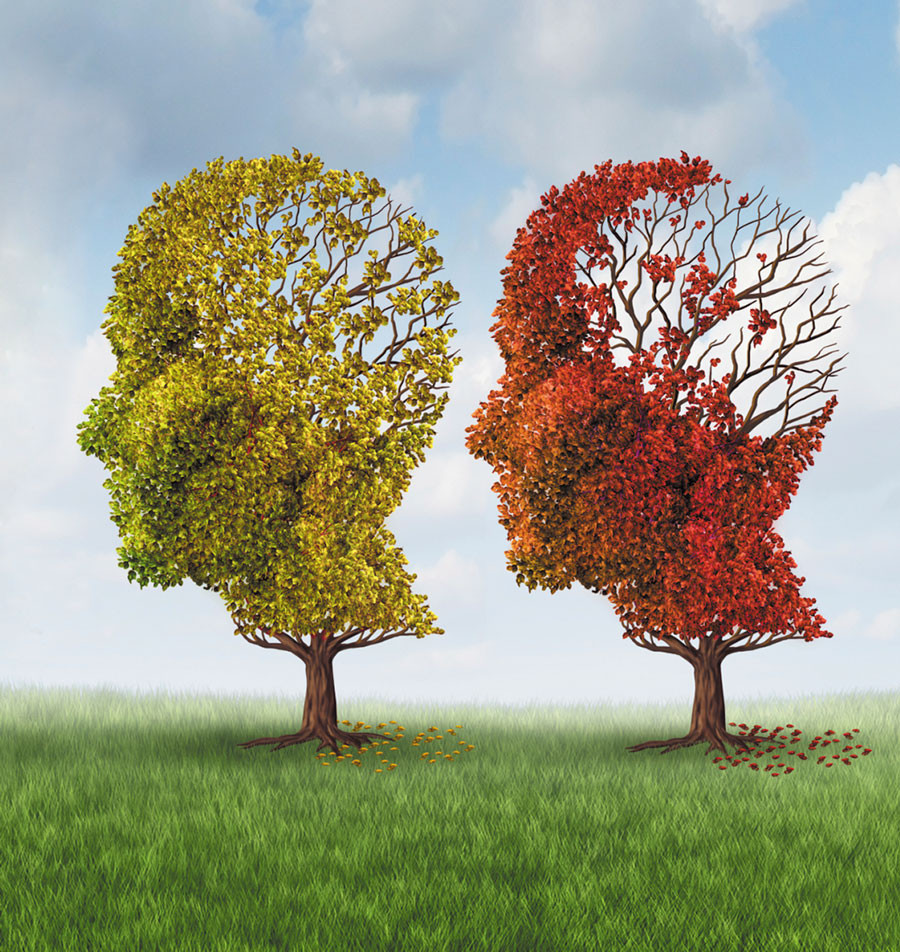
Savor the gifts of the aging mind
| Images: Thinkstock |
With aging, the body and mind change—but it's not all bad.
Aging brings physical changes and a greater risk of health problems—no one needs to tell you that. The mind changes too, and we grumble about things like increased forgetfulness. But the aging mind bestows some gifts, too.

Secondhand smoke boosts stroke risk
| Image: iStock |
Being near a smoker forces you to breathe what that person exhales as well as what wafts from the burning end of the cigarette. This so-called secondhand smoke has been linked to a host of health problems, including lung cancer, heart attack, and stroke. Now, a large study further validates earlier research about the risk of stroke caused by secondhand smoke.
The study, published online June 16 by the American Journal of Preventive Medicine, included nearly 22,000 people ages 45 and older. Almost a quarter of the participants reported secondhand smoke exposure, which was defined as more than one hour per week in close contact with a smoker. After adjustment for other stroke risk factors, there was a 30 percent increase in the overall risk of stroke among people exposed to secondhand smoke.

Easing grief through religion and spirituality
There are many different ways to find comfort when grieving. Some people find that spirituality or organized religion is a source of great solace. Specific rituals and rites — whether sitting shiva, setting up an altar inside your home, or gathering at the cemetery once a year — can draw people together and encourage them to share their grief. Attending religious services can link you with a well-defined community primed to offer help of all sorts. And a kind word, a willing listener, a shared meal, and any number of large and small acts of assistance help keep people afloat and ease their distress after a death.
Religious or spiritual beliefs may also help by lending larger meaning to a loved one's life and death. For some, the belief that a loved one is enjoying the spiritual riches of heaven or preparing for the next turn of the wheel through reincarnation can be comforting. Believing your loved one helps guide you in this world or that you will be reunited in another place after your own death can help you continue to feel connected with the person.

Quitting smoking doesn’t have to mean big weight gain
Weight gain might be one of the most dreaded “side effects” of quitting smoking. Constant reminders of the health dangers of being overweight lead some smokers to think that smoking is “safer” than the weight they might gain if they quit. But that’s just not the case. It’s true that people tend to gain 5-10 pounds in the first six months after they stop smoking. But a recent study suggested that for those who quit, weight gain slows down over the following 10 years after quitting. Over that same time period, people who continued to smoke also gained some weight, though not as much. Over all, kicking the habit doesn’t have to mean a larger waistline, especially if you plan ahead.
Can brain stimulation aid memory and brain health?
| Image: Thinkstock |
The jury is still out, but magnetic fields or mild electric currents may aid learning and help several conditions that affect women in particular.
Stimulating your brain doesn't just mean spending an evening at the theater or reading a good book. These days it can involve sitting with your head against a magnet or wearing electrodes that transmit a low-voltage current through your scalp to activate—or suppress—certain neurons in your brain. The prospect of regulating brain signals responsible for mood, pain, and learning is so compelling that scores of studies are under way to see if, and how, the approach can be used to sharpen mental skills and treat symptoms of several mind-body disorders. "Brain stimulation, if used carefully and safely, looks promising, especially if combined with other therapies," says Dr. Daniel Press, a neurologist with the Berenson-Allen Center for Noninvasive Brain Stimulation at Harvard-affiliated Beth Israel Deaconess Medical Center. Dr. Press has used noninvasive brain stimulation for almost a decade.
Is thyroid hormone causing my recent mood changes?
Ask the doctor
Q. Recently, I felt very agitated and out of control, crying and angry about things I could ordinarily handle with ease. I was starting fights with my husband and others over relatively insignificant issues. I had been taking synthetic thyroid hormone for several decades and had very low levels of thyroid-stimulating hormone in my blood. I've stopped taking the hormone and feel better, but I feel bad about the way I snapped at my friends and family. Could thyroid hormone have been to blame for my behavior?
A. It could very well have been responsible. Low thyroid-stimulating hormone (TSH) levels mean that thyroid hormone levels are increasing. Anxiety, agitation, and restlessness are all signs of hyperthyroidism—an overactive thyroid gland or, in your case, too much thyroid hormone medication. You can let your husband and friends know that your irritability was probably caused by too high a dose of your prescription and not a permanent change in your disposition.
Whole grains may improve several heart risk factors at once
Light exposure at night may raise risk for heart disease
Children of centenarians may stay healthier and live longer too, study finds
A lumbar belt may help ease low back pain
Signs of pneumonia: Sometimes vague and unexpected
Using a vibration plate: What it can — and can't — do for your body
The surprising link between ovarian cancer and the fallopian tubes
People who walk more or walk faster live longer, study finds
Rosacea treatments: What works?
For sleep apnea, a dental device may be as effective as CPAP
Free Healthbeat Signup
Get the latest in health news delivered to your inbox!
Sign Up
