

Whole grains may improve several heart risk factors at once

Light exposure at night may raise risk for heart disease

Children of centenarians may stay healthier and live longer too, study finds

A lumbar belt may help ease low back pain

Signs of pneumonia: Sometimes vague and unexpected

Using a vibration plate: What it can — and can't — do for your body

The surprising link between ovarian cancer and the fallopian tubes

People who walk more or walk faster live longer, study finds

Rosacea treatments: What works?

For sleep apnea, a dental device may be as effective as CPAP
Addiction Archive
Articles
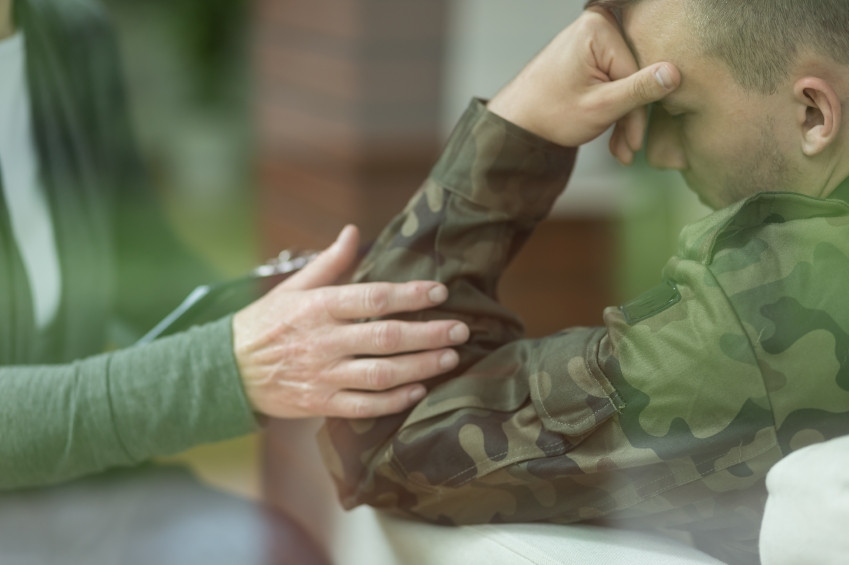
Compassionate veteran care: Embracing respect for the individual
The need to support injured soldiers dates back to our country’s earliest days. That mission remains essential today. Those who may be eligible for VA benefits and services — veterans and their family or survivors — make up a quarter of the United States’ population. Individuals seeking care through the Department of Veterans Affairs deserve a thoughtful and compassionate evaluation to not only compensate them for their service, but connect them with the care they need.

Miscarriage: Keep breaking the silence
Many public figures have begun speaking up about their experiences with miscarriage. While it’s wonderful that they’re breaking the silence, a recent survey has revealed that the general public still has a lot of misconceptions about this surprisingly common event. Dr. Hope Ricciotti shares her reactions to the survey results, and her advice to women experiencing miscarriage.


Is it ADHD—or Autism?
Symptoms of attention deficit hyperactivity disorder (ADHD) and autism can resemble each other. In fact, it can be difficult to tell the two conditions apart, which can lead to delays in the correct diagnosis — and therefore missed opportunities for treatment. If your child is diagnosed with ADHD, ask your pediatrician about testing for autism as well. The earlier a child with autism receives treatment, the better the outcome he or she will have.


In the journals: Seniors get no brain boost from omega-3 supplements
A recent study in The Journal of the American Medical Association found that seniors got no mental boost from taking daily omega-3 fatty acid supplements and antioxidant vitamins for four years. On the other hand, that doesn't mean eating a nutritious diet throughout life doesn't promote healthy aging.
The clinical trial involved more than 3,500 people, average age 73. Researchers were primarily testing the ability of daily nutritional supplements to prevent vision loss from age-related macular degeneration (AMD), which damages the light-sensing retina in the back of the eye. Participants also had tests of their mental function every other year in addition to annual eye exams.

A mindful worker is a happier worker
The mental health benefits of mindfulness meditation include greater engagement in your daily activities and a more positive outlook — which can in turn improve your concentration and sense of well-being. But can mindfulness practice really help employees’ mental health? A recent study says yes. Workers participating in mindfulness training found they experienced less stress, anxiety, and depression; improved sleep; fewer aches and pains; and fewer problems getting along with others.
Whole grains may improve several heart risk factors at once
Light exposure at night may raise risk for heart disease
Children of centenarians may stay healthier and live longer too, study finds
A lumbar belt may help ease low back pain
Signs of pneumonia: Sometimes vague and unexpected
Using a vibration plate: What it can — and can't — do for your body
The surprising link between ovarian cancer and the fallopian tubes
People who walk more or walk faster live longer, study finds
Rosacea treatments: What works?
For sleep apnea, a dental device may be as effective as CPAP
Free Healthbeat Signup
Get the latest in health news delivered to your inbox!
Sign Up
