How to increase appetite
Simple ways to eat more and stay nourished, even when hunger fades.
- Reviewed by Heather Bell-Temin, MS, RD, CSO, LDN, FAND, Contributor
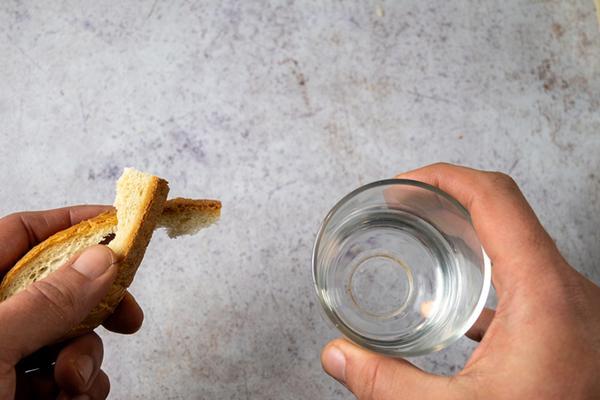
Appetite tends to decline as you get older, and in many ways, that makes sense: calorie needs tend to decrease as metabolism slows, and people tend to become less active as they age. “It’s not a cause for concern if you’re eating regular meals and your weight is stable,” says Heather Bell-Temin, a senior nutritionist at Harvard-affiliated Brigham and Women’s Hospital.
But a chronic loss of appetite is a different story. When a lack of interest in food leads to skipping meals day after day, the result can be unintentional weight loss — generally defined as losing more than 5% of your weight in a month without trying. That increases your risk of falling short of the nutrients your body needs. That can cause muscle weakness, a diminished immune system, and increased frailty — all of which can make it harder to stay independent and healthy.
A key concern is sarcopenia, or loss of muscle mass, says Tina Reilly, director of nutrition at Harvard-affiliated Hebrew Rehabilitation Center in Boston. “That can lead to participating less in general activities of daily living, like walking, moving, and cooking.” As many as 25% of older adults experience what researchers call “anorexia of aging” — an ongoing decline in appetite linked with falls, greater frailty, and lowered immunity.
Luckily, there are many ways to rekindle a weak appetite. Here are a few.
Talk to your doctor. Sometimes a poor appetite stems from an underlying health condition, a medication side effect, difficulty chewing or swallowing, or depression — many of which are readily treatable and should be ruled out.
Eat smaller, more frequent meals. Three large meals a day can feel daunting when your appetite is low. Try spreading your eating across five or six smaller meals or snacks throughout the day. This approach can feel less overwhelming and may help your body settle into a regular rhythm of hunger cues.
Eat when you’re hungriest. If morning is the time you feel the most hunger, “make your breakfast larger to take advantage of that,” says Bell-Temin. That gives you more freedom to ease back at those times of day when you have less appetite.
Prioritize protein. “Although calorie needs can decrease as we age, protein needs actually increase,” says Reilly, as adequate protein is vital for preserving muscles. Try to include protein at every meal and plan protein-rich snacks like cheese and crackers, hummus, or nuts. Make sure your fridge and pantry are stocked with “easy proteins” like hard-boiled eggs, peanut butter, cheese, cooked chicken or turkey, and canned beans and tuna.
Make every bite count. “If you’re only able to take in a small amount of food, make sure to maximize the calories and nutrients for the effort you’re making,” says Bell-Temin. For example:
- Upgrade your morning toast and jam with some peanut butter.
- Switch from low-fat yogurt to full-fat.
- Prepare your oatmeal and potatoes with milk instead of water.
- Choose hearty soups like bean or broccoli-cheddar over broth-based ones.
- Add calorie boosters to dishes: drizzle olive oil on vegetables, toss shredded cheese or pesto with pasta, or blend nut butter into a smoothie.
Drink some of your calories. “Liquid calories tend to move more quickly through the stomach and can often be easier for someone with a poor appetite,” says Bell-Temin. Smoothies, liquid meal supplements, or even a puree-based soup might fill the bill; try adding them between meals or as an evening snack, rather than trying to include them with a regular meal.
Move more. Even a short, gentle walk around the block (or even around the house) before a meal is a natural appetite stimulant, as it signals to the body that it’s time to eat. Older adults who become sedentary tend to feel less hungry, so building movement into the day, even in small bursts, can make a real difference.
Stimulate your senses. Enhancing the sensory pleasure of your meals can help boost a weak appetite, so take the time to set the table nicely, put on some music, or even put flowers on the table, says Reilly. “Enjoy the smell, sound, sight, and taste of your favorite foods.”
Make meals more social. “Convivial meals boost connection, conversation, and shared dining experiences, which can lead to strengthening social bonds,” says Reilly. “This is an important consideration, given that loneliness can suppress appetite.” If getting together in person is difficult, look into shared dining experiences such as community dining programs at local senior centers, day cares, and churches. Another idea: make a regular “meal date” via a video conference call with loved ones.
Ease up on dietary “don’ts.” It might be hard to go against years of dietary guidance to cut fat or avoid sugars, but unless you have health issues requiring dietary constraints, “it’s not a time to restrict your diet,” says Reilly. Leading guidelines on healthy aging recommend more liberal diets, she explains, “to increase enjoyment and appetite, and to ensure calorie needs are met.” Ask your doctor if you can loosen some restrictions.
If you continue to have a poor appetite and unintentional weight loss despite these measures, talk to your doctor about medications that can stimulate your appetite.
Lastly, remember that eating should be one of life’s pleasures. When you take steps to work up an appetite — through movement, connection, and culinary creativity — and then satisfy it with foods you genuinely enjoy, you’re doing something powerful for your health.
Image: © Daniel Tamas Mehes/Getty Images
About the Author

Joyce Hendley, Staff Writer
About the Reviewer

Heather Bell-Temin, MS, RD, CSO, LDN, FAND, Contributor
Disclaimer:
As a service to our readers, Harvard Health Publishing provides access to our library of archived content. Please note the date of last review or update on all articles.
No content on this site, regardless of date, should ever be used as a substitute for direct medical advice from your doctor or other qualified clinician.