

Oat vs. dairy milk: Nutrition, benefits, and downsides

Microplastics: A hidden health threat?

Healing after food poisoning

What is tempeh? Benefits, nutrition, and how to use it

Light exposure at night may raise risk for heart disease

Whole grains may improve several heart risk factors at once

A lumbar belt may help ease low back pain

Children of centenarians may stay healthier and live longer too, study finds

Signs of pneumonia: Sometimes vague and unexpected

The surprising link between ovarian cancer and the fallopian tubes
Weight loss Archive
Articles

Calorie deficit explained: Is it a safe, sustainable approach to weight loss?
Creating a calorie deficit—burning more than one consumes—is the foundation of sustainable weight loss. “Slow and steady” is best: experts recommend a 500-calorie daily deficit for gradual progress, combined with regular physical activity, especially strength training.

Losing weight: Benefits beyond the scale
Some people who are losing weight judge the success of their efforts solely by the number on the scale. But an array of “non-scale victories” include having more energy, less joint pain, lower cancer risks, improved cholesterol and triglyceride levels, lower blood pressure, and better sleep.

Is there a link between fatty liver and high blood sugar?
A fatty liver diagnosis and a high blood sugar reading may point to more than one concern. See what these findings could mean for your health.
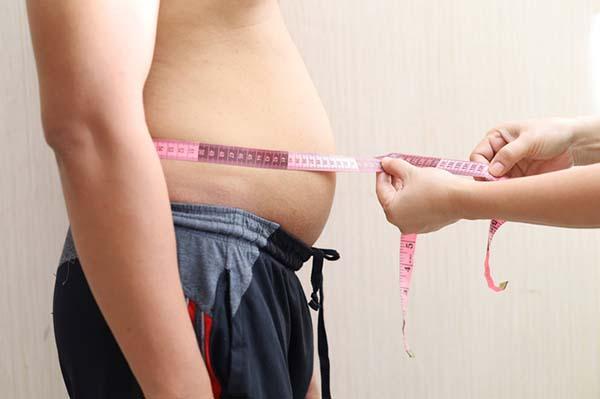
Where you carry excess weight matters in predicting heart disease risk
A 2026 study found that larger waist measurements increased heart disease-related risks, even among people with normal weight. Obesity with a small waist conferred no greater risks compared to people with normal weight and a small waist.
Overweight and taking blood pressure medications: Study finds it's a trend that's working
A 2026 analysis suggests that wider drug treatment has narrowed the gap in blood pressure and cholesterol levels for older adults with obesity versus those of normal weight.
Weight cycling linked to increased muscle loss
Weight loss may involve repeated episodes of losing weight and gaining it back (weight cycling). A 2026 study found a greater loss of thigh muscle over four years among weight cyclers than among those who maintained a steady weight.

Does intermittent fasting work?
Intermittent fasting, a dietary pattern that alternates between periods of eating and fasting, has become a popular weight-loss approach. A 2026 scientific analysis suggests it may not work as well for weight loss as some people have thought.

Study: Taking GLP-1 drugs may increase risk of key nutrient deficiencies
A 2026 review of six studies found that people with diabetes or obesity taking GLP-1 medications were prone to developing a number of nutrient deficiencies, particularly in vitamin D, iron, and B vitamins.
What does a healthy, realistic rate of weight loss look like, and why does it matter?
People on a weight-loss regimen should aim to lose 1 to 2 pounds per week, which translates into eating 500 to 750 fewer calories each day than they expend. Losing weight faster often causes excess muscle loss and lowers metabolism, making it harder to burn fat.

What is a healthy body fat percentage?
A body fat percentage reading can mean very different things depending on your sex, activity level, and waist size. See how to judge your own number.
Oat vs. dairy milk: Nutrition, benefits, and downsides
Microplastics: A hidden health threat?
Healing after food poisoning
What is tempeh? Benefits, nutrition, and how to use it
Light exposure at night may raise risk for heart disease
Whole grains may improve several heart risk factors at once
A lumbar belt may help ease low back pain
Children of centenarians may stay healthier and live longer too, study finds
Signs of pneumonia: Sometimes vague and unexpected
The surprising link between ovarian cancer and the fallopian tubes
Free Healthbeat Signup
Get the latest in health news delivered to your inbox!
Sign Up
