

Fatty liver disease: Should you be tested?

Weight-loss drug may lower risk of heart attacks and infections

Testosterone therapy without evidence of deficiency may boost heart risk

Even a little exercise linked with lower stroke risk in people with afib

Antihistamines may not offer meaningful relief from eczema symptoms

What to eat on the DASH diet

Tricep workouts you can do at home

FDA approves first mRNA-based flu vaccine

Migraine: How it's diagnosed and what that means

Mindfulness practices to reduce stress and improve focus
Weight loss Archive
Articles

What can I do to lose belly fat?
Belly fat that won't budge can be more than a cosmetic concern. Learn how to spot risky fat around your waist and key habits to shrink it.

Do I have a slow metabolism?
Some people lose weight quickly on fewer calories while others barely budge. Learn how differences in energy use might be working against you.
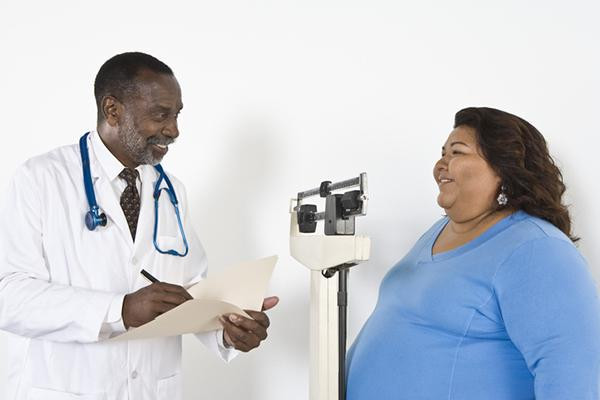
GLP-1 drugs versus bariatric surgery for treating obesity
Two proven therapies for treating obesity - GLP-1 drugs and bariatric surgery - can help people lose substantial amounts of weight. The approaches differ in their effectiveness, durability, side effects, cost, and insurance coverage.

Can you increase your metabolism?
Metabolism-how your body turns food into energy-is strongly influenced by genes, but lifestyle still matters. Choosing nourishing foods, avoiding extreme diets, and building muscle through regular exercise can modestly boost calorie burning and support weight loss.
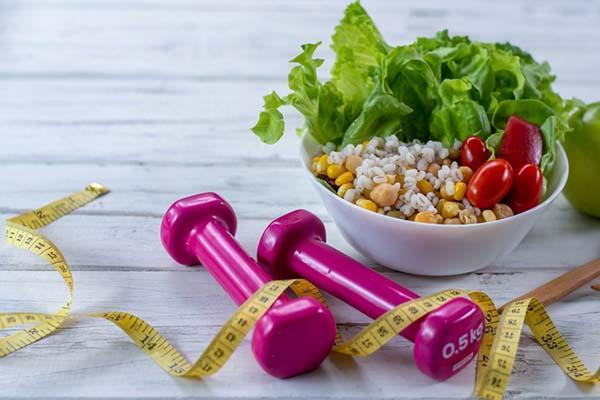
To lose weight, especially harmful belly fat, combine diet and exercise
A 2025 study found that increased physical activity and adherence to a Mediterranean diet each promoted a healthy weight and less build-up of harmful (visceral) body fat. Combining exercise plus a high-quality diet had the greatest benefit.
For weight loss, minimally processed diets beat ultra-processed versions
A 2025 study suggested that people can lose more weight by eating minimally processed foods rather than ultra-processed versions, even those typically considered healthy.
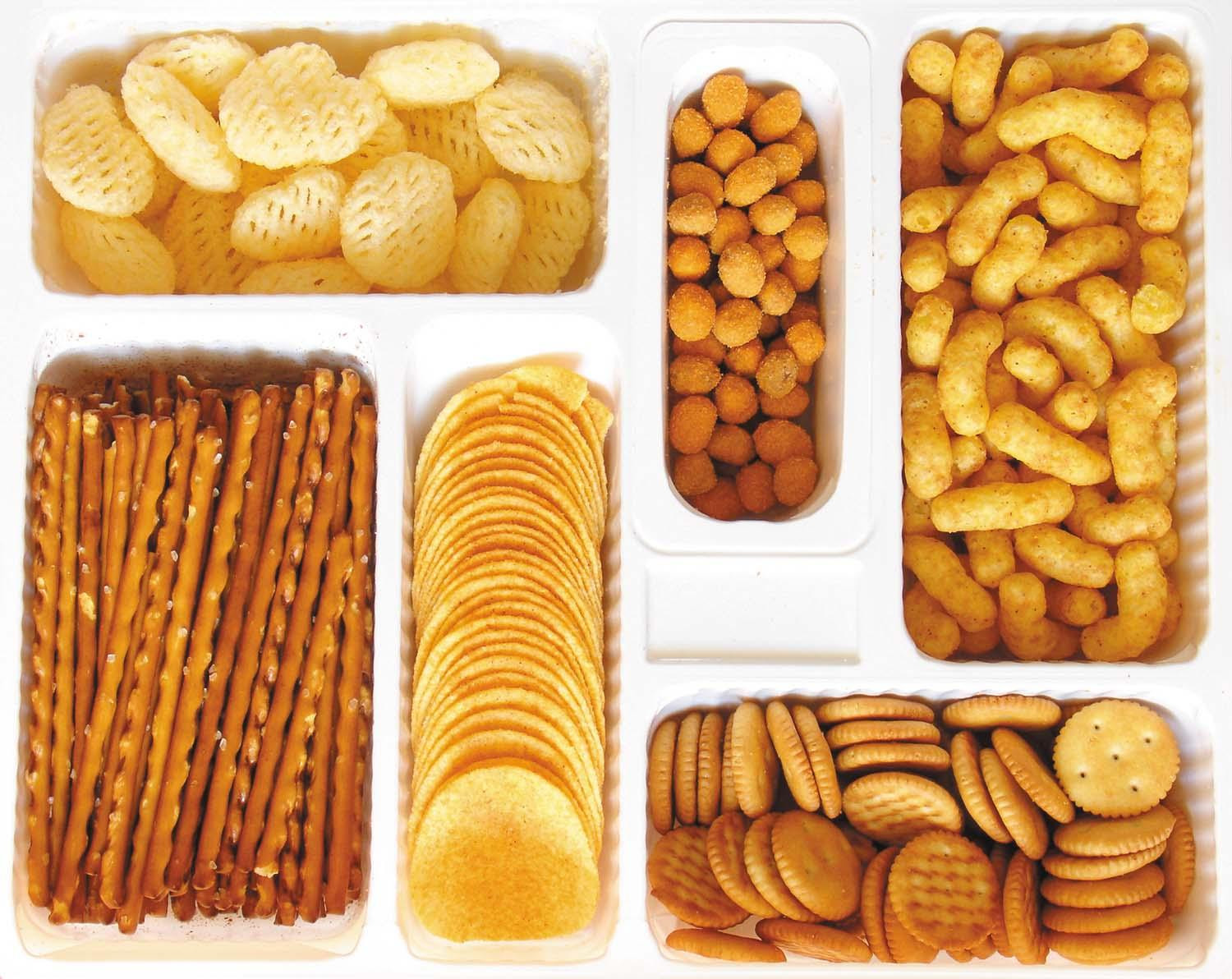
How ultra-processed foods are made linked to weight gain
A 2025 study suggests that the nature of ultra-processed foods, not the consumption of extra calories from these foods, is what contributes to their association with excess weight gain and a greater risk for obesity.
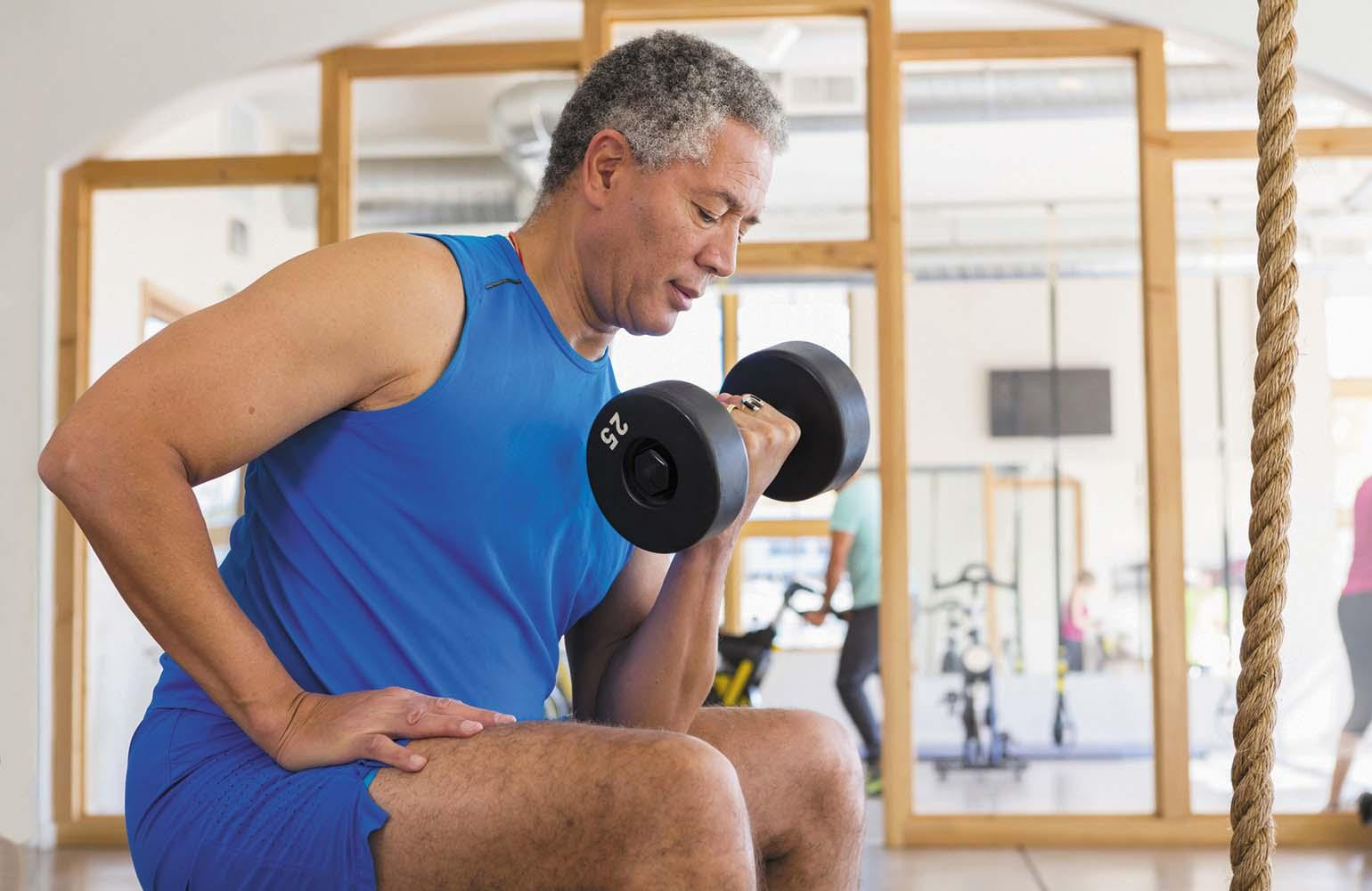
How to get rid of belly fat
Men often carry around extra belly fat and lose muscle mass as they age. An expanding waist could be sign of too much visceral fat, which is stored within the abdominal cavity and surrounds vital organs, including the pancreas, liver, and intestines. Research has shown that visceral fat can increase blood pressure, blood sugar, and total cholesterol levels, and raise the risk of fatty liver disease. Building muscle mass with resistance training and getting aerobic exercise improve muscle metabolism and help reduce visceral fat.
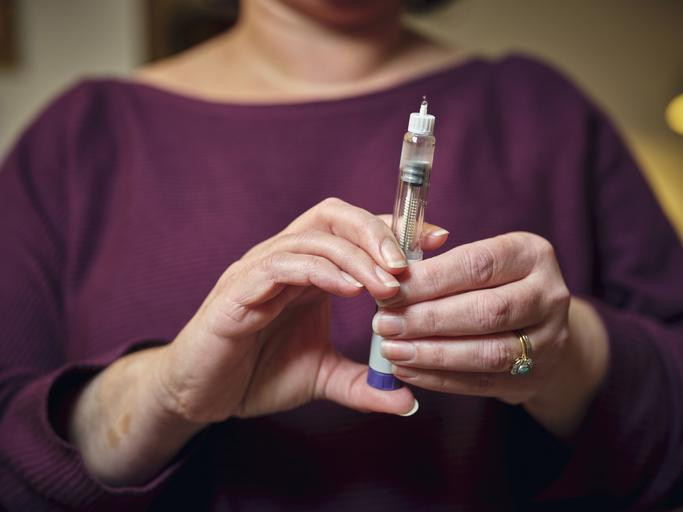
Do GLP-1 drugs reduce inflammation?
In a 2025 study of nearly a million people with diabetes, those who took GLP-1 drugs had a reduction of 10% to 20% in heart failure, cardiac arrest, lung failure and pneumonia, and dementia, compared with people who took other diabetes medications.
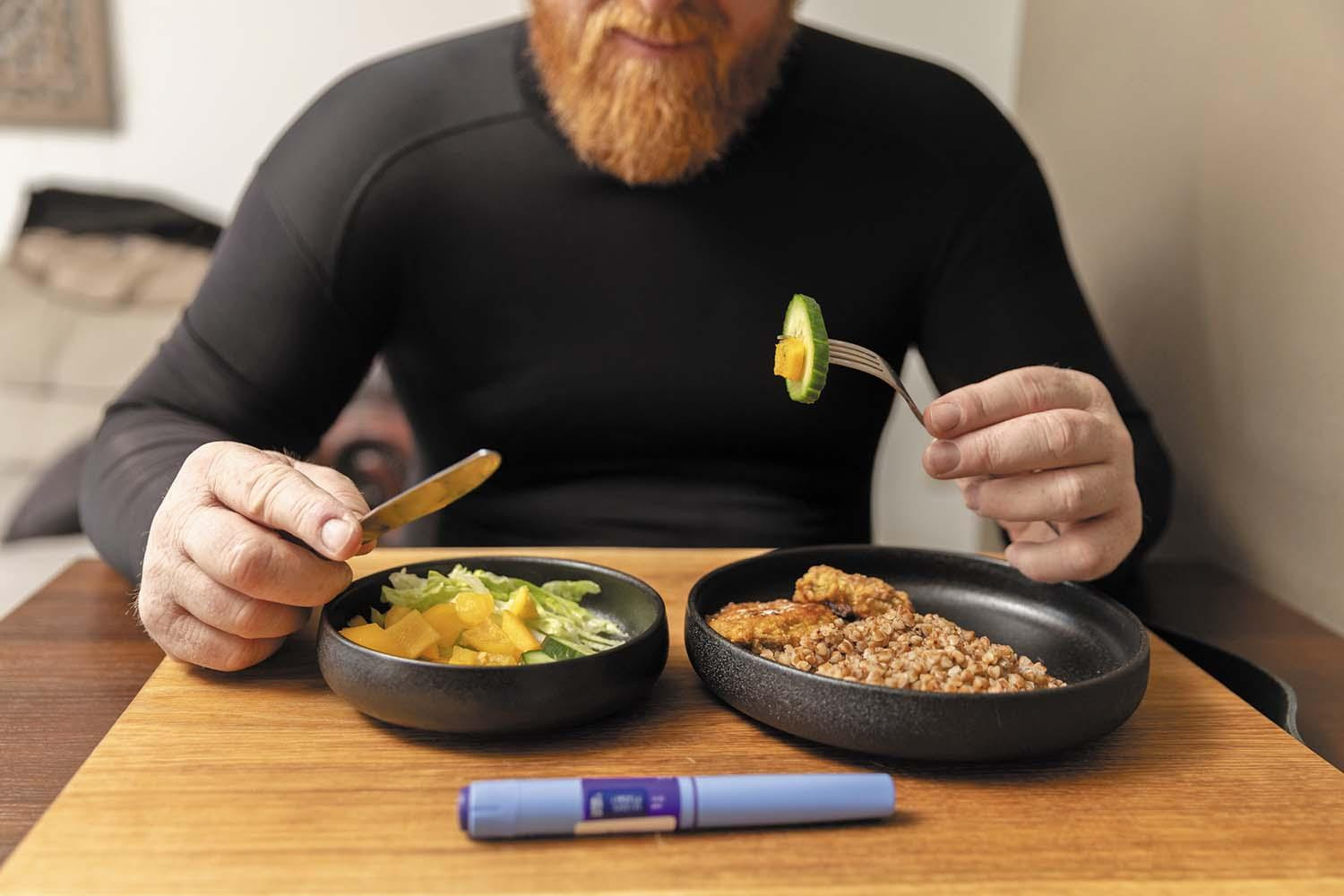
Weight-loss strategies to protect your heart
Obesity is a common, chronic disease that can harm the heart. The powerful weight-loss medications known as GLP-1s, semaglutide (Ozempic, Wegovy) and tirzepatide (Mounjaro, Zepbound), are now recommended as first-line therapy for eligible people, according to the American College of Cardiology. People using these drugs should work with a dietitian or nutritionist who can help them create a personalized eating plan that ensures they're getting enough nutrients while minimizing common side effects.
Fatty liver disease: Should you be tested?
Weight-loss drug may lower risk of heart attacks and infections
Testosterone therapy without evidence of deficiency may boost heart risk
Even a little exercise linked with lower stroke risk in people with afib
Antihistamines may not offer meaningful relief from eczema symptoms
What to eat on the DASH diet
Tricep workouts you can do at home
FDA approves first mRNA-based flu vaccine
Migraine: How it's diagnosed and what that means
Mindfulness practices to reduce stress and improve focus
Free Healthbeat Signup
Get the latest in health news delivered to your inbox!
Sign Up
