

Oat vs. dairy milk: Nutrition, benefits, and downsides

Microplastics: A hidden health threat?

Healing after food poisoning

What is tempeh? Benefits, nutrition, and how to use it

Light exposure at night may raise risk for heart disease

Whole grains may improve several heart risk factors at once

A lumbar belt may help ease low back pain

Children of centenarians may stay healthier and live longer too, study finds

Signs of pneumonia: Sometimes vague and unexpected

The surprising link between ovarian cancer and the fallopian tubes
Weight loss Archive
Articles
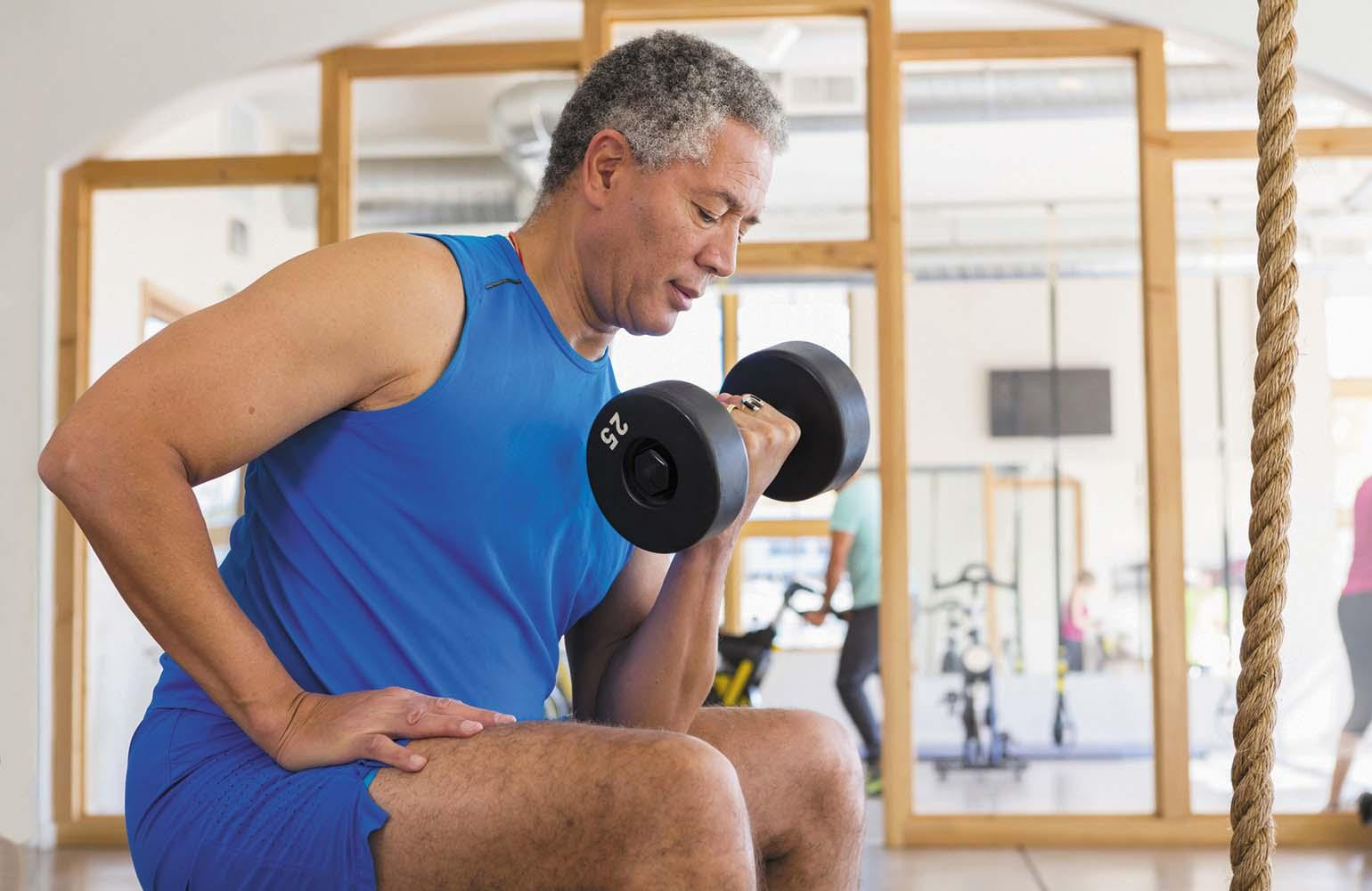
How to get rid of belly fat
Men often carry around extra belly fat and lose muscle mass as they age. An expanding waist could be sign of too much visceral fat, which is stored within the abdominal cavity and surrounds vital organs, including the pancreas, liver, and intestines. Research has shown that visceral fat can increase blood pressure, blood sugar, and total cholesterol levels, and raise the risk of fatty liver disease. Building muscle mass with resistance training and getting aerobic exercise improve muscle metabolism and help reduce visceral fat.
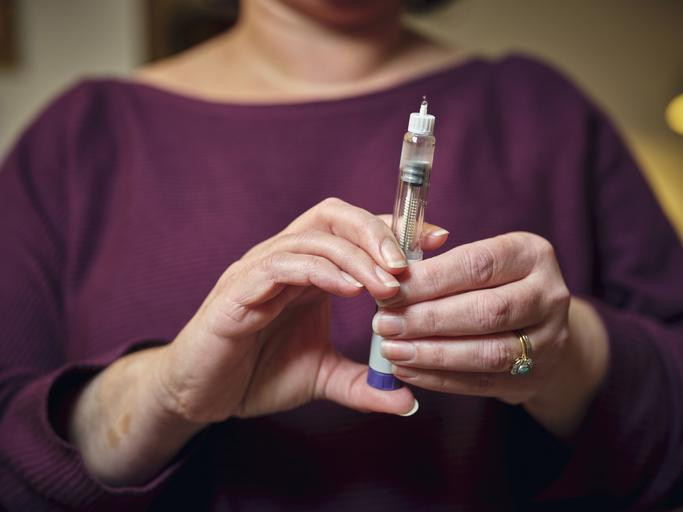
Do GLP-1 drugs reduce inflammation?
In a 2025 study of nearly a million people with diabetes, those who took GLP-1 drugs had a reduction of 10% to 20% in heart failure, cardiac arrest, lung failure and pneumonia, and dementia, compared with people who took other diabetes medications.
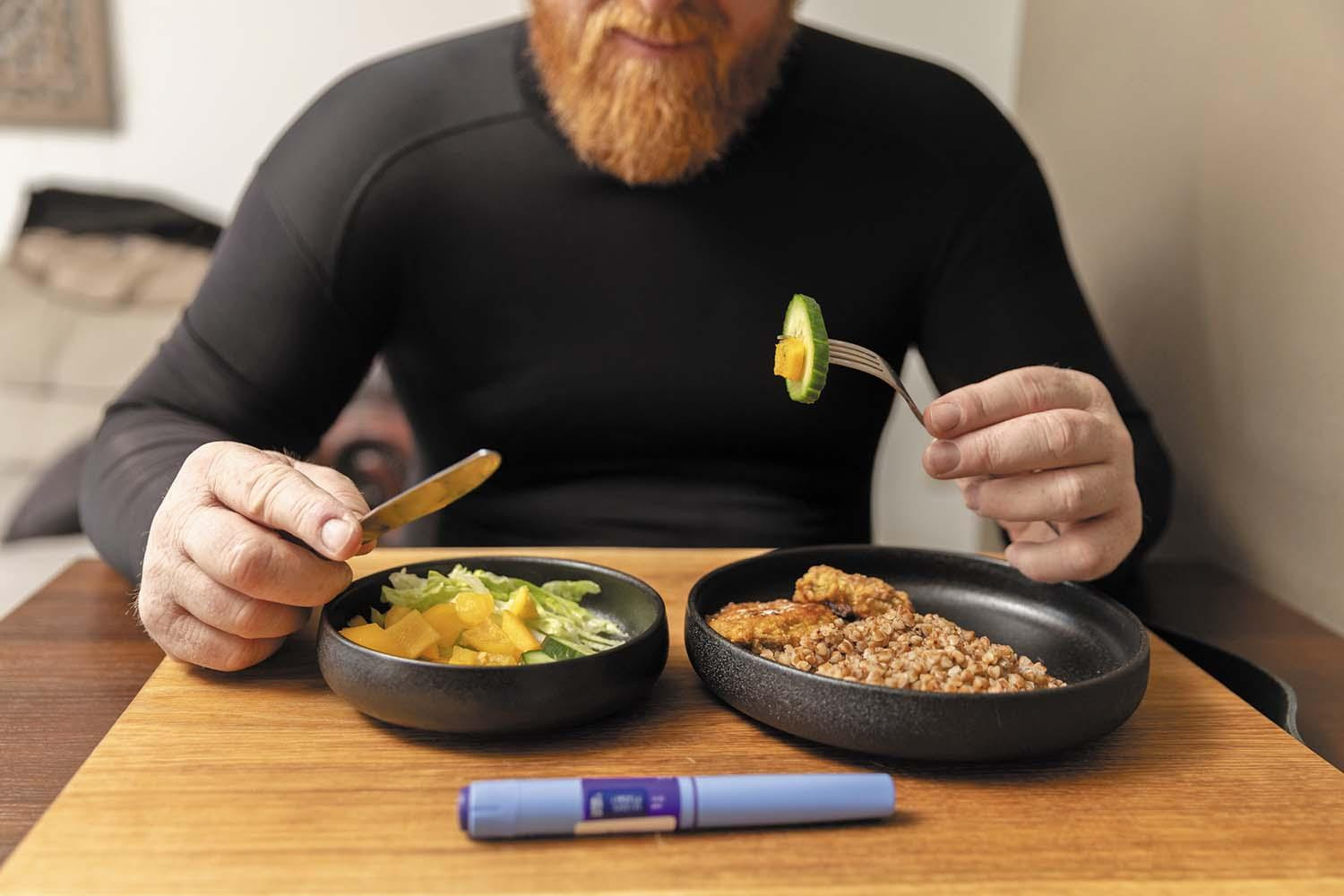
Weight-loss strategies to protect your heart
Obesity is a common, chronic disease that can harm the heart. The powerful weight-loss medications known as GLP-1s, semaglutide (Ozempic, Wegovy) and tirzepatide (Mounjaro, Zepbound), are now recommended as first-line therapy for eligible people, according to the American College of Cardiology. People using these drugs should work with a dietitian or nutritionist who can help them create a personalized eating plan that ensures they're getting enough nutrients while minimizing common side effects.

Combined with exercise, time-restricted eating may boost fat loss
A 2025 research review found that healthy adults who paired exercise with time-restricted eating lost more fat than participants who didn't restrict their eating window-without sacrificing lean muscle tissue.

Fasting vs. calorie restriction for weight loss: Which one wins?
A randomized controlled trial published in 2025 found that people who followed a 4:3 intermittent fasting plan for one year, eating only 20% of their usual calories on three fasting days per week, lost more weight than people who were on a calorie-restricted diet.

How much aerobic exercise does it take to lose weight?
In a 2024 study of more than 183,000 middle-aged healthy people followed for 13 years, those who closely followed a plant-based diet had lower risks of developing blood clots in the legs or lungs, even if their genes made them more likely to get the blood clots.

Why exercise if I'm not losing weight?
Some people may feel like it's pointless to exercise if they're not losing weight as a result. But there are many reasons to exercise beyond weight loss. Regular exercise has a long list of health benefits, including an energy boost, better sleep, and reduced risks for addictive behaviors as well as many chronic diseases such as heart disease, strokes, many cancers, dementia (including Alzheimer's disease), diabetes, depression, anxiety, pneumonia, osteoporosis, and kidney problems.

Why am I gaining belly fat during menopause?
As estrogen levels drop, women's bodies store more fat around the abdomen, fueling a weight shift to the belly. Women can counter this by ramping up protein intake and doing strength training to maintain muscle mass and metabolism.

Do the new weight-loss drugs improve your health?
The FDA has approved three GLP-1 receptor agonist drugs for weight loss. The drugs not only lower blood sugar and weight, but also quiet inflammation, stimulate the production of antioxidants, help repair damaged DNA, and slow the aging of the body's cells. Evidence suggests that among people who use the drugs for diabetes and obesity, the drugs reduce the risks of kidney disease progression, heart attack, death from heart disease, death from COVID-19, and death from all causes by 15% to 35%.
Oat vs. dairy milk: Nutrition, benefits, and downsides
Microplastics: A hidden health threat?
Healing after food poisoning
What is tempeh? Benefits, nutrition, and how to use it
Light exposure at night may raise risk for heart disease
Whole grains may improve several heart risk factors at once
A lumbar belt may help ease low back pain
Children of centenarians may stay healthier and live longer too, study finds
Signs of pneumonia: Sometimes vague and unexpected
The surprising link between ovarian cancer and the fallopian tubes
Free Healthbeat Signup
Get the latest in health news delivered to your inbox!
Sign Up
