Vitamins, minerals & supplements Archive

Articles

How to hydrate

An estimated 40% of seniors are chronically underhydrated, and adults ages 65 and older have the highest hospital admission rates for dehydration. The main problem is that the sense of thirst diminishes with age. In addition, many people are not mindful about drinking water over the course of the day. People can increase their intake by setting up drinking routines, jazzing up drinking water, and increasing their intake of water-rich foods.

Vitamin D and the big C

New research has found an association between high and low levels of vitamin D and cancer risk. However, many older adults don’t get the recommended daily amount of 600 to 800 international units, as the main sources of vitamin D are sun exposure (which many people try to avoid) and certain foods, like fatty fish, fortified milk and cereal. Getting vitamin D levels checked to find a possible deficiency can reveal if someone needs more vitamin D, which may require taking a daily supplement.

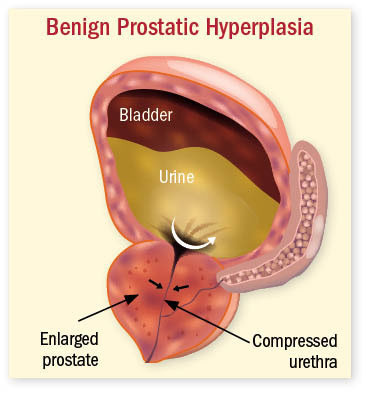
Steps to treating an enlarged prostate

As men age, they often experience a new kind of growth spurt, known as benign prostatic hyperplasia, or an enlarged prostate gland. The first line of treatment is lifestyle changes to help manage symptoms. These include maintaining a healthy weight, avoiding medications like antihistamines and decongestants, adopting a healthy diet, and limiting caffeine. If these are not helpful, then medication is prescribed. However, men who don’t respond to medication or have trouble taking it, can benefit from several types of minimally invasive surgeries.

Chronic inflammation and your joints

The immune system sometimes launches a chronic inflammatory response in certain joints. That leads to pain, stiffness, and joint damage known as inflammatory arthritis. It’s usually unknown what triggers the conditions. Types of inflammatory arthritis include rheumatoid arthritis, gout, and psoriatic arthritis. Treatments include medications, such as biologic or nonbiologic disease-modifying antirheumatic drugs (DMARDs), and lifestyle habits, such as exercising, avoiding processed foods, reducing stress, not smoking, and getting enough sleep. Wearing a splint or brace on affected joints and seeking physical therapy may also help ease pain.

Autoimmune conditions and heart disease

People with systemic inflammatory conditions such as rheumatoid arthritis, lupus, and psoriasis are more likely to have heart attacks and to die of cardiovascular disease than people in the general public. The 2019 expert guidelines for preventing heart disease says these conditions should be considered "risk enhancers" when estimating heart attack risk. But this added risk may be underrecognized and undertreated.

Fruit of the month: Stone fruits

Peaches, nectarines, apricots, peaches, plums, and cherries are considered stone fruits because they all contain large, hard seeds or pits. They’re all decent sources of fiber, vitamins A and C, and potassium.

A new way to take aspirin: Liquid-filled capsules

The FDA approved the first liquid-filled aspirin capsule, Vazalore, which will be marketed in standard and low-dose versions.

More clues about the healthiest carb choices

Diets that contain low-quality, highly refined carbohydrates (such as sugary drinks, candy, white rice, and foods made with white flour) have a high glycemic index and are linked to an increased risk of cardiovascular disease. Whole and minimally processed carbs that contain fiber and resistant starch (whole grains, legumes, nuts, and fruits and vegetables) have a lower glycemic index and are better for cardiovascular health.

COVID-19 and cardiovascular concerns: An evolving story

Physicians’ understanding of how a COVID-19 infection affects the heart is still evolving. More definitive answers require long-term, randomized clinical trials that control for different factors (including varied medical histories and medication use) to study how COVID-19—and possible therapies—affect people who have or are at risk for heart disease. Like other infectious organisms, SARS-CoV-2 (the virus that causes COVID-19) can increase the risk of blood clots and may damage the heart, but the danger is less common than initial reports suggested.

Advice about daily aspirin

The heart-protecting benefits of a daily low-dose aspirin have to be weighed against the risk of bleeding, a common side effect that is usually minor but sometimes serious. The calculation depends on age and whether a person has cardiovascular disease, diabetes, or a condition that raises risk of bleeding.

Free Healthbeat Signup

Get the latest in health news delivered to your inbox!

Sign Up
Harvard Health Publishing Logo

Thanks for visiting. Don't miss your FREE 32-page gift worth $29.95.

PLUS, don’t miss out on your 25% off promo code.

Sign up to get tips for living a healthy lifestyle—You’ll discover powerful, research- backed strategies for health longevity drawn from Harvard Medical School experts—ways to eat for a longer life, build strength and flexibility to stay independent, protect your bones, heart, and brain as you age, and even cultivate the habits linked with “super-agers” who stay sharp and active well into their 80s and 90s—all delivered to your email box FREE.

Harvard Health Publishing Logo

Stay on top of latest health news from Harvard Medical School.

Plus, get a FREE copy of Living Longer, Living Well!.

Harvard Health Publishing Logo

Stay on top of latest health news from Harvard Medical School.

Plus, get a FREE copy of Living Longer, Living Well.