

Fatty liver disease: Should you be tested?

Even a little exercise linked with lower stroke risk in people with afib

Testosterone therapy without evidence of deficiency may boost heart risk

Weight-loss drug may lower risk of heart attacks and infections

Migraine: How it's diagnosed and what that means

Tricep workouts you can do at home

Mindfulness practices to reduce stress and improve focus

Antihistamines may not offer meaningful relief from eczema symptoms

Overweight and taking blood pressure medications: Study finds it's a trend that's working

FDA approves first mRNA-based flu vaccine
Vitamins, minerals & supplements Archive
Articles

Diastolic blood pressure: Worth a second look?

Get savvy about sauces

Five a day for better health

Common questions about medical cannabis

American Heart Association issues statement on cardiovascular side effects from hormonal therapy for prostate cancer

What's causing the ringing sound in my ear?
A ringing sound in one or both ears is usually a form of an annoying condition called tinnitus. When tinnitus persists, treatment such as cognitive behavioral therapy, tinnitus retraining therapy or biofeedback, can ease symptoms.

Bleeding gums? You may need more vitamin C
In the journals
Bleeding gums are a sign of gingivitis, an early stage of periodontal disease, but they may also signal low vitamin C in your diet, suggests a study published online Feb. 1, 2021, by Nutrition Reviews. Researchers examined 15 published studies involving 1,140 healthy people as well as data on 8,210 people from the CDC's Health and Nutrition Examination Survey. They found that low vitamin C levels in the bloodstream were associated with an increased risk for gum bleeding with gentle probing. The researchers also observed that increasing vitamin C intake may help resolve the problem.
Increased bleeding in general is one of the symptoms of scurvy, a disease caused by severe vitamin C deficiency. Scurvy, which often affected 18th-century sailors without access to fruits and vegetables, is rare today. Still, this new study sheds light on a potential cause of gum bleeding related to vitamin C levels that are only slightly low — not enough to cause scurvy.
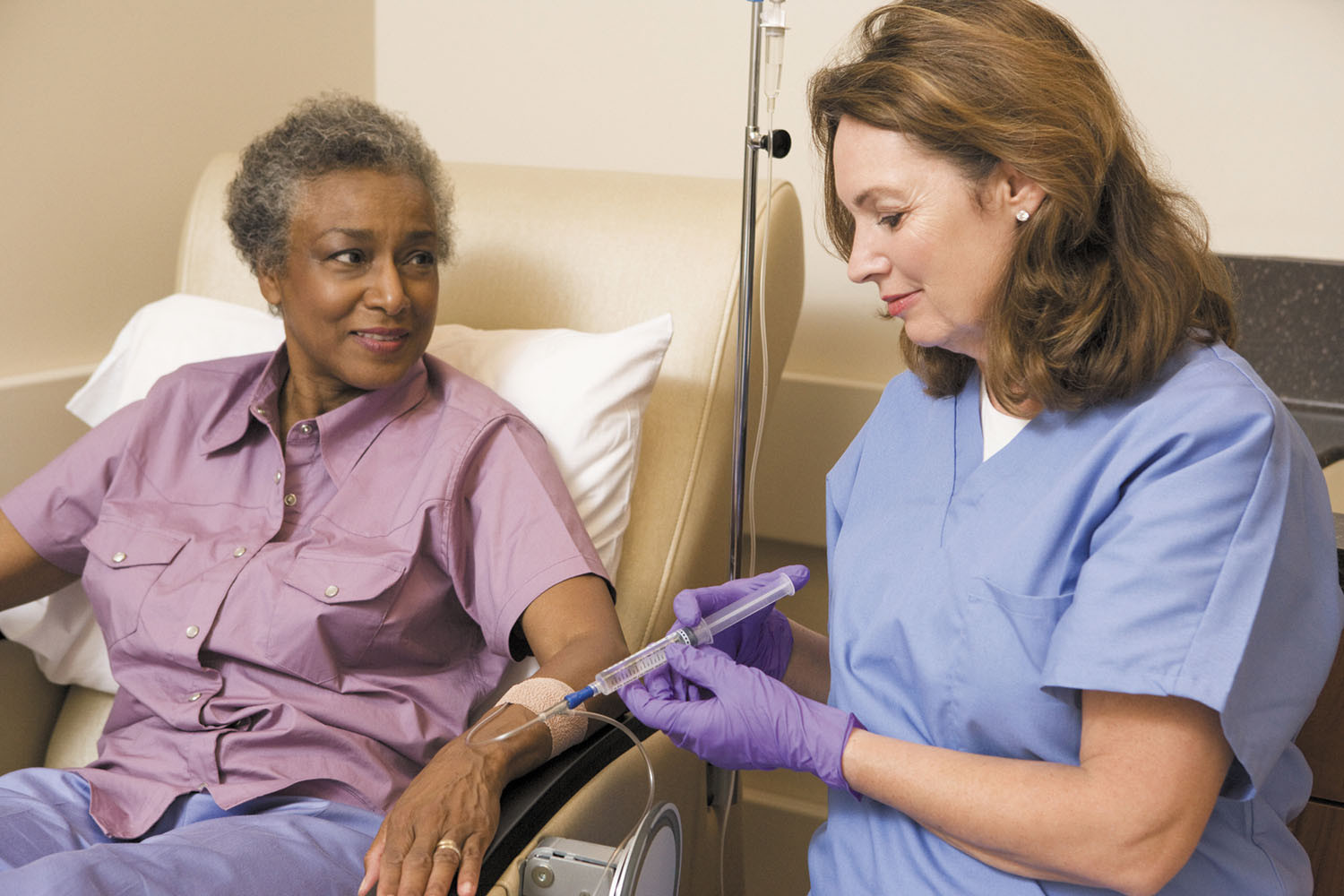
Cancer survivors: A higher risk of heart problems?
If you're among the nearly 17 million adults in this country who's had cancer, pay extra attention to your heart health.
Thanks to advances in early detection and treatment, people with cancer are living far longer than in past decades. But cancer survivors should be aware that cancer and its treatments can compromise cardiovascular health, according to a recent study from the CDC.
Researchers studied more than 840,000 adults, including about 69,000 cancer survivors, to see how much cancer "ages" the heart. They found that adult men treated for cancer had hearts that appeared to be 8.5 years older than their actual age, while the hearts of women who survived cancer appeared to be 6.5 years older.

Fruit of the month: Kiwifruit
The Chinese gooseberry — more commonly known as kiwifruit or simply kiwi — is a brown, fuzzy, egg-sized fruit with bright green flesh. You can sometimes find gold kiwis, which have yellow flesh, or kiwi berries, which are the size of a grape and have smooth, green skin. Sweet yet slightly tart, kiwi's flavor has been described as a cross between a strawberry and a banana with a hint of citrus.
One kiwi provides nearly all (about 80%) of an adult's daily vitamin C requirement. It's also a good source of fiber, potassium, and vitamin K.
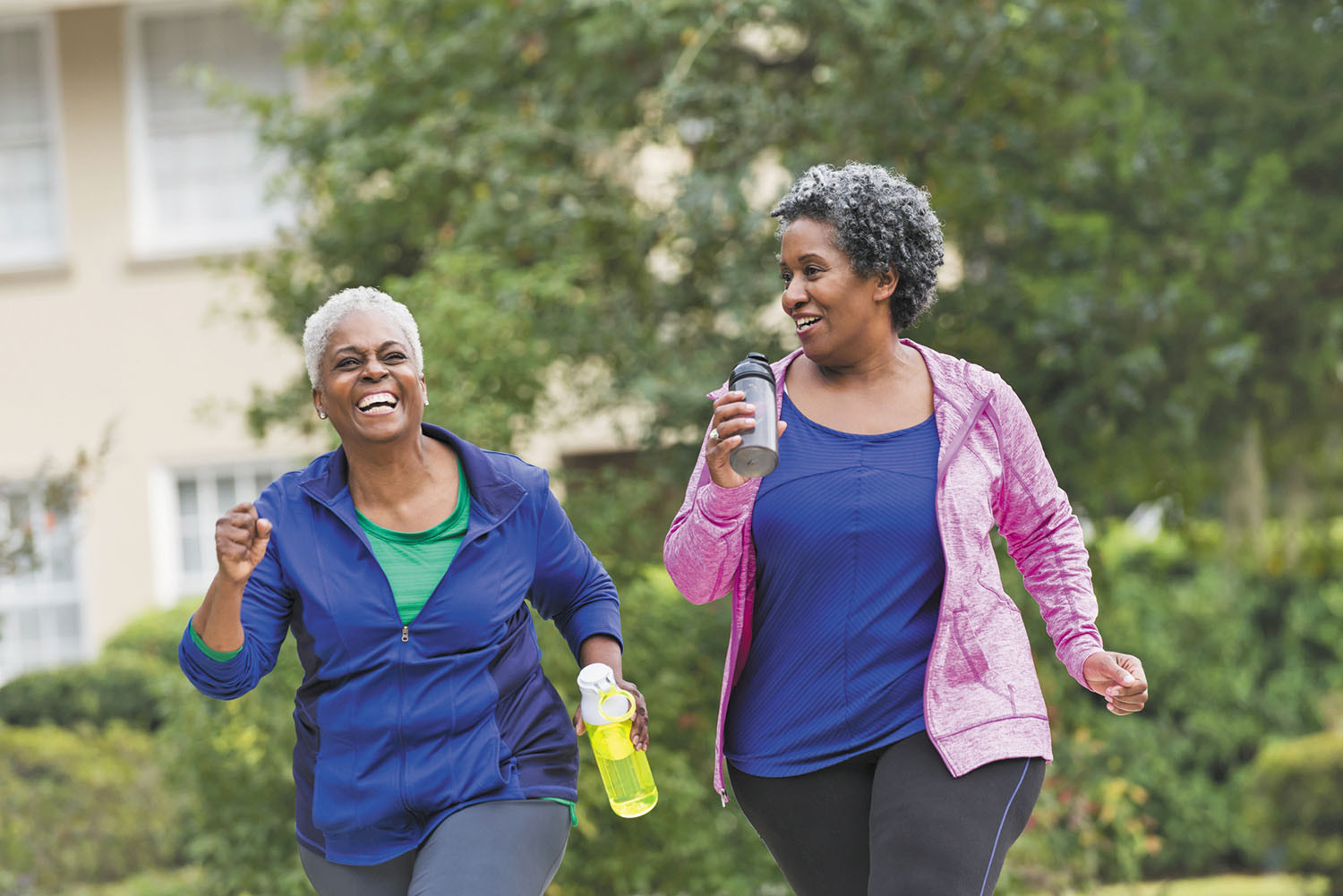
Optimize your exercise routine
Whether you're an exercise novice or a gym regular, these tips can help you get the most out of your workout.
When it comes to exercise, timing is everything — but not in the way we normally think about timing. What matters most is making the time to exercise regularly, not when it happens. That said, your personal experience and specific goals may influence what workout schedule works best for you.
"If you're just starting a physical activity routine, any time that you feel motivated and energized enough to exercise is the best time for you," says Dr. Beth Frates, clinical assistant professor of physical medicine and rehabilitation at Harvard Medical School. For some people, that's in the morning; for others, the afternoon works better. But if you can work out with a friend, choose a time that works best for both of you, she suggests. Teaming up with an exercise buddy is more enjoyable, and you can hold each other accountable.
Fatty liver disease: Should you be tested?
Even a little exercise linked with lower stroke risk in people with afib
Testosterone therapy without evidence of deficiency may boost heart risk
Weight-loss drug may lower risk of heart attacks and infections
Migraine: How it's diagnosed and what that means
Tricep workouts you can do at home
Mindfulness practices to reduce stress and improve focus
Antihistamines may not offer meaningful relief from eczema symptoms
Overweight and taking blood pressure medications: Study finds it's a trend that's working
FDA approves first mRNA-based flu vaccine
Free Healthbeat Signup
Get the latest in health news delivered to your inbox!
Sign Up
