

Even a little exercise linked with lower stroke risk in people with afib

Testosterone therapy without evidence of deficiency may boost heart risk

Weight-loss drug may lower risk of heart attacks and infections

What to eat on the DASH diet

Migraine: How it's diagnosed and what that means

Tricep workouts you can do at home

Mindfulness practices to reduce stress and improve focus

Antihistamines may not offer meaningful relief from eczema symptoms

Overweight and taking blood pressure medications: Study finds it's a trend that's working

FDA approves first mRNA-based flu vaccine
Vitamins, minerals & supplements Archive
Articles

This is your brain on alcohol
It's no secret that alcohol affects our brains. Although excessive drinking is linked to an increased risk of dementia, decades of observational studies have indicated that moderate drinking has few ill effects. However, a recent British study seems to have bad news for moderate drinkers.
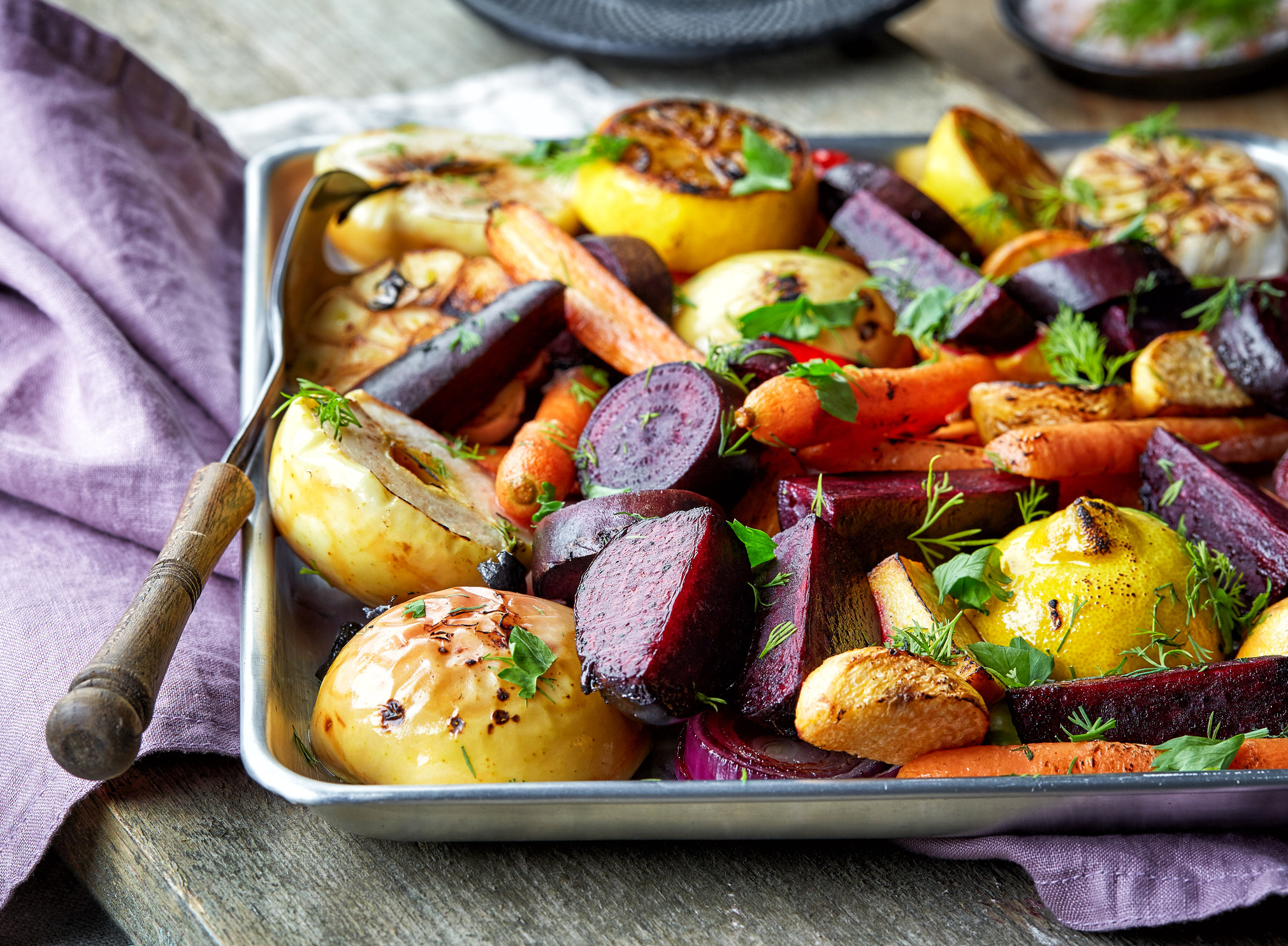

Learn the risks of sleep aids
Some of these prescription medications are linked to daytime sleepiness, a risk of falls, and more.
Image: © mokee81/Thinkstock
Millions of Americans rely on prescription sleep medications, called sedative hypnotics, to fall asleep. While the drugs can help people get a decent night's rest, they are not designed for long-term use. "Each of the pills has its own risks," says sleep expert Dr. Lawrence Epstein, an instructor in medicine at Harvard Medical School.
Types of sleep aids
Sedative hypnotics fall into three categories.
Melatonin-receptor agonists such as ramelteon (Rozerem) leave the body quickly. They target melatonin receptors in the brain and are not thought to be habit-forming.
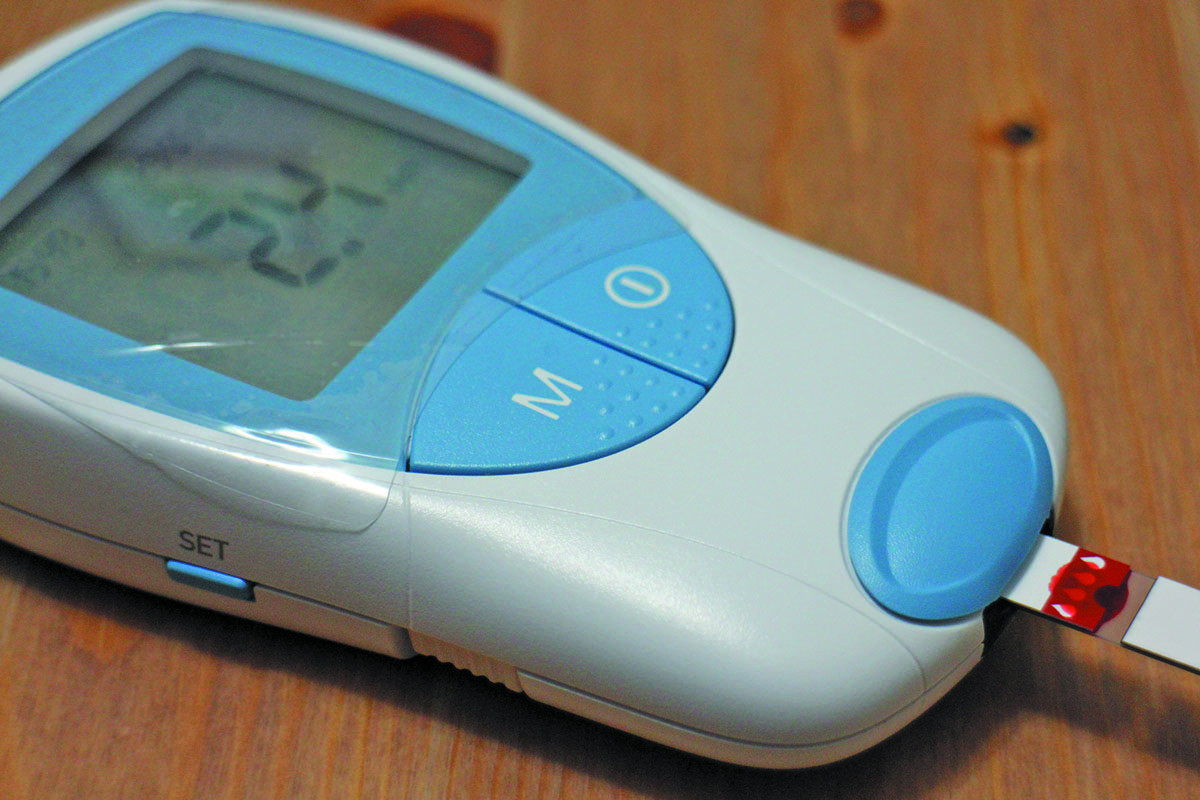
Clot prevention with a mechanical heart valve
Ask the doctor
Image: © Hailshadow/Thinkstock
Q. I have a mechanical heart valve, so I'm taking warfarin. But the frequent blood tests and occasional dose changes are bothersome. When, if ever, will I be able to take one of the new blood thinners instead of warfarin? Off-label use of other drugs is not uncommon. Why isn't that an option in this case?
A. Your question is a good one, and it requires a two-part answer. When doctors prescribe drugs "off-label," that means they believe the drug will help you, even if it has not been FDA-approved specifically for your condition. Sometimes, subsequent research provides strong evidence to support a specific off-label use, which may lead to the drug's FDA approval for that condition. But sometimes, research shows the exact opposite: a medication that doctors assumed would be beneficial is, in fact, not helpful — and sometimes even harmful.

Rethinking good cholesterol
A high HDL cholesterol level may not be as beneficial as once believed.
Image: © JFalcetti/Thinkstock
If you're hoping to avoid heart disease, you probably keep tabs on your blood cholesterol values — especially your low-density lipoprotein (LDL), or "bad" cholesterol. Too much LDL in the bloodstream helps to create the plaque that accumulates inside arteries, raising the risk of a heart attack. The lower your LDL, the lower your risk of having a heart attack.
In contrast, high-density lipoprotein (HDL) has long been known as the "good" cholesterol. These particles are known to patrol blood vessels, grabbing cholesterol from both the bloodstream and artery walls and ferrying it to the liver for recycling and disposal. In population-based studies, people with high HDL levels tend to have fewer heart attacks, while those with lower HDL values have more.

No heart benefit from multivitamins, even if you have a lousy diet
Research we're watching
Image: © namenko/Thinkstock
Do you swallow a daily multivitamin, hoping to make up for a less-than-ideal diet? Sorry, but this strategy won't stave off heart disease, according to a study published online April 5, 2017, by JAMA Cardiology.
Previous research has also failed to find convincing evidence that a daily multivitamin lowers the risk of heart disease or cancer. But these studies didn't always account for the participant's dietary habits, which could potentially skew the results. In theory, people with poor diets might reap greater benefits from vitamins than those who eat healthier diets.

Statin side effects: Is the power of suggestion at play?
Research we're watching
People in drug studies sometimes experience positive effects even when they take inactive, fake pills (the so-called placebo effect). But sometimes, they experience negative effects from the fake drug — a phenomenon known as the nocebo effect. A new study suggests that the nocebo effect may explain some of the muscle pain and weakness reported by people who take cholesterol-lowering statins.
The study, in the May 2, 2017, Lancet, involved more than 10,000 people randomly assigned to take a statin or a placebo. The study was "double blind," meaning neither the participants nor the researchers knew who was taking statins. After about three years, the statin proved effective, and all the participants were offered the choice of taking the drug. Most of them continued in this "unblinded" study for an additional two years, and 65% opted to take the statin.

How steak and eggs may increase heart attack risk
Image: © gbh007/Thinkstock
New research may help explain why diets rich in animal-based foods are linked to a higher risk of heart attack.
The average American diet contains about 300 milligrams per day of choline, a nutrient found in meat, eggs, and milk. Earlier research found that when gut bacteria feed on choline, they make a compound called TMA. In the liver, TMA is converted to TMAO — a compound closely tied to heart disease risk.
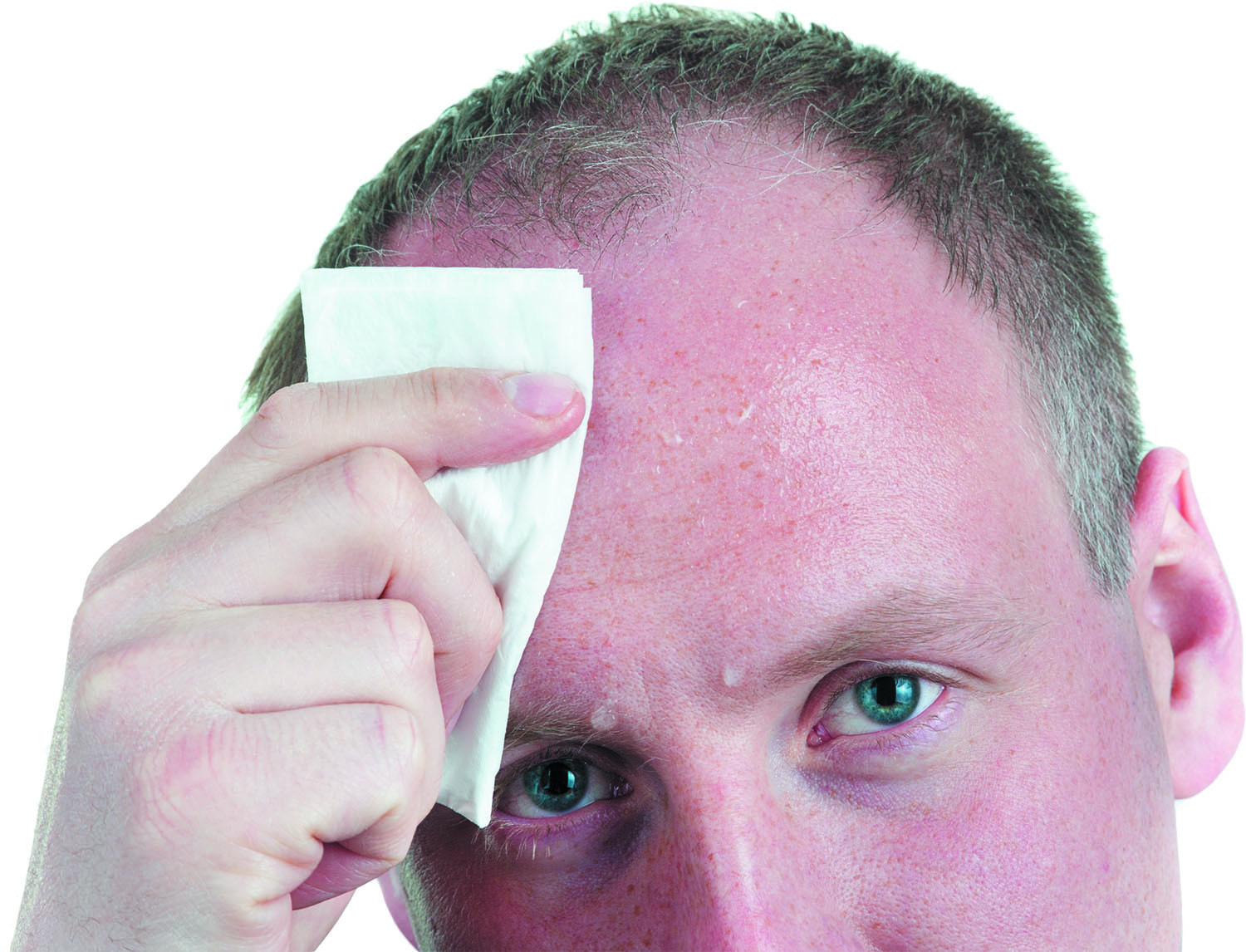
When is heavy sweating a problem?
On call
Image: © EunikaSopotnicka/Thinkstock
Q. I've noticed recently that I sweat excessively, regardless of the temperature. Should I be concerned?
A. Your genes can determine whether you sweat a lot, but a sudden change in your regular sweating may suggest an underlying condition. Sweating is regulated by your nervous system and can be triggered by a number of causes. The primary signal for perspiration originates in the brain in response to a temperature-related or emotional cue, and then is carried by the autonomic nervous system to the sweat glands in the skin.
Are there any benefits to exercising on an empty stomach?
On call
Q. I have heard that exercising on an empty stomach burns more fat and at a faster rate. Is this true?
A. When the body is in a fasting state, several backup mechanisms ensure your muscles and brain get the necessary sugar for fuel. During exercise, after your body's sugar stores are exhausted, the body then taps into stored fat and turns that into sugar or turns protein from muscle into sugar. This has led to the hypothesis that exercising when the body is already "sugar starved" will lead to more rapid fat burning.
Even a little exercise linked with lower stroke risk in people with afib
Testosterone therapy without evidence of deficiency may boost heart risk
Weight-loss drug may lower risk of heart attacks and infections
What to eat on the DASH diet
Migraine: How it's diagnosed and what that means
Tricep workouts you can do at home
Mindfulness practices to reduce stress and improve focus
Antihistamines may not offer meaningful relief from eczema symptoms
Overweight and taking blood pressure medications: Study finds it's a trend that's working
FDA approves first mRNA-based flu vaccine
Free Healthbeat Signup
Get the latest in health news delivered to your inbox!
Sign Up
