

Even a little exercise linked with lower stroke risk in people with afib

Testosterone therapy without evidence of deficiency may boost heart risk

Weight-loss drug may lower risk of heart attacks and infections

What to eat on the DASH diet

Migraine: How it's diagnosed and what that means

Tricep workouts you can do at home

Mindfulness practices to reduce stress and improve focus

Antihistamines may not offer meaningful relief from eczema symptoms

Overweight and taking blood pressure medications: Study finds it's a trend that's working

FDA approves first mRNA-based flu vaccine
Vitamins, minerals & supplements Archive
Articles
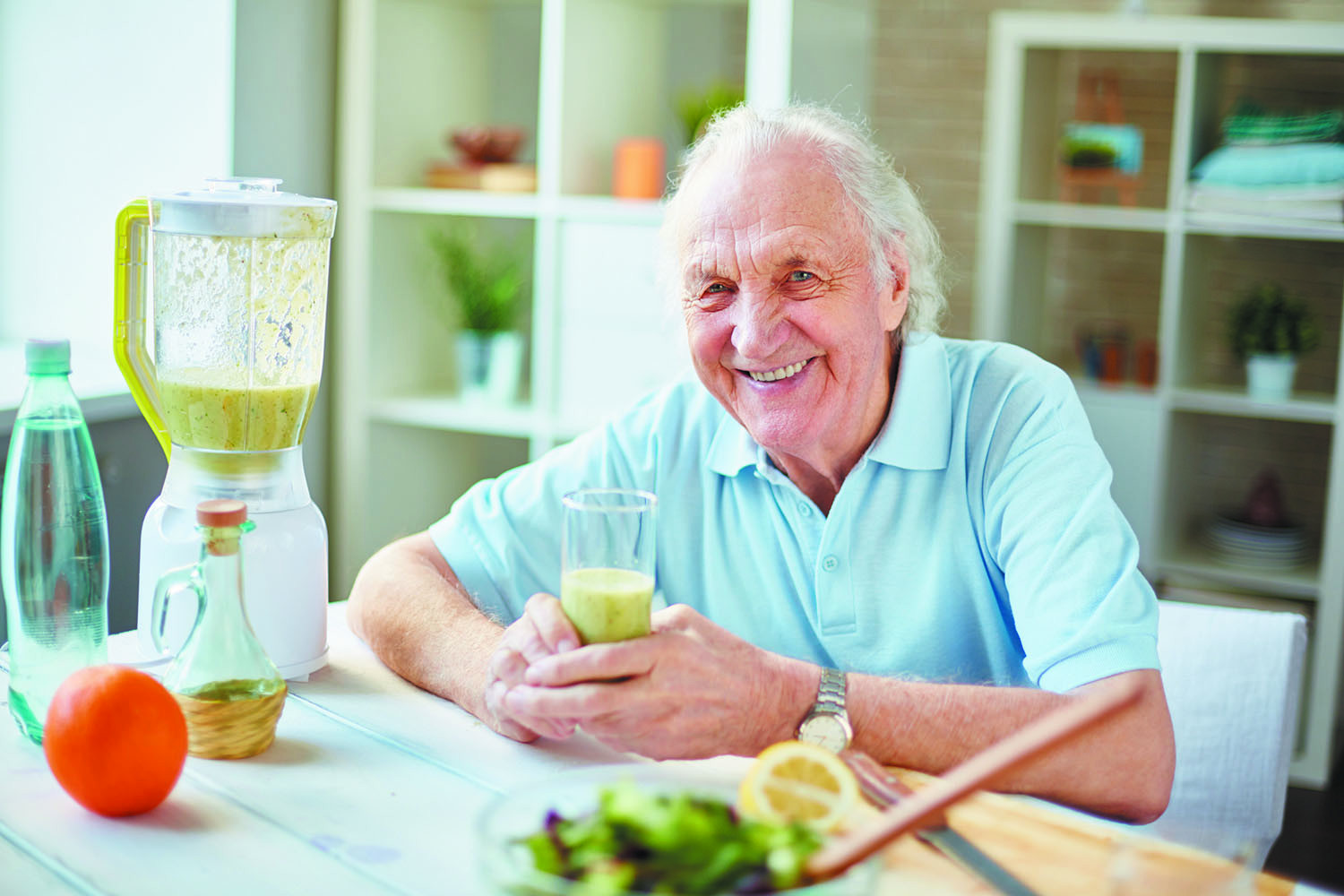
Counting on fewer calories
Can curbing your usual daily calorie intake by 10% improve health and longevity?
Image: © shironosov/Thinkstock
There is a saying: "The less you eat, the longer you live." The rising rates of obesity have shown that Americans consume more than necessary, and cutting back on calories may be a smart move.
"People naturally gain about a pound a year, on average, beginning in middle age, so healthy weight needs to be a goal for older men," says Vasanti Malik, a research scientist in the Department of Nutrition at Harvard's T.H. Chan School of Public Health. "That is why being mindful of how many calories you really need — and perhaps cutting back some, an approach called calorie restriction — may help some men stay healthy and maybe even live longer."

Can I use red yeast rice instead of a statin to lower my cholesterol?
Ask the doctors
Q. My bad cholesterol has been rising, and my doctor suggested that I start taking a statin. I've read that red yeast rice has many of the cholesterol-lowering benefits of a statin, and I would rather go the natural route. However, I recently heard on a newscast that red yeast rice can have adverse effects on the kidneys. Is it still safe for me to take this supplement?
A. It's true that red yeast rice, which contains monacolin K, a chemical that's identical to the active ingredient in the cholesterol-lowering drug lovastatin (Mevacor), may reduce your LDL (bad) cholesterol and lower your total cholesterol. However, an independent analysis of a dozen 600-milligram (mg) capsules of red yeast rice products conducted a few years ago found that the actual monacolin K content varied widely — from 0.1 mg to 10.9 mg. (The lowest dose of lovastatin is 20 mg.) In addition, one-third of the products were contaminated with a potentially toxic compound called citrinin, which can damage the kidneys. The Food and Drug Administration (FDA) has blocked the sale of red yeast rice supplements that contain enough of the active ingredient to make them as effective as lovastatin because they haven't undergone the drug approval process. Unlike FDA-approved drugs, supplements can be sold without proof of effectiveness and purity.
No need to shun gluten if you don’t have celiac disease, study suggests
Research we're watching
Gluten, a storage protein in wheat, rye, and barley, triggers inflammation and intestinal damage in people with celiac disease. Due to concern that gluten may also increase the risk of obesity, diabetes, and cardiovascular disease among healthy people, the number of people without celiac disease who have adopted a gluten-free diet grew more than threefold from 2009 to 2014.
A team led by researchers from Harvard T.H. Chan School of Public Health used 20 to 30 years of data from the 64,714 women in the Nurses' Health Study and the 45,305 men in the Health Professionals Follow-up Study to examine the relationship of dietary gluten to the risk of chronic conditions such as coronary artery disease in people without celiac disease or heart disease. All the participants had completed questionnaires on their diet and health every four years from 1986 through 2010.
Antibiotic use linked to increased risk of precancerous colon polyps
Research we're watching
Recent evidence suggests that antibiotics, which affect the makeup of intestinal bacteria, might be associated with an increased risk of colorectal cancer. A team led by researchers from Harvard Medical School wanted to see if antibiotic use is also associated with adenomatous polyps, precursors of colon cancer that significantly increase the risk of developing the disease.
The team analyzed data from 16,642 women ages 60 or older participating in the Nurses' Health Study. They first looked at participants' antibiotic use from ages 20 through 59 and in the most recent four years. They also checked the results with the women's colonoscopies and found 1,195 cases of adenomatous polyps.

Safe injection sites and reducing the stigma of addiction
The scope of the opioid crisis in the US has led some communities to revise their view of substance use disorders. One idea is creating supervised injection facilities that would provide a safe environment and make treatment resources available.

A quick-start guide to the latest food terminology
New phrases showing up on packaging don't always tell you if the food is better for your health.
Image: © Jupiterimages/Thinkstock
You're not alone if you don't know the meaning of certain terms on food labels lately. A new language has developed to describe healthy ways to produce meat, vegetables, fruit, and other products in the grocery store. "It's not just the terms that are confusing, but also various associated health claims," says Vasanti Malik, a nutrition researcher at the Harvard T.H. Chan School of Public Health.
Organic vs. natural
Some food is labeled "organic" or "natural." What's the difference? The FDA doesn't have a definition for "natural," although it doesn't object to the term if a food does not contain added color, artificial flavors, or synthetic substances.
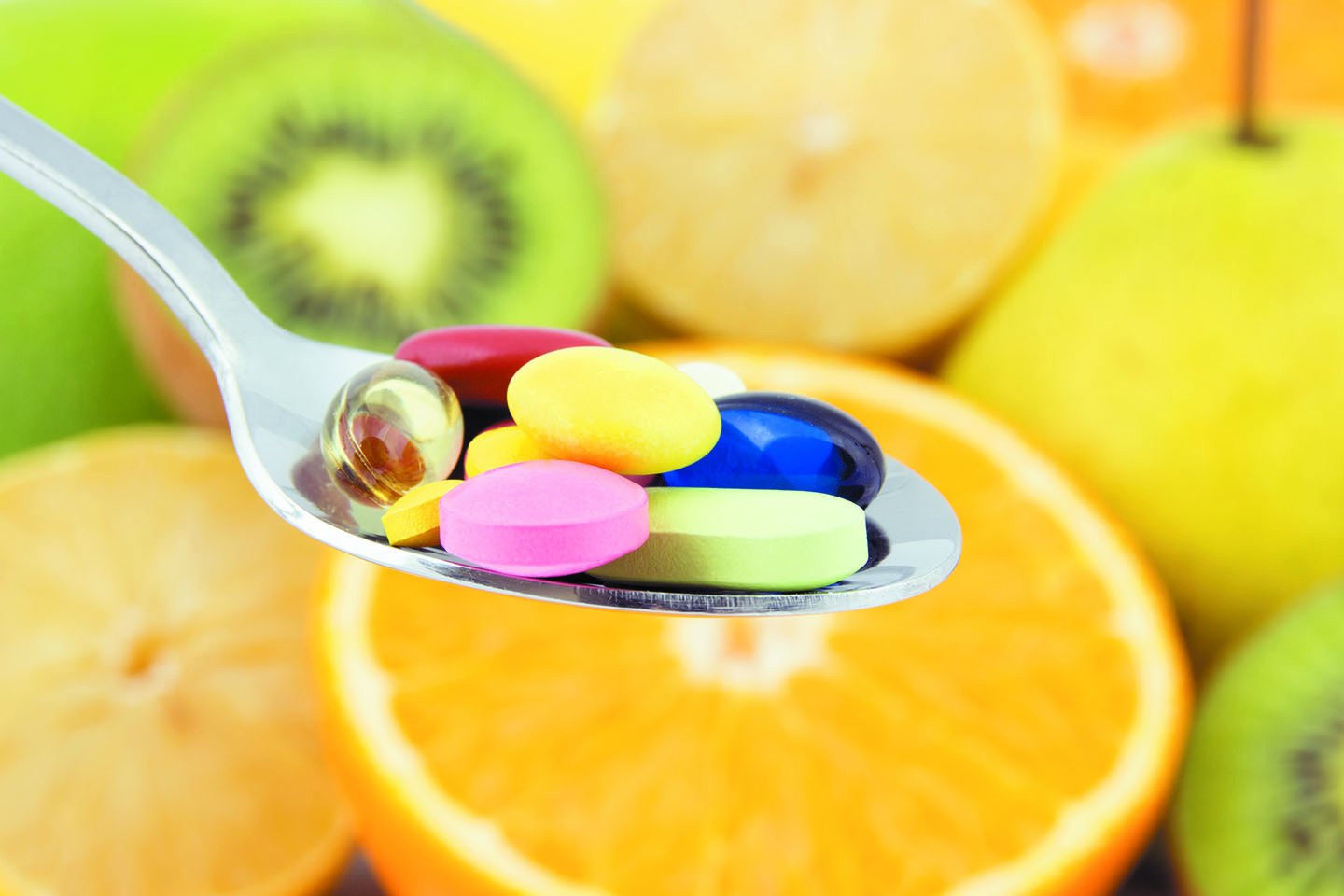
Is your diet interfering with your medication regimen?
Some aspects of diet may diminish or heighten the effect of prescription drugs or cause harmful side effects.
Image: © Ralf Nau/Thinkstock
You take your pills on time each day and get your prescriptions refilled before they run out. But all that hard work to stick to your medication plan can be scuttled if your diet is undermining the drugs' effects. "I see a lot of people who don't believe in the importance of following dietary recommendations for medications. That's a concern," says Dr. Randall Zusman, a cardiologist and Harvard Medical School associate professor.
Dietary risks
The following foods, drinks, or ingredients can interfere with specific drugs.

Avoid this medication combo, warn researchers
News briefs
Image: © BackyardProduction/Thinkstock
In March, we reported that long-term use of a class of prescription painkillers known as opioids, such as oxycodone (Oxycontin), comes with the risk of dependence, addiction, falls, and even death. Now, a study published March 14, 2017, in The BMJ finds that opioid users who also take a benzodiazepine — such as alprazolam (Xanax) — for sleep or anxiety are more likely to end up in an emergency room. Researchers made the connection after looking at a sample of more than 300,000 privately insured adults (ages 18 to 64) over a 12-year period. People who were prescribed both types of drugs had twice the risk of ending up in a hospital as did people who used opioids only.
The study is observational and does not prove that using both medications increases overdose risk. However, the authors say we already know that about 30% of deadly opioid overdoses involve benzodiazepines in some way. Researchers suggest that opioids should be prescribed cautiously — even if only for a short-term course — among people who are also using benzodiazepines.
Even a little exercise linked with lower stroke risk in people with afib
Testosterone therapy without evidence of deficiency may boost heart risk
Weight-loss drug may lower risk of heart attacks and infections
What to eat on the DASH diet
Migraine: How it's diagnosed and what that means
Tricep workouts you can do at home
Mindfulness practices to reduce stress and improve focus
Antihistamines may not offer meaningful relief from eczema symptoms
Overweight and taking blood pressure medications: Study finds it's a trend that's working
FDA approves first mRNA-based flu vaccine
Free Healthbeat Signup
Get the latest in health news delivered to your inbox!
Sign Up
