

Even a little exercise linked with lower stroke risk in people with afib

Testosterone therapy without evidence of deficiency may boost heart risk

Weight-loss drug may lower risk of heart attacks and infections

What to eat on the DASH diet

Migraine: How it's diagnosed and what that means

Tricep workouts you can do at home

Mindfulness practices to reduce stress and improve focus

Antihistamines may not offer meaningful relief from eczema symptoms

Overweight and taking blood pressure medications: Study finds it's a trend that's working

FDA approves first mRNA-based flu vaccine
Vitamins, minerals & supplements Archive
Articles

Power up your diet with plant-based meals
Opting for more vegetables and plant-based proteins is a new trend that's long been healthy.
Image: © Derkien/Thinkstock
Plant-based meals aren't just for vegetarians anymore. International food consultants Baum and Whiteman named vegetables and plant-based proteins two of the hottest restaurant trends for 2017. That's no surprise to Harvard dietitians. "There are many reasons why people are eating more plant-based meals," says registered dietitian Kathy McManus, director of the Department of Nutrition at Harvard-affiliated Brigham and Women's Hospital. "Part of it is about health, and part of it is about eating more environmentally sustainable meals."
Veg-centric meals
One of the trends is the "vegetable forward" or "veg-centric" movement. It's taken average vegetables and elevated them into creative entrées and side dishes. This cuisine focuses on roasting, layering, caramelizing, and grilling vegetables to give them bold flavors and appeal. You might find restaurants offering caramelized cauliflower with balsamic breadcrumbs, roasted parsnips with pistachio and lemon, or bitter greens and crispy yams. In some cases, the dishes are accompanied by chunks of animal protein (meat, poultry, or fish) that complement the meal but don't dominate it, similar to a Mediterranean-style diet.

Study ties Mediterranean diet to larger brain volume
News briefs
Image: © Francisco Arara/Thinkstock
Can eating a Mediterranean diet help you hold on to more brain cells in older age? A study published online Jan. 4, 2017, by Neurology suggests there's an association. Scientists measured the brain volumes of about 400 dementia-free people, taken when participants were age 73 and again at age 76. Researchers then compared the changes in brain volume over the three years to questionnaire answers about how well participants stuck to a Mediterranean-style diet. The diet includes lots of fruits, vegetables, olive oil, legumes, and whole grains; moderate amounts of fish, dairy foods, and red wine; and limited amounts of red meat and poultry.
Sticking to the diet was associated with a lower amount of total brain shrinkage over the three-year study period. The finding is only observational and doesn't prove that eating a Mediterranean diet slows age-related brain shrinkage. But other studies have linked eating a Mediterranean diet to larger brain volumes. The diet is also associated with better thinking skills, a reduced risk of Parkinson's disease and Alzheimer's disease, and a reduced risk of dying from heart disease or cancer.
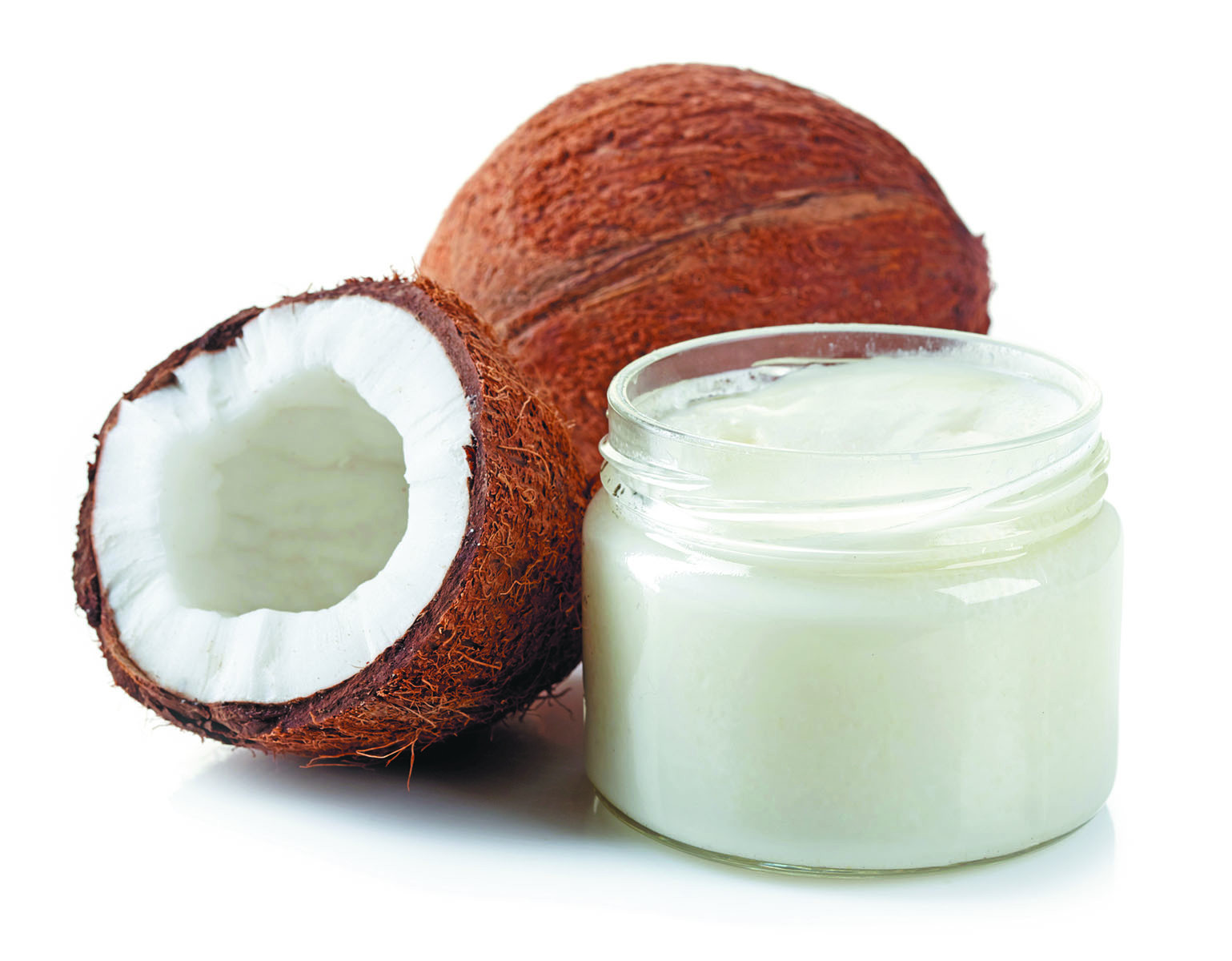
Cracking the coconut craze
Are oils and other products made from this tropical fruit a healthy choice?
Image: © Magone/Thinkstock
Recently, a Harvard Heart Letter reader emailed us a question about coconut oil, a solid white fat that's been touted as a health food, specifically for the heart. Lately, more coconut-based products, including spreads and beverages, are showing up on grocery store shelves, along with jars of coconut oil. But this reader isn't buying it. "I cannot imagine that a food with so much saturated fat could be healthful. What is the latest scientific information regarding coconut oil?" he wrote.
Extracted from white "meat" inside the brown, hard-shelled fruit of the coconut palm, coconut oil is indeed chock-full of saturated fat. In fact, it's about 90% saturated fat, a much higher proportion than butter (64%) or lard (40%). Too much saturated fat in the diet raises harmful LDL cholesterol, which increases the risk of heart disease. But what else do we know about the health effects of this tropical fruit?

Nordic diet linked to lower stroke risk
Research we're watching
Following a Nordic diet — which features fish, whole grains, plus fruits and vegetables popular in Scandinavian countries — may help lower the risk of stroke, a new study suggests.
The study, published in the February 2017 issue of Stroke, included more than 55,000 Danish people from a national health registry, all of whom filled out questionnaires about their diets and other lifestyle habits. Researchers looked at how closely the participants followed the Healthy Nordic Food Index, which includes six food categories: fish, apples and pears, root vegetables (such as carrots and celery root), cabbages (which also include broccoli, cauliflower, kale, and Brussels sprouts), rye bread, and oatmeal.

Supplements used as statin alternatives pose safety issues
Research we're watching
Dietary supplements made from red yeast rice contain substances called monacolins, which are similar to the active ingredient in cholesterol-lowering statin drugs. And like statins, red yeast rice products may cause rare but serious side effects, such as muscle injury and liver damage, as noted in a study published online January 19, 2017, by the British Journal of Pharmacology.
The study, based on a review of 13 years of patient data by Italian researchers, notes that people who can't tolerate statins often take red yeast rice supplements. But there are no studies testing the safety of red yeast rice compared with statins. In the United States, the FDA considers red yeast rice products that contain more than trace amounts of monacolins to be unapproved new drugs and therefore illegal to sell. Yet dozens of these unregulated products remain on the market.
The new state of statins
Almost one-third of older adults take statins to help lower cholesterol levels, but new guidelines and research have restarted the conversation on the role statins play in your health.
Image: © rogerashford/Thinkstock
Since they were introduced two decades ago, statins have been touted as a driving force in helping many older men reduce their risk of heart attack and stroke.
New research even suggests these drugs might treat other conditions, like Alzheimer's disease, and lower your risk of death from cancer (see "Other statin uses?").
More green, less red
Studies promote the many health benefits of a vegetarian diet, but you don't need to go full veggie to reap the rewards.
Most men recognize the value of a vegetarian diet, but following one can feel daunting. "Men's diets tend not to change much as they age, and they stick with their favorite foods," says Dr. Qi Sun, an assistant professor in the Department of Nutrition at the Harvard T.H. Chan School of Public Health. "A change to vegetarianism can feel overwhelming and confusing and thus may not be sustainable."
A solution is to become a "semi-vegetarian": adopt a plant-based diet in which you cut out the red and processed meat and eat healthier animal products like seafood and poultry only occasionally.

The lowdown on constipation
Don't take constipation sitting down. Lifestyle changes can help you find relief.
Image: © rimglow; © Martin Poole; © sarahdoow; © ValentynVolkov/Thinkstock
Constipation may be unpleasant and embarrassing, but it should never be ignored. About one-third of adults ages 60 and older report at least occasional constipation, which can leave them feeling bloated, uncomfortable, and sluggish.
"It's an incredibly common problem, especially among older men, but it's important to address and manage, as it can affect your nutrition and quality of life," says Dr. Judy Nee, a gastroenterologist with Harvard-affiliated Beth Israel Deaconess Medical Center.
Can implantable hormone pellets prevent bone loss?
Ask the doctor
Q. I've heard that bioidentical hormone pellets injected near the hip are more effective than bone-building drugs in stopping bone loss and preventing hip fracture. Is this true?
A. The FDA hasn't approved hormone pellets for preventing or treating bone loss. Moreover, there are no randomized controlled trials on record, so we don't know whether hormone pellets are more effective — or even as effective — as the FDA-approved medical therapies. Finally, there aren't any published reports explaining how the hormones are metabolized in the body or the side effects they may have.
Anti-inflammatory diet could reduce risk of bone loss in women
Research we're watching
Because several studies have connected inflammation to bone loss and fractures, researchers from Ohio State University wondered if dietary choices that contribute to inflammation are also related to declines in bone density.
The team looked at the diets of 160,191 postmenopausal women enrolled in the Women's Health Initiative and assigned each of them a dietary inflammation score based on 32 foods the women reported consuming in the three months prior to their enrollment. All the women completed dietary questionnaires and had scans to measure bone density at the beginning of the study and three and six years later.
Even a little exercise linked with lower stroke risk in people with afib
Testosterone therapy without evidence of deficiency may boost heart risk
Weight-loss drug may lower risk of heart attacks and infections
What to eat on the DASH diet
Migraine: How it's diagnosed and what that means
Tricep workouts you can do at home
Mindfulness practices to reduce stress and improve focus
Antihistamines may not offer meaningful relief from eczema symptoms
Overweight and taking blood pressure medications: Study finds it's a trend that's working
FDA approves first mRNA-based flu vaccine
Free Healthbeat Signup
Get the latest in health news delivered to your inbox!
Sign Up
