

Even a little exercise linked with lower stroke risk in people with afib

Testosterone therapy without evidence of deficiency may boost heart risk

Weight-loss drug may lower risk of heart attacks and infections

What to eat on the DASH diet

Migraine: How it's diagnosed and what that means

Tricep workouts you can do at home

Mindfulness practices to reduce stress and improve focus

Antihistamines may not offer meaningful relief from eczema symptoms

Overweight and taking blood pressure medications: Study finds it's a trend that's working

FDA approves first mRNA-based flu vaccine
Vitamins, minerals & supplements Archive
Articles

Long-term use of opioids may depend on the doctor who prescribes them
Some doctors are more likely to prescribe opioids to their patients, and those patients are more likely to end up taking them long-term. It's crucial for consumers to educate themselves about the risks of taking opiates, and to consider alternatives if possible.




Short circuit migraines before they start
Author and migraine sufferer Joan Didion once wrote, "That no one dies of migraine seems, to someone deep into an attack, an ambiguous blessing." At that time, migraines weren't something that could be prevented. Today, that's a possibility for some people who have severe migraines, frequent migraines (more than three or four times a month), or migraines that don't respond well to treatment.
The cornerstone of migraine prevention is managing triggers like stress or certain foods or strong perfumes. Alternative and complementary therapies (like acupuncture) help some migraine sufferers keep headaches at bay.

What you can learn from wellderlies
Some people live long lives with no disease or serious illness. What can they teach you about healthy living?
Image: Creatas | Thinkstock /Thinkstock
You won't live forever, but it may be possible to live a long and maybe disease-free life by following the lead of "wellderlies."
This is a term to describe a special group of people who have reached ages 90 to 100 without having any major health issue or disease. And if they do get sick, it often happens late in their life and a short period before death.
Ask the doctor: Should I continue aspirin therapy if I do not have heart problems?
Aspirin therapy can help prevent a second heart attack and stroke, but for otherwise healthy older men, its use depends on their 10-year risk for a heart attack or stroke as determined by their doctor.

Get cooking at home
Sharpening your culinary skills (or developing new ones) can improve your diet, nutrition, and social life.
Image: gpointstudio/iStock
We tend to cook less as we age. Why cook when you can zap something in the microwave, pour something ready-to-eat into a bowl, or speed-dial for takeout? But this quick-eating trend has made many men adopt diets that put them at risk for weight gain, heart disease, and diabetes.
"Many older men have never developed or have lost touch with kitchen skills, and thus have become too dependent on processed and prepared foods," says Dr. David Eisenberg, of the Department of Nutrition at the Harvard T.H. Chan School of Public Health.
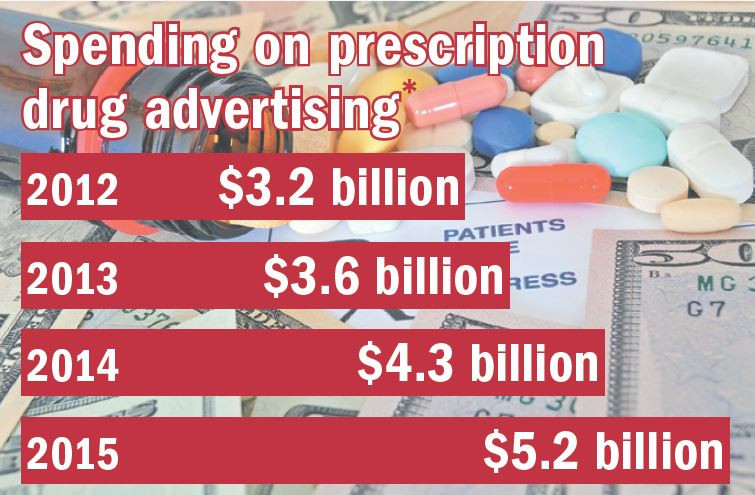
Do not get sold on drug advertising
Prescription drug ads are a multibillion-dollar industry that promotes treatments you may or may not need. Here's how to use that information to your advantage.
Ads for prescription drugs are everywhere. You can't watch a sporting event without seeing an ad touting a treatment for erectile dysfunction, high cholesterol, high blood pressure, or joint pain.
Drug marketing is a big business, and companies are willing to spend a lot of money to offer you an easy solution to a health problem you may or may not have. From 2012 to 2015, yearly spending on prescription drug advertising in all media outlets (except digital) rose from $3.2 billion to $5.2 billion, and that figure is expected to only go up.

What is in a food label? You may be surprised
Terms like "healthy" or "natural" can be meaningless or misleading.
Image: Dragon Images/iStock
If you're like most nutrition-minded shoppers, the word "healthy" on the front of a package can be a big draw. "When you're stuck in a situation where processed foods are the only thing available to you, it can be helpful to know which foods are healthier than others," says Dr. Walter Willett, chair of the Department of Nutrition at the Harvard T.H. Chan School of Public Health.
Yet these days you're on shaky nutritional ground if you rely on front-of-package claims like "healthy" to determine which soup, sauce, cereal—or other canned, bottled, boxed, or bagged food—is the best choice. A food marked "healthy" may be loaded with sugar or refined carbohydrates.
Even a little exercise linked with lower stroke risk in people with afib
Testosterone therapy without evidence of deficiency may boost heart risk
Weight-loss drug may lower risk of heart attacks and infections
What to eat on the DASH diet
Migraine: How it's diagnosed and what that means
Tricep workouts you can do at home
Mindfulness practices to reduce stress and improve focus
Antihistamines may not offer meaningful relief from eczema symptoms
Overweight and taking blood pressure medications: Study finds it's a trend that's working
FDA approves first mRNA-based flu vaccine
Free Healthbeat Signup
Get the latest in health news delivered to your inbox!
Sign Up
