

Even a little exercise linked with lower stroke risk in people with afib

Testosterone therapy without evidence of deficiency may boost heart risk

Weight-loss drug may lower risk of heart attacks and infections

What to eat on the DASH diet

Migraine: How it's diagnosed and what that means

Tricep workouts you can do at home

Mindfulness practices to reduce stress and improve focus

Antihistamines may not offer meaningful relief from eczema symptoms

Overweight and taking blood pressure medications: Study finds it's a trend that's working

FDA approves first mRNA-based flu vaccine
Vitamins, minerals & supplements Archive
Articles

Any benefits to intermittent fasting diets?
Ask the doctor
Image: bopa/Thinkstock
Q. I have read about diets that involve fasting for one day, followed by normal eating for the rest of the week. Are there any benefits to this kind of diet??
A. Most diets achieve weight loss through the same equation—a reduction in total daily calories consumed in relation to the calories needed to maintain your weight.

Don’t tolerate food intolerance
Here's what to do when certain foods disagree with you.
Image: ChesiireCat/Thinkstock
You probably remember an occasion when you ate something that did not agree with you. But if your stomach issues have become severe and frequent, you might have a food intolerance.
"Food intolerances puzzle many older men, since foods they long enjoyed suddenly give them problems," says Evagelia Georgakilas, a registered dietitian and nutritionist with Harvard-affiliated Beth Israel Deaconess Medical Center. "They might tough it out and suffer in silence, but by identifying the problem foods, making adjustments in portion sizes, and switching out certain foods as needed, they can avoid painful and recurring digestive issues."

Should I restrict calories for longevity?
Some potential medicines appear capable, in animals, of producing the same changes in body chemistry that calorie restriction does.

Where the worst type of fat is hiding in supermarket foods
Trans fats are undeniably bad for health, and they're still in many foods.
Image: GPointsStudio/Thinkstock
Lurking on supermarket shelves, within colorful, seemingly harmless packages, is something that can cause serious harm to your health: trans fat. "No amount of trans fat is acceptable, from a health standpoint," says registered dietitian Kathy McManus, director of the Department of Nutrition at Harvard-affiliated Brigham and Women's Hospital.
About trans fat
Still a danger
Meanwhile, food manufacturers are allowed to use partially hydrogenated oils in their products, and so are restaurants. And if you're not savvy about reading Nutrition Facts labels, you may not detect the trans fat in your food. "The FDA doesn't require trans fat to be listed until there's a half gram or more per serving," explains McManus, "so the label may show zero grams of trans fat, even if a serving contains almost half a gram."
Are small amounts of trans fat dangerous? "It adds up, especially if you eat several foods with trans fat each day," says McManus. Based on FDA estimates, researchers at the CDC report it is possible that eliminating trans fats in the diet may prevent as many as 10,000 to 20,000 heart attacks and 3,000 to 7,000 deaths from heart disease each year.
Become a detective
What about other fats?
All fat is high in calories (nine calories per gram of fat, versus four calories per gram of carbohydrate, for example). A high-calorie diet can lead to weight gain, which can lead to chronic health problems.
An excess of saturated fats (such as those found in whole milk, butter, and red meat) can increase "bad" LDL cholesterol and lead to heart disease. Limit saturated fats to less than 7% of your total daily calories or less than 12 grams in a 1,500-calorie diet.
Some fats, within calorie limits, are good for you. Such "good" fats include monounsaturated fat (such as those in olive and canola oils, most nuts, peanut butter, and avocados) and polyunsaturated fat (for instance, in salmon, mackerel, walnuts, and safflower oil). Both are associated with lower LDL cholesterol and total cholesterol when substituted for saturated fats.
Surprising sources of trans fat that list 0 grams on the Nutrition Facts label | ||
Product type | Brand | Identifying ingredient |
Frozen fish fillets | Sea Cuisine Potato-Crusted Cod | Partially hydrogenated soybean oil |
Coffee drink mix | Hills Bros. Double Mocha Cappuccino | Partially hydrogenated coconut oil |
Breakfast cereal | Kellogg's Apple Jacks | Partially hydrogenated soy-bean and/or cottonseed oil |
Seasoned bread crumbs | Vigo | One or more partially hydrogenated oils (soybean, cottonseed, corn, canola) |

Is my medication causing these side effects, or is it just aging?
Tracking your progress and symptoms can help you discern the difference.
Image: YakobchukOlena/Thinkstock
You probably know that when you take a medication, you need to tell your doctor about any side effects that develop. But being aware of side effects can be challenging when you're older. "In many cases, the signs of aging are similar to side effects of medications," says Joanne Doyle Petrongolo, a pharmacist at Harvard-affiliated Massachusetts General Hospital.
Similarities
What you should do
To determine if your symptoms are drug side effects or signs of aging, Doyle Petrongolo recommends keeping good records of your health issues and medication changes. "Keep a chart or a log of all medications taken, and record the medication start date. If a side effect is noted within a few days or weeks of starting a medication, then it is more likely that the symptom is medication-related," she explains.
It may be weeks or months before a symptom develops, but don't wait too long to report a symptom, especially if it interferes with your daily activity. "If it lingers for several weeks, then it is a good idea to speak with a doctor or pharmacist to determine the cause," says Doyle Petrongolo.
The fix

Say cheese?
Dairy products don't seem to harm the heart. But plant-based fats are probably a better choice than cheese.
Image: AlexPro9500/Thinkstock
Health-conscious consumers know to steer clear of diets that include lots of meat—especially fatty, salty processed meat. But what's the deal with dairy? Nutrition experts have long recommended low-fat milk and yogurt as good choices for getting the two to three daily servings of dairy recommended by federal dietary guidelines.
Over the past few decades, Americans have been spooning up more yogurt and drinking much less milk. But the biggest change by far has been in our cheese consumption, which has skyrocketed since the 1970s (see "Trends in dairy intake: Less milk, more cheese and yogurt").
Does it matter how you lower your cholesterol?
Certain cholesterol-lowering medications—namely, ezetimibe (Zetia) and drugs known as bile acid binders—also appear to be effective at lowering cholesterol and reducing the risk of serious cardiovascular events.

Daily tea drinkers may have healthier hearts
People who drink at least one cup of tea daily may be less likely to have cardiovascular problems than those who never drink tea.
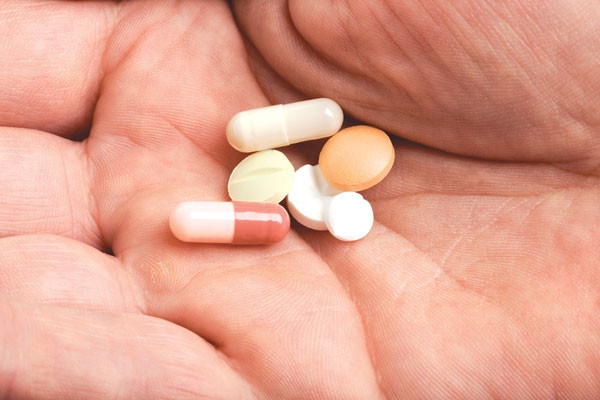
When is it okay to split medication in half?
Splitting a pill into two equal halves is sometimes necessary when needing to adjust dosage, or as a means to save money buy purchasing higher-dose pills. However, splitting is not safe for all pills, so a person should always consult a pharmacist or doctor.
Drugs to prevent heart attacks may also lessen their severity
Medications such as aspirin, statins, ACE inhibitors, and beta blockers are prescribed to certain patients to lower the chance of a first or repeat heart attack. New research shows that they also may reduce the severity of attacks that do occur.
Even a little exercise linked with lower stroke risk in people with afib
Testosterone therapy without evidence of deficiency may boost heart risk
Weight-loss drug may lower risk of heart attacks and infections
What to eat on the DASH diet
Migraine: How it's diagnosed and what that means
Tricep workouts you can do at home
Mindfulness practices to reduce stress and improve focus
Antihistamines may not offer meaningful relief from eczema symptoms
Overweight and taking blood pressure medications: Study finds it's a trend that's working
FDA approves first mRNA-based flu vaccine
Free Healthbeat Signup
Get the latest in health news delivered to your inbox!
Sign Up
