

Even a little exercise linked with lower stroke risk in people with afib

Testosterone therapy without evidence of deficiency may boost heart risk

Weight-loss drug may lower risk of heart attacks and infections

What to eat on the DASH diet

Migraine: How it's diagnosed and what that means

Tricep workouts you can do at home

Mindfulness practices to reduce stress and improve focus

Antihistamines may not offer meaningful relief from eczema symptoms

Overweight and taking blood pressure medications: Study finds it's a trend that's working

FDA approves first mRNA-based flu vaccine
Vitamins, minerals & supplements Archive
Articles

What is in a food label? You may be surprised
Terms like "healthy" or "natural" can be meaningless or misleading.
Image: Dragon Images/iStock
If you're like most nutrition-minded shoppers, the word "healthy" on the front of a package can be a big draw. "When you're stuck in a situation where processed foods are the only thing available to you, it can be helpful to know which foods are healthier than others," says Dr. Walter Willett, chair of the Department of Nutrition at the Harvard T.H. Chan School of Public Health.
Yet these days you're on shaky nutritional ground if you rely on front-of-package claims like "healthy" to determine which soup, sauce, cereal—or other canned, bottled, boxed, or bagged food—is the best choice. A food marked "healthy" may be loaded with sugar or refined carbohydrates.

Ask the doctor: Why would I need Prolia?
Denosumab (Prolia) is recommended for people at high risk for fractures for whom other bone-loss treatments were ineffective or had intolerable side effects.

Ask the doctor: Do artificial sweeteners cause insulin resistance?
In preliminary research, sucralose and acesulfame potassium increased insulin levels, although more studies are necessary to determine whether they—or other artificial sweeteners—increase the risk of insulin resistance.

White wine linked to higher risk of certain melanomas
Data from more than 200,000 people indicates that the risk of developing melanoma increases by 13% for every glass of white wine consumed per day. Drinking beer, red wine, or liquor was not associated with increased risk.

Spotting whole grains at the grocery store
That's the first step in avoiding unhealthy refined or highly processed grains.
Image: © JackF/Thinkstock
It's important to eat a diet that includes whole grains. But not everyone knows what that means. "Some people aren't sure what a whole grain is. It can be confusing, and you may wind up making the wrong food choices," says registered dietitian Kathy McManus, director of the Department of Nutrition at Harvard-affiliated Brigham and Women's Hospital.
Whole-grain goodness
Whole grains are seeds or kernels that have three parts: the bran, or outer skin; the germ, or embryo that can turn into a plant; and the endosperm, or food supply for the embryo. All three parts contain important nutrients such as protein, B vitamins, antioxidants, minerals, and unsaturated (good) fats. Many whole grains—such as barley, rye, and wheat—also contain fiber, which helps lower cholesterol, improves digestion, and controls blood sugar. A study in JAMA Internal Medicine linked eating whole grains to a 9% lower overall death rate and a 15% lower death rate from heart disease, as we reported in April 2015.
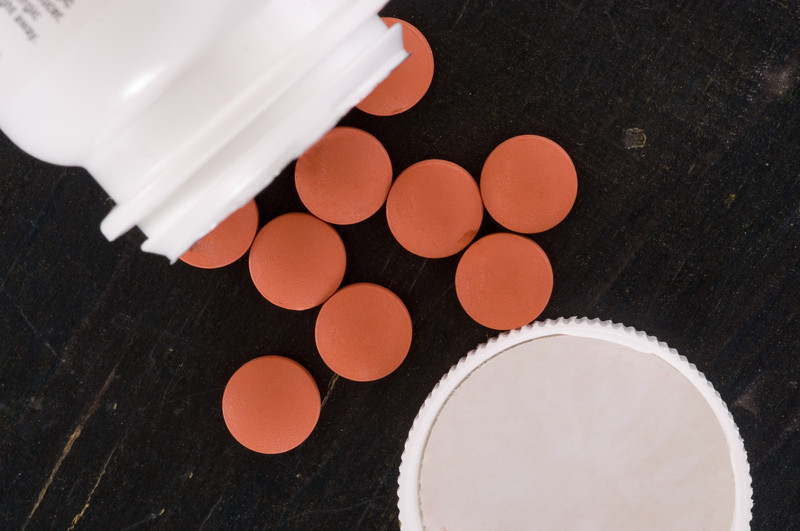
The downside of taking pills to treat chronic pain
When the risks of medication outweigh the benefits.
Image: © iStock
Taking over-the-counter or prescription painkillers may seem like a simple solution for chronic pain. It's actually a bit more complicated, yet many older adults aren't aware of potential problems. "They think that if it doesn't require a prescription, it's safe. But there are some long-term health risks," says Dr. Edgar Ross, director of the Pain Management Center at Harvard-affiliated Brigham and Women's Hospital.
Here's what you should know about some commonly used pain relievers.

6 ways to stay on your medication plan
Take control by using helpful gadgets and talking to your doctor about reducing your medications.
Image: © Wavebreakmedia/Thinkstock
There are many reasons why people are unable to stick to a medication regimen prescribed by a doctor, such as high costs or drug side effects. Often, those issues can be resolved by asking your doctor if a switch to another drug will help.
Another reason for what doctors call "non-adherence": too many pills and confusion about taking them. "It is a bigger problem than organization, and not always the patient's fault. Often providers write too many prescriptions without explaining them, or create a complicated schedule," says Dr. Sarah Berry, a geriatrician and assistant professor at Harvard Medical School.

5 habits that foster weight loss
Paying attention to your eating habits and other lifestyle routines can help nudge down the number on the scale.
Image: © Rawpixel Ltd/Thinkstock
If you're like many Americans, you're still carrying an extra pound or two that you gained over the holidays. Over the years, that extra weight can really add up—and that added girth is hard on your heart.
Often, the hardest part about losing weight isn't about knowing what to eat. You've heard it a thousand times: eat lots of vegetables, fruits, whole grains, and lean protein. The real challenge is changing your habits to make those healthy choices part of your everyday routine without feeling too deprived.
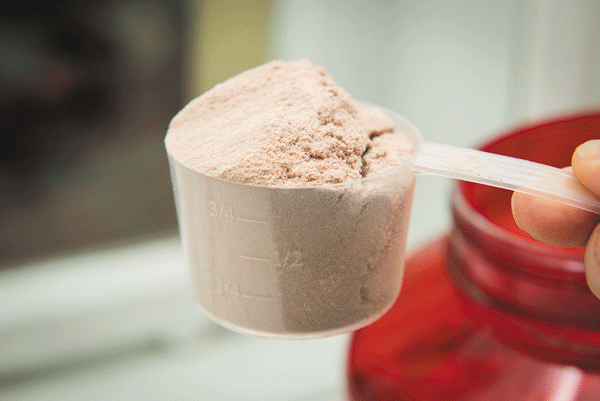
Milk protein may lower blood pressure
A powdered form of whey protein from milk may modestly lower blood pressure.

Even a little exercise linked with lower stroke risk in people with afib
Testosterone therapy without evidence of deficiency may boost heart risk
Weight-loss drug may lower risk of heart attacks and infections
What to eat on the DASH diet
Migraine: How it's diagnosed and what that means
Tricep workouts you can do at home
Mindfulness practices to reduce stress and improve focus
Antihistamines may not offer meaningful relief from eczema symptoms
Overweight and taking blood pressure medications: Study finds it's a trend that's working
FDA approves first mRNA-based flu vaccine
Free Healthbeat Signup
Get the latest in health news delivered to your inbox!
Sign Up
