

Even a little exercise linked with lower stroke risk in people with afib

Testosterone therapy without evidence of deficiency may boost heart risk

Weight-loss drug may lower risk of heart attacks and infections

What to eat on the DASH diet

Migraine: How it's diagnosed and what that means

Tricep workouts you can do at home

Mindfulness practices to reduce stress and improve focus

Antihistamines may not offer meaningful relief from eczema symptoms

Overweight and taking blood pressure medications: Study finds it's a trend that's working

FDA approves first mRNA-based flu vaccine
Vitamins, minerals & supplements Archive
Articles

Short-term estrogen use doesn’t protect against dementia, study indicates
Research we're watching
Although hormone therapy was once thought to help preserve cognitive function after menopause, there is mounting evidence to the contrary, including a recent report from the Kuopio Osteoporosis Risk Factor and Prevention Study.
Researchers in that project sent questionnaires to all women ages 47 to 56 who lived in the Finnish province of Kuopio in 1987. The women completed questionnaires every five years, providing information about their lifestyles, medication use, and illnesses. The researchers checked the information in the questionnaires against prescription registries and medical records up to 2009.
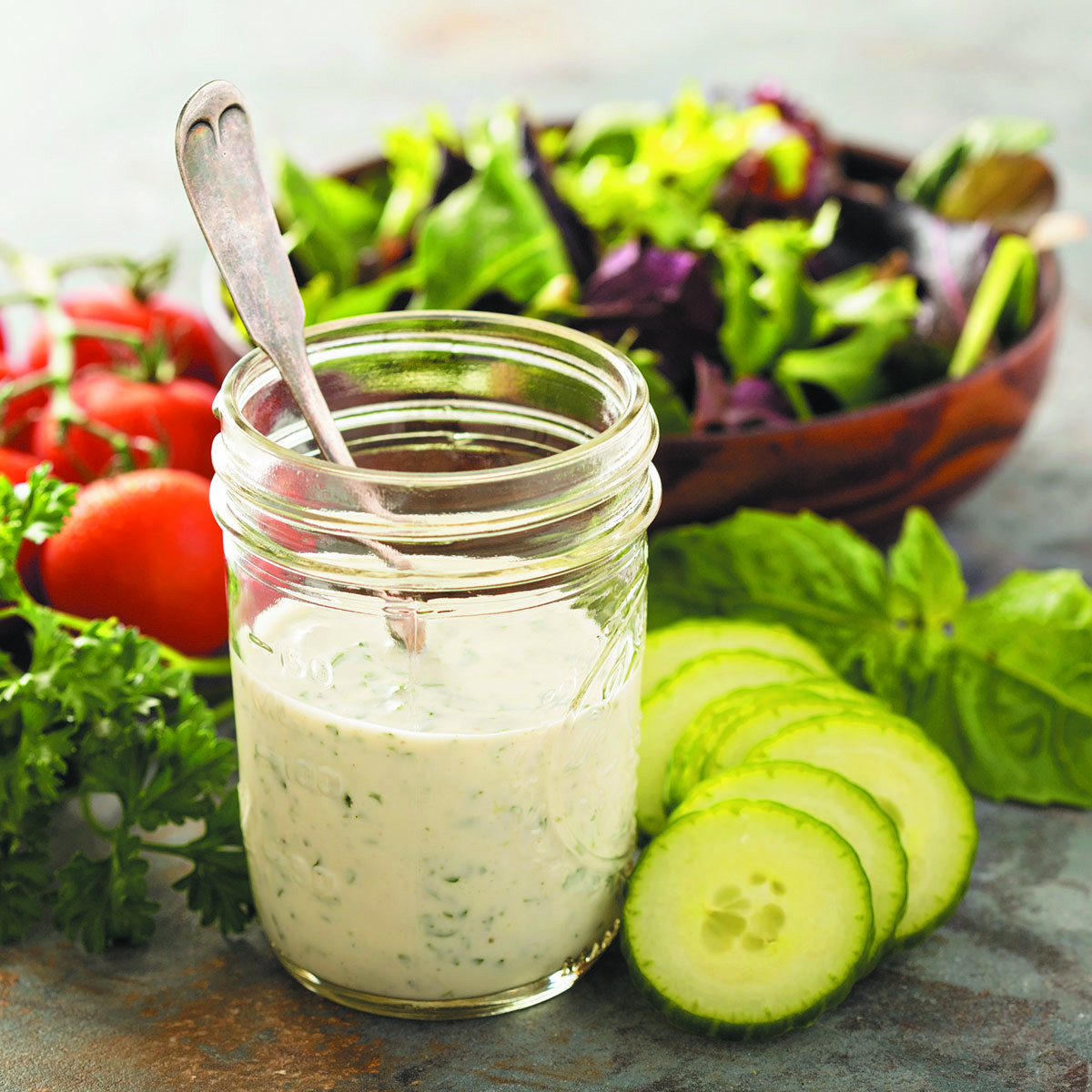
Is your salad dressing hurting your healthy diet?
Bottled dressings are often rich sources of saturated fat, calories, sodium, and added sugar.
Image: © VeselovaElena/Thinkstock
You're eating more salad for good health. But you may be undoing the benefits when you use a store-bought salad dressing.
"I have some clients who say they'll only eat salad if they can use dressing. That can add a lot of calories, sodium, sugar, and saturated fat," says registered dietitian Kathy McManus, director of the Department of Nutrition at Harvard-affiliated Brigham and Women's Hospital.
Fluid around the heart
Ask the doctor
Q. My uncle was told he had fluid around his heart. What does that mean, and how is it treated?
A. The heart is surrounded by a thin, two-layer sac called the pericardium. It protects the heart, limits its motion, and prevents it from expanding too much when blood volume increases. Normally, there isn't any fluid between the pericardium and the heart muscle. But there are many reasons fluid can accumulate in this space, including an infection, a heart attack, surgery, cancer, kidney failure, and a host of other conditions.

Breakfast and beyond: The case for a healthy morning meal
A breakfast containing lean protein, whole grains, and fruit may lower your risk of cardiovascular disease.
Image: © VeselovaElena/Thinkstock
Yes, you've heard it before — don't skip breakfast. Like many other popular sayings, this advice bears a kernel of scientific truth. But why is breakfast so important? "Quite simply, eating breakfast supports good health," says Kathy McManus, director of the Department of Nutrition at Harvard-affiliated Brigham and Women's Hospital. Coming as it does after the day's longest period without food, breakfast seems to influence metabolism more strongly than lunch or dinner. Failing to break your fast with a meal shortly after rising might strain your body, which could in theory lead to insulin resistance, and perhaps even other heart risk factors like high blood pressure and cholesterol problems, though this is all controversial.
A healthy morning meal also appears to be helpful in maintaining a good body weight. It may be a coincidence, but the downward trend in breakfast consumption over the last 40 years has coincided with the surge in obesity rates over the same period. In contrast, breakfast eaters are about a third less likely to be overweight or obese, and tend to be more successful in maintaining weight loss after dieting. They also show greater restraint when it comes to impulse snacking and overeating at other meals.
Fruits and vegetables for heart health: More is better
Research we're watching
Image: © tvirbickis/Thinkstock
How many daily servings of fruits and vegetables should you eat to keep your heart healthy? Five servings a day (about two-and-a-half cups) appears to slightly lower your risk of heart attack and stroke. But pump up your produce intake to 10 servings a day, and you may lower your risk of cardiovascular disease by 28% and your risk of premature death by 31%, according to a new review article.
The findings, published online Feb. 22, 2017, by the International Journal of Epidemiology, were gleaned from 95 studies from around the world looking at the effects of fruit and vegetable intake. The items that seemed to offer the greatest benefits included apples, pears, oranges and other citrus fruits, green leafy vegetables, cruciferous vegetables (such as broccoli, cabbage, and cauliflower), and green and yellow vegetables (such as green beans, carrots, and peppers).
Aspirin therapy may not lower heart attack risk for those with type 2 diabetes
In the journals
Low-dose aspirin therapy is standard treatment for people who have suffered a heart attack or stroke to protect them from a second one. But what about people who don't have cardiovascular disease, but do have specific risk factors, such as type 2 diabetes? A study published in the Feb. 14, 2017, Circulation found that low-dose aspirin therapy in fact did not lower this group's risk for heart attack or stroke.
The researchers recruited more than 2,500 people, ages 30 to 85, with type 2 diabetes and randomly assigned them to take either 81 mg or 100 mg of aspirin daily, or no aspirin, for three years. At the 10-year follow-up, they found that the aspirin therapy did not lower risk of either heart attack or stroke compared with taking no aspirin at all. The reason is not clear, but the researchers speculated that people with diabetes might not experience the expected anti-clotting action of aspirin.

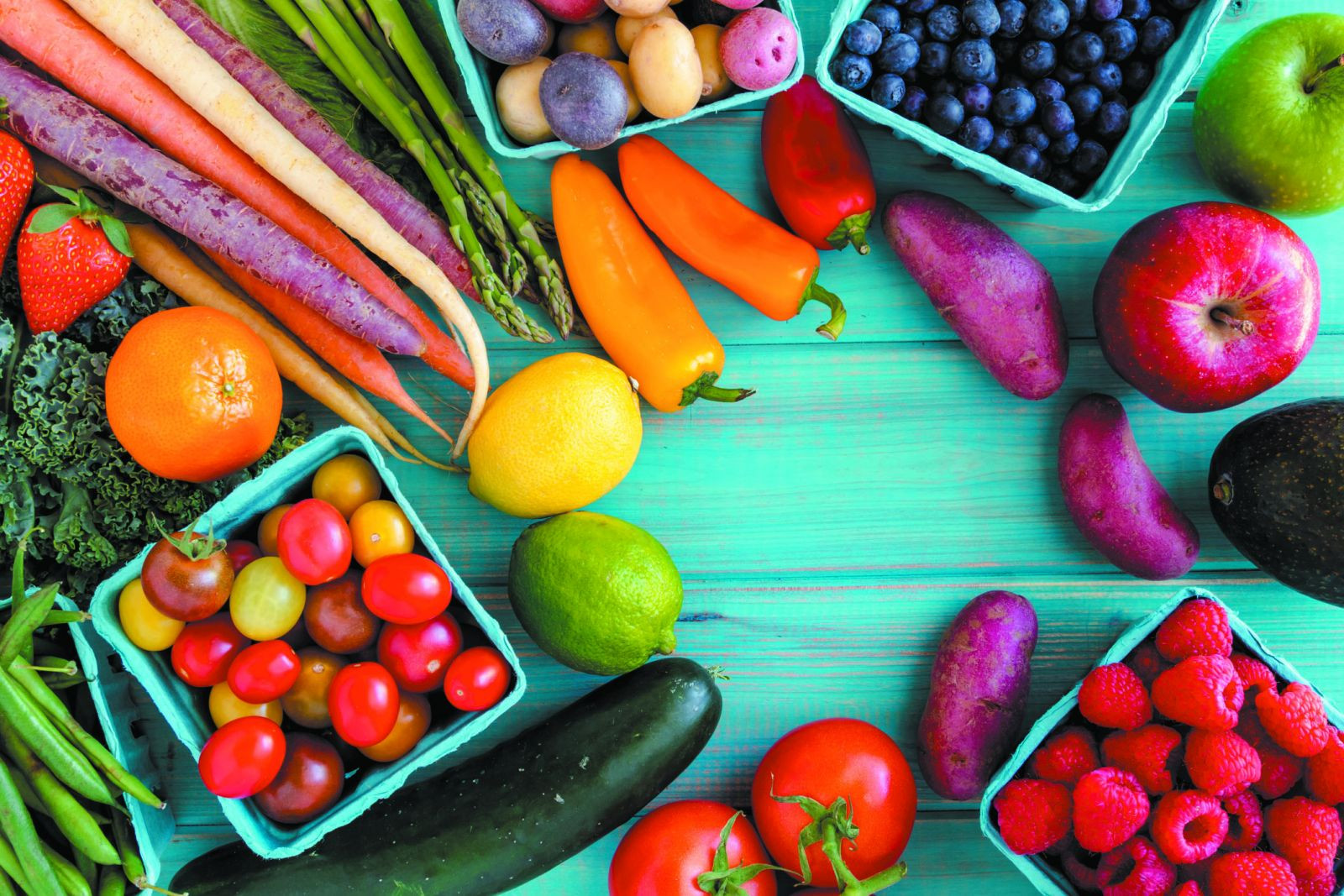
Add color to your diet for good nutrition
Vegetable-rich diets are associated with lower risk for chronic disease. To get the full range of nutrition from plant foods, choose from a variety of colors when you shop and eat, including blue/purple, green, orange/yellow, white/light green, and red.
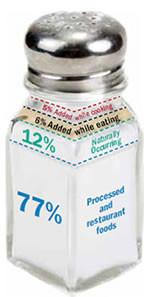
How to stay in the sodium safe zone
Excessive sodium raises blood pressure, which raises cardiovascular risks. Reading nutrition labels, considering sodium in restaurant meals, getting adequate potassium, and reducing calorie consumption can lower dietary sodium intake.

Prescription bargain hunt
Here's how to get a better deal on your medication.
Image: © Habman_18/Thinkstock
You're not alone if you've ever skipped filling a prescription because it was expensive. Cost is one barrier to keeping people on their medication regimens. "It's a real problem. Medications only work if people take them, and you can't take them if you can't afford them," says Dr. Joshua Gagne, a pharmacist and epidemiologist with Harvard-affiliated Brigham and Women's Hospital.
According to a National Center for Health Statistics survey, about 8% of adults in the United States don't take prescribed medications because they can't afford them.

Should I try a new blood thinner?
Ask the doctor
Image: © bowdenimages/Thinkstock
Q. I've been taking the blood thinner warfarin (Coumadin) for a few years. I know there are new kinds of blood thinners, but I've heard they have downsides. Should I stick with warfarin?
A. Here's what you need to know. Some medical conditions lead to blood clots. The most common one is the irregular heart rhythm called atrial fibrillation. About 20% of all strokes are caused by clots that result from atrial fibrillation — usually because of inadequate treatment with blood thinners.
Even a little exercise linked with lower stroke risk in people with afib
Testosterone therapy without evidence of deficiency may boost heart risk
Weight-loss drug may lower risk of heart attacks and infections
What to eat on the DASH diet
Migraine: How it's diagnosed and what that means
Tricep workouts you can do at home
Mindfulness practices to reduce stress and improve focus
Antihistamines may not offer meaningful relief from eczema symptoms
Overweight and taking blood pressure medications: Study finds it's a trend that's working
FDA approves first mRNA-based flu vaccine
Free Healthbeat Signup
Get the latest in health news delivered to your inbox!
Sign Up
