

Fatty liver disease: Should you be tested?

Even a little exercise linked with lower stroke risk in people with afib

Testosterone therapy without evidence of deficiency may boost heart risk

Weight-loss drug may lower risk of heart attacks and infections

Migraine: How it's diagnosed and what that means

Tricep workouts you can do at home

Mindfulness practices to reduce stress and improve focus

Antihistamines may not offer meaningful relief from eczema symptoms

Overweight and taking blood pressure medications: Study finds it's a trend that's working

FDA approves first mRNA-based flu vaccine
Vitamins, minerals & supplements Archive
Articles

4 things you can do if the price of your medication skyrockets
Prescription prices can rise without warning, but there are things you can do to pay less for the drugs you need.
Image: © Wavebreakmedia/Thinkstock
Recent news has brought reports of sudden jumps in medication prices. In August 2015, the price of pyrimethamine (Daraprim), a drug used to treat the parasitic infection toxoplasmosis, leaped from $13.50 to $750 per capsule. From May 2011 to May 2015, the price for a two-pack of EpiPens, the epinephrine autoinjectors that treat potentially fatal allergic reactions, rose from $160 to $608.
Even commonly used drugs that have been on the market for decades have been subject to unexpected price increases. In the past few years, the prices of generics — antibiotics like doxycycline and erythromycin and heart medications like captopril and digoxin — have shot up.

Is my painkiller an opioid?
Ask the doctors
Q. I'm currently taking a pill that combines 5 milligrams (mg) of oxycodone and 325 mg of acetaminophen. It keeps my pain under control and doesn't seem to interfere with other medicines I'm taking. However, I was reading about opioids and wonder if it falls in that category. If it does, should I be taking it?
A. Oxycodone is an opioid, but acetaminophen, the generic form of Tylenol, isn't. A combination of the two, sold as Endocet, Percocet, and Roxicet, as well as in a generic version, is a popular medication for pain control. Both oxycodone and acetaminophen should be used with caution. Oxycodone should be taken for the shortest time possible because long-term use of oxycodone has been associated with addiction and dependence. High doses of acetaminophen can cause liver damage.

What can precision nutrition offer you?
A diet tailored to your DNA may be in the future, but you can personalize your eating plan now in several ways.
The one-size-fits-all approach hasn't been very successful, either in clothing or in medicine, because most of us are not the "average" woman. That's one reason researchers are now investigating whether customizing peoples' diets according to their DNA — an approach known as precision nutrition — can improve their health.
As the cost of sequencing an individual's genome (a readout of all a person's DNA) has continued to fall, incorporating genetic information into nutrition advice has become increasingly feasible, says Dr. Frank Hu, chairman of the Department of Nutrition at Harvard's T.H. Chan School of Public Health. The ready availability of human genetic information has given rise to a new scientific field, nutrigenomics — the study of the influence of people's genes on how they metabolize nutrients. Nutrigenomics has opened the door to precision nutrition — the creation of individualized eating plans based on a person's genome.
Statin use may not benefit people ages 75 or older, study suggests
Research we're watching
To provide more information on the value of statins for older people, which is still a matter of debate, researchers analyzed data on people over 65 who were enrolled in ALLHAT-LLT, a large study conducted between 1994 and 2002.
All participants (average age 71) had high cholesterol and high blood pressure but not heart disease. They were randomly assigned to two groups. One group, of 704 women and 763 men, took pravastatin (Pravachol). The other group, of 711 women and 689 men, didn't take a statin. The analysis indicated that during the five-year study period, there was no significant difference between the groups in the frequency of heart attacks, deaths from heart disease, or deaths from any cause, either among participants ages 65 to 74 or among those 75 or older. The results were published online May 22, 2017, by JAMA Internal Medicine.

Does diet soda raise stroke risk?
Some studies suggest a possible link. But don't switch to regular sugary sodas — try infused water instead.
For diet soda fans, recent news reports linking these popular drinks to a higher risk of stroke may have been alarming. A closer look at the study behind the headlines suggests there's no need to panic. But beverages naturally low in calories are probably a healthier option than artificially sweetened drinks.
For starters, observational studies like this one (see "Diet soda and the brain: The latest findings") cannot prove cause and effect. Also, only 97 people had strokes during the 10-year follow-up, which means only two or three of those strokes could possibly be attributed to drinking diet soda, says Dr. Kathryn Rexrode, an associate professor of medicine at Harvard-affiliated Brigham and Women's Hospital who co-authored an earlier, larger study looking at soda consumption and stroke risk.
Pain relievers and heart attack risk
Research we're watching
Image: © FinStock/Thinkstock
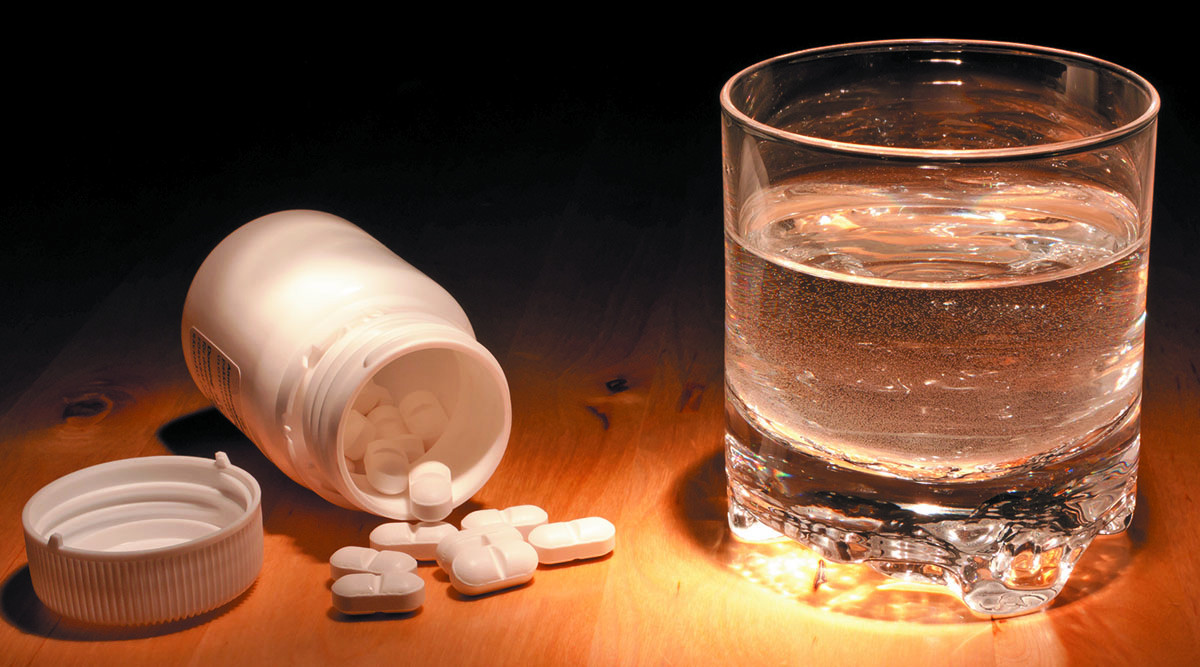
Heart attack risk may rise within a week of taking daily high doses of certain over-the-counter pain relievers, according to a new study.
Previous research has linked the use of pain relievers known as nonsteroidal anti-inflammatory drugs (NSAIDs) to a heightened risk of heart attack. The new report, published in the May 9, 2017, issue of The BMJ, analyzed data from nearly half a million people, of whom about 61,000 had heart attacks.
Steroid injections do little for long-term knee osteoarthritis pain
In the journals
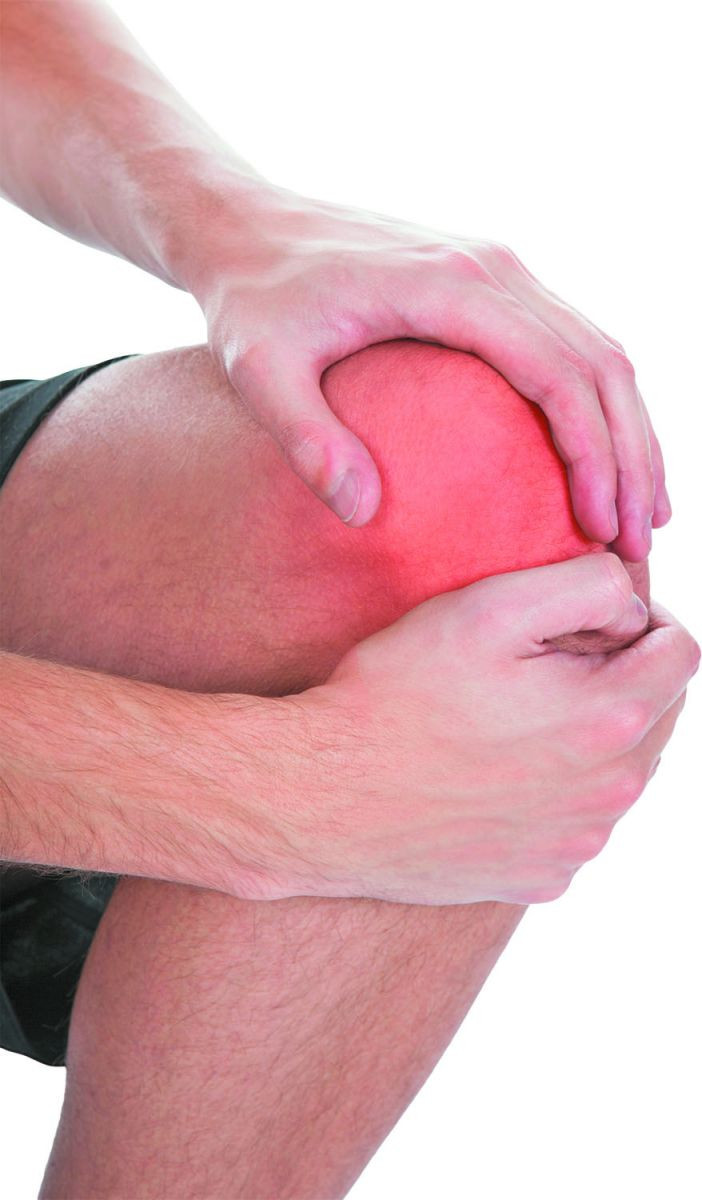
Corticosteroid injections are used to ease short-term knee osteoarthritis pain, but a new study in the May 16, 2017, Journal of the American Medical Association suggests the treatment may not help in the long term.
Researchers recruited two groups of 70 people, average age 58, with knee osteoarthritis. One group received 40 milligrams of the steroid triamcinolone (Kenacort, Kenalog, Artistocort) every three months for two years, while the other group got placebo injections. By the end, pain scores — measured on a scale from zero for no pain to 20 for extreme pain — had dropped by only 1.2 points among the steroid group, while the placebo group's score dropped by 1.9 points, neither of which was clinically significant.


Six healthy snacking strategies
How can you keep snacking from derailing your healthy eating program, not to mention weight control? Try these tips.
Don't skip meals. Skipping meals may seem like a good way to cut calories, but in fact this just makes you so hungry later in the day that you're vulnerable to devouring mega-portions of snack food, in order to supply your body with easily digested sugars.

What to do about mercury in fish
Fish is an excellent source of protein, and its healthy oils protect against cardiovascular disease. Because a diet rich in seafood protects the heart and aids neurological development, fish remains an important component of a healthy diet.
However, nearly all fish and shellfish contain traces of mercury, a toxic metal, and some seafood contains other contaminants known as persistent organic pollutants (POPs). As small fish are eaten by larger fish up the food chain, concentrations of mercury and POPs increase, so that large, predatory deep-ocean fish tend to contain the highest levels. That makes it best to avoid eating large fish, such as shark, swordfish, tilefish, and king mackerel. As long as you avoid these higher sources of mercury, the benefits of eating fish far outweigh the risks of mercury in fish.
Fatty liver disease: Should you be tested?
Even a little exercise linked with lower stroke risk in people with afib
Testosterone therapy without evidence of deficiency may boost heart risk
Weight-loss drug may lower risk of heart attacks and infections
Migraine: How it's diagnosed and what that means
Tricep workouts you can do at home
Mindfulness practices to reduce stress and improve focus
Antihistamines may not offer meaningful relief from eczema symptoms
Overweight and taking blood pressure medications: Study finds it's a trend that's working
FDA approves first mRNA-based flu vaccine
Free Healthbeat Signup
Get the latest in health news delivered to your inbox!
Sign Up
