

Fatty liver disease: Should you be tested?

Even a little exercise linked with lower stroke risk in people with afib

Testosterone therapy without evidence of deficiency may boost heart risk

Weight-loss drug may lower risk of heart attacks and infections

Migraine: How it's diagnosed and what that means

Tricep workouts you can do at home

Mindfulness practices to reduce stress and improve focus

Antihistamines may not offer meaningful relief from eczema symptoms

Overweight and taking blood pressure medications: Study finds it's a trend that's working

FDA approves first mRNA-based flu vaccine
Vitamins, minerals & supplements Archive
Articles

Should you take an antiviral drug when you get the flu?
One antiviral medication has drawn criticism, but it's still a treatment option.
Image: © kowalska-art/Thinkstock
Bad case of the flu? Antiviral medications, such as oseltamivir (Tamiflu) or zanamivir (Relenza), may reduce symptoms and help you recover from the flu a day or two earlier. But oseltamivir came under fire a few months ago for a lack of effectiveness.
In June, the World Health Organization (WHO) removed oseltamivir from its list of essential medicines. "Their decision was based on the relatively low effectiveness of oseltamivir in clinical trials and clinical practice. I suspect this is due to a significant number of people who started therapy after their flu symptoms had been going on for more than two days," says Dr. Paul Sax, an infectious disease specialist and Harvard Medical School professor.

Harvard study: It’s not too late to start a healthy diet
News briefs
Image: © Jonathan Ross/Thinkstock
If you haven't been good about eating a healthy diet, take heart: A Harvard study published July 13, 2017, in The New England Journal of Medicine found that changing to one of three scientifically developed healthy eating programs was associated with longer life. The healthy diets included the Alternate Healthy Eating Index, the Alternate Mediterranean Diet, and the Dietary Approaches to Stop Hypertension (DASH) diet. Scientists looked at self-reported diet and health data from nearly 74,000 healthy men and women who significantly improved their diets and maintained them for 12 years. Scientists then looked at participants' risk of death for another 12 years. The results: people who improved their diet the most were up to 17% less likely to die, whereas those whose diets worsened the most were up to 14% more likely to die. This study strongly indicates that improving your diet, even if you start in middle age, can add years to your life — and vice versa. If you're re-evaluating your diet, check out the Harvard Special Health Report Healthy Eating for a Healthy Heart (www.health.harvard.edu/HEHH).

Does drinking java lengthen your life?
News briefs
Image: © moodboard/Thinkstock
As we reported in May 2016, regularly drinking coffee is associated with lower blood pressure, less weight gain with aging, and less chance of developing type 2 diabetes or dying from cardiovascular or neurological diseases. Now a pair of 16-year studies published July 10, 2017, in Annals of Internal Medicine link coffee drinking with longevity. One study analyzed the coffee consumption of more than 520,000 men and women. People who drank three or more cups of coffee per day — either caffeinated or decaffeinated — were up to 12% less likely to die during the study, compared with people who didn't drink coffee. The other study involved more than 185,000 middle-age or older coffee drinkers who were African American, Native Hawaiian, Japanese American, Latino, or white. Those who drank four or more cups per day were 18% less likely to die for any reason during the study period compared with nondrinkers. This was the first large study of coffee drinking and longevity that included a racially and ethnically diverse group of people. The findings from these studies suggest, but don't prove, that regular coffee drinking helps you live longer. The beneficial effect of coffee seemed to plateau at more than four cups per day.

Healthy lifestyle habits linked to lower drug costs
Research we're watching
People with cardiovascular disease who exercise regularly, don't smoke, and manage other risk factors spend far less money on medications than people who don't take such steps, a new study finds.
The study included 4,248 people ages 40 and older with clogged arteries (atherosclerosis), the most common form of cardiovascular disease. Researchers also relied on the Medical Expenditure Panel Survey, a national snapshot of health care expenses based on a survey of nearly 76,000 Americans.

An advantage of adding almonds to your diet?
Research we're watching
Image: © Daisy-Daisy/Thinkstock
Want to help improve your cholesterol profile? Swap your midmorning muffin for a handful of almonds, suggests a study in the Aug. 1, 2017, Journal of Nutrition.
Nutritionists have long known that eating almonds and other nuts tends to lower harmful LDL cholesterol and raise desirable HDL cholesterol. But recent evidence suggests that the heart-protecting effects of HDL depend on a person's particular complement of the various forms of HDL, some of which are more beneficial than others.

Does drinking coffee offer health benefits?
On call
Image: © ktasimarr/Thinkstock
Q. I keep hearing about how great coffee is for your health. Is this just hype, or are there real benefits?
A. Multiple studies have associated drinking coffee with reduced rates of diseases, such as diabetes, kidney stones, and dementia. However, just because people who drink coffee appear to get certain health benefits, these types of studies don't prove that the coffee itself is the reason.
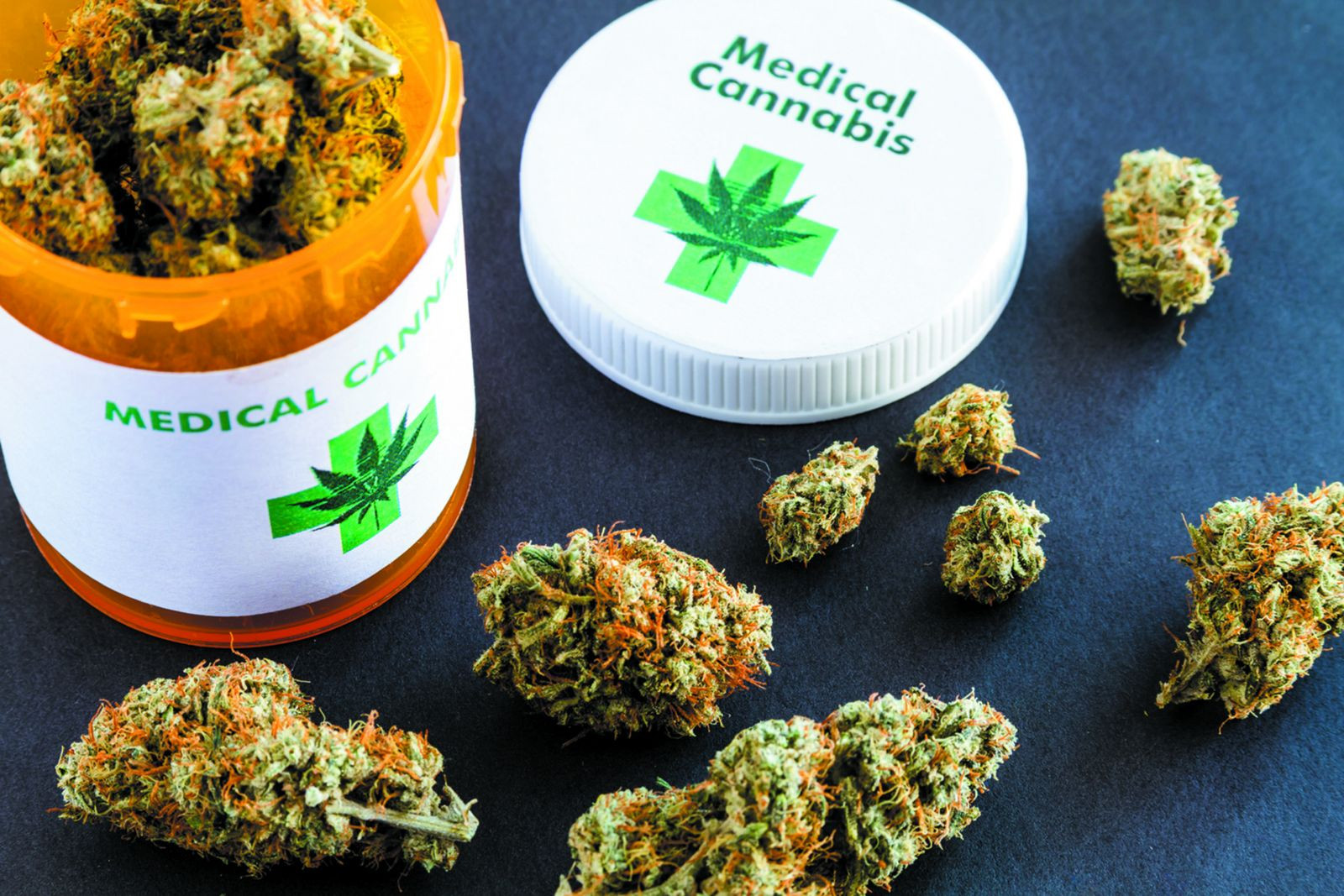
Medical marijuana: Know the facts
While the drug therapy is becoming more widely available, the science is still not clear on how it may help.
Image: © tvirbickis/Thinkstock
Medical marijuana has been approved in 28 states and the District of Columbia, but researchers are still trying to connect the dots as to how, and if, it works.
"Unfortunately, there are almost no uses of medical marijuana that have been subjected to the kind of rigorous testing you'd want for a pharmaceutical," says Dr. Kenneth Mukamal, associate professor of medicine at Harvard-affiliated Beth Israel Deaconess Medical Center. "This does not mean that it has no benefits, but only that the lack of human studies prevents us from being sure if medical marijuana can really help."
Is seltzer a better option than soda?
Ask the doctors
Q. I recently decided to give up soda and switched to flavored seltzer water. Is this a better choice for my health?
A. First, congratulations on giving up soda. Sugary drinks like soda have been linked to an increased risk of type 2 diabetes, heart problems, and other chronic health conditions, so that is definitely a win for your health. Switching to seltzer is a much better choice, provided you choose a brand that is sugar- and calorie-free.
Opioid misuse rising among older adults
Research we're watching
A growing number of older adults are misusing opioids, according to a new report by the Substance Abuse and Mental Health Services Administration of the U.S. Department of Health and Human Services. The 2014 National Survey on Drug Use and Health showed that the percentage of adults ages 50 and older using heroin or misusing prescription opioids jumped from 1.1% to 2% between 2002 and 2014. In contrast, opioid use in adults ages 18 to 25 dropped from 11.5% to 8.1% over the same period.
Drug use can bring particular risks to the health and well-being of older adults because they are more likely than younger people to have other illnesses and often take medications that can interact with opioids, according Center for Substance Abuse Treatment. "These findings highlight the need for prevention programs for all ages as well as to establish improved evidence-based treatment, screening, and appropriate referral services," Dr. Kimberly Johnson, director for the Center for Substance Abuse Treatment, said in a written statement.
Fatty liver disease: Should you be tested?
Even a little exercise linked with lower stroke risk in people with afib
Testosterone therapy without evidence of deficiency may boost heart risk
Weight-loss drug may lower risk of heart attacks and infections
Migraine: How it's diagnosed and what that means
Tricep workouts you can do at home
Mindfulness practices to reduce stress and improve focus
Antihistamines may not offer meaningful relief from eczema symptoms
Overweight and taking blood pressure medications: Study finds it's a trend that's working
FDA approves first mRNA-based flu vaccine
Free Healthbeat Signup
Get the latest in health news delivered to your inbox!
Sign Up
