

Fatty liver disease: Should you be tested?

Even a little exercise linked with lower stroke risk in people with afib

Testosterone therapy without evidence of deficiency may boost heart risk

Weight-loss drug may lower risk of heart attacks and infections

Migraine: How it's diagnosed and what that means

Tricep workouts you can do at home

Mindfulness practices to reduce stress and improve focus

Antihistamines may not offer meaningful relief from eczema symptoms

Overweight and taking blood pressure medications: Study finds it's a trend that's working

FDA approves first mRNA-based flu vaccine
Vitamins, minerals & supplements Archive
Articles



Watch out for two different Nutrition Facts labels
News briefs
Brace yourself for confusion when looking at food labels. The FDA is delaying the launch of its new Nutrition Facts label, which features clearer serving sizes, a new line for added sugars, and the actual amounts of vitamins and minerals (not just percentages of Daily Values). Large food makers were supposed to start using the updated design by July 2018, and smaller companies had until July 2019. Now the FDA is extending the deadlines to January 2020 and January 2021, respectively. The FDA says the extra time will give the agency a chance to lend guidance to manufacturers. But some food makers have already rolled out the new label on their products. This means consumers will see two different types of nutrition labels for years to come, which could be confusing. "Ironically, however, remember that fresh whole foods that don't have a label — especially fruits and vegetables — may be your wisest choice," says registered dietitian Kathy McManus, director of the Department of Nutrition at Harvard-affiliated Brigham and Women's Hospital.
Treating inflammation protects the heart
News briefs
People with coronary artery disease or strong risk factors for developing it are often treated with statin drugs. Statins were developed to treat high levels of LDL (bad) cholesterol, because such high levels increase the risk of coronary artery disease. Studies convincingly showed that statins do indeed reduce both cholesterol and the risk of coronary artery disease, as expected. However, a large Harvard study published in 2008 found that statins also lowered the risk even in people with normal LDL levels. Why? Many doctors speculated that the reason might be that statins also reduce inflammation, another contributor to heart attacks and stroke. A new Harvard study, published online August 27, 2017, by The New England Journal of Medicine used a novel medication called canakinumab, which attacks inflammation but does not lower LDL cholesterol. The study involved over 10,000 people who had suffered a heart attack and whose blood showed a modest level of inflammation. The inflammation-fighting medicine lowered the rates of heart attacks, strokes, and death from heart disease. This study supports the theory that the beneficial effects of statins may result from their ability to both lower cholesterol and tamp down inflammation. It also will lead to further study of this new drug as well as other treatments for inflammation.

What are the best calcium sources for people who are lactose intolerant?
On call
Image: © Svetl/Thinkstock
Q. How can I get my daily requirement for calcium if I am lactose intolerant?
A. We usually associate high-calcium foods with dairy products, like milk, cheese, and yogurt. If you cannot tolerate these foods from a digestive standpoint, you can still meet your calcium requirement by increasing your consumption of certain green leafy vegetables and calcium-fortified foods.

Crave a better appetite
Losing the desire to eat can lead to many health problems, but there are ways to make mealtime more inspiring.
Remember when you could eat almost anything, lack of hunger was never an issue, and meals were a high point of your day? But now, perhaps not so much. What has changed?
"It's common for your appetite to diminish as you age, but the problem is that this can keep you from getting enough of the vital nutrients you need and can contribute to poor health," says Vasanti Malik, a nutrition research scientist at the Harvard T.H. Chan School of Public Health.

Staying connected can improve your health
Try these strategies to help you fill your social calendar.
Image: © Mike Watson Images/Thinkstock
In an effort to ward off the loneliness that followed his wife's death, a 94-year-old man in Minnesota decided to install a swimming pool in his back yard for the neighborhood children. His back yard is now a hub of activity in the summer, filled with laughter, splashing children, and their parents and grandparents. And he's no longer alone.
While not everyone would be willing to go to such extreme lengths to make social connections, contact with other people should still be a top priority. Chronic loneliness does more than just make you bored; it can actually harm your health.

Antibiotics: Part of the cure or part of the problem?
Avoid taking these drugs when they're not needed.
Image: © grThirteen/Thinkstock
It's the time of year again for sneezing, sniffling, and sore throats. But if you don't escape it, you can just head to the doctor for an antibiotic, and you'll be healthy again in no time. Right?
Probably not.
"Each year millions of Americans are treated with antibiotics when they don't need to be," says Dr. Erica Shenoy, an infectious disease physician, who is associate chief of the Infection Control Unit at Massachusetts General Hospital and assistant professor of medicine at Harvard Medical School.

Resistant to aspirin?
Ask the doctor
Q. I recently started taking low-dose aspirin, per my doctor's advice. But I heard that for some people, aspirin doesn't help prevent heart attacks. Is this true, and is there any way to find out if I'm one of those people?
A. The phenomenon you're referring to is sometimes called aspirin resistance. However, true aspirin resistance is very uncommon. There are tests for the problem, but I don't recommend them.
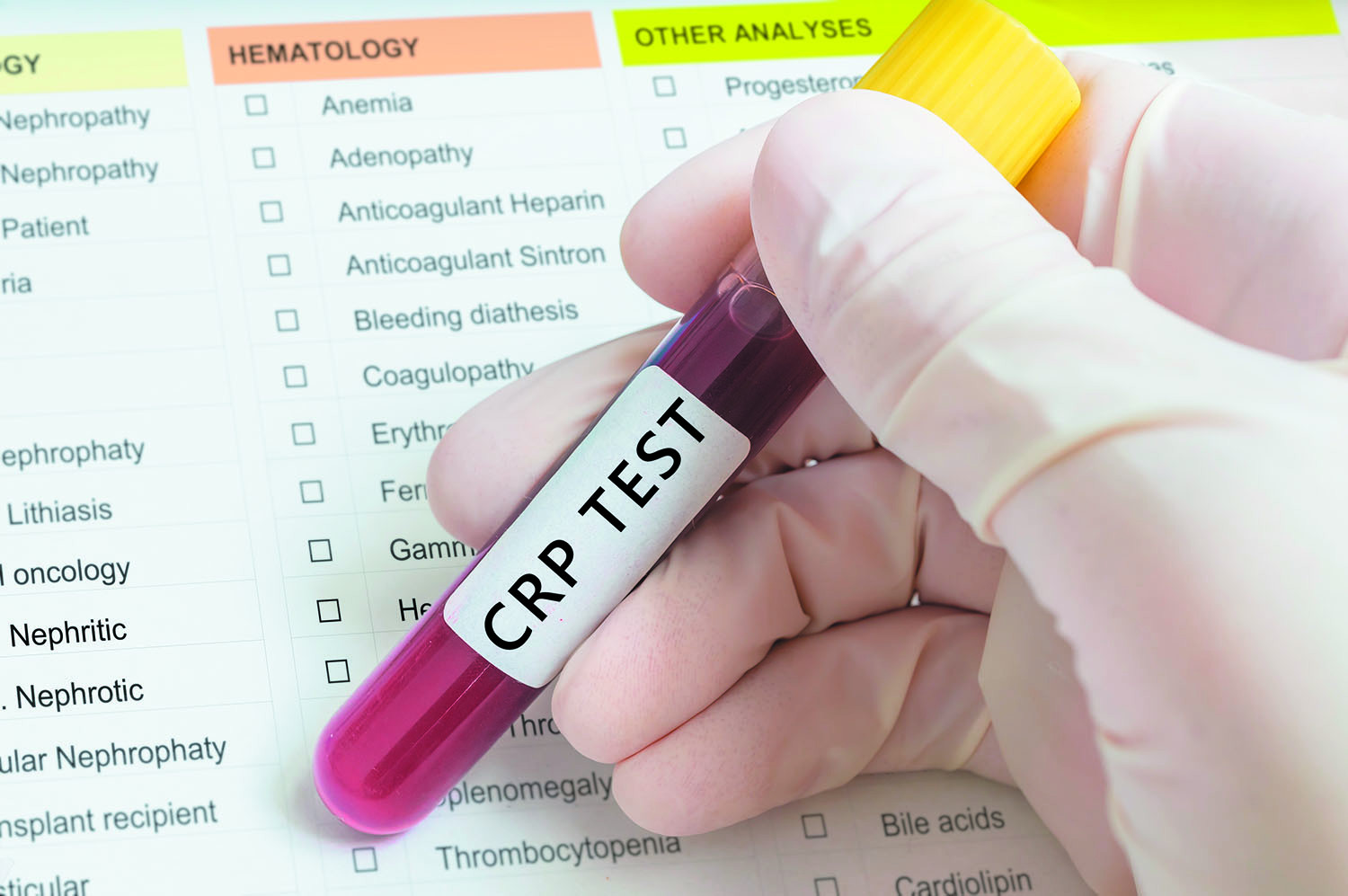
Targeting inflammation: A missing link in heart treatments
A novel anti-inflammatory drug may discourage repeat heart attacks.
Image: © vchal/Thinkstock
Inflammation grabbed the attention of researchers a couple of decades ago as a primary culprit in the progression of cardiovascular disease. However, identifying a drug therapy that leverages this link has been more elusive. With the results of the recent Canakinumab Anti-inflammatory Thrombosis Outcomes Study (CANTOS), published in the Sept. 21, 2017, issue of The New England Journal of Medicine, it appears that the dots are finally beginning to connect.
"For the first time, we have an anti-inflammatory therapy that can reduce the chance that a person who has already had a heart attack will have a repeat occurrence," says Dr. Peter Libby, a cardiologist at Harvard-affiliated Brigham and Women's Hospital. "This opens up a new field of treatment and offers hope to our patients." He is one of the co-authors of the study, which was led by his colleague and fellow Harvard Medical School professor Dr. Paul Ridker.
Fatty liver disease: Should you be tested?
Even a little exercise linked with lower stroke risk in people with afib
Testosterone therapy without evidence of deficiency may boost heart risk
Weight-loss drug may lower risk of heart attacks and infections
Migraine: How it's diagnosed and what that means
Tricep workouts you can do at home
Mindfulness practices to reduce stress and improve focus
Antihistamines may not offer meaningful relief from eczema symptoms
Overweight and taking blood pressure medications: Study finds it's a trend that's working
FDA approves first mRNA-based flu vaccine
Free Healthbeat Signup
Get the latest in health news delivered to your inbox!
Sign Up
