

Fatty liver disease: Should you be tested?

Even a little exercise linked with lower stroke risk in people with afib

Testosterone therapy without evidence of deficiency may boost heart risk

Weight-loss drug may lower risk of heart attacks and infections

Migraine: How it's diagnosed and what that means

Tricep workouts you can do at home

Mindfulness practices to reduce stress and improve focus

Antihistamines may not offer meaningful relief from eczema symptoms

Overweight and taking blood pressure medications: Study finds it's a trend that's working

FDA approves first mRNA-based flu vaccine
Vitamins, minerals & supplements Archive
Articles
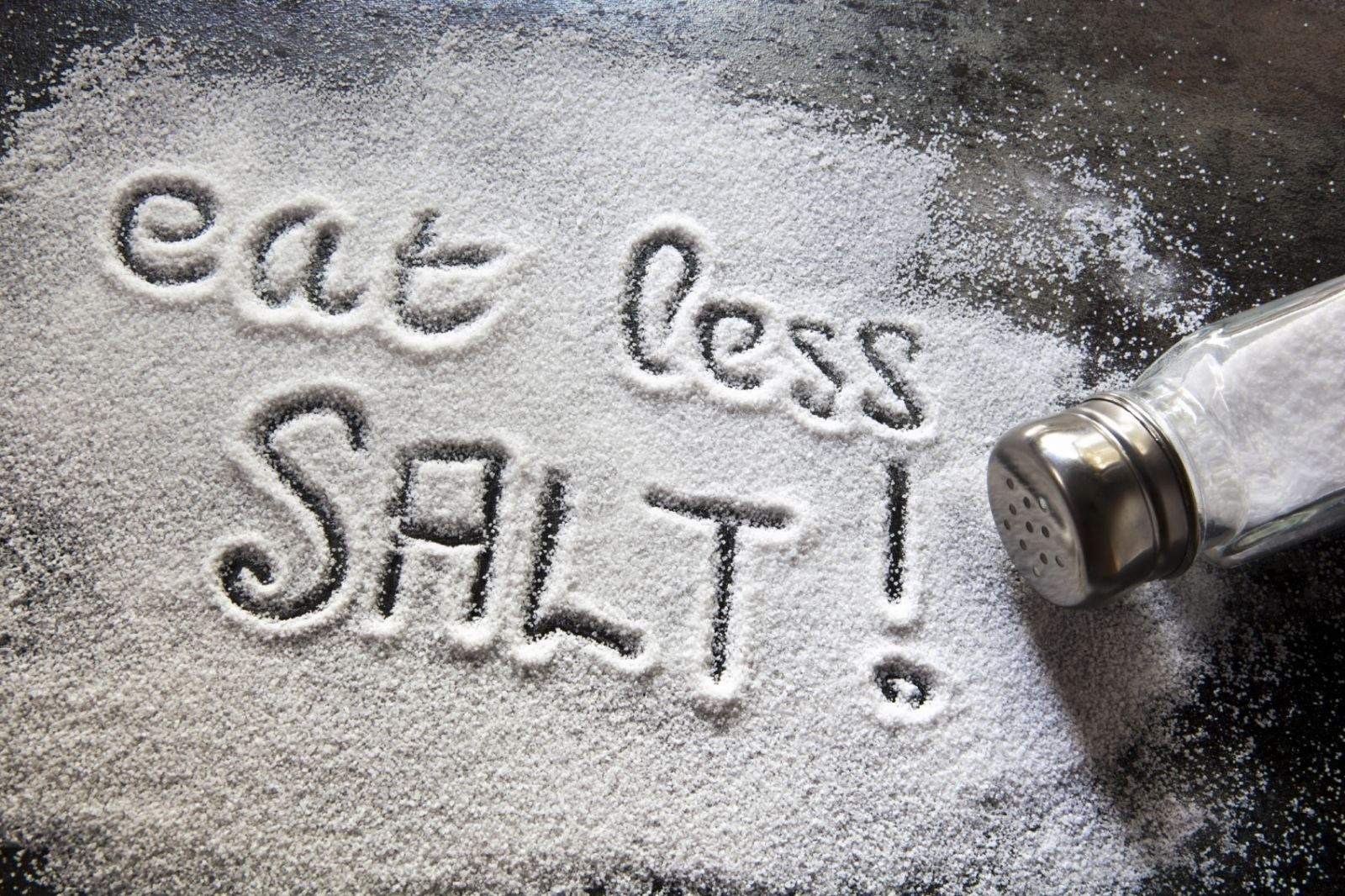
5 ways to use less salt
Salt is essential to the body. The sodium in salt helps transmit nerve impulses and contract muscle fibers. It also works with potassium to balance fluid levels in in the body. But you need only a tiny amount of salt to do this — less than one-tenth of a teaspoon per day. The average American gets nearly 20 times that much.
The body can generally rid itself of excess sodium. In some people, though, consuming extra sodium makes the body hold on to water. This increases the amount of fluid flowing through blood vessels, which can increase blood pressure.

Beyond the morning buzz: How does coffee affect your heart?
Drinking a few cups a day seems to be safe for most people. But evidence that coffee protects your heart is pretty weak.
Image: © Kritchanut/Getty Images
Java junkies may have perked up after hearing that drinking coffee may lower heart disease risk. But are there grounds to support this claim?
In recent years, researchers have observed that people who drink about three cups of coffee daily may be slightly less likely to develop heart disease or to die from it than people who avoid the aromatic brew. A review article in the Nov. 22, 2017, issue of The BMJ that included nearly 300 studies on the health effects of coffee came to a similar conclusion. However, as the authors point out, their findings can't prove cause and effect. In the absence of long-term, randomized trials that assign people to drink coffee or not, it's impossible to say whether the popular drink (or some other factor) led to the lower heart risk.

Vegetable of the month: Artichokes
Image: © Thinkstock
As some artichoke aficionados know, anything you eat or drink right after eating this unique vegetable tastes sweeter than usual. Artichokes contain chlorogenic acid and cynarin, which partially inhibit the sweet receptors on your tongue. Whatever you eat or drink right afterwards washes off the compounds, fooling your brain into perceiving sweetness that isn't actually there. Try serving an artichoke alongside another vegetable you find less palatable, and alternate bites!
Cynarin also seems to increase the liver's production of bile, which helps remove cholesterol from the body.

Can vitamin K supplements help protect against heart disease?
On call
Q. I have read that vitamin K supplements can help prevent heart disease. Should I take them?
A. Vitamin K — which is found in high levels in green leafy vegetables like spinach, kale, and romaine lettuce — plays a role in helping the body make blood clotting proteins. Although some observational studies have suggested a heart benefit from diets high in vitamin K, studies of supplements have not shown a protective effect.

Got an egg allergy? No need to skip that flu shot next year
Research we're watching
Image: © grinvalds/Getty Images
If you have an egg allergy, you may have been told not to get a flu shot. That's because the vaccine is grown in eggs and may contain a small amount of egg protein, which — it was feared — could trigger an allergic reaction. But a new guideline from the American College of Allergy, Asthma and Immunology (ACAAI) dispenses with that old advice and says even people with an egg allergy should roll up their sleeves and get the shot to protect themselves from the flu.
"When people get flu shots, health care providers often ask if they are allergic to eggs," allergist Dr. Matthew Greenhawt, chair of the ACAAI Food Allergy Committee and lead author of the practice parameter, said in a written release. "We want health care providers and people with egg allergy to know there is no need to ask this question anymore, and no need to take any special precautions. The overwhelming evidence since 2011 has shown that a flu shot poses no greater risk to those with egg allergy than those without." Numerous studies have found that patients with egg allergy — even those with life-threatening allergies to egg — have gotten the shot and did not suffer any ill effects. This suggests there isn't enough egg protein in the vaccine to cause a reaction.


Insider tips to maximize your doctor visit
Here's what Harvard physicians advise you to do at your next appointment.
You know the routine: you're waiting in the exam room, and your doctor comes in for what seems like a very quick visit before leaving to see the next person. You're left feeling that you didn't ask all of your questions or get a good understanding of your treatment plan. What happened?
"We're under incredible pressure, and we're scrutinized to be sure we're seeing enough patients," explains geriatrician Dr. Suzanne Salamon, an assistant professor at Harvard Medical School. "We don't have many minutes, and yet we have to go over each person's medical issues, medications, and even end-of-life issues. That doesn't leave a lot of time to talk."

Sugary drink consumption appears to be down, but is it low enough?
News briefs
Here's some encouraging news about how many sugary drinks we're guzzling in the United States: an observational study led by Harvard researchers, published online Nov. 14, 2017, by Obesity, suggests that consumption of sugar-sweetened beverages fell significantly between 2004 and 2014. Researchers looked at data collected from more than 18,000 children and teens and more than 27,000 adults ages 20 or older. Every two years, people were asked about the kinds of drinks they'd had in the previous 24 hours, such as soda or juice. About 60% of kids and 50% of adults reported drinking a sugary beverage on any given day in 2014, down from 80% of kids and about 62% of adults in 2004. The percentage of adults ages 60 or older who reported drinking a sugary beverage on any given day dropped from 46% in 2004 to 39% in 2014. While the declines are a step in the right direction, consumption of these drinks was still highest among those at higher risk for obesity, such as African American and Hispanic participants (across all age groups). Remember: the average can of soda has about 40 grams of added sugar, far more than the American Heart Association's recommended limit of 24 grams of added sugar per day for women, and 36 grams per day for men. Consuming too much added sugar is associated with weight gain and an increased risk for developing type 2 diabetes and a heart attack.
Deterring heart disease if you have diabetes
Lifestyle changes are vital, but new medications may help.
a_namenko; © Halfpoint | Thinkstock; zaretskaya | GettyImages
Two of the most prevalent health problems in this country — type 2 diabetes and heart disease — are closely linked. People with diabetes are more than twice as likely to die from heart disease than those without diabetes. An array of overlapping risk factors (such as being overweight and having high blood pressure and cholesterol levels) probably explains part of this association.
On the plus side, a diet that emphasizes vegetables, fruits, whole grains, lean protein, and healthy fats, coupled with regular moderate exercise (at least 30 minutes daily, most days of the week) can help people dodge the dangers associated with both heart disease and type 2 diabetes. Even so, most people with type 2 diabetes must also take the drug metformin (or other medications) to help reduce their high blood sugar levels, the hallmark of the disease.
Vegetable of the month: Beets
Image: EvergreenPlanet; © Anna Kucherova/Thinkstock
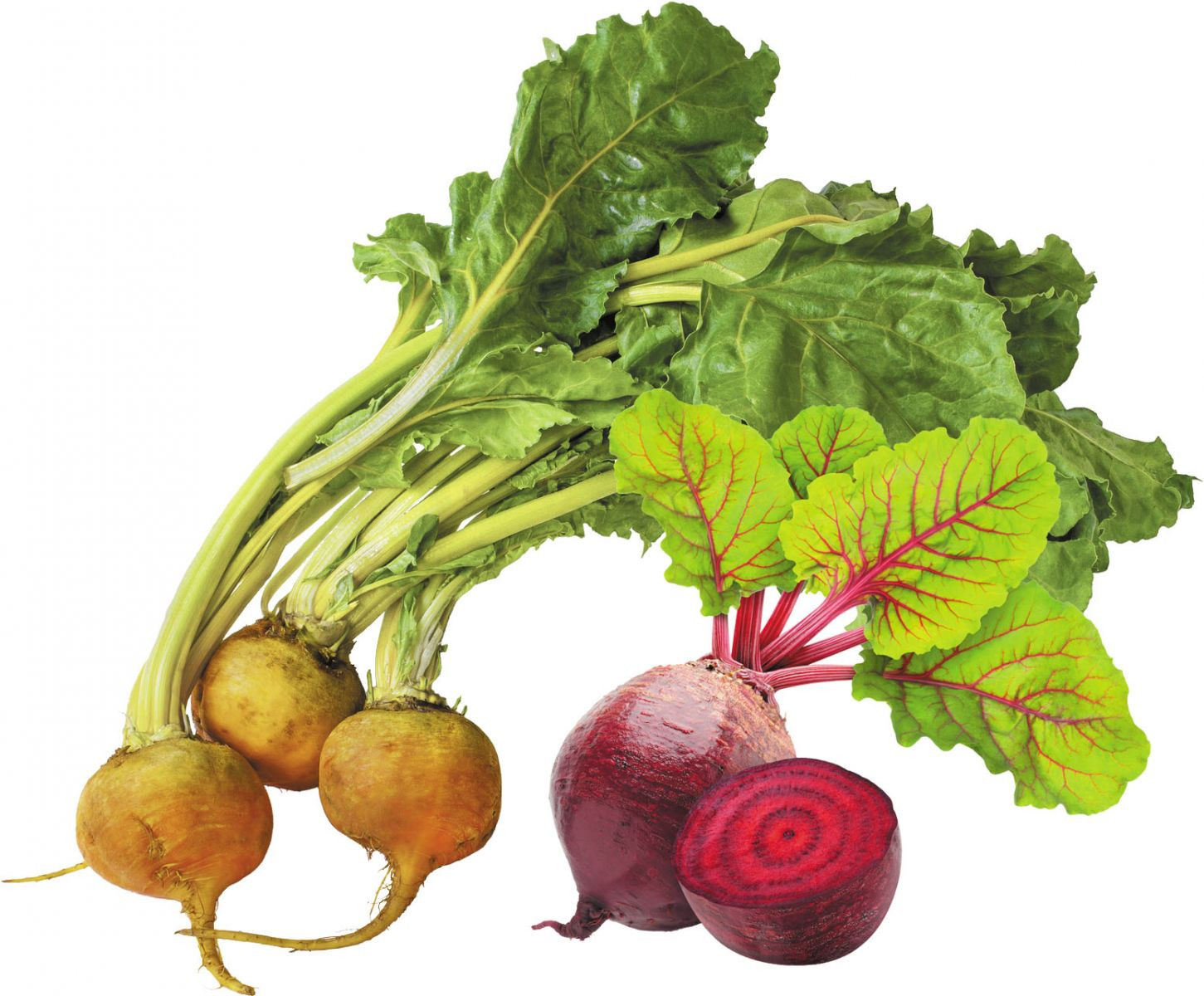
Despite their striking colors — ruby red, golden yellow, and even candy-striped — beets aren't exactly the most popular vegetable on the block. But what if you make them sound more enticing? It turns out that people may eat more "dynamite chili and tangy lime-seasoned beets" than plain old "beets."
In a study done at a Stanford University cafeteria, researchers found that people ate about 25% more vegetables if the selections were described in indulgent terms rather than basic or healthy terms (such as "lighter-choice beets with no added sugar") even though all the dishes were prepared exactly the same way. Other examples of indulgently named veggie dishes included "zesty ginger-turmeric sweet potatoes" and "sweet sizzlin' green beans and crispy shallots." So if you're hoping to entice friends or family to try beets (or other vegetables), add some appealing adjectives to the description.
Fatty liver disease: Should you be tested?
Even a little exercise linked with lower stroke risk in people with afib
Testosterone therapy without evidence of deficiency may boost heart risk
Weight-loss drug may lower risk of heart attacks and infections
Migraine: How it's diagnosed and what that means
Tricep workouts you can do at home
Mindfulness practices to reduce stress and improve focus
Antihistamines may not offer meaningful relief from eczema symptoms
Overweight and taking blood pressure medications: Study finds it's a trend that's working
FDA approves first mRNA-based flu vaccine
Free Healthbeat Signup
Get the latest in health news delivered to your inbox!
Sign Up
