

Fatty liver disease: Should you be tested?

Even a little exercise linked with lower stroke risk in people with afib

Testosterone therapy without evidence of deficiency may boost heart risk

Weight-loss drug may lower risk of heart attacks and infections

Migraine: How it's diagnosed and what that means

Tricep workouts you can do at home

Mindfulness practices to reduce stress and improve focus

Antihistamines may not offer meaningful relief from eczema symptoms

Overweight and taking blood pressure medications: Study finds it's a trend that's working

FDA approves first mRNA-based flu vaccine
Vitamins, minerals & supplements Archive
Articles
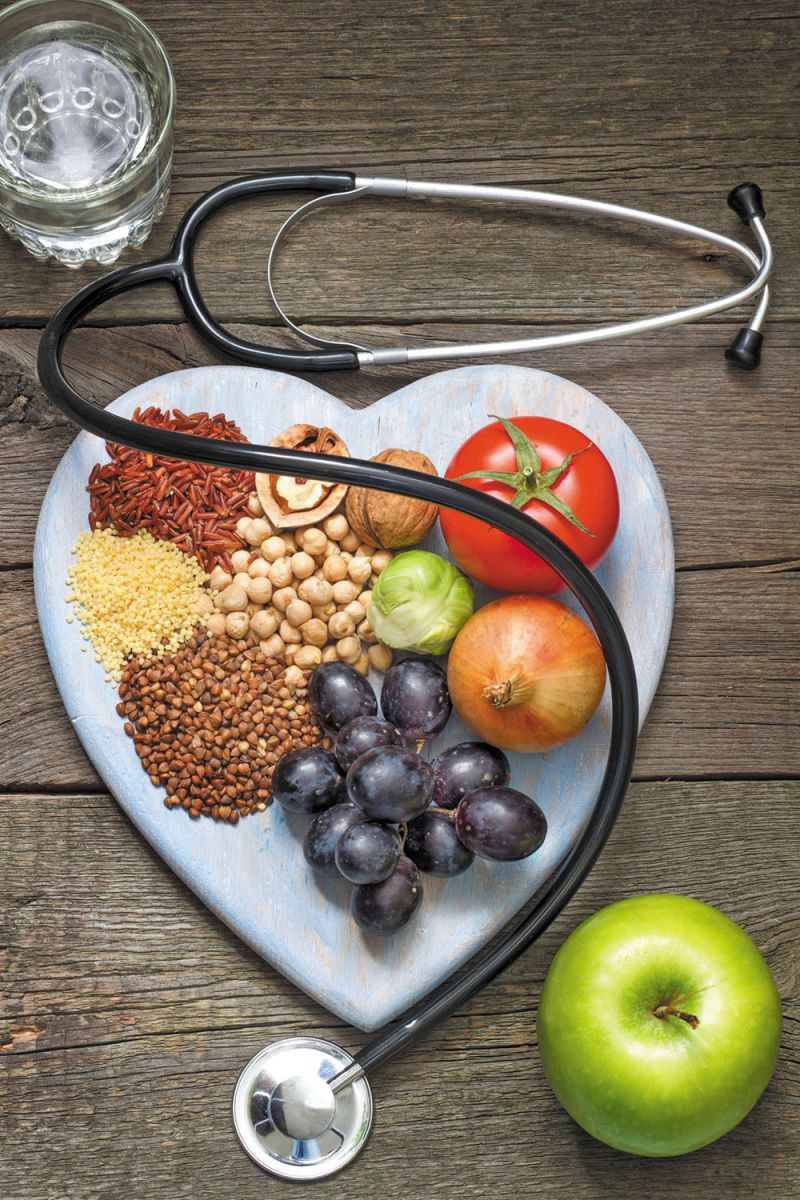
Small diet tweaks can help your heart and overall health
Add these simple changes to your list of New Year's resolutions.
Diet plays a huge role in the health of your heart. Yet for many people, healthy eating is a challenge. Perhaps the biggest problem is the easy access to cheap, highly processed, unhealthy junk food. But conflicting and confusing nutrition advice from popular books, blogs, and other sources is a close second. And chances are your doctor has neither the time nor the training to give you sound nutrition advice.
"People also think that changing their diet requires a major overhaul," says Dr. JoAnn Manson, professor of medicine at Harvard Medical School and chief of preventive medicine at Brigham and Women's Hospital. "But the reality is that a few small changes can go a long way toward improving your eating habits," she says. See "Diet swaps for a healthier heart" for a summary of these suggestions, taken from a piece she coauthored in the Sept. 26, 2017, Journal of the American Medical Association.

Taking clot-prevention drugs for afib may lower risk of dementia
Research we're watching
Among people who have atrial fibrillation (afib), those who take anti-clotting medications may be less likely to develop dementia later in life than those who don't take the drugs, a new study finds.
Afib, a disorder marked by a rapid, irregular heartbeat, raises the risk of stroke as well as dementia. Anti-clotting drugs are known to lower the risk of stroke, but the drugs' effects on dementia weren't clear. So Swedish researchers examined hospital and pharmacy registry data from nearly half a million people who were diagnosed with afib between 2006 and 2014.
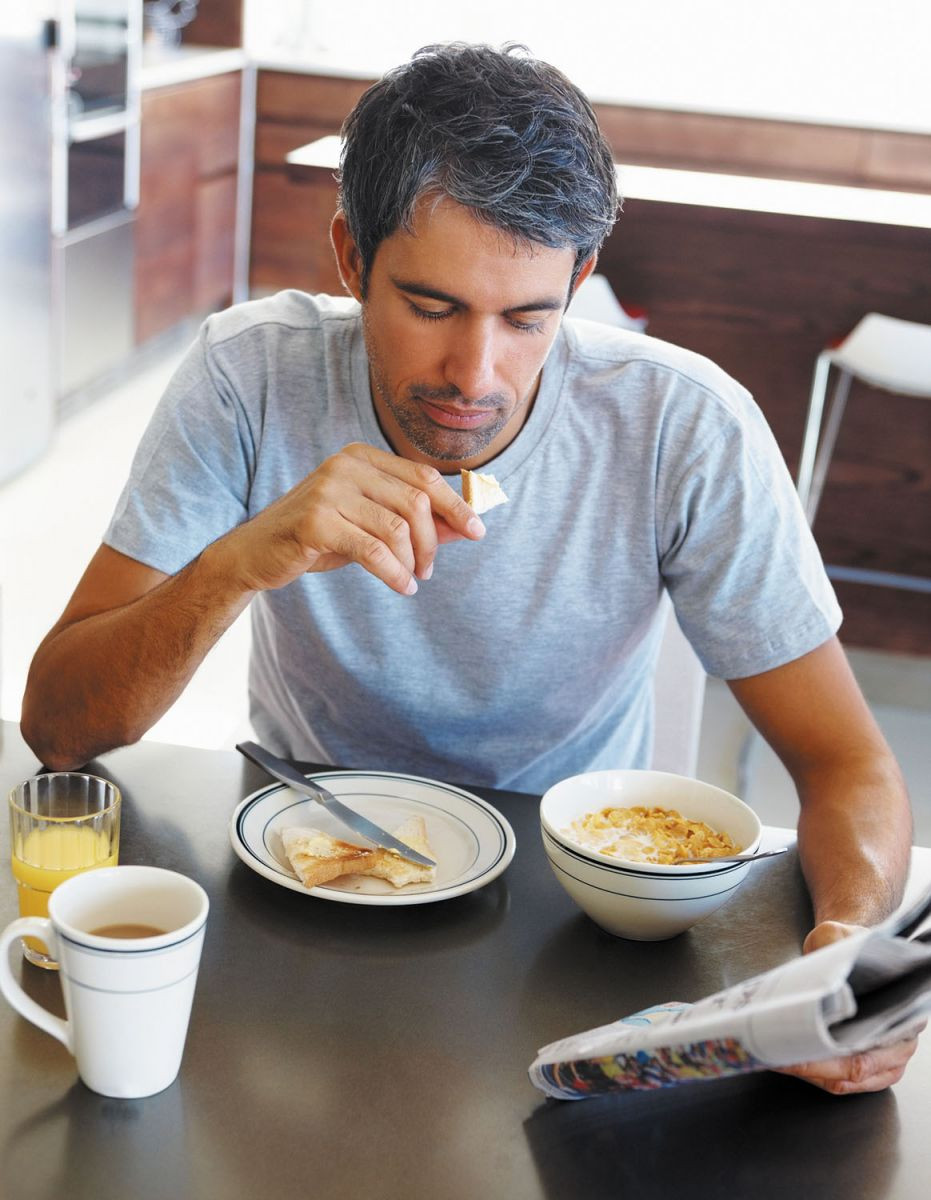
Skipping breakfast linked to higher odds of clogged arteries
Research we're watching
New research supports the old adage that breakfast is the most important meal of the day. A study of more than 4,000 middle-aged adults in Spain found that those who ate breakfast were less likely to have artery-clogging plaque (atherosclerosis) than those who avoided a morning meal.
On average, the participants ate just over 2,300 calories per day. Nearly 3% didn't eat breakfast, while about 27% ate a hearty breakfast and nearly 70% ate a skimpier breakfast. Researchers used ultrasound to check their arteries for early evidence of atherosclerosis, as they described in the October 2017 Journal of the American College of Cardiology.

A more precise approach to fighting cancer
Precision medicine offers a personalized approach for prevention and treatment of cancer and other diseases.
Image: © Pogotskiy/Thinkstock
If you have a stomachache or cold, you go to the pharmacy and grab the same remedy that everyone else uses, and it often works. But is that always the best approach? Your reaction to an infection may be quite different from someone else's, so perhaps you need a treatment designed just for you and your ailment.
That's the philosophy behind precision medicine (sometimes referred to as personalized medicine), an emerging approach to prevention and treatment that takes into account a person's genes, environment, and lifestyle and eliminates the one-size-fits-all approach to health care.
Many prescription drug users not aware of driving-related risks
In the journals
People who take prescription drugs do not always know about side effects that could increase their risk of driving accidents, suggests a study published online Oct. 31, 2017, by the Journal of Studies on Alcohol and Drugs.
Researchers asked 7,405 drivers about their prescription drug use. Nearly 20% used medication that could affect their driving skills — for example, by causing drowsiness or impairing cognitive or motor function — yet almost all were unaware of these potential side effects. Either they did not receive or remember a warning from their doctor or pharmacist, or they did not recognize or recall a warning on the drug label.
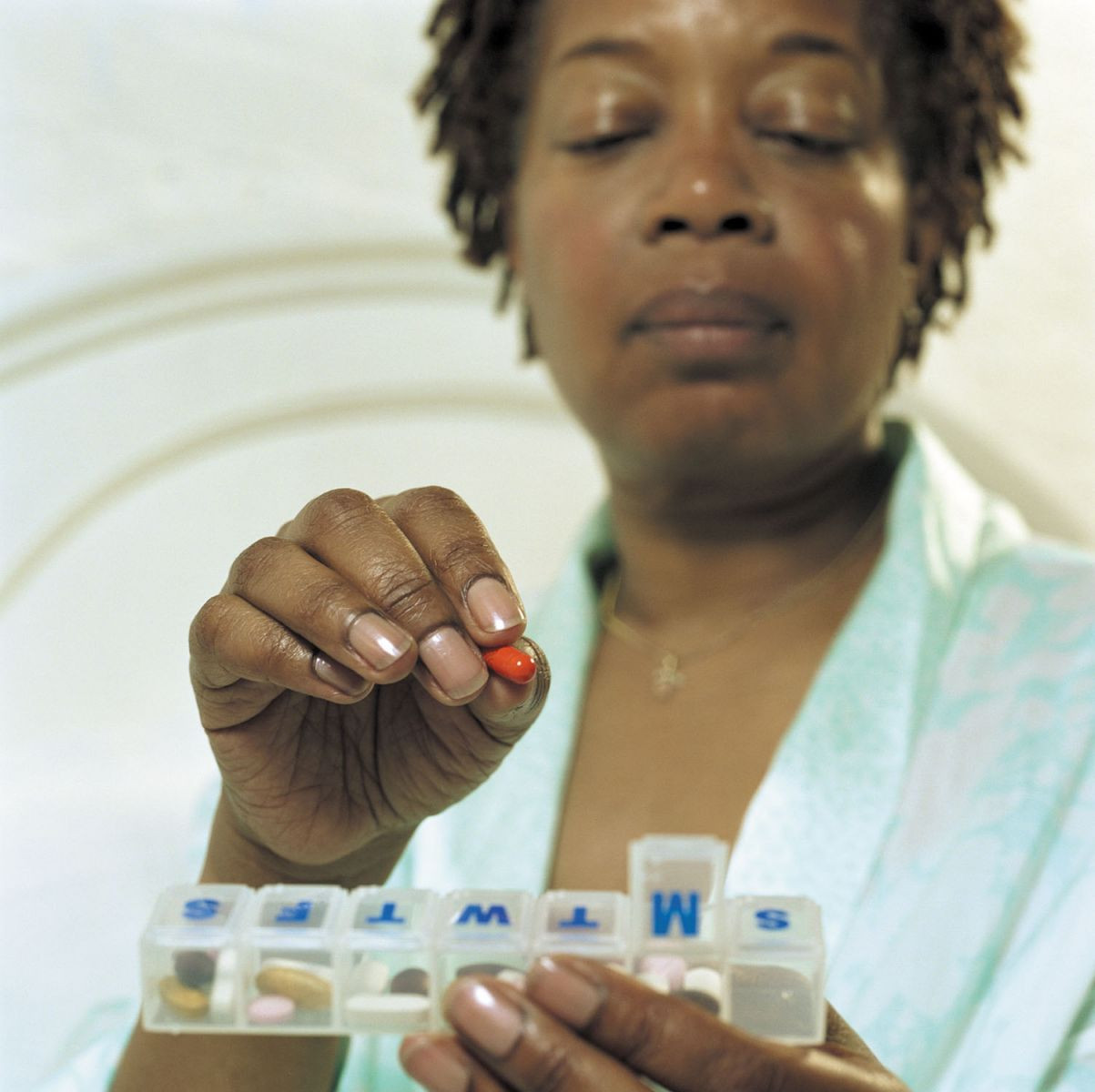
Protect yourself from medication mix-ups
Being vigilant about what you're taking can reduce your risk of a harmful drug reaction.
There's an old expression that the cure is sometimes worse than the disease. That rings true when it comes to a common problem in health care — medication errors.
Medication mix-ups and mistakes sometimes lead to harmful drug reactions, which cause about 700,000 emergency department visits and 100,000 hospital admissions each year, according to the Agency for Healthcare Research and Quality.

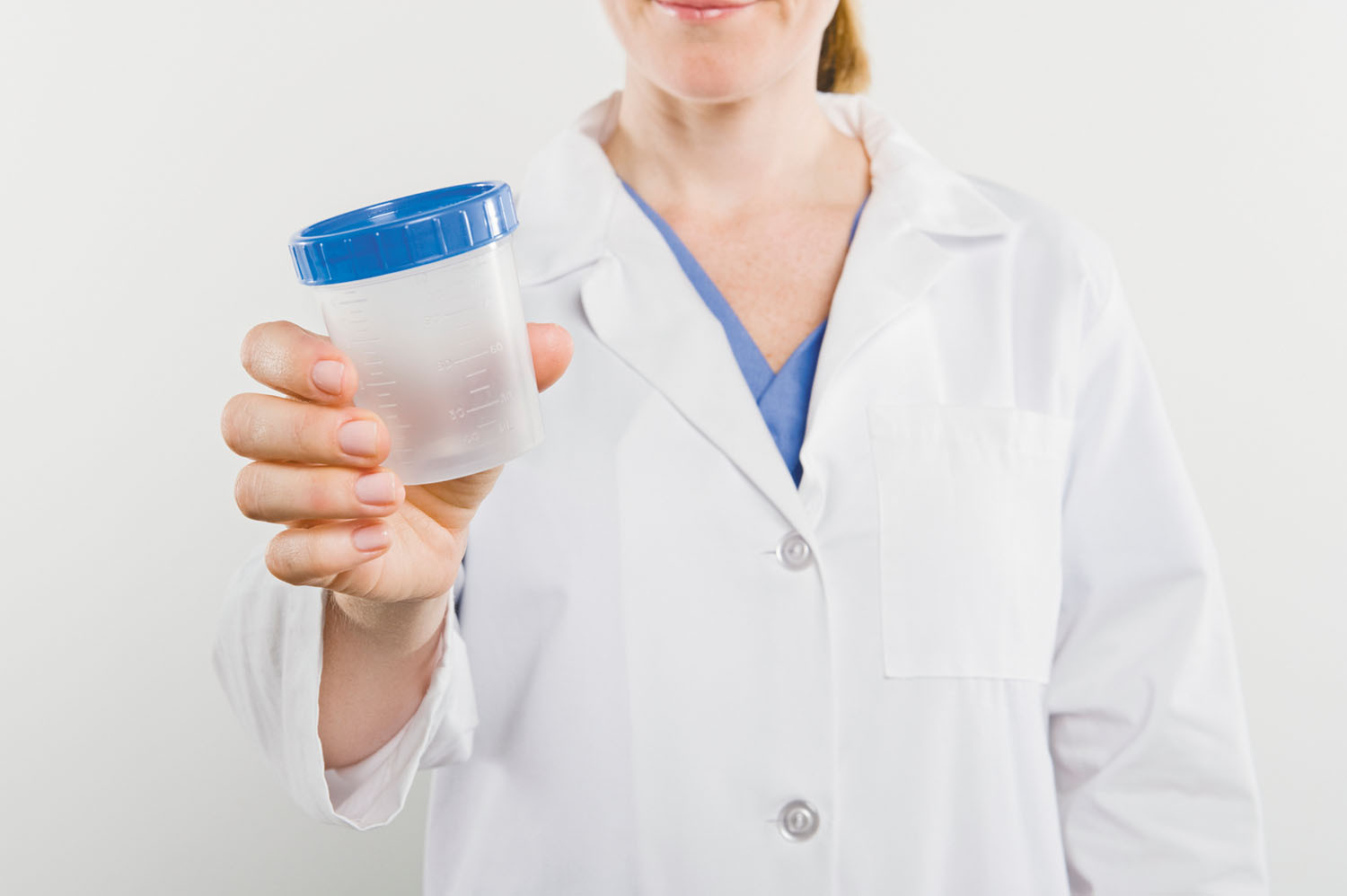
Rapid urine test could reduce unnecessary antibiotic use
Research we're watching
Image: © moodboard/Thinkstock
A new test might help doctors better treat patients with urinary tract infections, according to a study published in the Oct. 4, 2017, issue of Science Translational Medicine. These infections prompt some eight million doctor visits each year, and doctors often prescribe antibiotics to treat the condition. However, sometimes the bacteria they are attempting to treat are resistant to first-line antibiotics. The delay caused by the ineffective medication can, in some cases, cause the patient's condition to worsen and lead to complications. To eliminate this antibiotic guesswork, researchers developed a new quick-acting antimicrobial susceptibility test that not only tells the doctor within 30 minutes whether the patient has a urinary tract infection, but also what type of bacteria caused it and what drugs will best treat it. The test can also quickly identify cases where antibiotics aren't needed at all, preventing overuse of antibiotics, which can promote resistance. The same type of rapid testing, might eventually be of use in identifying the best anti-biotics for other types of bacterial infections as well.
And the winner for highest sodium content goes to…
Research we're watching
You've heard of the Grammys and the Emmys, but how about the MilliGrammys? This satirical award is given by the Center for Science in the Public Interest (CSPI) to the American restaurant foods that give you the biggest dose of sodium in one serving. On Oct. 11, 2017, the organization gave the award for Sodium Content in a Sandwich by a Chain Restaurant to Subway's Footlong Spicy Italian with Provolone and Mayo, with 3,380 milligrams (mg) of sodium, 1,080 mg more sodium than you're supposed to eat in an entire day. Most Sodium in a Single Menu Item went to P.F. Chang's Pad Thai with Shrimp (5,250 mg of sodium), and Chili's restaurant received a Lifetime Achievement Award for a trio of high-salt offerings, including the Beef Bacon Ranch Quesadilla (3,990 mg of sodium), Crispy Fiery Pepper Crispers (6,240 mg), and Texas Dry Rub Ribs (6,260 mg).
CSPI's goal is to raise awareness and get restaurants to curb high sodium levels in their food. To learn more about the awards, visit www.health.harvard.edu/mga.
Fatty liver disease: Should you be tested?
Even a little exercise linked with lower stroke risk in people with afib
Testosterone therapy without evidence of deficiency may boost heart risk
Weight-loss drug may lower risk of heart attacks and infections
Migraine: How it's diagnosed and what that means
Tricep workouts you can do at home
Mindfulness practices to reduce stress and improve focus
Antihistamines may not offer meaningful relief from eczema symptoms
Overweight and taking blood pressure medications: Study finds it's a trend that's working
FDA approves first mRNA-based flu vaccine
Free Healthbeat Signup
Get the latest in health news delivered to your inbox!
Sign Up
