

Fatty liver disease: Should you be tested?

Even a little exercise linked with lower stroke risk in people with afib

Testosterone therapy without evidence of deficiency may boost heart risk

Weight-loss drug may lower risk of heart attacks and infections

Migraine: How it's diagnosed and what that means

Tricep workouts you can do at home

Mindfulness practices to reduce stress and improve focus

Antihistamines may not offer meaningful relief from eczema symptoms

Overweight and taking blood pressure medications: Study finds it's a trend that's working

FDA approves first mRNA-based flu vaccine
Vitamins, minerals & supplements Archive
Articles

Meditation may help lower heart disease risk
Research we're watching
Image: © Svetlana Braun/Thinkstock
The ancient, mind-calming practice of meditation may have a role in reducing the risk of heart disease. So says a scientific statement from the American Heart Association in the Sept. 28, 2017, Journal of the American Heart Association.
Experts reviewed dozens of studies published over the past two decades. The results suggest that meditation may improve a host of factors linked to heart disease, including stress, anxiety, depression, poor sleep quality, and high blood pressure. It may also help people stop smoking. An added bonus: it's low-cost and poses no apparent risk.

Why walnuts may help with weight loss
Research we're watching
Image: © Boonchuay1970/Thinkstock
Noshing on a handful of nuts on most days of the week has been linked to a lower risk of obesity and heart disease. New research may help explain why: walnuts appear to activate a brain region involved in appetite and impulse control.
For the study, nine people with obesity drank a smoothie that contained about 14 ground walnut halves or a placebo smoothie (identical in taste and calories) for five consecutive days. After a month on their regular diets, the participants returned for another five days, during which the placebo group drank walnut smoothies and vice versa. On day five of both periods, they underwent brain imaging tests while looking at pictures of desirable foods (such as burgers and cake), less desirable foods (vegetables), or neutral pictures of rocks and trees.

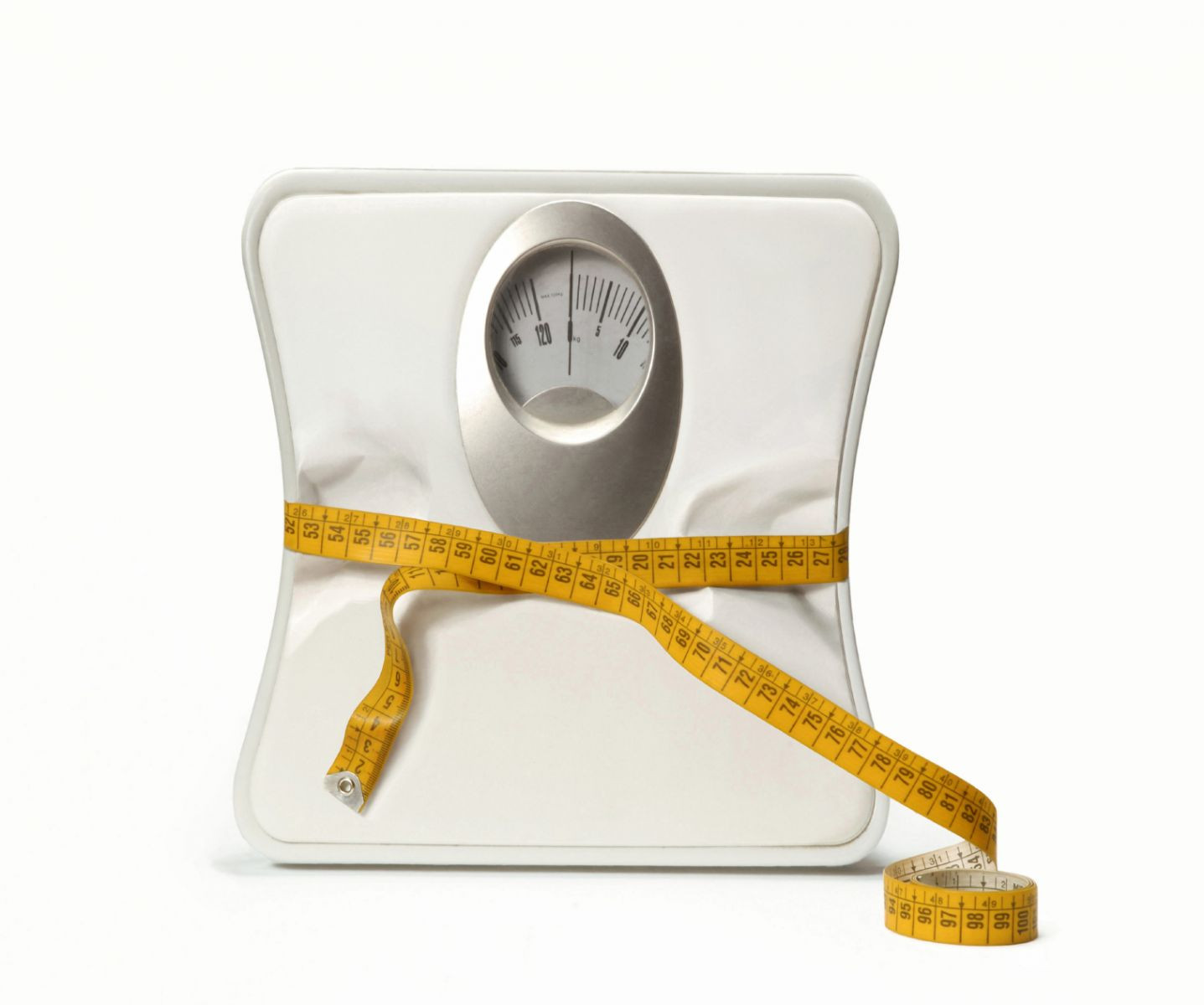
Find the weight-loss plan that works for you
You've tried different diets — and have even been exercising regularly — but those extra pounds won't budge. Don't give up. It may be that you haven't yet found the weight-loss strategies that work for you.
"Everything works for some people, but no treatment is equally effective for everyone," says Dr. Lee Kaplan, director of the Obesity, Metabolism and Nutrition Institute at Massachusetts General Hospital. "No method is fundamentally better than any other. The key is finding out which therapy is best for you, and that takes trial and error."

Heart failure and potassium
Your body depends on the mineral potassium for many bodily functions, including keeping control of the electrical balance of your heart, metabolizing carbohydrates, and building muscle.
Low potassium levels can cause muscle weakness and heartbeat irregularities. On the other hand, too much potassium can cause your heart to stop.

Free services to help your health
Take advantage of free medications, blood pressure screenings, and exercise classes to stay healthy and save money.
Image: © Wavebreakmedia/Thinkstock
Medical costs are soaring, but not every step you take to improve your health has to cost an arm and a leg. Some services are even free, regardless of your financial need. "These are incredibly helpful, although few of my patients know about many of them," says geriatrician Dr. Suzanne Salamon, an assistant professor at Harvard Medical School. The trick is knowing where to find the services, and this month we have suggestions on where to look.
Free exercise classes
Exercise is essential for overall health and mobility, especially as we get older. Many organizations support that by offering free exercise classes for older adults. Good places to find free classes: hospitals and senior centers. Give them a call, or look on the Internet to see an organization's event calendar.

Avoid drowsiness after holiday feasts
Ask the doctor
Image: © circlePS/Thinkstock
Q. Is there a way to avoid feeling sleepy after a holiday meal?
A. That's an unusual question: my patients usually ask me about foods to help them sleep. But with the holidays coming, the concern often is reversed. You may be with friends and family that you see only infrequently, and you don't want to nod off during the conversation.
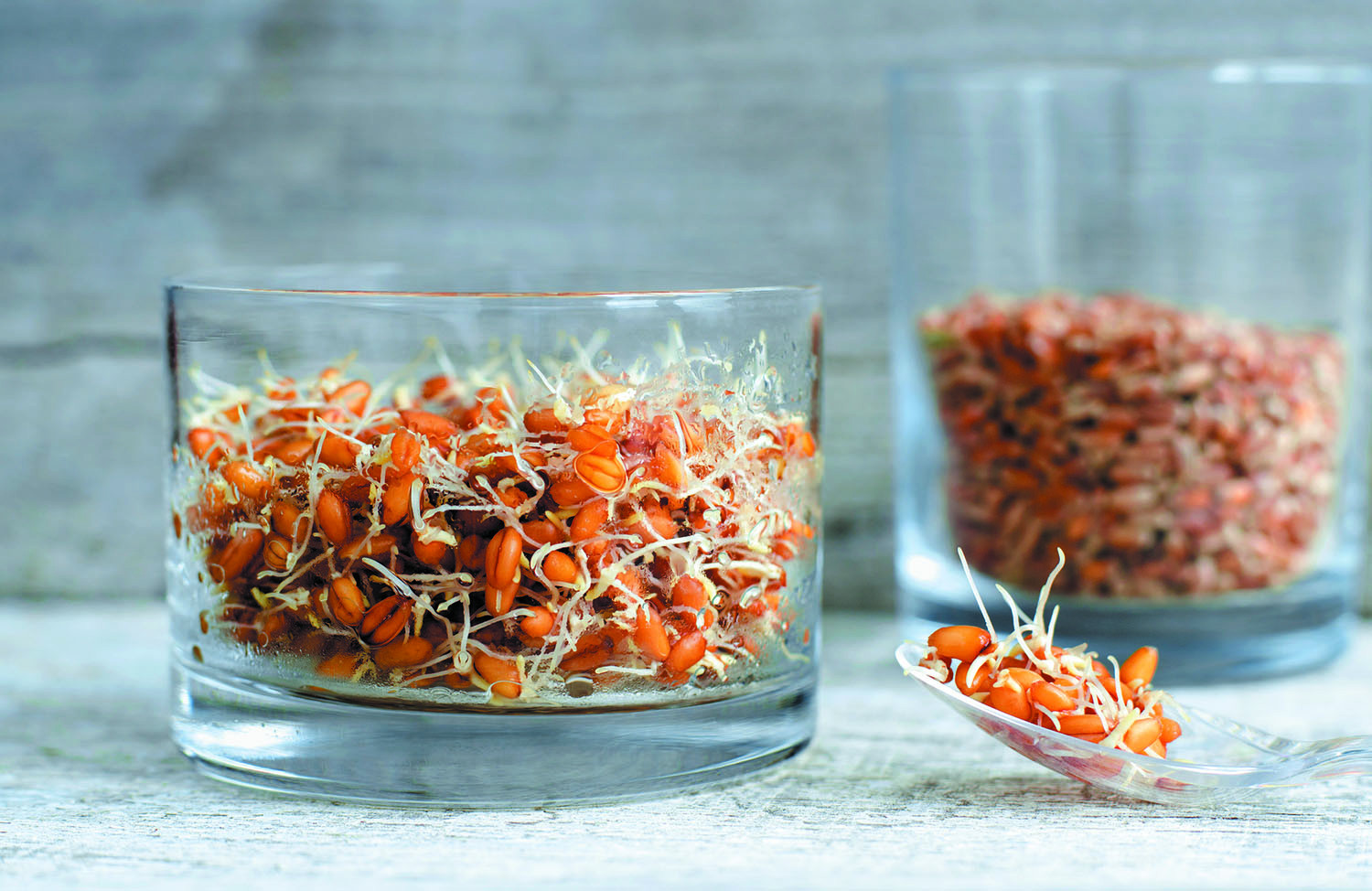
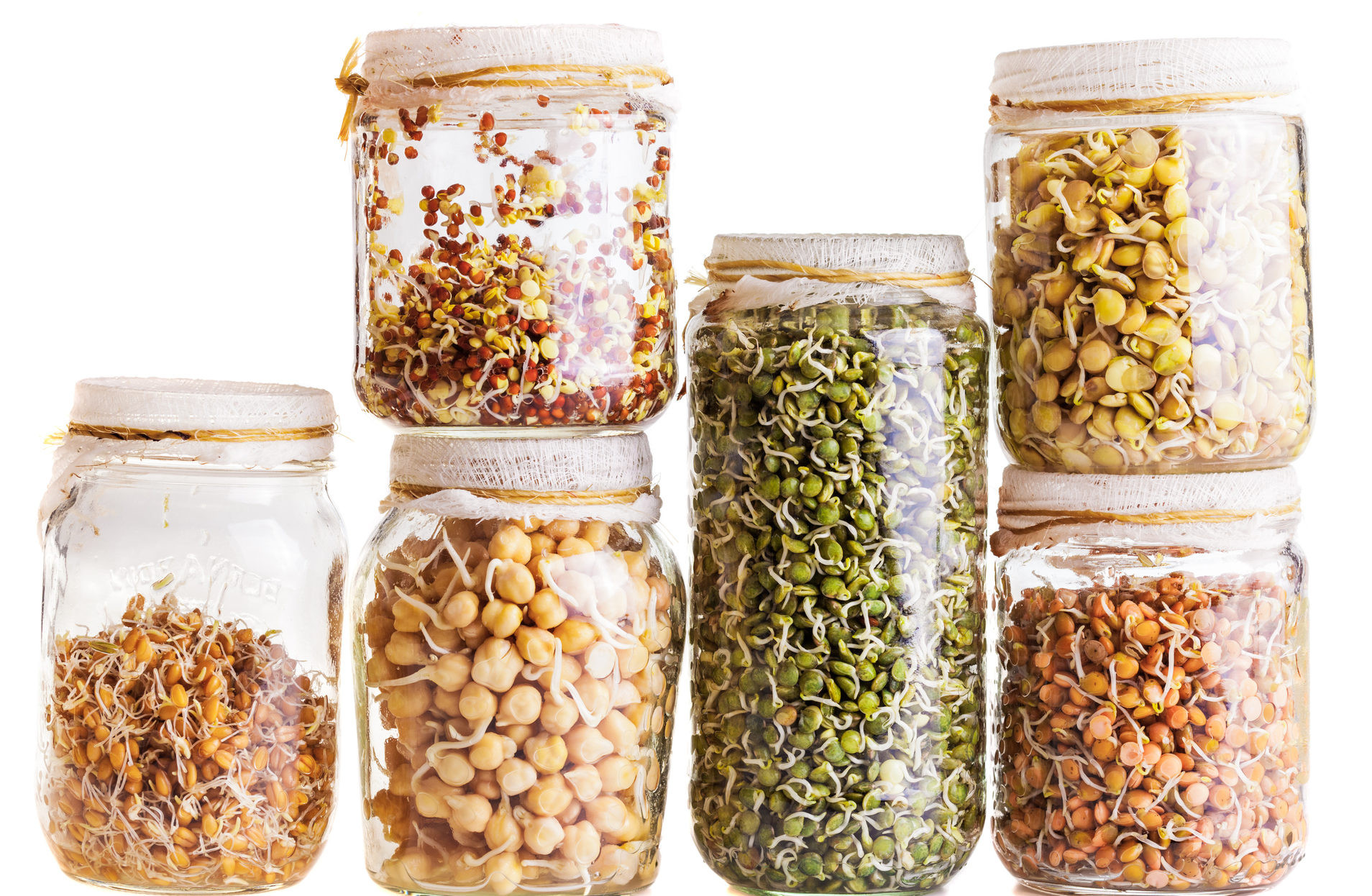
Trending now: Sprouted grains
These grains have more nutrients than regular whole grains, and they may be easier to digest.
Image: © kazmulka/Thinkstock
You know that whole grains are loaded with nutrients and fiber and are an important component of a healthy diet. Now an early harvesting method for grains — when they're just sprouts — is becoming popular, with sales of sprouted grains predicted to grow eightfold in the United States by 2018.
"It's one of those trends taking off as people are looking for the next big thing. And in some ways, sprouted grains are a step above regular whole grains," says Kristina Secinaro, a registered dietitian at Harvard-affiliated Beth Israel Deaconess Medical Center.
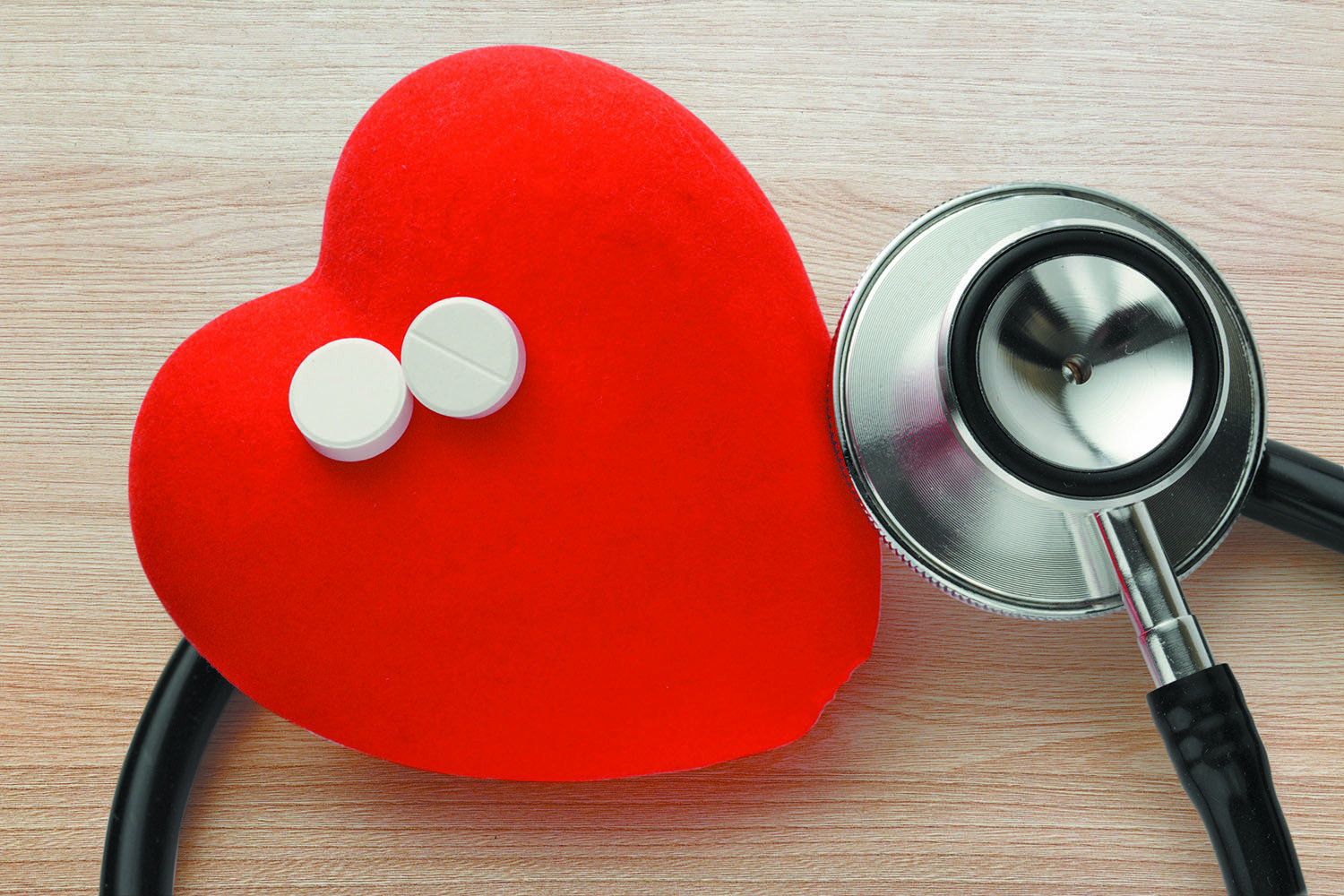
Weighing the risks and benefits of aspirin therapy
It may help prevent a heart attack or stroke, but it comes with the risk of bleeding.
Image: © Garsya/Thinkstock
Maybe you've heard about people who take a low-dose aspirin each day to ward off heart problems. Since aspirin is a medicine you've probably used now and then without a problem, and since it is available without a prescription, you might consider trying a daily low-dose aspirin yourself. Don't do it. Unlike deciding to take a multivitamin, taking a daily aspirin isn't something you should decide to do on your own.
Aspirin therapy is typically prescribed to people who have atherosclerosis of the arteries of the heart or brain, or risk factors for such disease. Just who should take a daily aspirin, how much aspirin, and what type of aspirin are hotly debated issues, with clinical trials under way in search of answers. "Until those results are in, you should talk to your doctor before starting aspirin," says Dr. Deepak Bhatt, a cardiologist and the editor in chief of the Harvard Heart Letter.
Fatty liver disease: Should you be tested?
Even a little exercise linked with lower stroke risk in people with afib
Testosterone therapy without evidence of deficiency may boost heart risk
Weight-loss drug may lower risk of heart attacks and infections
Migraine: How it's diagnosed and what that means
Tricep workouts you can do at home
Mindfulness practices to reduce stress and improve focus
Antihistamines may not offer meaningful relief from eczema symptoms
Overweight and taking blood pressure medications: Study finds it's a trend that's working
FDA approves first mRNA-based flu vaccine
Free Healthbeat Signup
Get the latest in health news delivered to your inbox!
Sign Up
