

Fatty liver disease: Should you be tested?

Even a little exercise linked with lower stroke risk in people with afib

Testosterone therapy without evidence of deficiency may boost heart risk

Weight-loss drug may lower risk of heart attacks and infections

Migraine: How it's diagnosed and what that means

Tricep workouts you can do at home

Mindfulness practices to reduce stress and improve focus

Antihistamines may not offer meaningful relief from eczema symptoms

Overweight and taking blood pressure medications: Study finds it's a trend that's working

FDA approves first mRNA-based flu vaccine
Vitamins, minerals & supplements Archive
Articles

Microwaving food in plastic: Dangerous or not?
Let's cover the original misinformation first: The earliest missives warned that microwaved plastic releases cancer-causing chemicals called dioxins into food. The problem with that warning is that plastics don't contain dioxins. They are created when garbage, plastics, metals, wood, and other materials are burned. As long as you don't burn your food in a microwave, you aren't exposing yourself to dioxins.
Migrating chemicals
There's no single substance called "plastic." That term covers many materials made from an array of organic and inorganic compounds. Substances are often added to plastic to help shape or stabilize it. Two of these plasticizers are
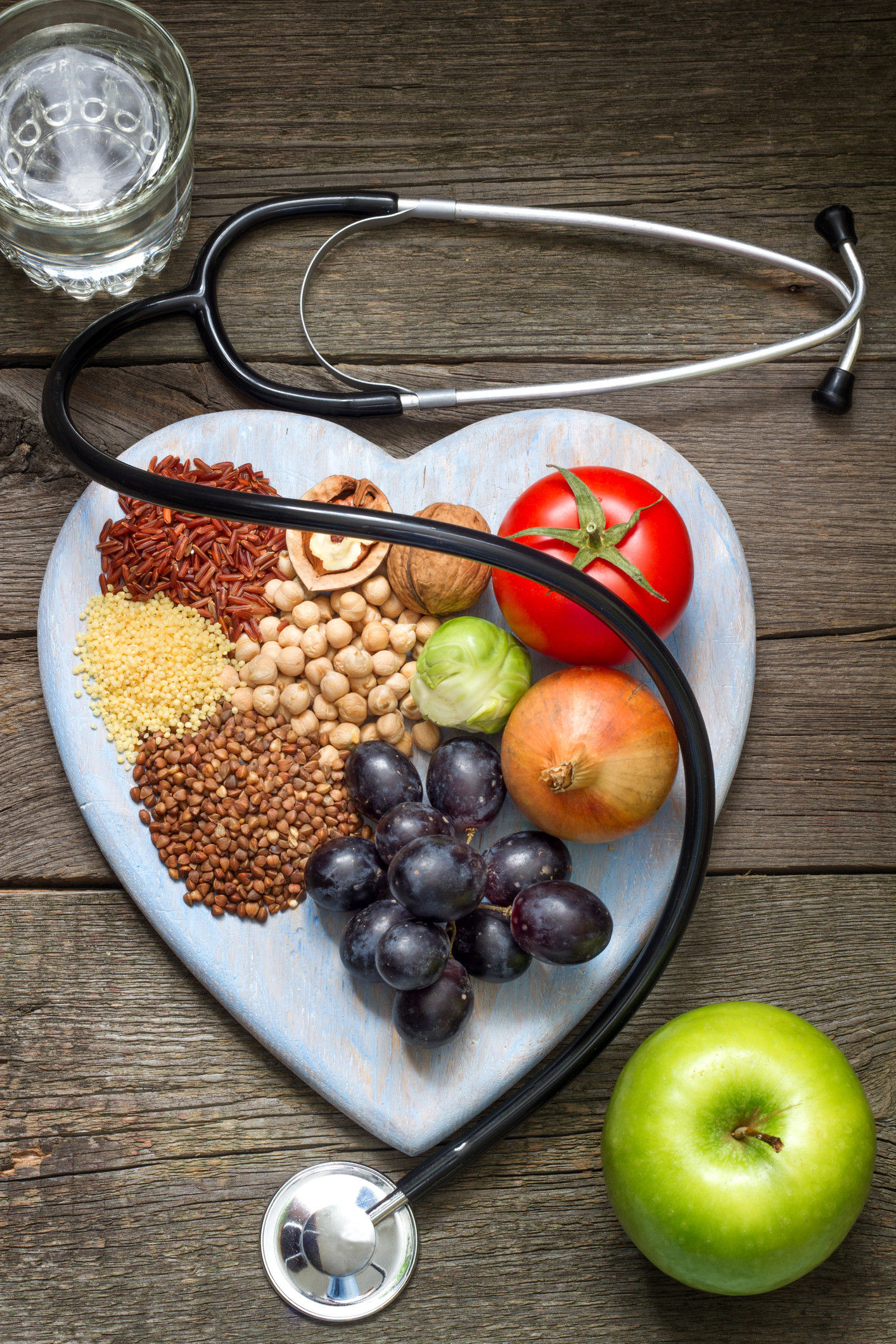

An aspirin a day for your health?
A daily low-dose aspirin may help prevent stroke and certain cancers, but the therapy carries certain risks you'll want to discuss with your physician.
It used to be that you would reach for an aspirin only if you had a headache or an achy joint, but current research shows that low doses of the drug may reduce your risk of stroke and even help prevent colorectal cancer.
So, does this mean you should head to the pharmacy, grab a bottle, and pop a tablet every morning to ward off disease? The short answer is, maybe — but only after you have a detailed conversation with your doctor about the potential benefits and risks. A low-dose aspirin regimen is certainly not appropriate for every woman.
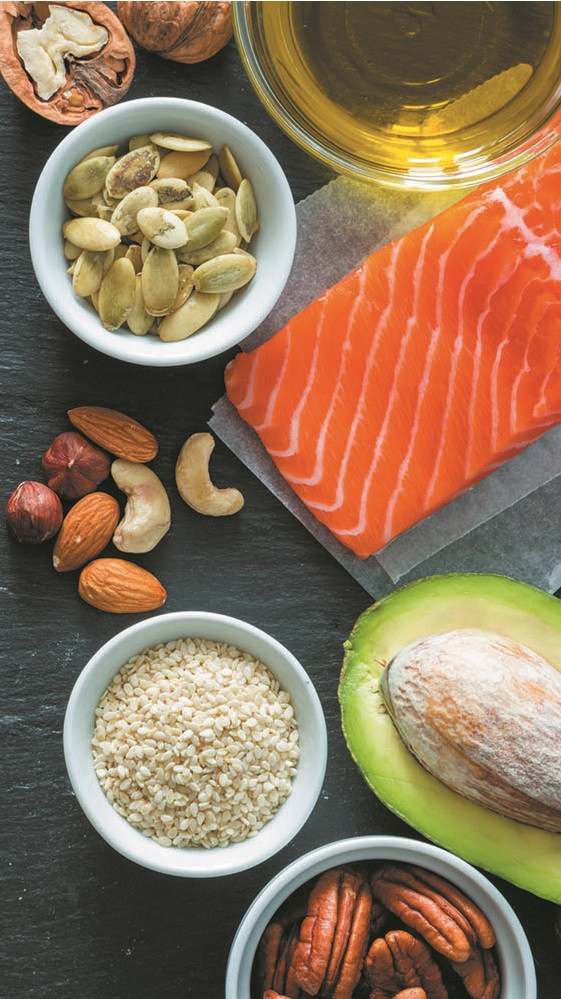
Getting to the heart of the fat issue
A certain amount of healthy fat is good for your heart.
Low-fat, no-fat, fat-free. Fat has been shamed for so long, it's easy to think there's no place for it in a heart-healthy diet. But the opposite is true. "It's a myth that lowering fat intake is healthy," says Dr. Frank Sacks, professor of cardiovascular disease prevention at the Harvard T.H. Chan School of Public Health. "The key is to use more healthful unsaturated fats and less of the detrimental saturated fats."
The good and the bad
To understand the role of fat in heart health, you first have to look at where it's found in food. There are two types of fat: saturated and unsaturated.

Erectile dysfunction drugs not linked to melanoma
In the journals
The erectile dysfunction drugs collectively known as phosphodiesterase type 5 (PDE5) inhibitors, such as sildenafil (Viagra), may not cause melanoma, the most dangerous form of skin cancer, according to a study published online May 19, 2017, by the Journal of the National Cancer Institute.
In 2016, the FDA put PDE5 inhibitors on its watch list of medications with possible safety issues after some studies suggested they might increase the risk for melanoma. In response to the FDA's action, researchers analyzed data from five large-scale studies of the issue, involving 866,049 men, published between 2014 and 2016.
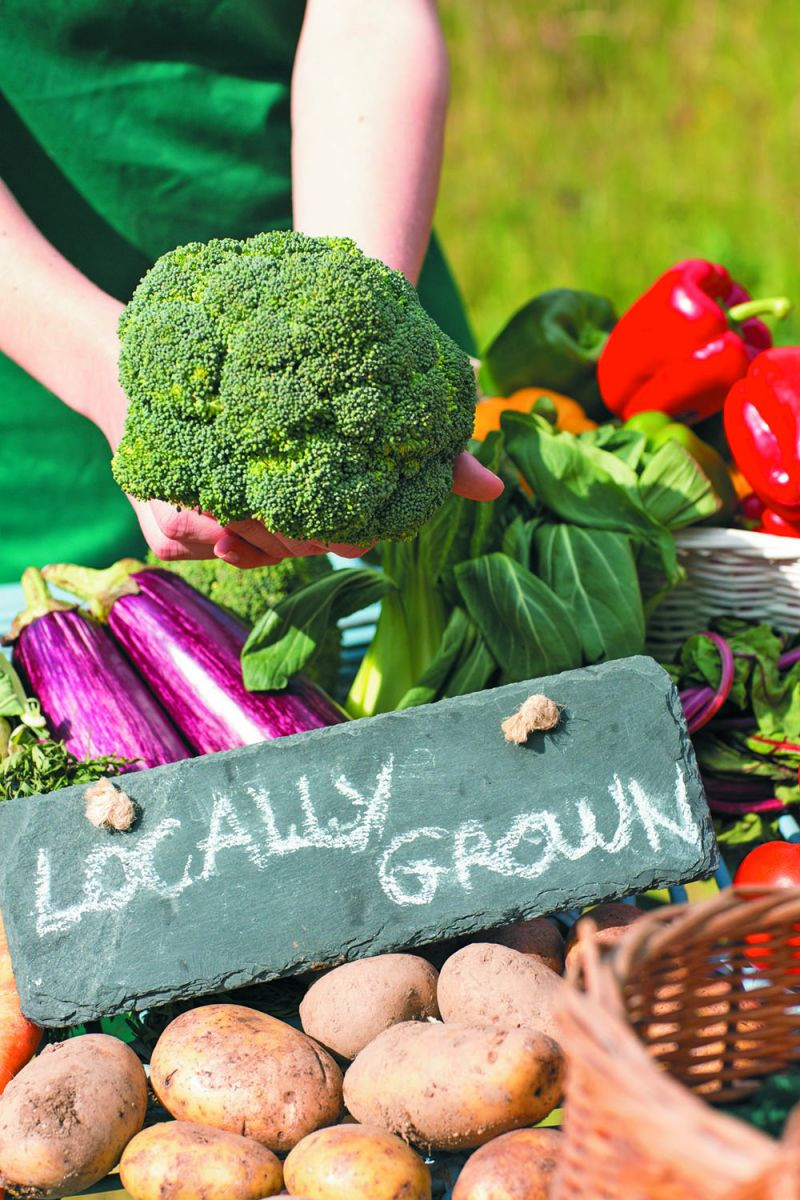
Avoiding health risks at the farmers’ market
Watch out for unpasteurized products, and ask vendors about food safety.
There's something magical about strolling through a farmers' market on a crisp autumn morning. The fruit and vegetables seem fresher there than they do in a store — apples taste tarter, tomatoes seem redder and riper. It's a farm-to-table connection that puts you in touch with nature and the harvest.
Maybe that's partly behind the explosion of farmers' markets across the country, climbing from about 2,000 markets in 1994 to more than 8,600 today, according to the Farmers Market Coalition. "It's a great way to get fresh produce and try different foods you may not have come across before. But it should be enjoyed with caution," urges Dr. Simi Padival, an infectious disease specialist with Harvard-affiliated Beth Israel Deaconess Medical Center.
Why didn’t mom think of this?
News briefs
Here's an idea to make vegetables more enticing: give them names that make them seem indulgent. An observational study published online June 12, 2017, by JAMA Internal Medicine found that diners in a large university cafeteria were more likely to put vegetables on their plates when the foods had less health-conscious names. Each weekday during the fall academic quarter, researchers took a batch of cooked vegetables and labeled them in one of four ways: basic (such as simply "green beans"); healthy restrictive (such as "light 'n' low-carb green beans and shallots"); healthy positive (such as "healthy energy-boosting green beans and shallots"); or indulgent (such as "sweet sizzlin' green beans and crispy shallots"). During the study period, diners usually went for vegetables with less healthy labels: 25% more people chose the indulgent option over basic labeling, 35% more people selected indulgent instead of healthy positive labeling, and 41% more people chose indulgent over healthy restrictive labeling. The indulgent label also led to people piling up to 33% more vegetables on their plates. The study didn't prove that the labels triggered the vegetable selections, and didn't prove that people actually ate their veggies. But the authors say using enticing food names appears to be a simple strategy to promote healthy eating.
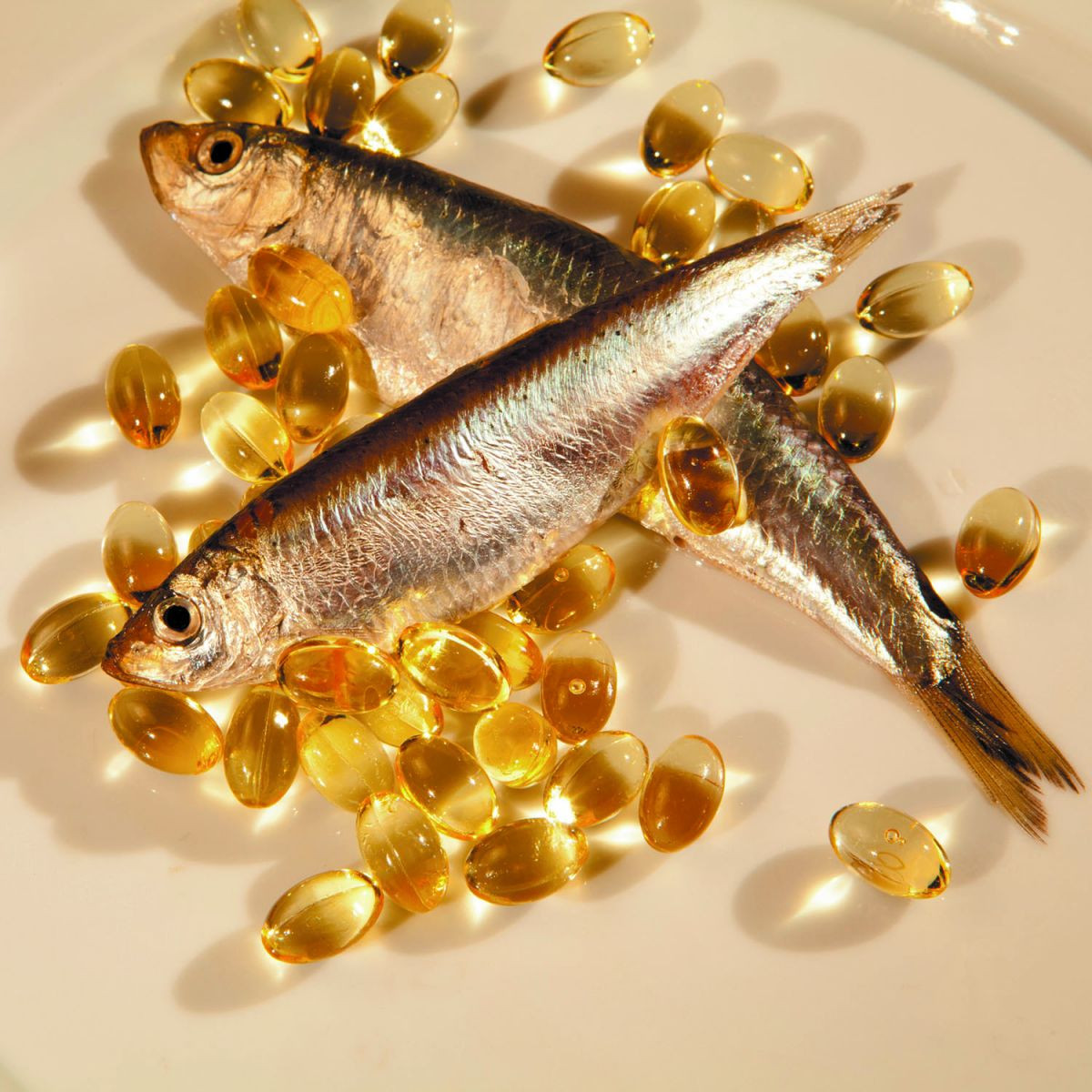
Taming high triglycerides without fish oil?
Ask the doctor
Image: © JanIngeskogheim/Thinkstock
Q. My doctor prescribed Lovaza to help lower my high triglyceride level, which is 530 milligrams per deciliter (mg/dL). But I'm a vegetarian and don't want to take a drug made from fish oil. Are there other options?
A. You're not alone: several of my vegetarian patients also have asked me this question. But let's begin with some background. Triglycerides — which are the main form of fat found in our bodies — are part of a standard lipid panel blood test. Values higher than 150 mg/dL are associated with a higher risk of heart disease.

Food trends and your heart
The type and amount of fat, carbohydrate, sugar, and salt in our food supply has changed over the years — for better and for worse.
Remember when packaged foods emblazoned with the words "fat free" seemed to be everywhere? Then came labels boasting "zero grams of trans fat." "Sugar free" and "low sodium" claims soon joined the chorus. These days, gluten-free foods are all the rage.
For the most part, these food industry trends echoed the nutritional mantras of the time and were designed to improve our health — especially cardiovascular health. Not only is heart disease the nation's leading killer, there's overwhelming evidence that better dietary choices could prevent many heart attacks and strokes. But just how successful have these efforts been?

A salad a day keeps stroke away?
Research we're watching
Image: © pilipphoto/Thinkstock
New research suggests that eating plenty of nitrate-rich vegetables — such as lettuce, spinach, and beets — may lower your risk of dying of a stroke or heart attack.
During digestion, your body converts nitrates into nitric oxide. This compound relaxes and widens blood vessels, which helps lower blood pressure. But does that translate to a longer life? To find out, researchers studied the diets of 1,226 older women who had no signs of fatty plaque in their arteries (atherosclerosis) and tracked them for 15 years.
Fatty liver disease: Should you be tested?
Even a little exercise linked with lower stroke risk in people with afib
Testosterone therapy without evidence of deficiency may boost heart risk
Weight-loss drug may lower risk of heart attacks and infections
Migraine: How it's diagnosed and what that means
Tricep workouts you can do at home
Mindfulness practices to reduce stress and improve focus
Antihistamines may not offer meaningful relief from eczema symptoms
Overweight and taking blood pressure medications: Study finds it's a trend that's working
FDA approves first mRNA-based flu vaccine
Free Healthbeat Signup
Get the latest in health news delivered to your inbox!
Sign Up
