

Fatty liver disease: Should you be tested?

Even a little exercise linked with lower stroke risk in people with afib

Testosterone therapy without evidence of deficiency may boost heart risk

Weight-loss drug may lower risk of heart attacks and infections

Migraine: How it's diagnosed and what that means

Tricep workouts you can do at home

Mindfulness practices to reduce stress and improve focus

Antihistamines may not offer meaningful relief from eczema symptoms

Overweight and taking blood pressure medications: Study finds it's a trend that's working

FDA approves first mRNA-based flu vaccine
Vitamins, minerals & supplements Archive
Articles

Sodium in groceries on the decline
News briefs
The amount of sodium we're bringing home from the grocery store has dropped significantly in the past two decades, according to a study published online June 5, 2017, by JAMA Internal Medicine. Excess sodium intake is associated with a higher risk of heart disease. Researchers analyzed the sodium in about 1.5 million products purchased by more than 172,000 households in the United States from 2000 to 2014. Sodium in packaged foods brought into these homes declined from about 2,300 milligrams (mg) per person per day to about 1,900 mg per person per day. The declines were seen in all kinds of products — especially those notoriously high in sodium like condiments, sauces, dips, and salty snacks. The study can't tell us if the amount of sodium people consume is also declining. But it's a good reminder to keep an eye on your intake, since a salty diet can lead to high blood pressure, a major risk factor for heart disease and stroke. The American Heart Association says an ideal limit is 1,500 mg of sodium per day for most adults. That's hard to achieve, but being a savvy shopper for lower-sodium foods can help.
Image: © Lizalica/Thinkstock

Beta blocker blues?
Ask the doctor
Q. My doctor added metoprolol to the diuretic medication I'm taking for my high blood pressure. Ever since then, I've felt more tired than usual, and my wife says I seem a little depressed. Could the new drug be to blame, and if so, is there anything I can do about it?
A. Metoprolol (Lopressor, Toprol) belongs to a class of drugs known as beta blockers. These drugs — which make the heart beat slower and with less force — used to be given as a first-choice treatment for high blood pressure. But they can cause fatigue and depression in some people, as well as other side effects, such as erectile dysfunction.

Plant-based diets that protect your heart
Limiting animal-derived foods is only part of the story.
Image: © AnnaPustynnikova/Thinkstock
If you're not totally sure what constitutes a plant-based diet, you're not alone. Many people believe a plant-based diet means a vegetarian diet — a family of eating patterns that omits some or all foods that come from animals (see "Vegetarian variations").
But plant-based diets don't necessarily exclude animal-derived foods. While the main focus is on plants — grains, vegetables, fruits, legumes (dried beans and peanuts), and nuts — these diets may include limited amounts of fish, meat, poultry, and dairy products.
Marijuana linked to high blood pressure risk
Research we're watching
People who smoke marijuana may face a higher risk of dying of complications of high blood pressure than people who never use the drug, new research suggests.
The study included 1,213 people ages 20 and older who were part of a larger national health survey that began in 2005. Those who said they'd ever used marijuana (57%) were considered users. Researchers then looked at data on different causes of death in 2011 and estimated the association between marijuana use with death from high blood pressure, heart disease, and stroke.
Why do I bruise more easily as I age?
On call
Q. I seem to bruise more frequently as I get older. Even when I have not bumped into anything, I see bruises on my arms. What causes that, and should I be worried?
A. Easy bruising is a common issue for many older men. That's because of a combination of less subcutaneous (fat) tissue and more fragile blood vessels.
Is my blood pressure too low?
Ask the doctors
Q. The July 2017 issue of Harvard Women's Health Watch spoke about the potential problems related to low blood pressure when taking blood pressure medication. My readings meet the definition of low blood pressure outlined in the article, but I don't take any medication. Should I be concerned, and if so, what should I do to raise my blood pressure?
A. In general, blood pressure is deemed too low only if it causes symptoms. A normal blood pressure is defined as a reading below 120/80 millimeters of mercury (mm Hg), and some experts consider your blood pressure low only if it dips below 90/60 mm Hg. However, a low reading can be normal for some people. Your doctor probably won't be too concerned about it unless it occurs suddenly; you have an underlying health condition that could cause low blood pressure, such as heart failure; or you are experiencing symptoms such as dizziness, lightheadedness, fainting, fatigue, or nausea. Some medications, such as diuretics (water pills), some antidepressants, and beta blockers, among others, can also cause low blood pressure. But since you aren't taking any medication, this is not an issue. If you are having symptoms related to your low blood pressure, this is something you definitely want to mention to your doctor. But if you've always had low blood pressure and you're not experiencing any problems, it's likely that this is normal for your body.
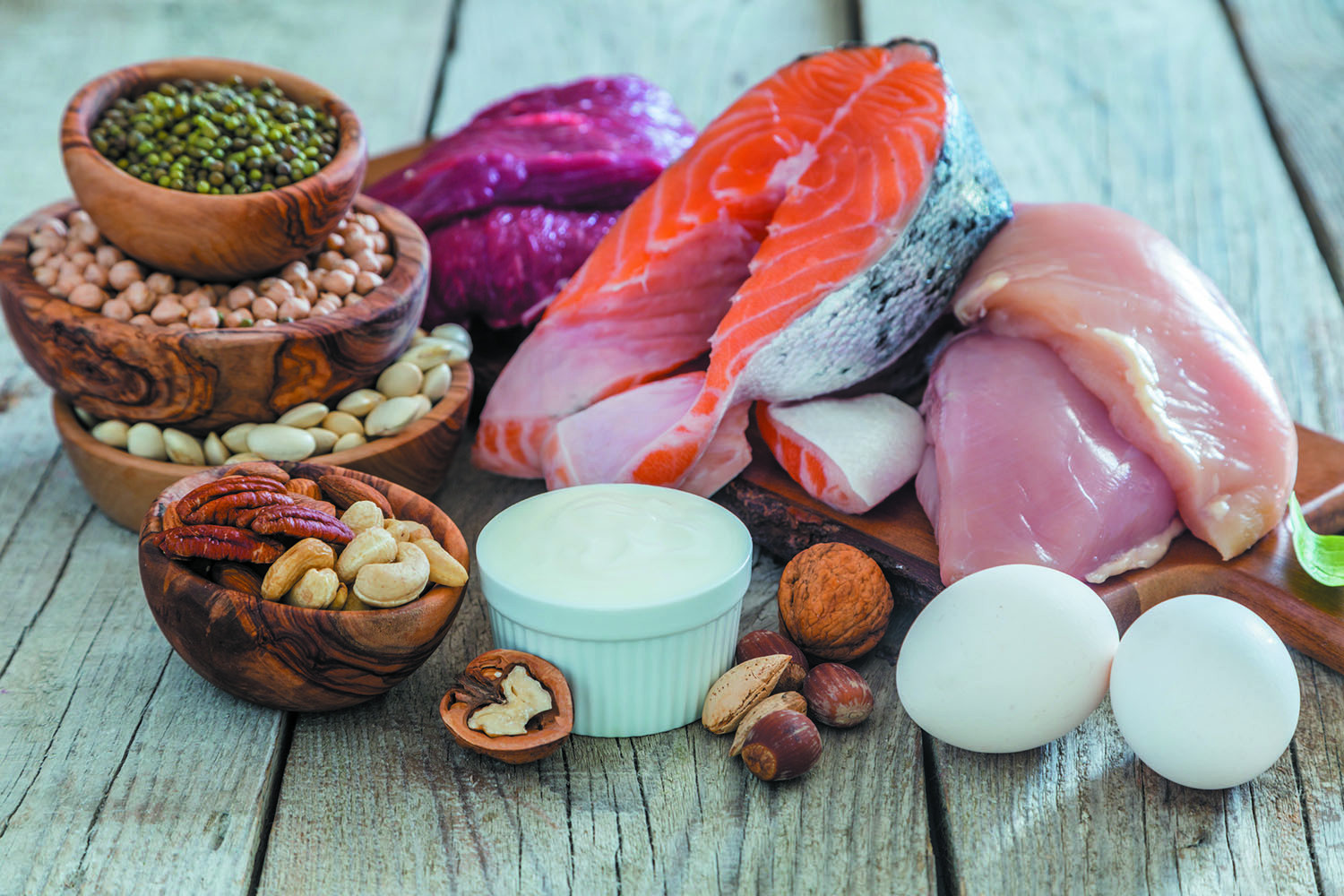
Protein at every meal may help preserve muscle strength as you age
Research we're watching
Image: © a_namenko/Thinkstock
Want to maintain your muscle strength as you age? A study in the July issue of The American Journal of Clinical Nutrition suggests that eating protein at breakfast, lunch, and dinner may help.
While it has been long thought that when you got your protein during the day didn't make a difference as long as your intake was sufficient, emerging research shows that this may not be the case. Researchers in this study looked at a group of 1,741 healthy older men and women in Canada and followed them for three years. They assessed the participants' strength and mobility at the outset of the study, and then tracked their diets and reassessed their strength at the end of the study period. People who ate protein at all three meals throughout the day were stronger at the beginning and the end of the study than those who mostly ate their protein only at dinner — even if they ate roughly the same amount of protein over all.

A doctor’s recipe for a healthy breakfast
Find out a Harvard Medical School doctor’s secret to a quick, budget friendly, and simple healthy breakfast.

Pulse power: Easy ways to make plant-based proteins a regular part of your diet
Beans, lentils, chickpeas, and other "pulses" are loaded with protein, fiber, and other nutrients.
Image: © mikafotostok/Thinkstock
Legumes are great sources of protein for those on a meat-free diet. Lately one branch of the legume family has been in the international spotlight. "Pulses" are legumes that are harvested for their dried seeds, such as chickpeas (garbanzo beans), lentils, and dried peas and beans. They're such an important protein source that the United Nations declared 2016 the International Year of the Pulses.
"When we as nutritionists talk about beans, most of them are pulses — kidney beans, navy beans, black beans, broad beans, lima beans, butter beans — there are quite a few," says registered dietitian Kathy McManus, director of the Department of Nutrition at Harvard-affiliated Brigham and Women's Hospital. By contrast, legumes such as soybeans, peanuts, peapods, and green beans don't count as pulses.
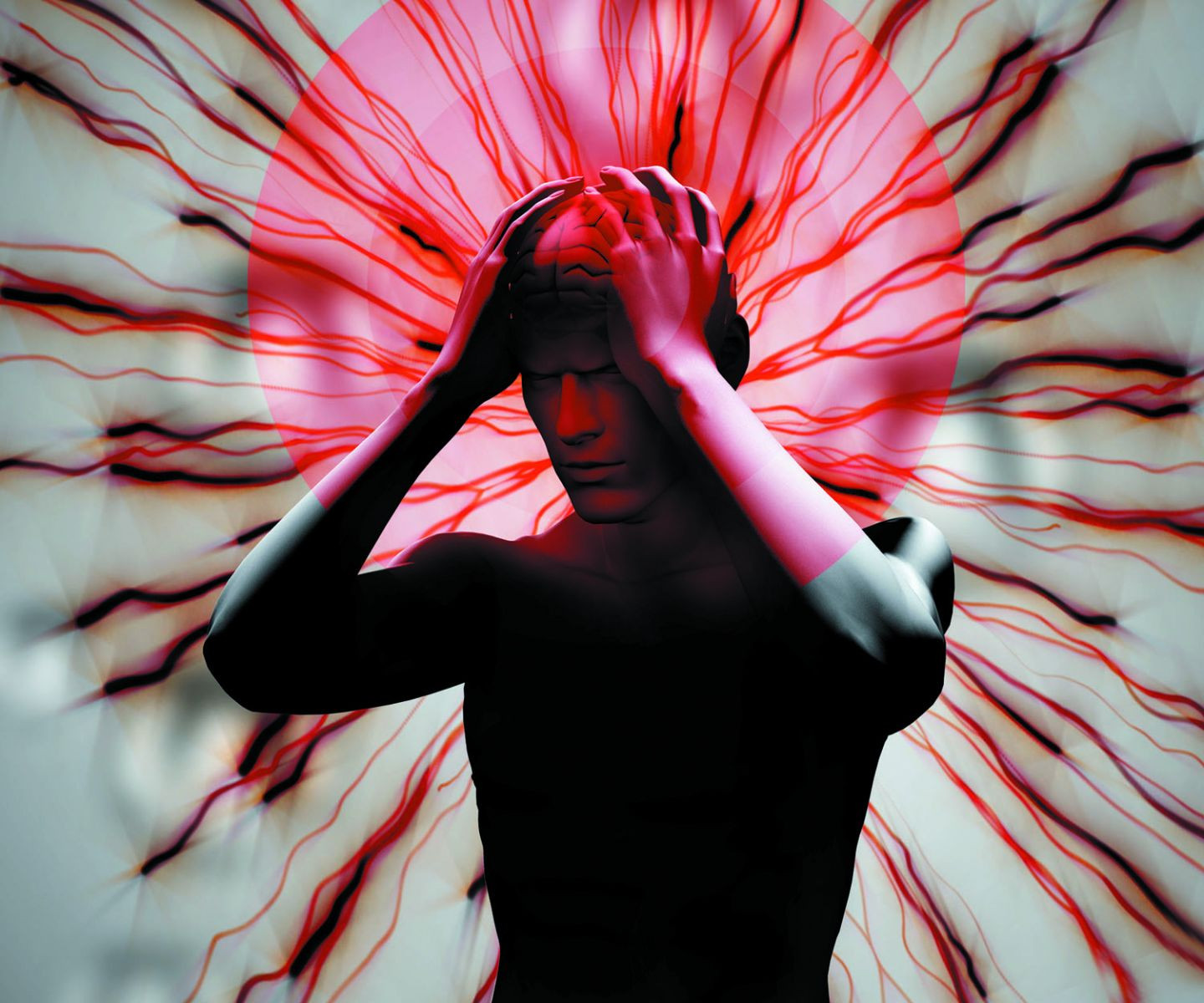
Quick-start guide to headaches
Pain from migraines, cluster headaches, and other types of headaches require very different treatments.
Image: © Wavebreakmedia Ltd/Thinkstock
Pain around the eye and throbbing on one side of the head — they're common headache symptoms, but what do they mean? "Many times people assume a headache is due to sinusitis, and they put up with it for years," says Dr. John Pettinato, a neurologist with Harvard-affiliated Beth Israel Deaconess Medical Center.
Understanding your pain can help you find the best approach to treatment.
Fatty liver disease: Should you be tested?
Even a little exercise linked with lower stroke risk in people with afib
Testosterone therapy without evidence of deficiency may boost heart risk
Weight-loss drug may lower risk of heart attacks and infections
Migraine: How it's diagnosed and what that means
Tricep workouts you can do at home
Mindfulness practices to reduce stress and improve focus
Antihistamines may not offer meaningful relief from eczema symptoms
Overweight and taking blood pressure medications: Study finds it's a trend that's working
FDA approves first mRNA-based flu vaccine
Free Healthbeat Signup
Get the latest in health news delivered to your inbox!
Sign Up
