

Fatty liver disease: Should you be tested?

Even a little exercise linked with lower stroke risk in people with afib

Testosterone therapy without evidence of deficiency may boost heart risk

Weight-loss drug may lower risk of heart attacks and infections

Migraine: How it's diagnosed and what that means

Tricep workouts you can do at home

Mindfulness practices to reduce stress and improve focus

Antihistamines may not offer meaningful relief from eczema symptoms

Overweight and taking blood pressure medications: Study finds it's a trend that's working

FDA approves first mRNA-based flu vaccine
Vitamins, minerals & supplements Archive
Articles
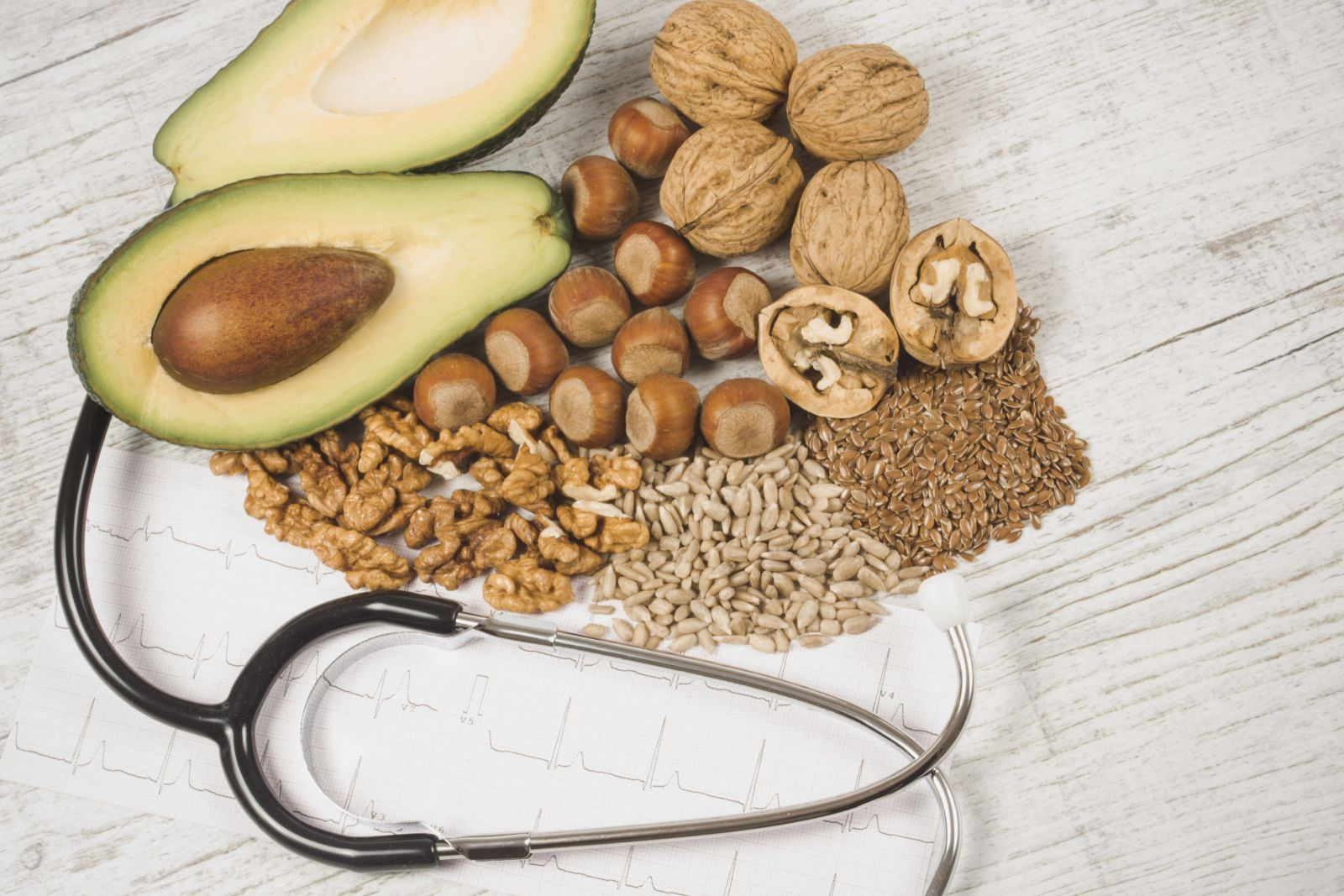
Plant-based fats: Better for the heart than animal fats?
Research we're watching
Monounsaturated fats — which fall under the umbrella of unsaturated fats — are found in olives, nuts, and avocados, as well as in meat and dairy products. Although some studies have found that diets rich in monounsaturated fat lower the risk of heart disease, others have not.
But the source of the fat appears to make a difference. That's according to researchers at the Harvard T.H. Chan School of Public Health, who studied dietary data from more than 90,000 people over an average of 22 years. Heart disease risk was lower when unhealthy saturated fat, refined carbohydrates, or trans fat was replaced by plant-based monounsaturated fat, but not by animal-based monounsaturated fat. Higher intake of the plant-based fats was associated with a 16% lower risk of dying from any cause. In contrast, higher intake of the animal-based fats was linked to a 21% higher risk of dying from any cause.
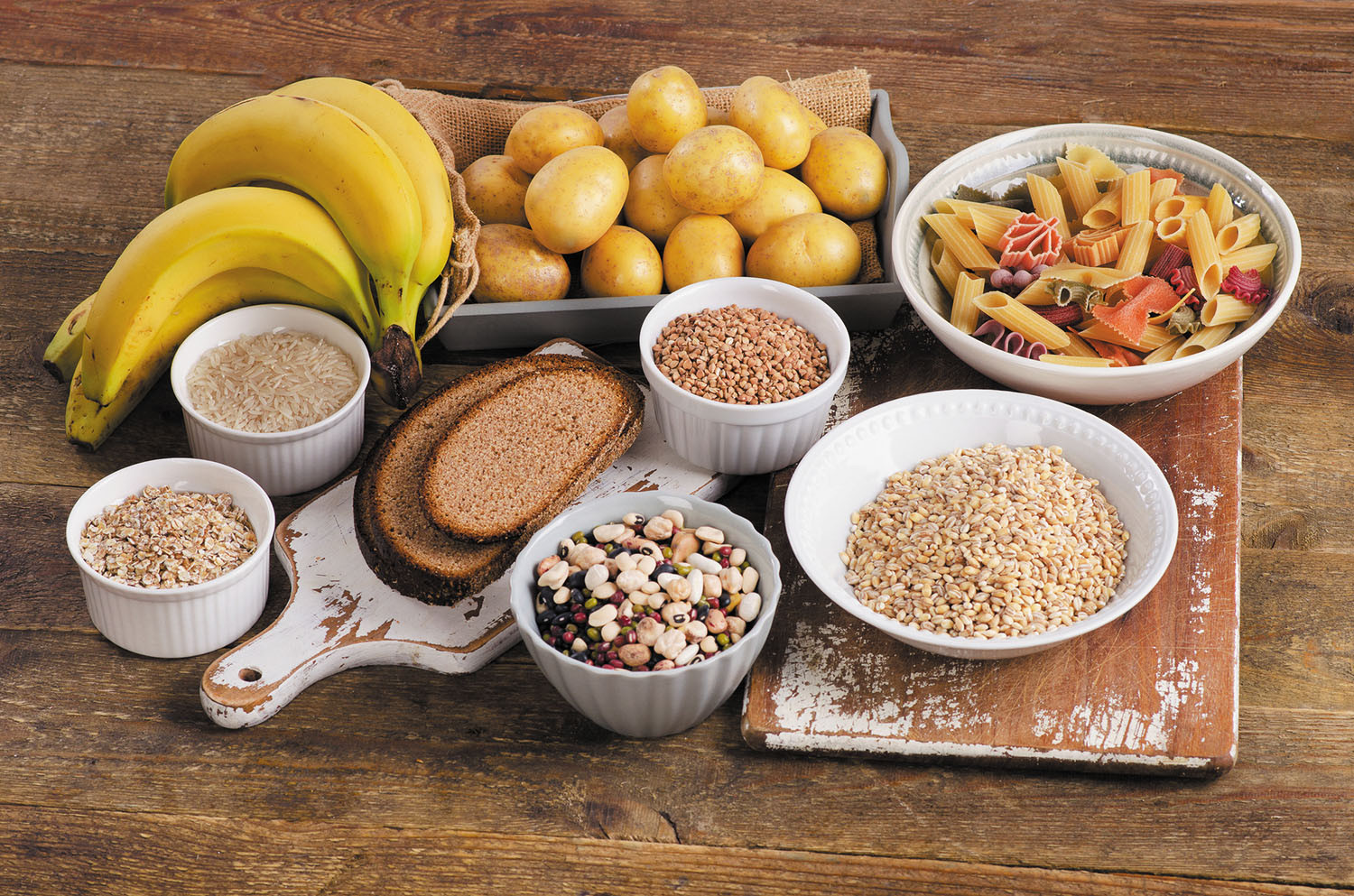
The smart way to look at carbohydrates
While the low-carb diet trend is still going strong, experts suggest you pay more attention to quality, not quantity.
Image: © bit245/Getty Images
Over the years, carbohydrates have become nutritional villains. It seems everywhere you look, people advise you to watch carbs, cut carbs, or go low-carb. But you need carbs — and more than you may think.
Dietary carbs provide the body's primary energy source, glucose, which fuels everything you do, from breathing to thinking to running.

A personalized approach to preventing Alzheimer’s disease
These strategies may offer greater protection.
Image: © shapecharge/Getty Images
While there's no cure for Alzheimer's disease, ongoing research has suggested there may be ways to lower your risk.
"Much of the existing science supports how certain behavioral changes made in middle age can protect people as they grow older," says Dr. Kirk Daffner, director for the Center for Brain/Mind Medicine at Harvard-affiliated Brigham and Women's Hospital. "However, there is evidence that adopting certain healthy lifestyle habits can benefit older adults too."
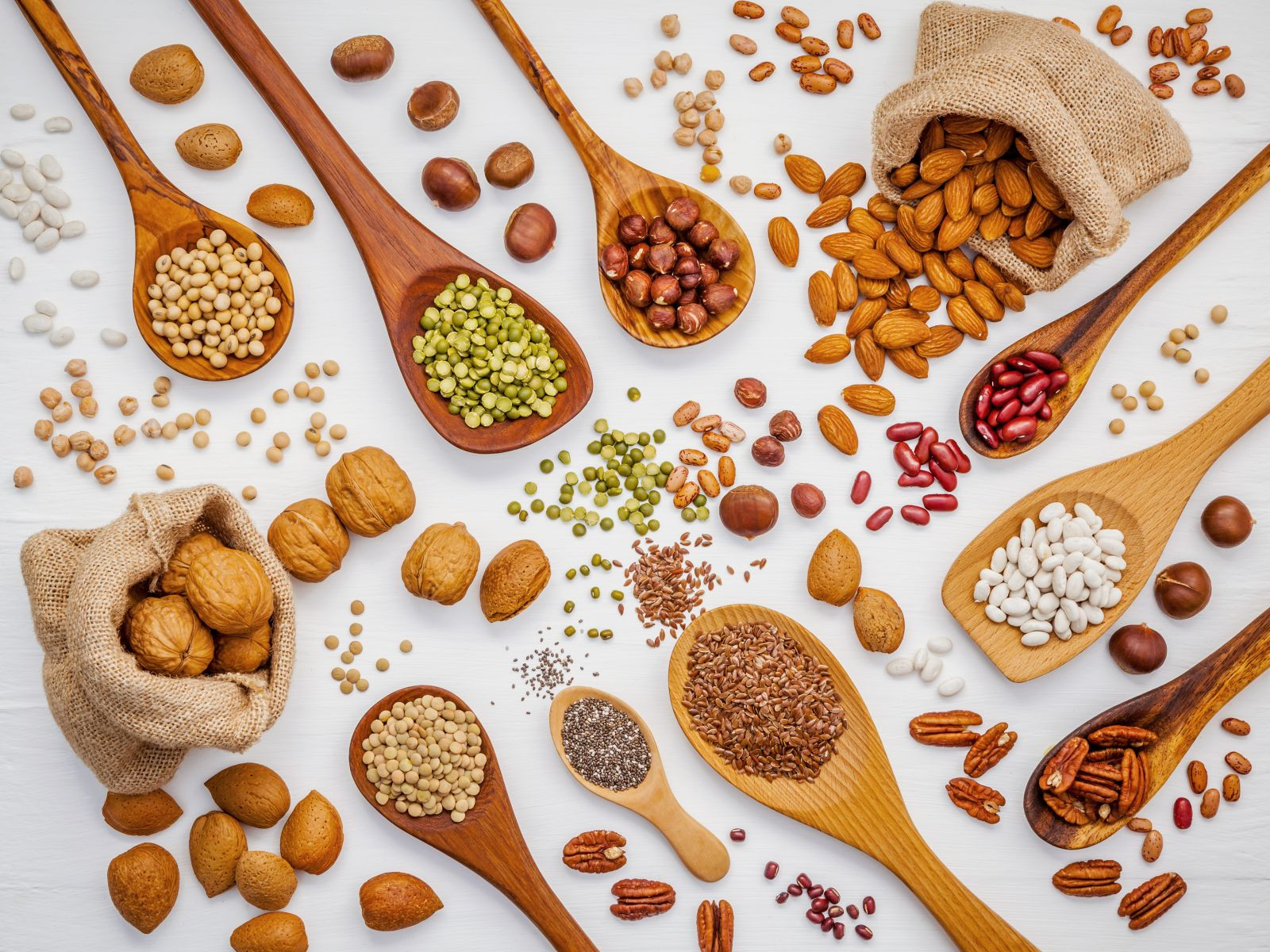
Eating more of some dietary fats can fight heart disease
In the journals
Choosing better sources of fat can go a long way toward preventing heart disease, according to research recently presented at the American Heart Association's Epidemiology and Prevention — Lifestyle and Cardiometabolic Health Scientific Sessions 2018.
The research team analyzed data from 63,412 women from the Nurses' Health Study and 29,966 men from the Health Professionals Follow-up Study. Both studies used detailed food-frequency questionnaires administered every four years to evaluate the participants' diets. During an average 22 years of follow-up, there were 20,672 deaths among participants — 4,588 of them from heart disease.
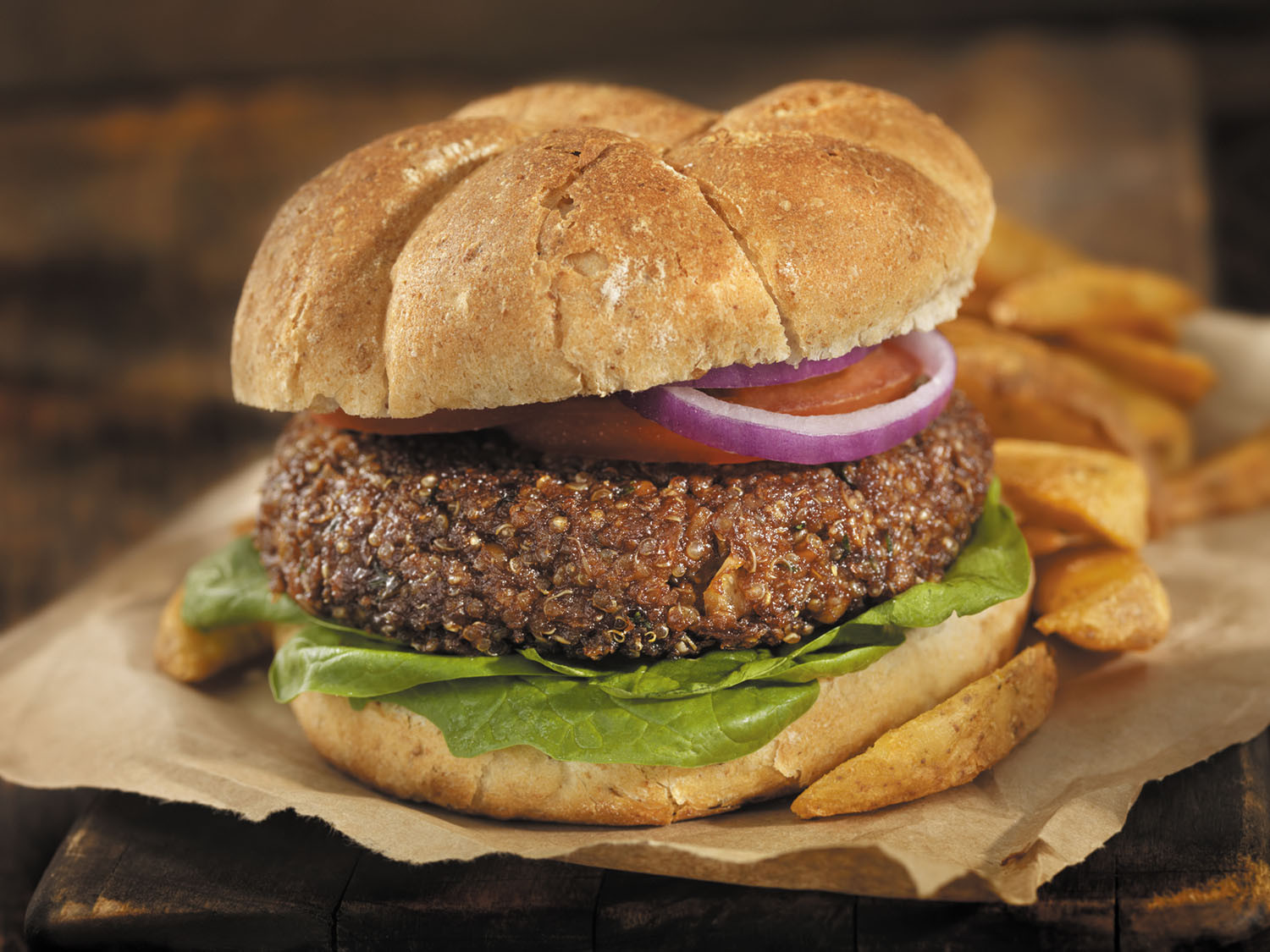
Does a vegetarian diet automatically help you lose weight?
Ask the doctors
Image: © Lauri Patterson/Getty Images
Q. My sister insists that I will automatically lose weight if I become a vegetarian. Is this true?
A. While switching to a vegetarian diet can bring health benefits, including weight loss, it doesn't always. After all, cupcakes, cookies, and candy are technically vegetarian foods — but not necessarily ones that will improve your health or help you shed pounds. That said, a well-constructed and healthy plant-based vegetarian diet can help you lose weight over time, provided you make good food choices and reduce the number of calories you normally eat. The USDA notes that a healthy vegetarian eating plan includes a variety of nutrients, including protein sources to make up for meat options you are cutting out. Some good substitutions are beans, nuts, and soy products. Beyond making sure you get the right combination of nutrients, also focus on portion size and calories if you are looking to lose weight. Ultimately, keep in mind that a vegetarian diet, like any other, may help you lose weight, but it can also result in weight gain if you take in more calories than you burn off on a regular basis.
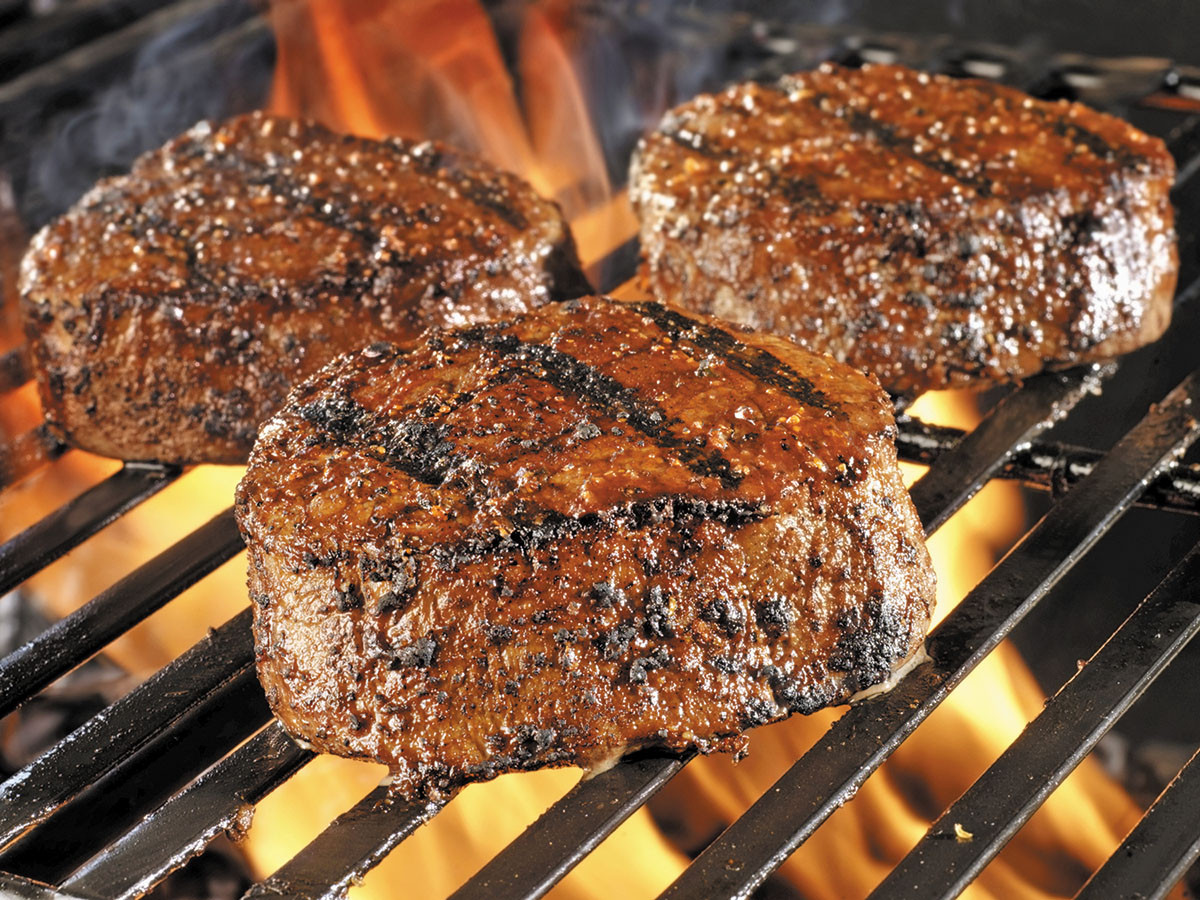
Summer grilling may raise blood pressure risk
Research we're watching
Image: © Lauri Patterson/Getty Images
Many people switch from stove to grill in the warmer months. But a new study links regular consumption of grilled meat to an elevated risk of high blood pressure. A study presented at the American Heart Association's 2018 Epidemiology and Prevention — Lifestyle and Cardiometabolic Health Scientific Sessions looked at more than 100,000 people in three different studies who ate at least two servings of beef, poultry, or fish each week.
They found that those who grilled their meat or broiled or roasted it at high temperatures more than 15 times each month had a 17% higher risk of high blood pressure than people who grilled, roasted, or broiled less than four times a month.

Are weight-loss drugs worth trying?
Image: Bigstock
Newer medications, which may be safer than earlier drugs, have expanded the options for treating obesity.
Obesity is now considered more than a risk factor for other conditions; it's a disease itself. It has been the subject of intense scientific and medical research to develop effective treatments. But the quest has been elusive.

Should you carry the opioid overdose rescue drug naloxone?
The Surgeon General has issued an advisory recommending that people carry and know how to use naloxone, and although it is an effective treatment for overdose, it does not address the larger issues around the opioid crisis.

Bioidentical hormones: Help or hype?
Do these heavily promoted hormones justify the claims made for them?
"Bioidentical" hormones have been promoted as safer and more effective than FDA-approved hormones. The exaggerated claims go beyond relief of menopausal symptoms, suggesting they are a veritable fountain of youth.
It's understandable that women would be interested in a different approach now that long-term use of conventional hormone therapy (HT) does not prevent cardiovascular disease as researchers had hoped.
Fatty liver disease: Should you be tested?
Even a little exercise linked with lower stroke risk in people with afib
Testosterone therapy without evidence of deficiency may boost heart risk
Weight-loss drug may lower risk of heart attacks and infections
Migraine: How it's diagnosed and what that means
Tricep workouts you can do at home
Mindfulness practices to reduce stress and improve focus
Antihistamines may not offer meaningful relief from eczema symptoms
Overweight and taking blood pressure medications: Study finds it's a trend that's working
FDA approves first mRNA-based flu vaccine
Free Healthbeat Signup
Get the latest in health news delivered to your inbox!
Sign Up
