

Fatty liver disease: Should you be tested?

Even a little exercise linked with lower stroke risk in people with afib

Testosterone therapy without evidence of deficiency may boost heart risk

Weight-loss drug may lower risk of heart attacks and infections

Migraine: How it's diagnosed and what that means

Tricep workouts you can do at home

Mindfulness practices to reduce stress and improve focus

Antihistamines may not offer meaningful relief from eczema symptoms

Overweight and taking blood pressure medications: Study finds it's a trend that's working

FDA approves first mRNA-based flu vaccine
Vitamins, minerals & supplements Archive
Articles
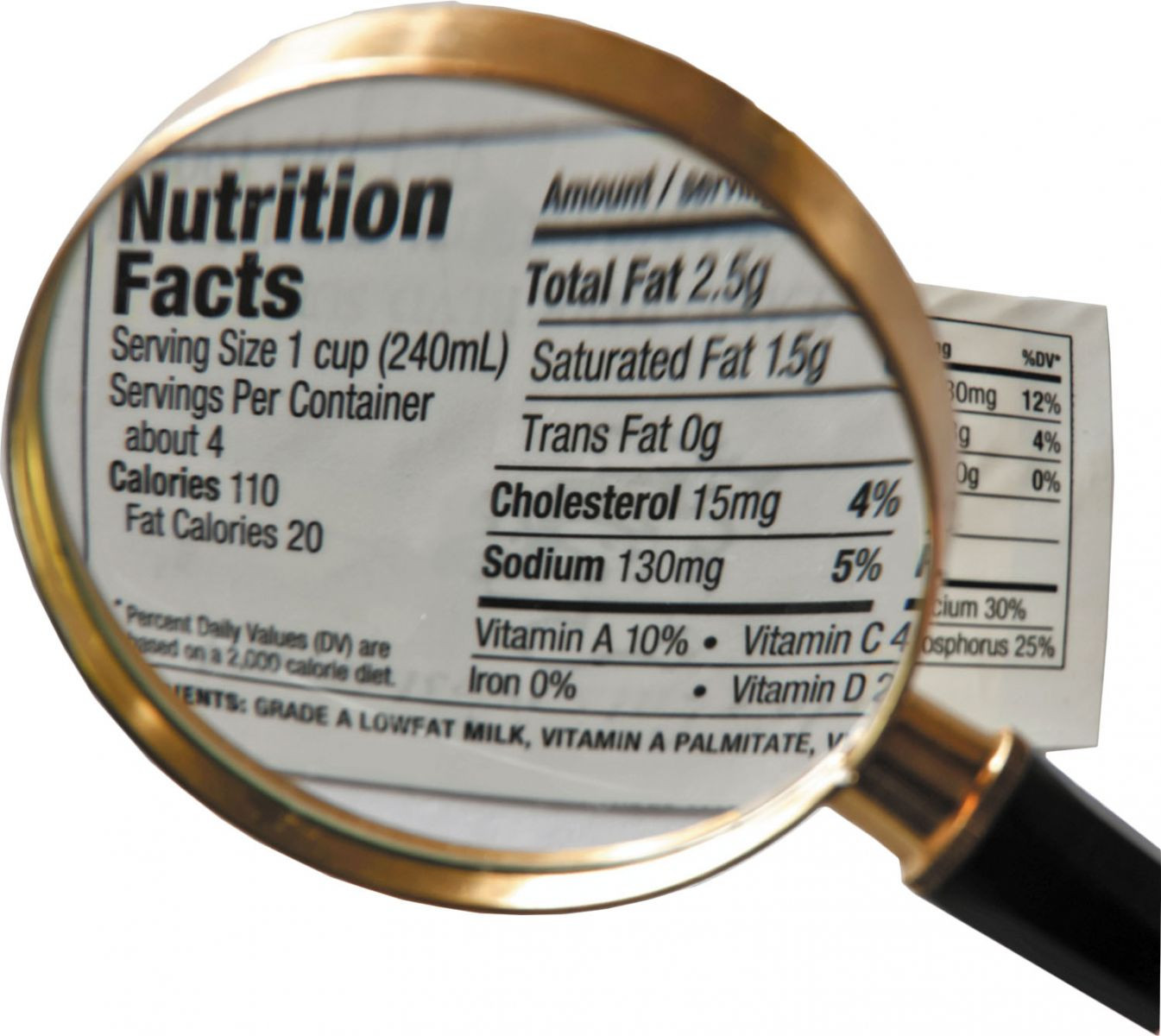
Simple swaps to eat less salt
Learn the most common sources of sodium in your diet and some easy substitutions you can make.
Image: © yosmanor/Getty Images
If you think steering clear of potato chips, pretzels, and other savory snacks is the best way to trim salt from your diet, think again. Yes, those foods are salty — but they only rank no. 7 on the top 10 sources of sodium (a major component of salt) in the average American's diet.
The category of bread and rolls tops the list, which is based both on sodium content and how often people eat the foods. Bread is not especially salty, but we eat a lot of it, as well as similar foods such as hamburger and hot dog buns, bagels, and English muffins.

Getting the most out of your heart medications
These drugs help prevent potentially life-threatening events. Make sure you're taking them correctly.
Image: © SelectStock/Getty Images
Recently, a Heart Letter subscriber emailed us this query: "Does taking your blood pressure medication at night protect the heart more than if you take it in the morning? If so, why?"
Maybe you've wondered the same thing, or have other questions about the drugs you take to prevent or treat heart disease. In addition to blood pressure pills, these include drugs to lower cholesterol and to prevent blood clots.

Vegetable of the month: Tomatoes
Image: © Singkham/Getty Images
Vine-ripened, locally grown tomatoes are abundant in farmers' markets in August. Scientifically speaking, these vivid red (and sometimes yellow, brown, purple, or green) orbs are fruits. But the USDA, which issues the Dietary Guidelines for Americans, includes tomatoes in the red-orange vegetable group. Aim for about five to six cups per week of the foods in this group, which also includes carrots, squash, and sweet potatoes.
When good fresh tomatoes aren't available, canned tomatoes are a good substitute, especially in soups, stews, and pasta sauces. Eating tomatoes and tomato products may help lower cholesterol and improve blood vessel function, according to a 2017 article in Atherosclerosis.

Heart-healthy diet linked to bigger brain volume
Research we're watching
Image: © MachineHeadz/Getty Images
The same diet that doctors recommend for dodging heart disease also may help preserve brain tissue, a new study finds.
Researchers scrutinized diet surveys from more than 4,200 people with an average age of 66 and ranked the quality of their diets on a scale of 0 to 14. A score of 14 was healthiest and included lots of fruits and vegetables, whole grains, nuts, dairy, and fish, but limited sugar. The volunteers provided data on other factors that might affect brain size, such as blood pressure, physical activity, and smoking. They also underwent brain scans to measure their brain size.

Getting your five a day
Eating five servings of fruits and vegetables can go a long way to protecting against heart disease and cancer.
Image: © Mypurgatoryyears/Getty Images
We've been told the importance of eating fruits and vegetables ever since childhood, and yet we still tend to ignore this nutritional advice. In fact, a CDC survey found that only 18% of adults eat the recommended five daily servings of fruits and vegetables.
"The main reason older men have trouble reaching this amount is lack of awareness," says Vasanti Malik, a research scientist in the Department of Nutrition of Harvard's T.H. Chan School of Public Health. "They are not always engaged in their nutrition or aware of the impact fruits and vegetables can have on their health."
Are there any health benefits to fish oil?
On call
Image: © BrianAJackson/Getty Images
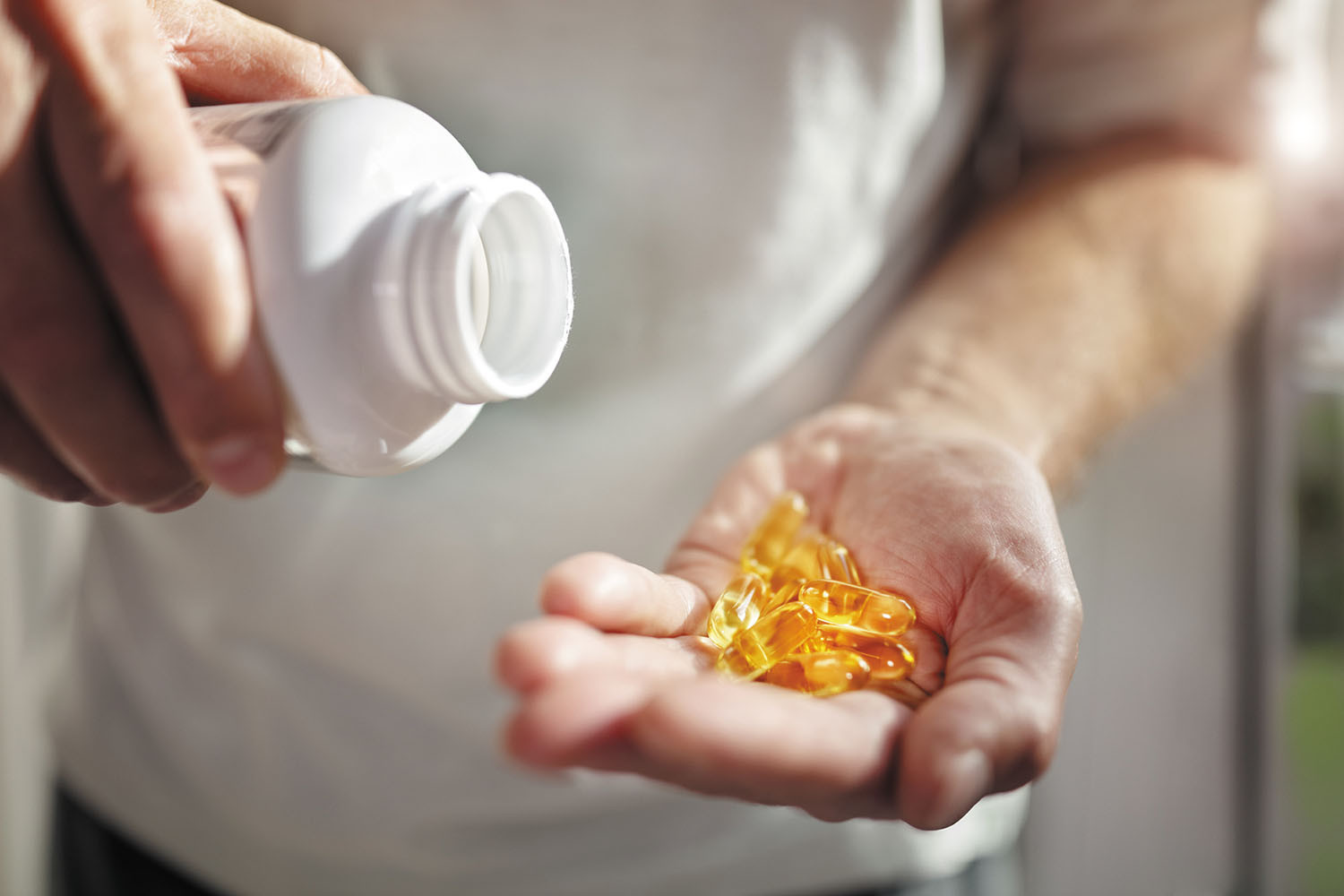
Q. I take fish oil supplements for heart health, but now I hear they aren't helpful. What's the truth?
A. Fish intake remains an important part of a healthy diet, but the enthusiasm for fish oil supplements has been dampened by several recent studies that showed no benefit for a variety of conditions.

An eye on glaucoma drugs
Two recent drugs have opened new treatment opportunities for this common eye disease.
Glaucoma is a leading cause of blindness in people over age 60, and it's estimated that the number of new cases will more than double over the next few decades. "There is no cure for glaucoma once it appears, so treating it at its earliest stages can help save your vision," says Dr. David Solá-Del Valle, an ophthalmologist with Harvard-affiliated Massachusetts Eye and Ear.
Once diagnosed, glaucoma is treated with eye drops to reduce pressure inside the eye by lowering the amount of fluid or improving fluid drainage. They can keep glaucoma from getting worse and hopefully avoid the need for surgery to correct this drainage problem.

Eggs might help your heart, not harm it
In the journals
Image: © bajinda/Getty Images
Two recent studies have found that eggs do not raise the risk of heart disease, and in fact may even protect against it.
The first study, published online May 7, 2018, by The American Journal of Clinical Nutrition, looked at how egg consumption affected 128 people with prediabetes or type 2 diabetes; both conditions put people at a higher risk of heart disease and stroke. For three months, half of the participants ate 12 eggs a week, while the other half ate two eggs or fewer per week. Everyone also followed the same weight-loss diet that avoided saturated fats like butter and included healthier monounsaturated and polyunsaturated fats like avocado and olive oils.

Anticholinergic drugs linked with dementia
In the journals
Anticholinergic medications used to treat bladder conditions, Parkinson's disease, and depression are associated with an increased risk of dementia, according to a large study published online April 25, 2018, by The BMJ. Anticholinergic drugs help to contract and relax muscles. They work by blocking acetylcholine, a substance that also transmits messages in the nervous system. In the study, researchers compared the medical records of 40,770 people older than 65 who were diagnosed with dementia and 283,933 seniors without.
They found that people diagnosed with dementia were up to 30% more likely to have been prescribed anticholinergic medications for Parkinson's, bladder problems, or depression. Frequently prescribed anticholinergic drugs include procyclidine (Kemadrin) for Parkinson's; tolterodine, oxybutynin, and solifenacin (Vesicare) for urological conditions like overactive bladder or incontinence; and amitriptyline, dosulepin, and paroxetine for depression. However, there was no association between dementia and anticholinergic drugs used to treat other common conditions like hay fever, travel sickness, and stomach cramps.
Diet might delay — or hasten — the onset of menopause
How old you are when you go through menopause could be influenced by the foods you eat.
Image: © stepangilev/Getty Images
Could the foods you eat help determine when you start menopause? They might, says a new study published online April 30 by the Journal of Epidemiology and Community Health. Researchers found that women who ate more fish and beans and other legumes started menopause at a later age, while women who ate a diet heavy on refined pasta and rice went through the change earlier.
Why do the results matter?
How old a woman is when she goes through menopause may have implications for her health. Past research has linked certain health risks to menopause that occurs either very early (before age 40) or late (age 55 or older). Going through menopause at an earlier age has been associated with lower bone density and a higher risk for osteoporosis, cardiovascular disease, depression, and — in some instances — premature death.
Fatty liver disease: Should you be tested?
Even a little exercise linked with lower stroke risk in people with afib
Testosterone therapy without evidence of deficiency may boost heart risk
Weight-loss drug may lower risk of heart attacks and infections
Migraine: How it's diagnosed and what that means
Tricep workouts you can do at home
Mindfulness practices to reduce stress and improve focus
Antihistamines may not offer meaningful relief from eczema symptoms
Overweight and taking blood pressure medications: Study finds it's a trend that's working
FDA approves first mRNA-based flu vaccine
Free Healthbeat Signup
Get the latest in health news delivered to your inbox!
Sign Up
