

Fatty liver disease: Should you be tested?

Even a little exercise linked with lower stroke risk in people with afib

Testosterone therapy without evidence of deficiency may boost heart risk

Weight-loss drug may lower risk of heart attacks and infections

Migraine: How it's diagnosed and what that means

Tricep workouts you can do at home

Mindfulness practices to reduce stress and improve focus

Antihistamines may not offer meaningful relief from eczema symptoms

Overweight and taking blood pressure medications: Study finds it's a trend that's working

FDA approves first mRNA-based flu vaccine
Vitamins, minerals & supplements Archive
Articles

Refueling your energy levels
Lost your spark and gusto? These strategies can help you recharge.
Everyone has the occasional low-energy day when you are easily fatigued. Often the feeling passes, and you bounce back to your regular robust self. But if you struggle with a constant lack of energy, you may have a problem deep within your cells.
Mitochondria are the power source inside all your body's cells. These tiny structures fuel the body by producing molecules called adenosine triphosphate or ATP. However, as you grow older, your body has fewer mitochondria.


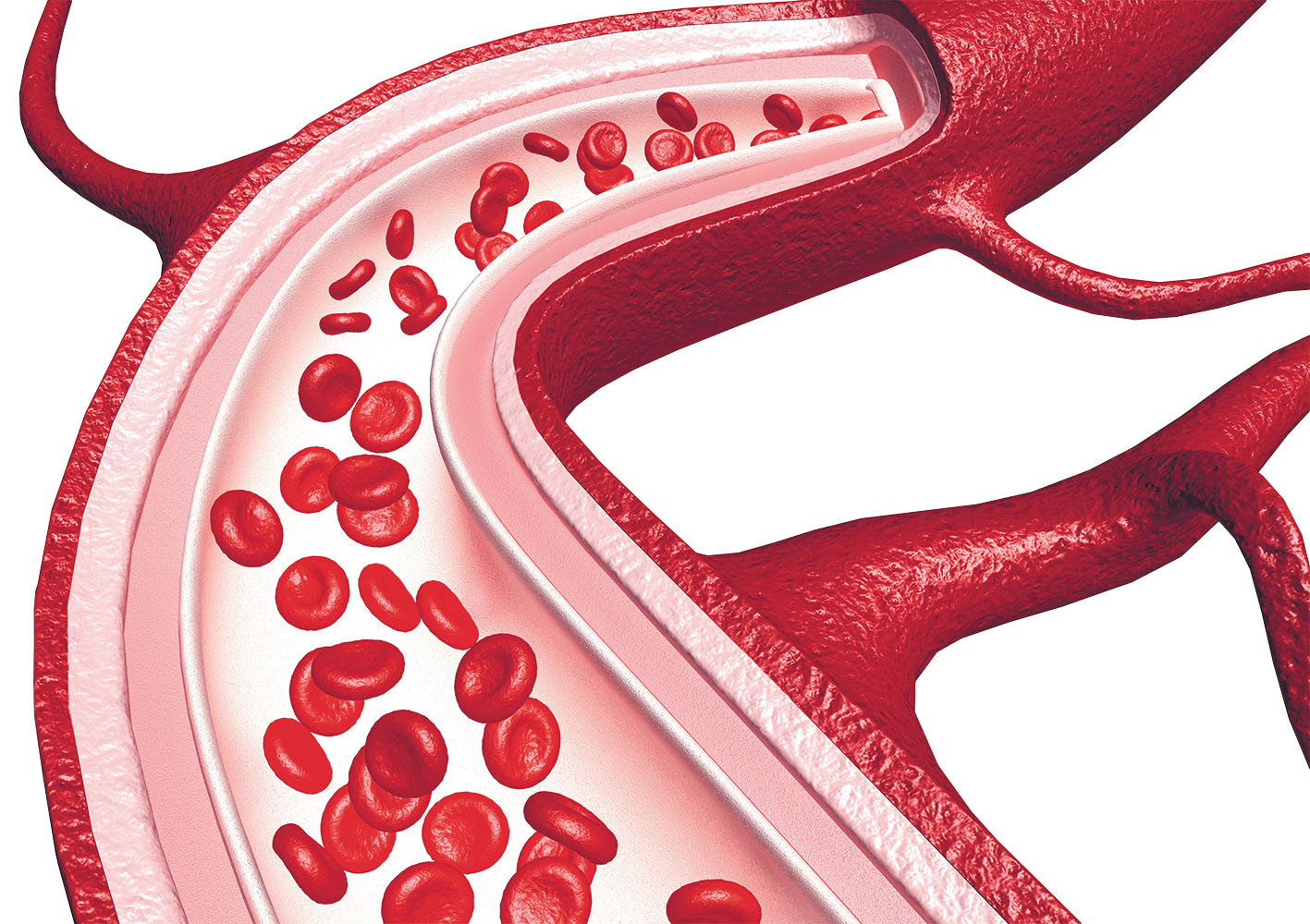
More antidotes for newer blood thinners
New medications add advantages to treatments that help prevent stroke, pulmonary embolism, and deep-vein thrombosis.
Image: © Mohammed Haneefa Nizamudeen/Getty Images
The wait is over for an antidote to stop rare uncontrolled bleeding linked to some newer blood thinners. The FDA approved andexanet alfa (AndexXa) on May 3, 2018. It's the first and only antidote to reverse bleeding in people taking apixaban (Eliquis), rivaroxaban (Xarelto), or edoxaban (Savaysa).
Another newer blood thinner — dabigatran (Pradaxa) — already has an approved antidote called idarucizumab (Praxbind). A dose of vitamin K is used to reverse the action of warfarin (Coumadin), a blood thinner used routinely for more than half a century and, until recently, the only such option for most people.
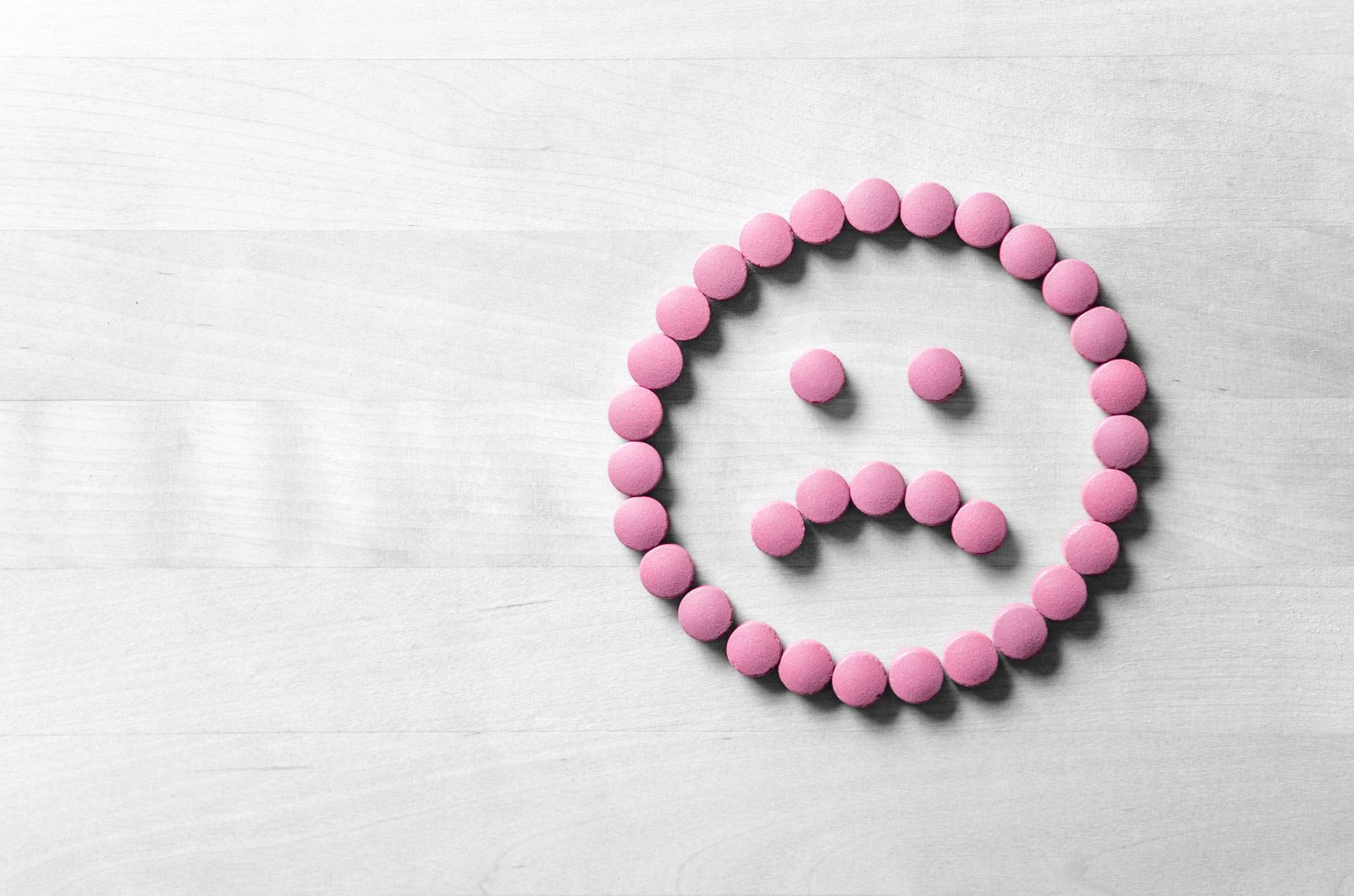
Depression risks in the medicine cabinet
News briefs
Are you taking a medication that has depression or suicidal thinking as a potential side effect? One or both risks have been linked to use of more than 200 prescription and over-the-counter pills, including medicines that treat high blood pressure, heartburn, pain, and headaches. The more of these drugs you use, the higher the likelihood that you'll experience depression, suggests a study published June 12, 2018, in The Journal of the American Medical Association. Working with five surveys conducted over a nine-year period, researchers evaluated health information from 26,192 adults. About 37% of them reported taking such medications. Of individuals taking three or more of the medications with depression as a possible side effect, about 15% reported depression, compared with about 5% in people not using those medications. Even for people already taking an antidepressant, the addition of one or more of the identified medicines was linked to higher rates of depression. This study was based on surveys, so it didn't prove that the medications caused the reported depression. Nonetheless, if you think you're depressed (and have symptoms such as apathy, hopelessness, changes in sleep or eating habits, and persistent fatigue), ask your doctor if any of the medicines you are taking may be responsible.
Image: © Tero Vesalainen | GettyImages

Seafood suggestions for heart health
Experts recommend one or two servings of fish per week. But healthy vegetarian meals are a good alternative.
Image: © amriphoto/Getty Images
Eating fatty fish such as salmon, tuna, or mackerel at least once a week may help prevent heart attacks and other serious cardiovascular problems. That's according to a recent scientific advisory from the American Heart Association, which reaffirms a long-held observation about the health benefits of seafood.
You'll potentially reel in the biggest benefit if you replace less healthy foods — such as red meat or processed meats — with seafood entrees. For example, choose salmon over steak, and swap the ham on your sandwich for tuna.
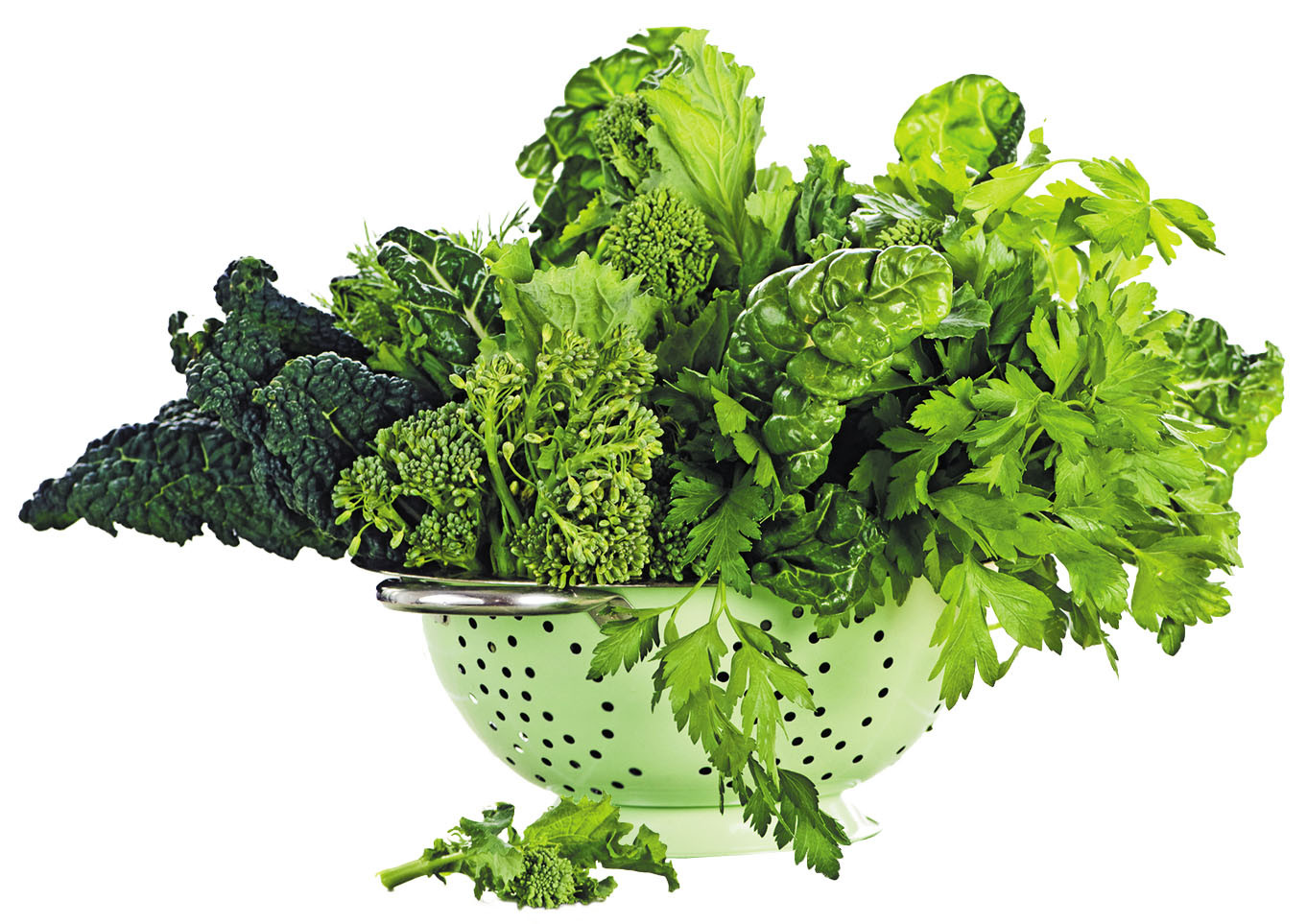
Vegetable of the month: Leafy greens
Image: © Elenathewise/Getty Images
A salad is a great way to meet your daily vegetable requirement — just toss a few of your favorite veggies together with lettuce or other greens. Most grocery stores sell a variety of salad greens (separate or mixed), prewashed and bagged for convenience. Arugula and watercress are peppery, dandelion and escarole are bitter, mâche and iceberg are sweet, and a green called tatsoi has a mustard flavor. Baby spinach is another popular option.
The USDA recommends two to three cups of vegetables per day for adults. But because greens aren't very dense, it actually takes about two cups of raw greens to make the nutritional equivalent of a one-cup serving of vegetables.

Your health through the decades
These strategies keep you healthy and safe through your 60s, 70, and 80s.
Image: © kali9/Getty Images
After age 60, men tend to get thrown together — the so-called 60-and-older group — even though most are quite different in terms of their health.
"While many men are still very fit well into their 60s, 70s, and 80s, others face health challenges and chronic diseases that make daily living difficult," says Dr. Howard LeWine, assistant professor of medicine at Harvard Medical School.
Fatty liver disease: Should you be tested?
Even a little exercise linked with lower stroke risk in people with afib
Testosterone therapy without evidence of deficiency may boost heart risk
Weight-loss drug may lower risk of heart attacks and infections
Migraine: How it's diagnosed and what that means
Tricep workouts you can do at home
Mindfulness practices to reduce stress and improve focus
Antihistamines may not offer meaningful relief from eczema symptoms
Overweight and taking blood pressure medications: Study finds it's a trend that's working
FDA approves first mRNA-based flu vaccine
Free Healthbeat Signup
Get the latest in health news delivered to your inbox!
Sign Up
