

Fatty liver disease: Should you be tested?

Even a little exercise linked with lower stroke risk in people with afib

Testosterone therapy without evidence of deficiency may boost heart risk

Weight-loss drug may lower risk of heart attacks and infections

Migraine: How it's diagnosed and what that means

Tricep workouts you can do at home

Mindfulness practices to reduce stress and improve focus

Antihistamines may not offer meaningful relief from eczema symptoms

Overweight and taking blood pressure medications: Study finds it's a trend that's working

FDA approves first mRNA-based flu vaccine
Vitamins, minerals & supplements Archive
Articles

“Prehabilitation” may improve heart surgery recovery
Image: Thinkstock
Research we're watching
After heart surgery, patients often enroll in cardiac rehabilitation, a multiweek program of structured exercise paired with lifestyle and nutrition education. A new review suggests that a similar program done prior to surgery, known as "prehabilitation," may help older, frail people to recover better from heart surgery.
The prehab approach goes by the acronym NEW, which stands for nutritional status, exercise capacity, and worry reduction. Targeting those three factors seems to improve people's physical and psychological readiness for undergoing surgery, according to the article, published in the July Canadian Journal of Cardiology.

The drug-free approach to pain management
You have many alternatives for treating and controlling pain.
The opioid epidemic continues to rise in America, and a 2017 report from the National Initiative for the Care of the Elderly suggests the crisis now affects more older adults.
A main reason for the growing addiction to pain medicine is the ease with which it is often prescribed, according to Dr. Robert Jamison, a professor of anesthesia and psychiatry with Harvard-affiliated Brigham and Women's Hospital.

Straight talk about your sex life
Although many older men enjoy active sex lives, most don't share sex-related questions and concerns with their doctor.
Image: © bernardbodo/Getty Images
While you discuss many subjects with your doctor, like proper blood pressure and cholesterol levels, your sex life probably doesn't make the list — but it should.
"Even though you may have an aging body, you can still feel healthy, vigorous, and full of life, and your sex life should be part of that," says Dr. Sharon Bober, director of the Sexual Health Program at Harvard-affiliated Dana-Farber Cancer Institute.
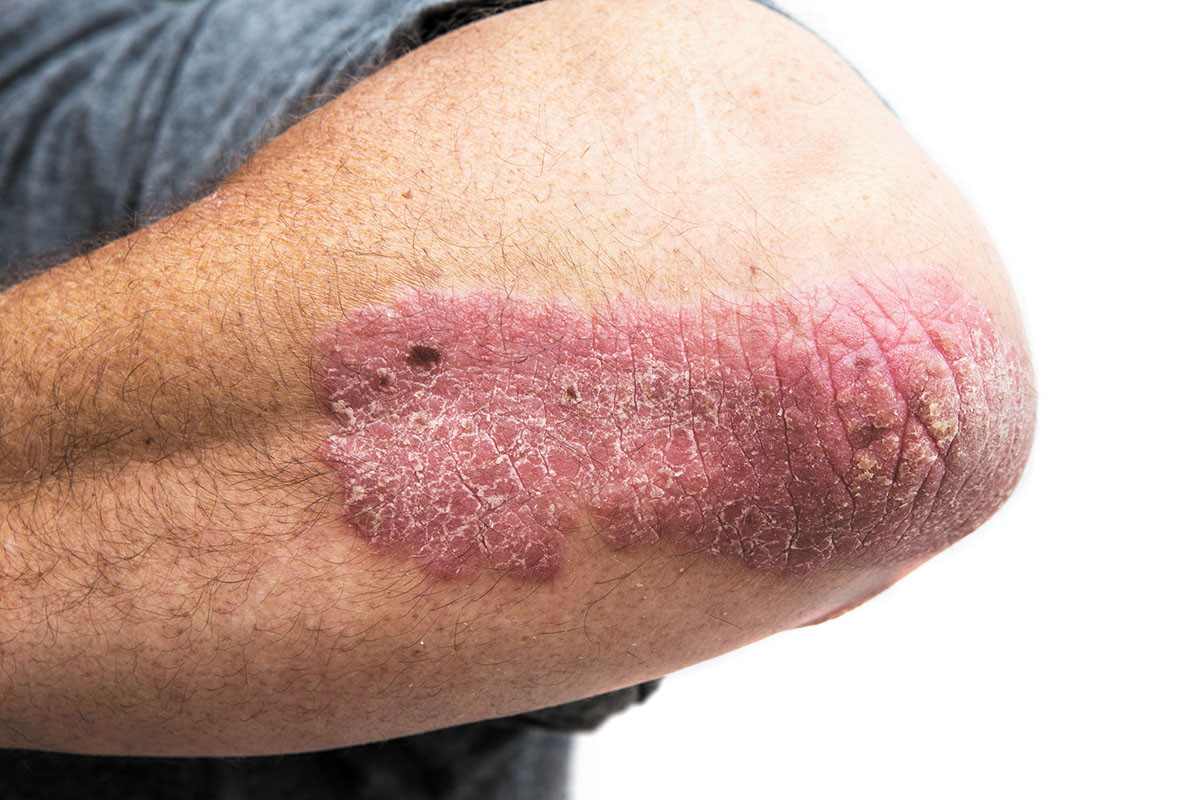
A deeper look at psoriasis
There are ways to shorten flare-ups and, in some people, prevent them from recurring.
Image: © JodiJacobson/Getty Images
Psoriasis is a big star on TV drug ads, but this autoimmune skin disease is something most people try to keep well hidden.
"Psoriasis is among the most common skin conditions, affecting about 2% of the U.S. population, and while the condition doesn't affect everyone the same way, the approach to treatment and prevention is often similar," says Dr. Gideon Smith, an assistant professor of dermatology at Harvard-affiliated Massachusetts General Hospital.

The age of statins
Healthy older adults ages 75 and older might not benefit from the drugs to protect against cardiovascular disease.
Image: © rogerashford/Getty Images
Cardiovascular disease is the leading cause of death for people ages 75 and over. The cholesterol-lowering statin drugs can help protect against heart attack or stroke, both for people who have already had one and those who are at high risk for one of these events.
But what if you are in this older age bracket and have no history of cardiovascular problems? Do you really need one of these cholesterol-lowering drugs to protect yourself from future heart attacks and strokes?

Weight may determine how much aspirin is needed to prevent heart attacks
In the journals
Image: © sd619/Getty Images
Low-dose aspirin therapy has been shown to help prevent heart attacks, but a study in the Aug. 4, 2018 issue of The Lancet suggests men who weigh more than 154 pounds may need higher doses. Researchers analyzed 10 trials that evaluated daily aspirin therapy for cardiovascular disease prevention in 120,000 men and women. The study participants had no history of heart or vascular disease. The researchers found that low-dose daily aspirin — 75 to 100 mg — was associated with reduced risk for heart attack and stroke among both men and women who weighed less than 154 pounds.
However, there was no significant effect for heavier patients. (About 80% of the men in the study were among this group.) The reason? The researchers speculated that people with more weight also have higher amounts of esterase, an enzyme that reduces how much aspirin is available in the body.
Specialized diet gets high marks for preventing cancer
In the journals
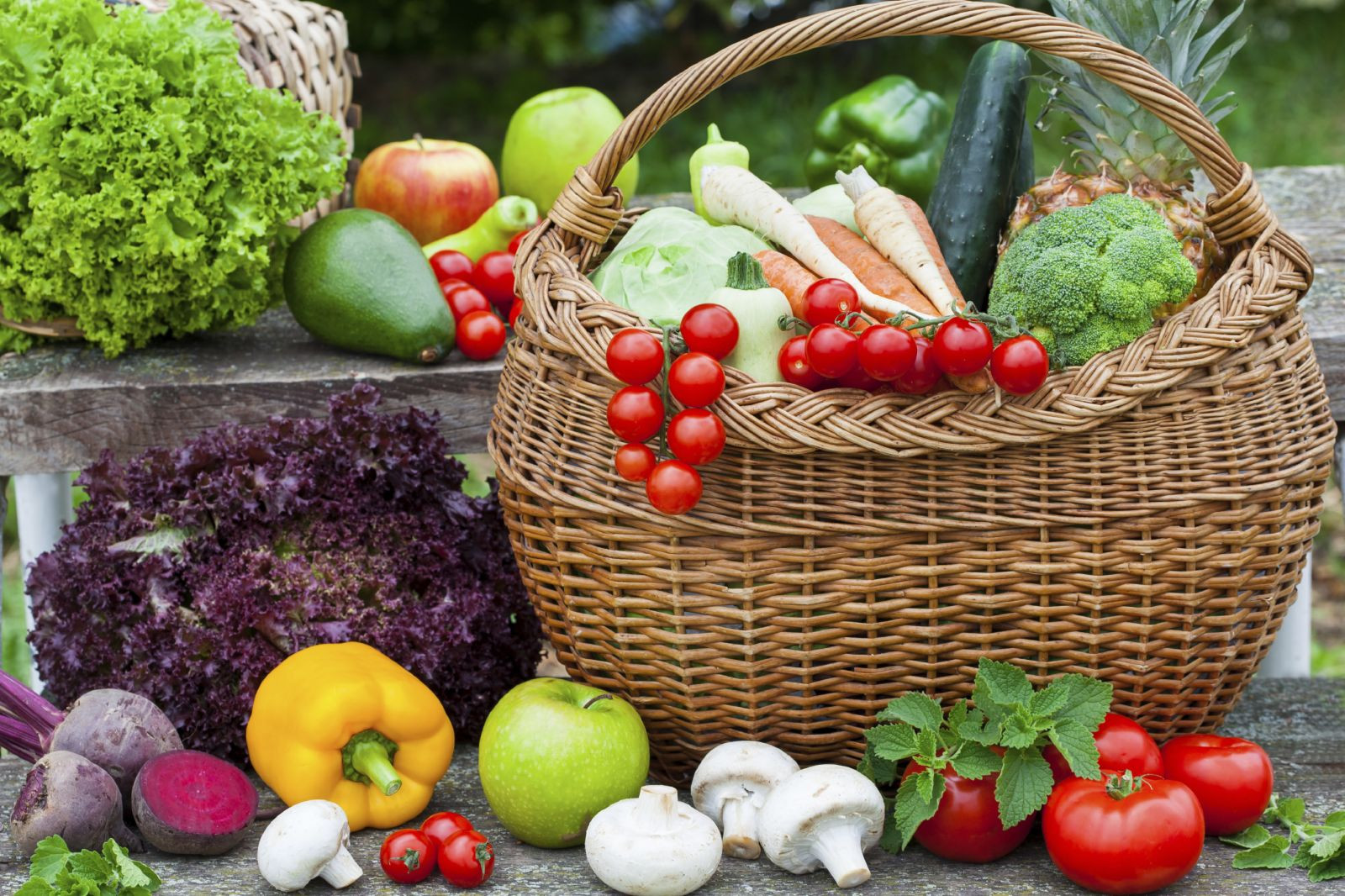
Following a specific cancer prevention diet may help you lower your overall risk, according to a study in the August 2018 Cancer Research.
The diet from the World Cancer Research Fund/American Institute for Cancer Research (WCRF/AICR) emphasizes a plant-based diet rich in whole grains, vegetables, fruits, and legumes like beans and lentils, with limited amounts of red or processed meat (no more than 18 ounces per week) and a strong emphasis on eliminating all processed foods, sugar-sweetened drinks, and alcohol.

From street drug to depression therapy
Ketamine offers a new option for people with stubborn depression that doesn't respond to other medications.
Image: © AleksandarNakic/Getty Images
Many people know of ketamine as a hallucinogenic and addictive street drug, which, when abused, can put people in medical peril. But today, doctors are increasingly looking to ketamine as a potentially lifesaving treatment for people with severe, treatment-resistant depression, who may be at high risk for suicide.
"Ketamine has been shown to be effective in people who have not responded to antidepressant treatment," says Dr. Cristina Cusin, an assistant professor of psychiatry at Harvard Medical School. The fast-acting treatment has shown promise — sometimes improving depressive symptoms within hours of the first intravenous treatment.
Can a gluten-free diet help my skin?
Ask the doctors
Image: © fcafotodigital/Getty Images
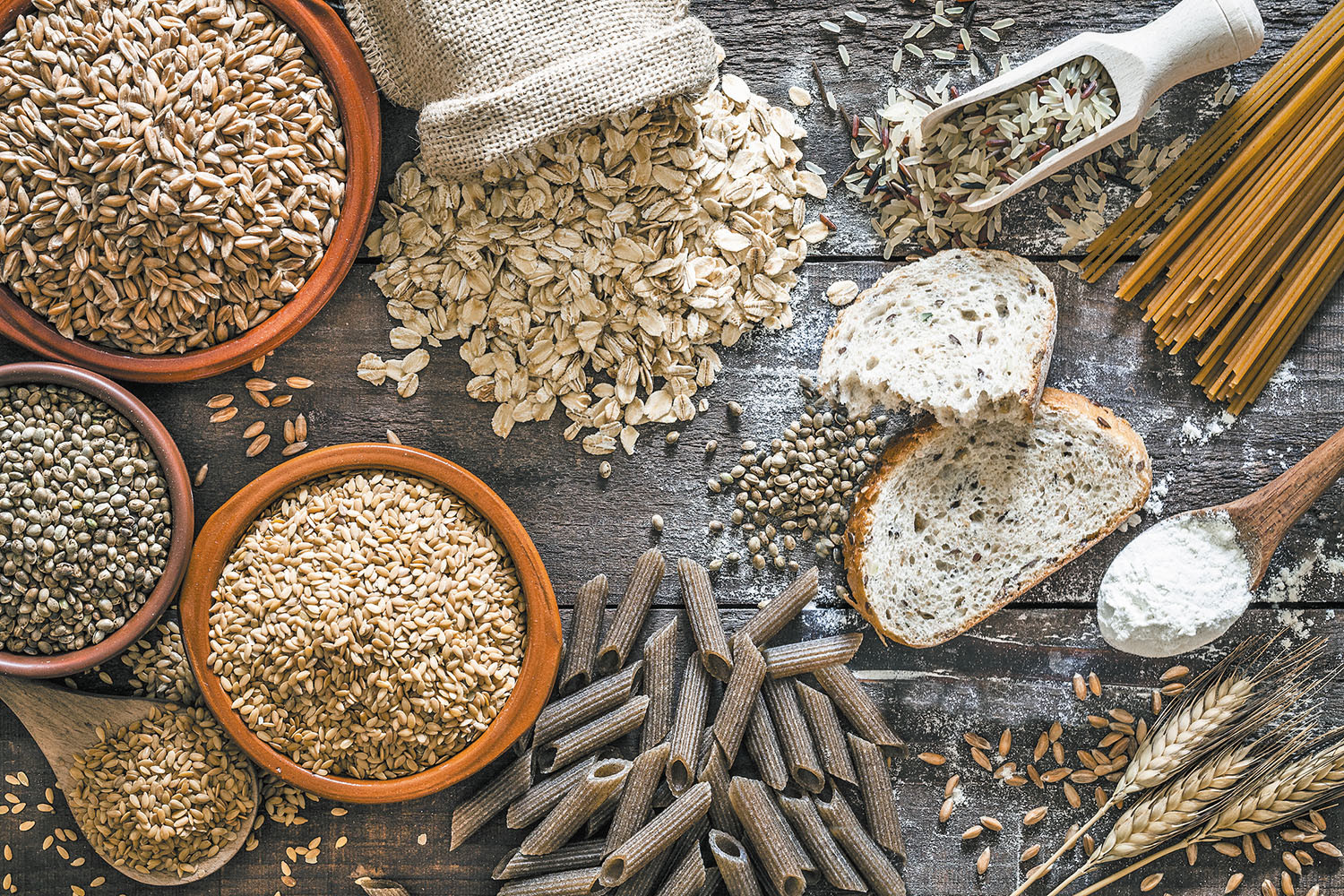
Q. I have terrible skin, and a friend recently recommended that I eliminate gluten from my diet to help manage my condition. Will this work?
A. Not necessarily. Gluten has gotten a lot of attention in recent years. Some people believe that eating gluten can inflame the skin and, therefore, cutting it out will help relieve red, inflamed skin or other skin conditions, such as psoriasis or eczema.

Don’t let winter put a chill on your vegetable intake
It may take a little more effort, but some simple strategies can help you meet your recommended intake of veggies in the colder months.
Image: © stargatechris/Getty Images
In the summer, vegetables are plentiful. The supermarket shelves — and maybe even your own garden — are overflowing with zucchini and squash, tomatoes and asparagus. But as we head into the colder winter months, the offerings may be a little less inspiring.
"With summer vegetables becoming more expensive in the winter, people's eating variety may shrink," says Teresa Fung, adjunct professor in the Department of Nutrition at the Harvard T.H. Chan School of Public Health. "And when variety shrinks, often quantity shrinks as well."
Fatty liver disease: Should you be tested?
Even a little exercise linked with lower stroke risk in people with afib
Testosterone therapy without evidence of deficiency may boost heart risk
Weight-loss drug may lower risk of heart attacks and infections
Migraine: How it's diagnosed and what that means
Tricep workouts you can do at home
Mindfulness practices to reduce stress and improve focus
Antihistamines may not offer meaningful relief from eczema symptoms
Overweight and taking blood pressure medications: Study finds it's a trend that's working
FDA approves first mRNA-based flu vaccine
Free Healthbeat Signup
Get the latest in health news delivered to your inbox!
Sign Up
