

Fatty liver disease: Should you be tested?

Even a little exercise linked with lower stroke risk in people with afib

Testosterone therapy without evidence of deficiency may boost heart risk

Weight-loss drug may lower risk of heart attacks and infections

Migraine: How it's diagnosed and what that means

Tricep workouts you can do at home

Mindfulness practices to reduce stress and improve focus

Antihistamines may not offer meaningful relief from eczema symptoms

Overweight and taking blood pressure medications: Study finds it's a trend that's working

FDA approves first mRNA-based flu vaccine
Vitamins, minerals & supplements Archive
Articles
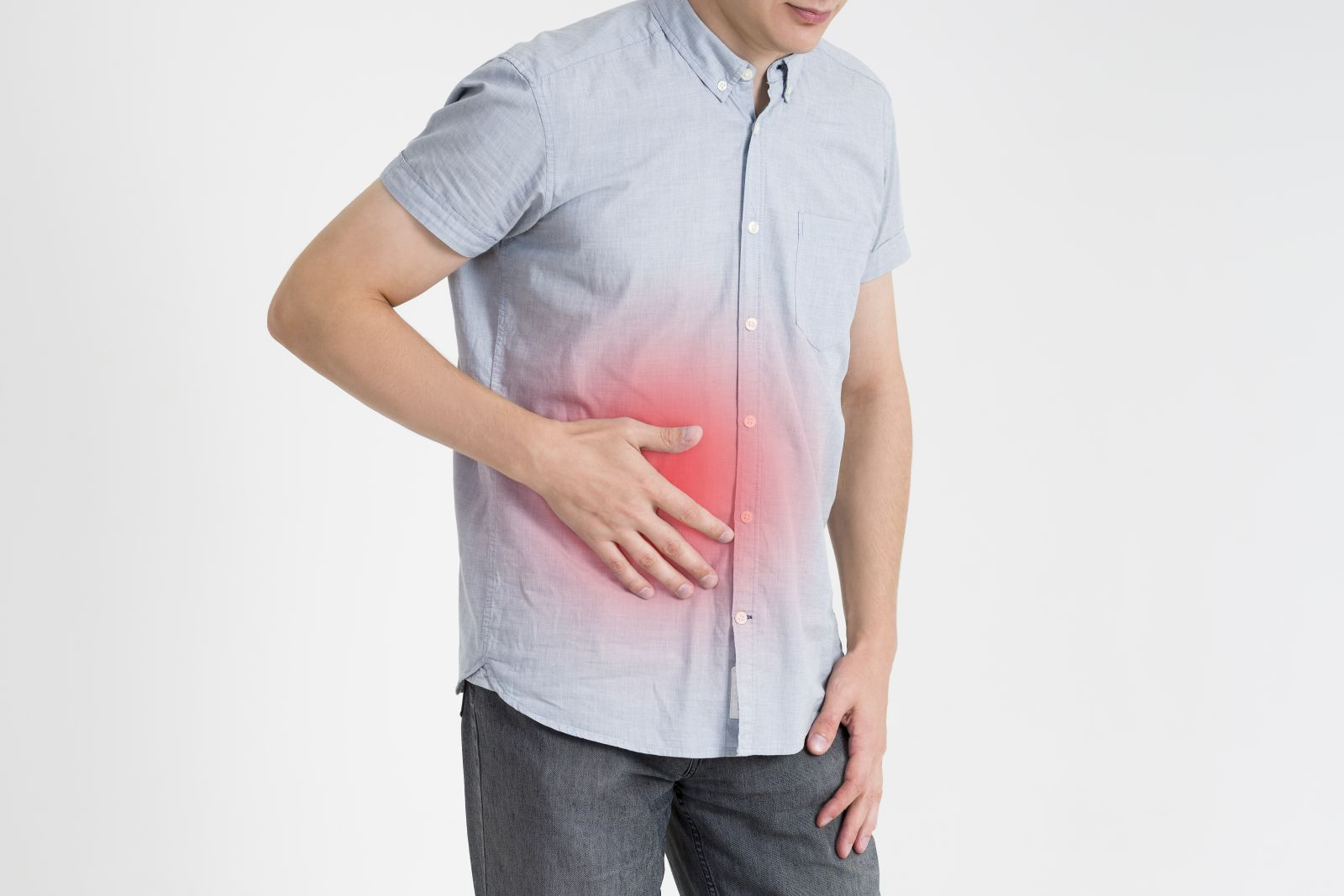
Antibiotics help some people avoid surgery for appendicitis
Image: © Azure-Dragon/Getty Images
In the journals
It is often assumed that appendicitis means automatic surgery to relieve the pain and avoid complications. Yet, a study published online Sept. 25, 2018, by JAMA found that many people with uncomplicated acute appendicitis may be safely treated with antibiotics and avoid an appendectomy.
About 70% to 80% of acute appendicitis cases are uncomplicated, which means the appendix hasn't ruptured or formed an abscess. In the study, researchers had 530 people with uncomplicated acute appendicitis either undergo an appendectomy or receive 10 days of antibiotic therapy. After five years, 61% of the antibiotic group had no recurrences of appendicitis and no appendectomies.

Low-dose aspirin and ovarian cancer risk
Research we're watching
Image: © Robert Kirk/Getty Images
Anti-inflammatory medications may play a role in ovarian cancer risk. A study by researchers at the Harvard T.H. Chan School of Public Health found that taking low-dose aspirin regularly appears to reduce the risk of ovarian cancer by 23%. However, long-term heavy use of ibuprofen (Advil), naproxen (Aleve), and other nonsteroidal anti-inflammatory drugs (NSAIDs) seems to increase risk.
The study, published online October 4 by JAMA Oncology, looked at data on more than 200,000 women who participated in the Nurses' Health Study and Nurses' Health Study II. Among the group studied, 1,054 women went on to develop ovarian cancer. Researchers then looked at what type of medications the women took on a regular basis. They found that women who took at least 10 doses of NSAIDs a week for multiple years had an increased risk of ovarian cancer. Women who took low-dose aspirin regularly seemed to have a reduced risk — but the same was not true among women who took a standard-dose aspirin.


Why has my sense of taste changed?
On call
Image: © Meinzahn/Getty Images
Q. I have lost some of my sense of taste. I take medicine for high blood pressure. Could that be the reason?
A. The ability to enjoy food's flavor requires both your sense of taste and your sense of smell, which are triggered by the stimulation of nerve endings in the mouth and nose. As we age, our senses of smell and taste diminish. We lose taste buds, and those that remain shrink; and our tongue and nose become less discerning.

Extra protein at breakfast helps control hunger
In the journals
Image: © Tverdohlib/Getty Images
A high-protein breakfast may help curb your appetite later in the day, suggests a small study in the October 2018 Journal of Dairy Science.
Researchers assigned 32 healthy adults to eat a breakfast containing two servings of a high-carbohydrate cereal, with either 1 cup of commercial milk that contained 12.4 grams of protein, or 1 cup of milk mixed with a whole-milk protein concentrate or a whey protein powder that boosted protein intake to 28 grams. The participants then had their blood sugar levels measured.
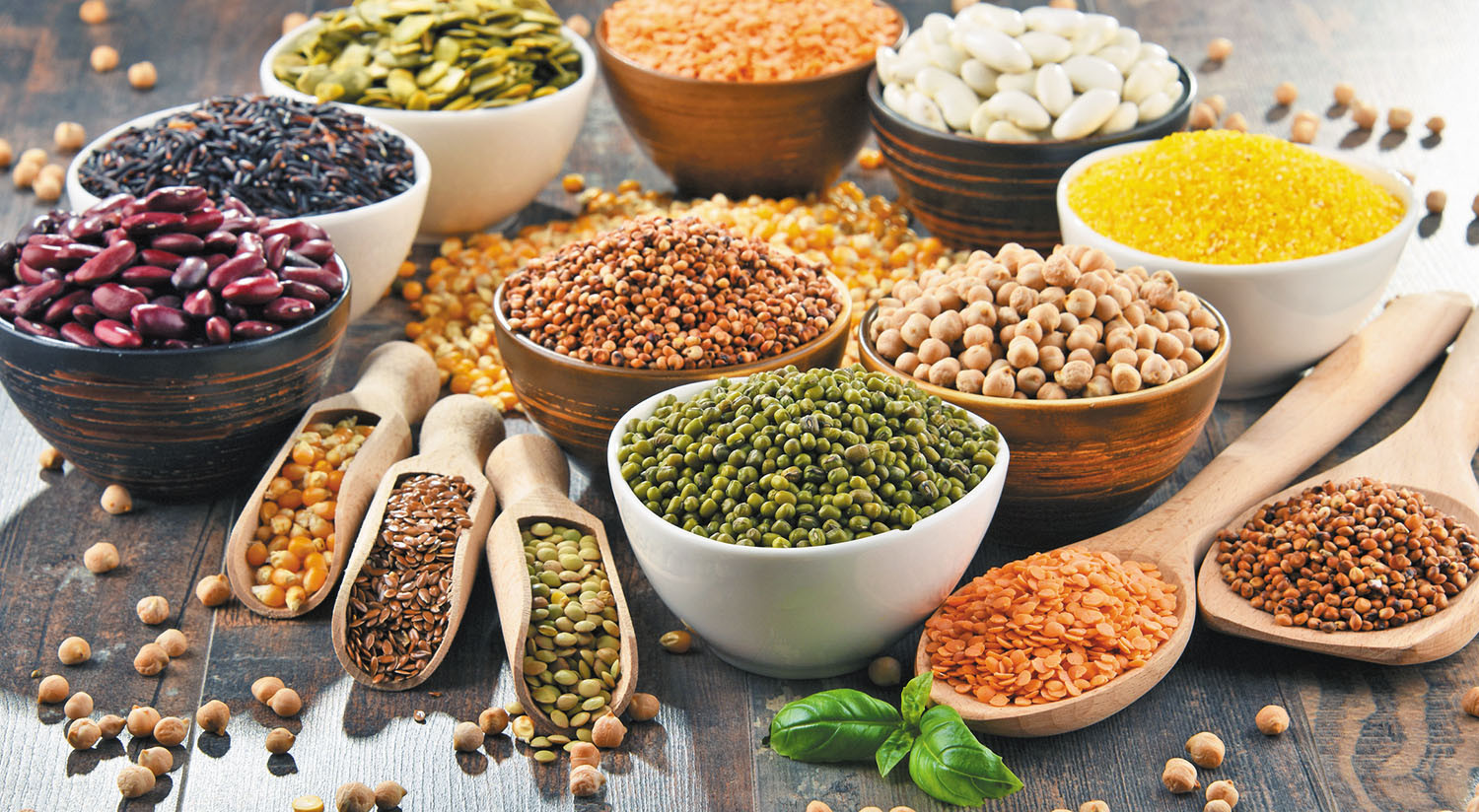
Legumes: A quick and easy switch to improve your diet
Beans, peas, and peanuts are high in protein but lower in saturated fat than red meat.
Image: © monticelllo/Getty Images
Looking for a quick way to improve your diet? Try swapping some of your regular servings of red meat with legumes.
"People will ask me, is red meat bad for me? And my answer is, compared to what? Compared to sugar, no. Compared to legumes, yes. That's where I think legumes come in. They are especially beneficial if they can replace red meat," says Dr. Meir Stampfer, a professor of epidemiology and nutrition at the Harvard T.H. Chan School of Public Health.

Drugstore sleep aids may bring more risks than benefits
Explore more effective alternatives to help you get a good night's rest.
Image: © miya227/Getty Images
You've spent the past few nights staring at the ceiling, thinking about your grocery list, lining up your tasks for the next day, or obsessing about your problem du jour — but what you really want to be doing is sleeping soundly. You're in the pharmacy and notice an array of over-the-counter sleep aids, and you're tempted. Will taking one help you get that deep slumber you crave?
Before you reach for that bottle, you might want to reconsider.
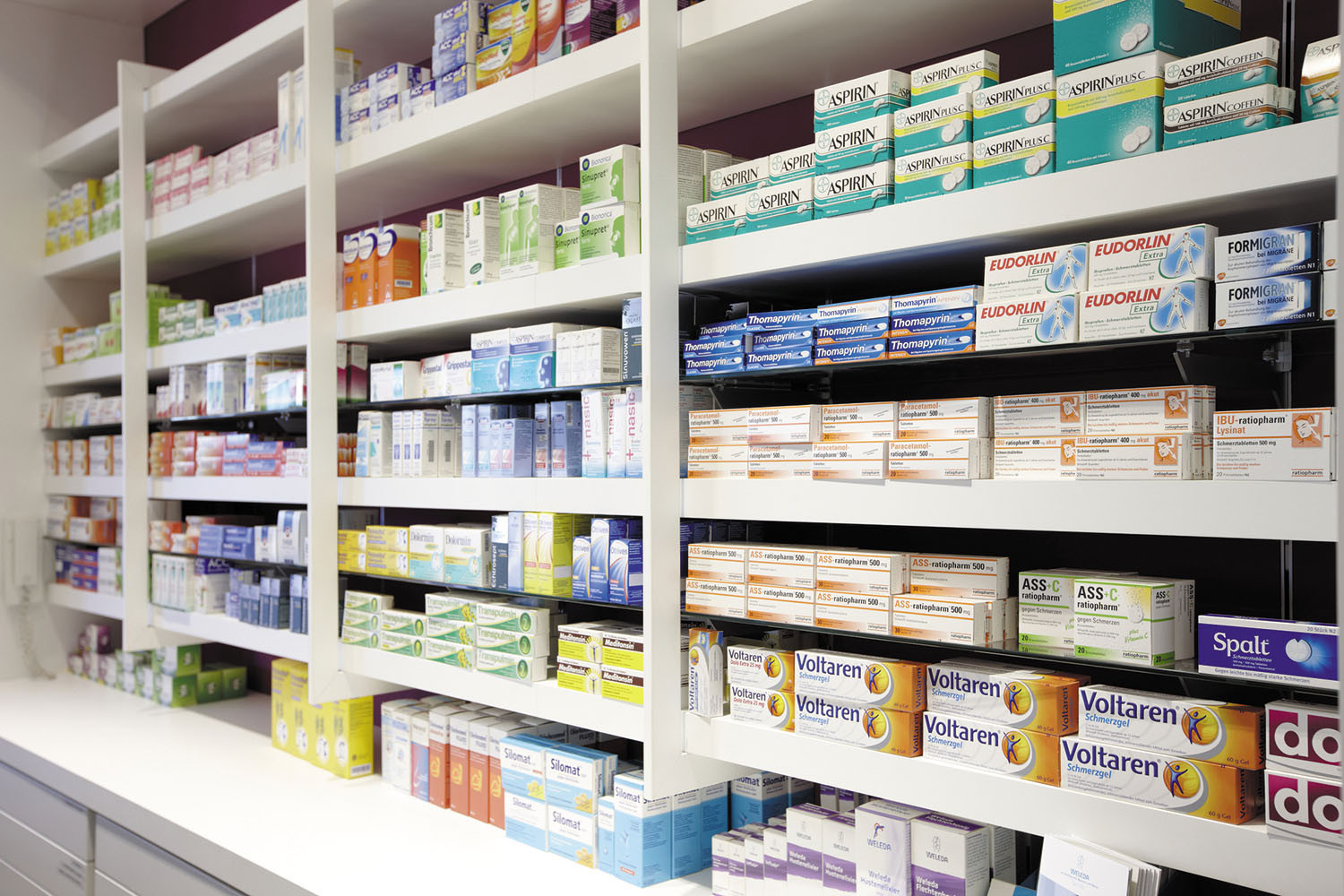
Certain pain relievers could harm your heart
But use is primarily a concern for people who take them over a long period or who have certain health risks.
Image: © clu/Getty Images
Numerous studies in recent years have raised concerns that common pain relievers known as nonsteroidal anti-inflammatory drugs (NSAIDs) increase the risk of cardiovascular problems, such as heart attack and stroke.
A study published September 4 in The BMJ seems to confirm the risks associated with NSAIDs and notes that one medication in particular — diclofenac (Voltaren) — is associated with even higher risks to cardiovascular health than others in the same category.

Low-dose aspirin might not benefit healthy adults
Research we're watching
Image: © dszc/Getty Images
Taking a low-dose aspirin every day could bring more risks than health benefits to healthy older adults, according to three papers from a single study, published online September 16 by The New England Journal of Medicine. The study, which began in 2010, included more than 19,000 adults ages 65 and older in the United States and Australia, who were free of cardiovascular disease, dementia, or disability, and followed participants for 4.7 years on average. Researchers found that treatment with a daily low-dose aspirin did not prevent dementia or disability. And rates of cardiovascular events (such as heart attacks and stroke) were similar between participants who took low-dose aspirin therapy and the comparison group that did not. While health outcomes were largely the same, people in the aspirin group were more likely than those who were not taking daily aspirin to experience significant bleeding, both in the gastrointestinal tract and the brain — a known risk of aspirin therapy.
While low-dose aspirin does not appear to benefit healthy older adults, this does not apply to people with known cardiovascular disease. For them, aspirin therapy significantly decreases risk of heart attack and stroke.
Fatty liver disease: Should you be tested?
Even a little exercise linked with lower stroke risk in people with afib
Testosterone therapy without evidence of deficiency may boost heart risk
Weight-loss drug may lower risk of heart attacks and infections
Migraine: How it's diagnosed and what that means
Tricep workouts you can do at home
Mindfulness practices to reduce stress and improve focus
Antihistamines may not offer meaningful relief from eczema symptoms
Overweight and taking blood pressure medications: Study finds it's a trend that's working
FDA approves first mRNA-based flu vaccine
Free Healthbeat Signup
Get the latest in health news delivered to your inbox!
Sign Up
