

Fatty liver disease: Should you be tested?

Even a little exercise linked with lower stroke risk in people with afib

Testosterone therapy without evidence of deficiency may boost heart risk

Weight-loss drug may lower risk of heart attacks and infections

Migraine: How it's diagnosed and what that means

Tricep workouts you can do at home

Mindfulness practices to reduce stress and improve focus

Antihistamines may not offer meaningful relief from eczema symptoms

Overweight and taking blood pressure medications: Study finds it's a trend that's working

FDA approves first mRNA-based flu vaccine
Vitamins, minerals & supplements Archive
Articles

Mediterranean diet works by adding up small improvements
Over time, eating a diet high in vegetables, fruits, whole grains, and olive oil can reduce heart and blood vessel disease risks.
Image: © inaquim/Getty Images
Eating a Mediterranean-type diet won't suddenly and dramatically improve your cholesterol, magically slash your blood pressure, or help you drop 20 pounds overnight.
But if you stick with it over time, it can potentially cut your risk of heart and blood vessel diseases by as much as 25%, according to a study published online Dec. 7, 2018, by JAMA Network Open. This overall improvement may be due to the cumulative effect of numerous small positive changes that occur in the body as a result of the diet — most notably, a drop in chronic inflammation, a known risk factor for heart disease.

Study: Light pollution may trigger insomnia
Research we're watching
High exposure to bright, artificial outdoor lights during the night may result in sleepless nights for older adults. The more of this so-called light pollution that people were exposed to at night, the more they seemed to turn to medication to help them sleep, according to a study published in the Nov. 15, 2018, Journal of Clinical Sleep Medicine. People in brightly lit areas, as judged by satellite data, also seemed to take those drugs for longer and took higher doses than people who weren't exposed to nighttime light.
To come to their conclusions, the researchers looked at data on more than 50,000 adults ages 60 or older from the National Health Insurance Service–National Sample Cohort, a database of information collected on people who participated in health screenings between 2002 and 2013 in South Korea. Researchers compared the people's nighttime light exposure and their use of two sleep drugs, zolpidem (Ambien) and triazolam (Halcion).
FDA: Certain antibiotics may bring serious risks
Research we're watching
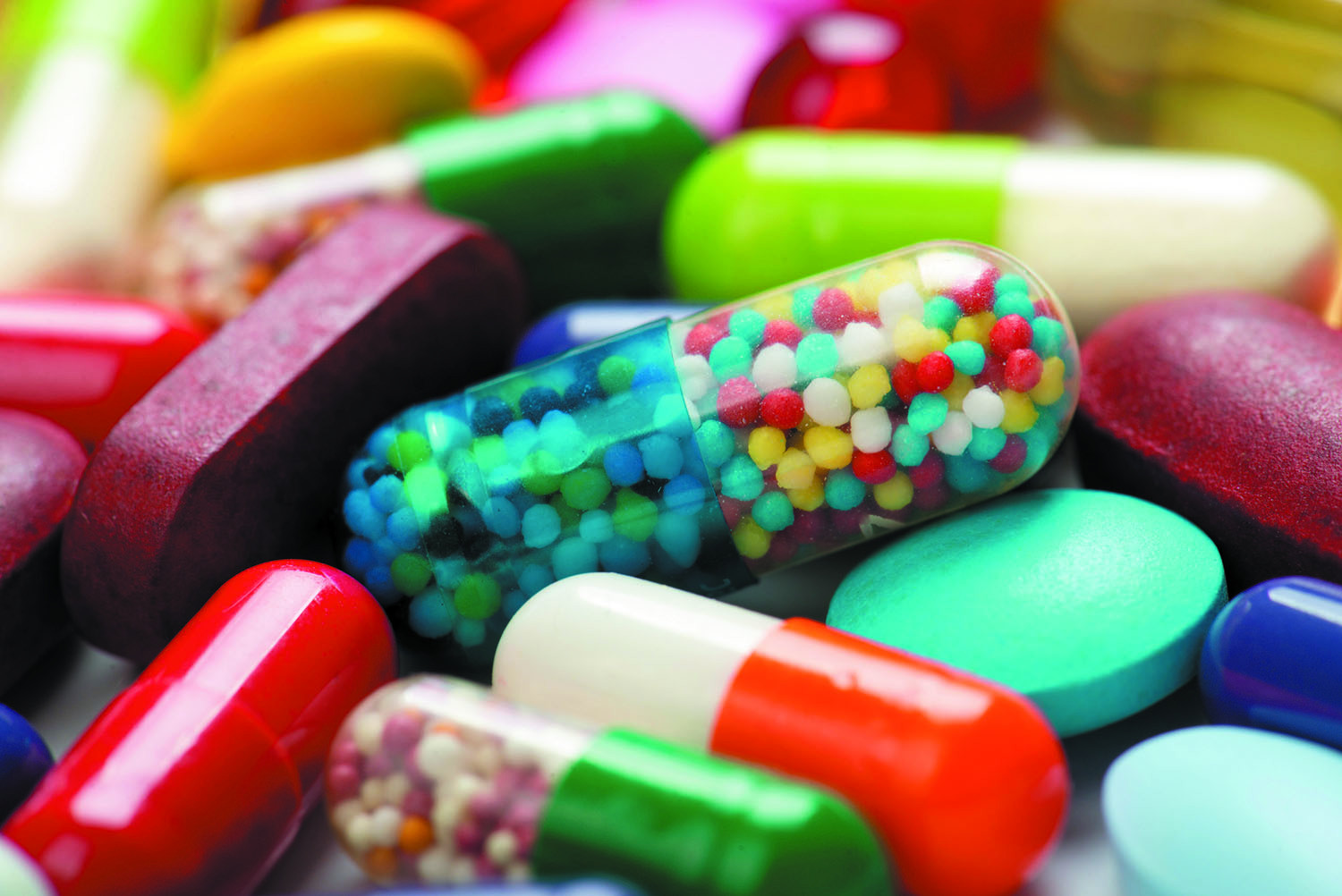
In December 2018, the FDA issued a warning about certain antibiotics known as fluoroquinolones, a drug class that includes ciprofloxacin (Cipro) and levofloxacin (Levaquin). The drugs are associated with rare ruptures or tears in the body's main artery, the aorta, which can cause serious, sometimes fatal bleeding. Cases were reported in people taking these antibiotics orally or by injection.
Because of this risk, the FDA is advising doctors to try to avoid prescribing these antibiotics to people who are at higher risk for problems with the aorta, unless there are no other antibiotics available to treat the infection. This includes people who have high blood pressure, certain genetic disorders (such as Marfan syndrome and Ehlers-Danlos syndrome), or a history of arterial blockages or aneurysms.




Ask the doctor: Microwave's impact on food
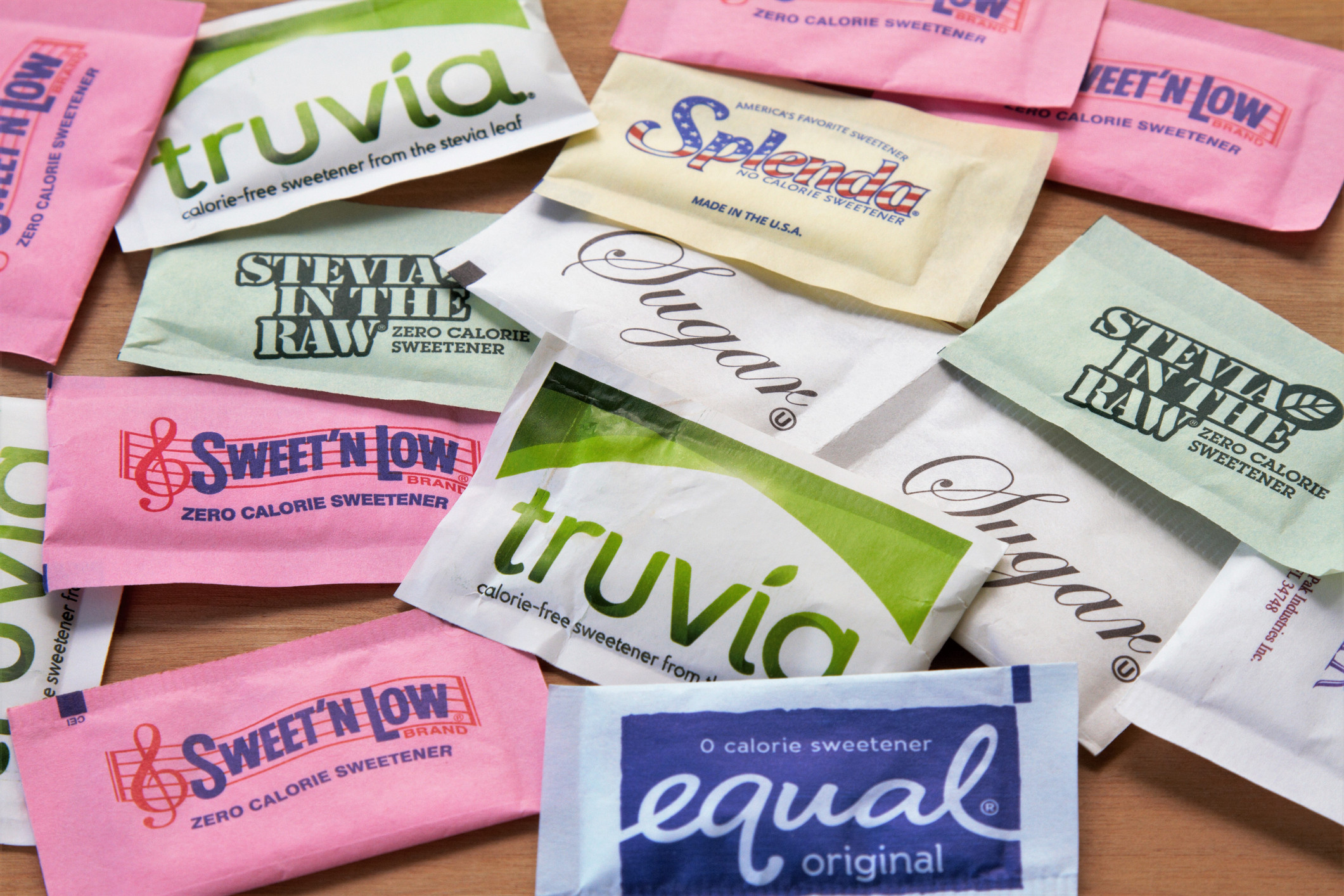
There's less time for nutrients to break down when food is cooked quickly. |
Q. Does using a microwave to cook ruin the nutrients in food?
Fill up on phytochemicals
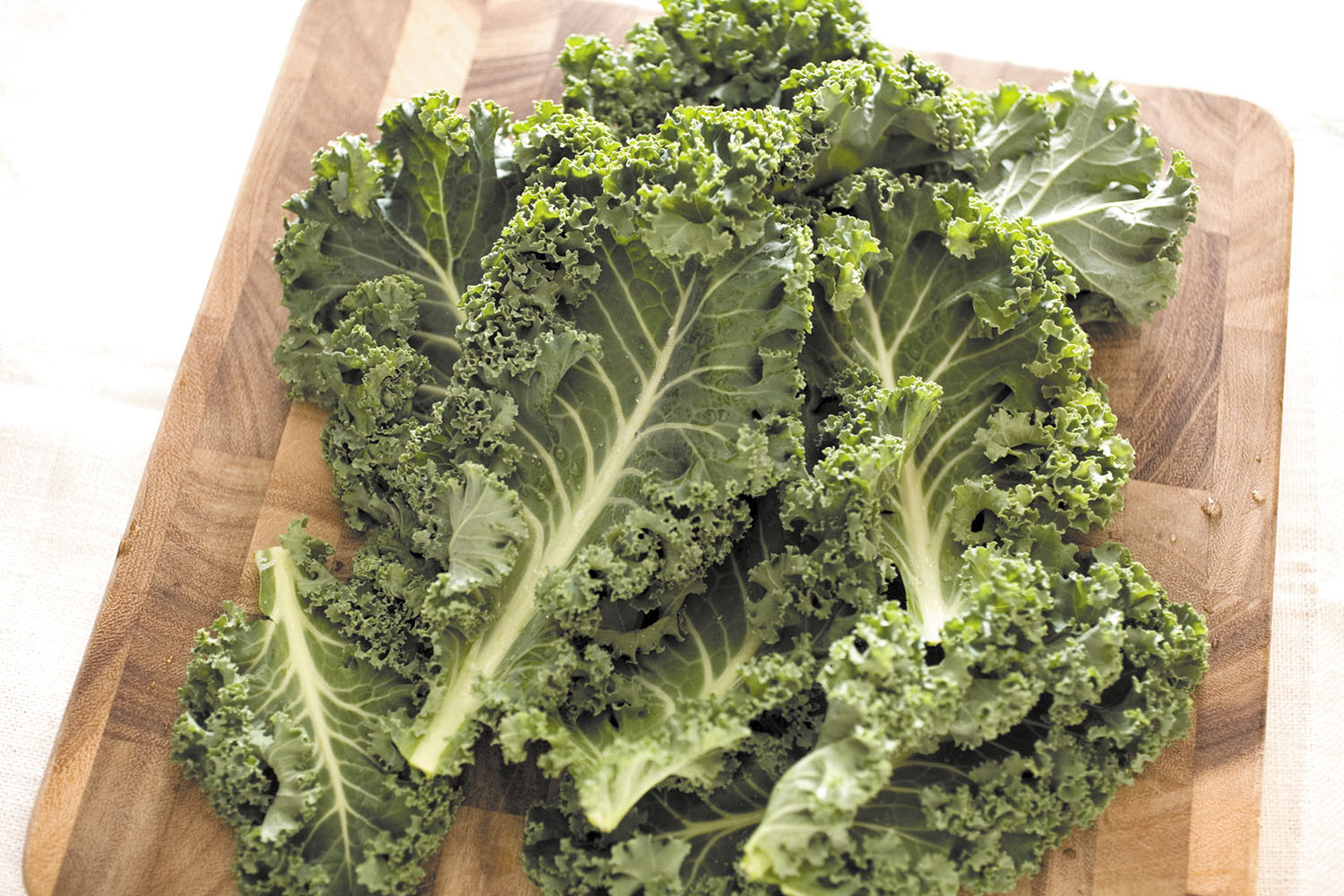
Eating a varied diet of colorful plant foods may have benefits that go beyond the power of vitamins and minerals.
Image: © sf_foodphoto/Getty Images
Whenever you bite into a juicy red apple or crunch a mouthful of dark, leafy greens, you consume more than just vitamins, minerals, and fiber. You also get a power-packed bite of plant substances called phytochemicals. They're not known to be essential for health, like vitamins and minerals, but they may go a long way toward keeping us healthy.
"We're still just learning about them. The science is ongoing. But they may help fight cancer and heart disease," says Debbie Krivitsky, director of clinical nutrition at the Cardiovascular Disease Prevention Center at Harvard-affiliated Massachusetts General Hospital.

Are there any new flu treatments?
Ask the doctors
Q. I heard that there is a new medication that you can take for the flu. Is this a vaccine?
A. In October 2018, for the first time in 20 years, the FDA approved a new medication to treat the flu. Baloxavir marboxil, sold as Xofluza, is not a vaccine, but rather an antiviral drug that can help your body fight off influenza more quickly. Antivirals work by stopping viruses from reproducing, lessening both the severity of your symptoms and their duration. Xofluza joins two antiviral drugs commonly prescribed for flu, oseltamivir (Tamiflu) and zanamivir inhaler (Relenza). (A third flu drug — peramivir, trade name Rapivab — is administered as an intravenous infusion.)
Fatty liver disease: Should you be tested?
Even a little exercise linked with lower stroke risk in people with afib
Testosterone therapy without evidence of deficiency may boost heart risk
Weight-loss drug may lower risk of heart attacks and infections
Migraine: How it's diagnosed and what that means
Tricep workouts you can do at home
Mindfulness practices to reduce stress and improve focus
Antihistamines may not offer meaningful relief from eczema symptoms
Overweight and taking blood pressure medications: Study finds it's a trend that's working
FDA approves first mRNA-based flu vaccine
Free Healthbeat Signup
Get the latest in health news delivered to your inbox!
Sign Up
