

Fatty liver disease: Should you be tested?

Even a little exercise linked with lower stroke risk in people with afib

Testosterone therapy without evidence of deficiency may boost heart risk

Weight-loss drug may lower risk of heart attacks and infections

Migraine: How it's diagnosed and what that means

Tricep workouts you can do at home

Mindfulness practices to reduce stress and improve focus

Antihistamines may not offer meaningful relief from eczema symptoms

Overweight and taking blood pressure medications: Study finds it's a trend that's working

FDA approves first mRNA-based flu vaccine
Vitamins, minerals & supplements Archive
Articles

Taking osteoporosis drugs shouldn't prevent you from getting oral surgery
A drug holiday is one recommendation to reduce the risk of a rare bone condition that affects the jaw.
A dentist refers a woman to an oral surgeon because she needs a tooth pulled. But upon reviewing her chart, the oral surgeon turns her away.
The reason? She's taking a common medication to treat her osteoporosis, a condition that causes bones to become thin, brittle, and prone to fracture.
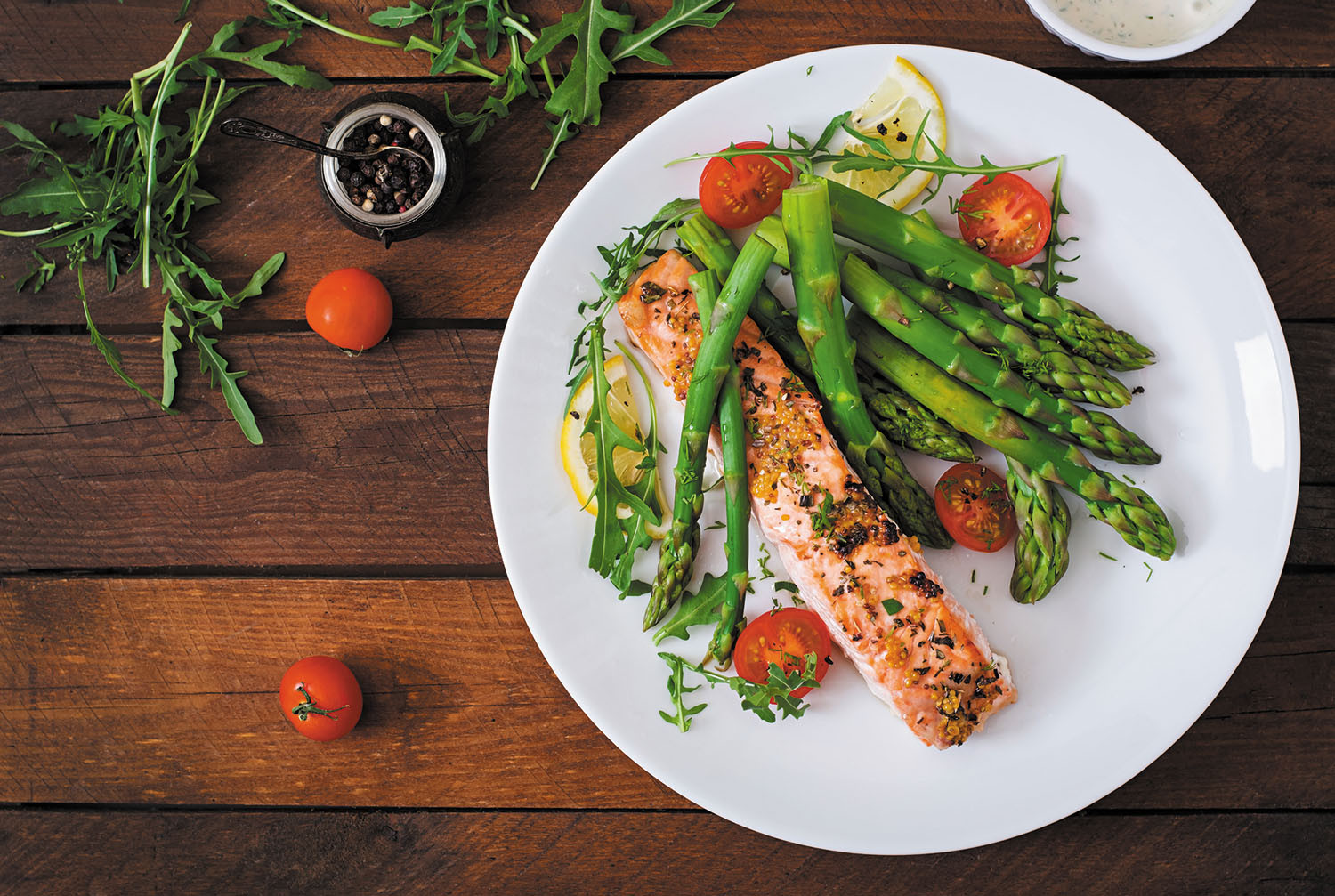
Fried foods linked to earlier death
Healthier options, such as baking, can offer similar taste without the health drawbacks.
Fried foods are crunchy, crispy, and tasty, but as tempting as they are, eating them too often might shave years off your life.
A study published online January 23 by The BMJ found that women who ate one or more servings of fried chicken daily were 13% more likely to die prematurely from any cause and 12% more likely to die from heart-related causes than women who didn't eat any fried food.
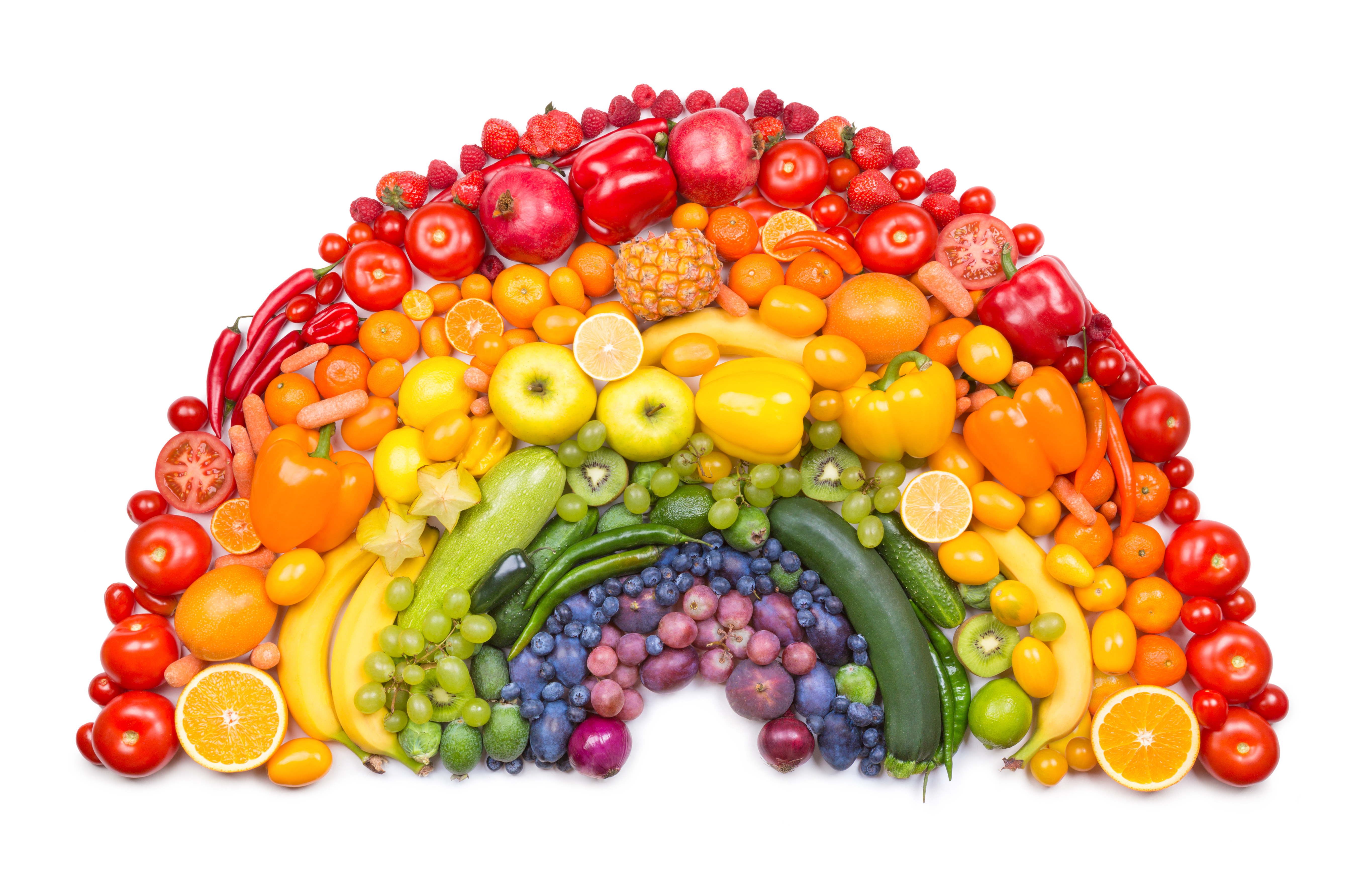
Phytonutrients: Paint your plate with the colors of the rainbow
Phytonutrients in fruits and vegetables can protect us from chronic diseases if we eat enough of them. Because different produce contains different phytonutrients, consuming as much of a variety as possible is the best way to benefit from this protection.
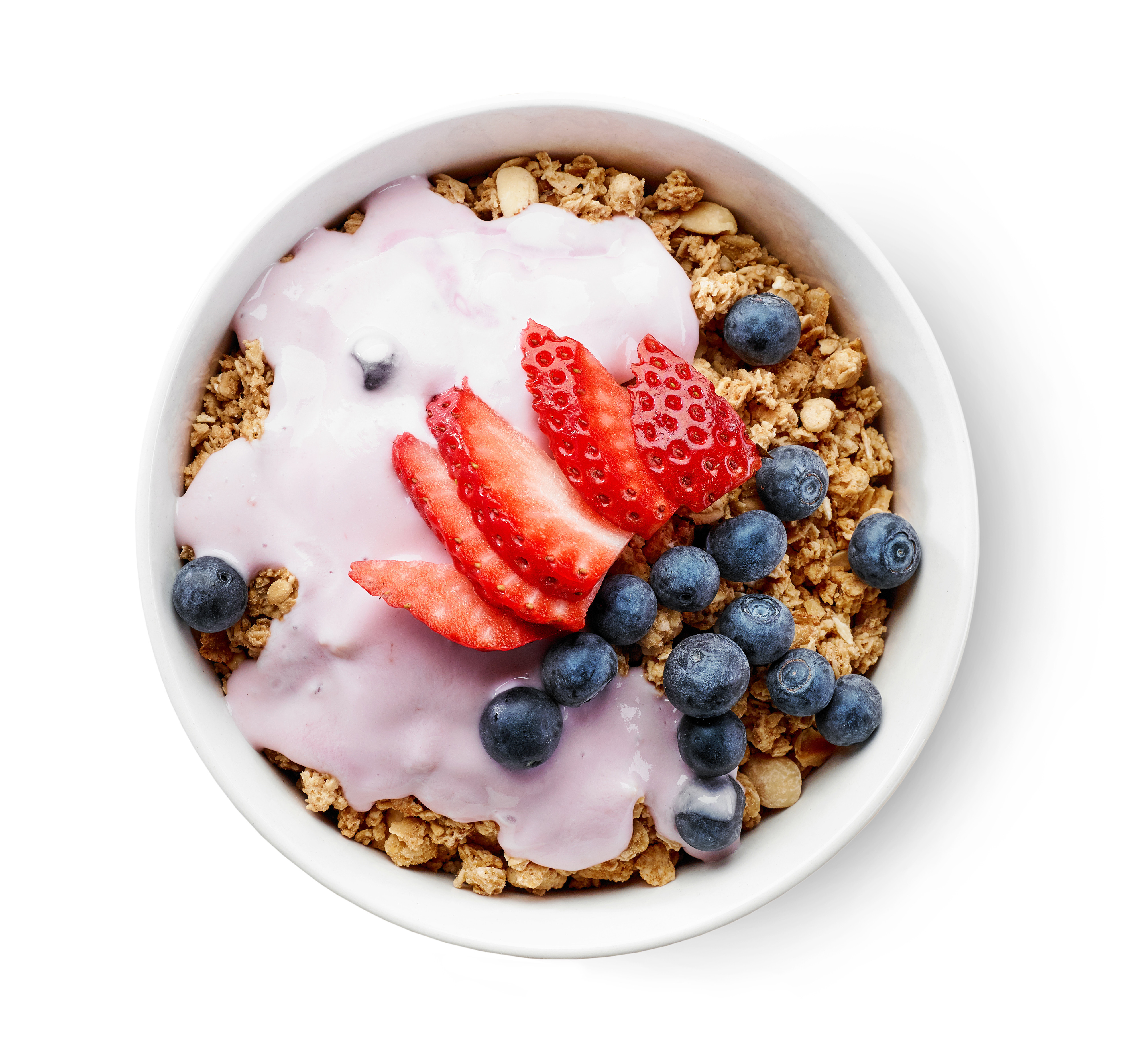
Eating breakfast won’t help you lose weight, but skipping it might not either
Eat breakfast? Skip breakfast? Newer research fails to link eating breakfast with eating less or weight loss. So, will skipping breakfast shave off weight?

By the way, doctor: Does carbonated water harm bones?
ARCHIVED CONTENT: As a service to our readers, Harvard Health Publishing provides access to our library of archived content. Please note the date each article was posted or last reviewed. No content on this site, regardless of date, should ever be used as a substitute for direct medical advice from your doctor or other qualified clinician.
Q. I've heard that club soda, seltzer water, and sparkling mineral waters rob the bones of calcium. Is this true?

Ask the doctor: Is vinegar good for the arteries?
Q. I've heard that apple cider vinegar can clean out the arteries. Is there any truth to that?
A. If you believe the stories written about apple cider vinegar, it is a miracle cure for just about anything that ails you, from curbing the appetite to detoxifying the body, boosting the immune system, treating arthritis, and improving circulation. That's a tall order for a brew made from fermented apples. But there's no evidence to back up most of these apple cider vinegar claims.

What's in your frozen treat?
Do a little detective work before digging into that dessert.
Treating yourself to a small dish of an icy dessert used to be simple: we had a limited number of dessert types and flavors available, like chocolate ice cream or orange sherbet. Today there are so many options at the grocery store you may feel a brain freeze before you even take a bite.
You'll find ice cream, frozen custard, frozen yogurt, sherbet, and gelato. It may be full fat, reduced fat, low fat, nonfat, low carbohydrate, or sugar-free.

Can exercise and diet help mild cognitive impairment?
News briefs
We often tell you about using aerobic exercise and a healthy diet to try to stave off dementia. But will those approaches help if you already have the slight but noticeable change in memory and thinking known as mild cognitive impairment (MCI)? A small randomized trial (the gold standard type of study) published online Dec. 19, 2018, by Neurology suggests the combination of diet and exercise may indeed help. Researchers studied 160 sedentary older adults who had MCI as well as one or more cardiovascular disease risk factors, such as high cholesterol. Participants were randomly assigned to do aerobic exercise, to follow a heart-healthy diet (the Dietary Approaches to Stop Hypertension, or DASH, diet), to do a combination of aerobic exercise and the DASH diet, or to just get weekly heart health education. After six months, people who just exercised several times a week got a little bump in executive function (thinking skills that help us plan and organize), but the biggest change was seen in people who both followed the DASH diet and did aerobic training three times a week. Their improved planning skills were equivalent to reversing nearly 10 years of brain aging, compared with study participants who didn't exercise or improve their diets. The findings demonstrate that it's never too late to start exercising and eating right.
Image: © adamkaz/Getty Images
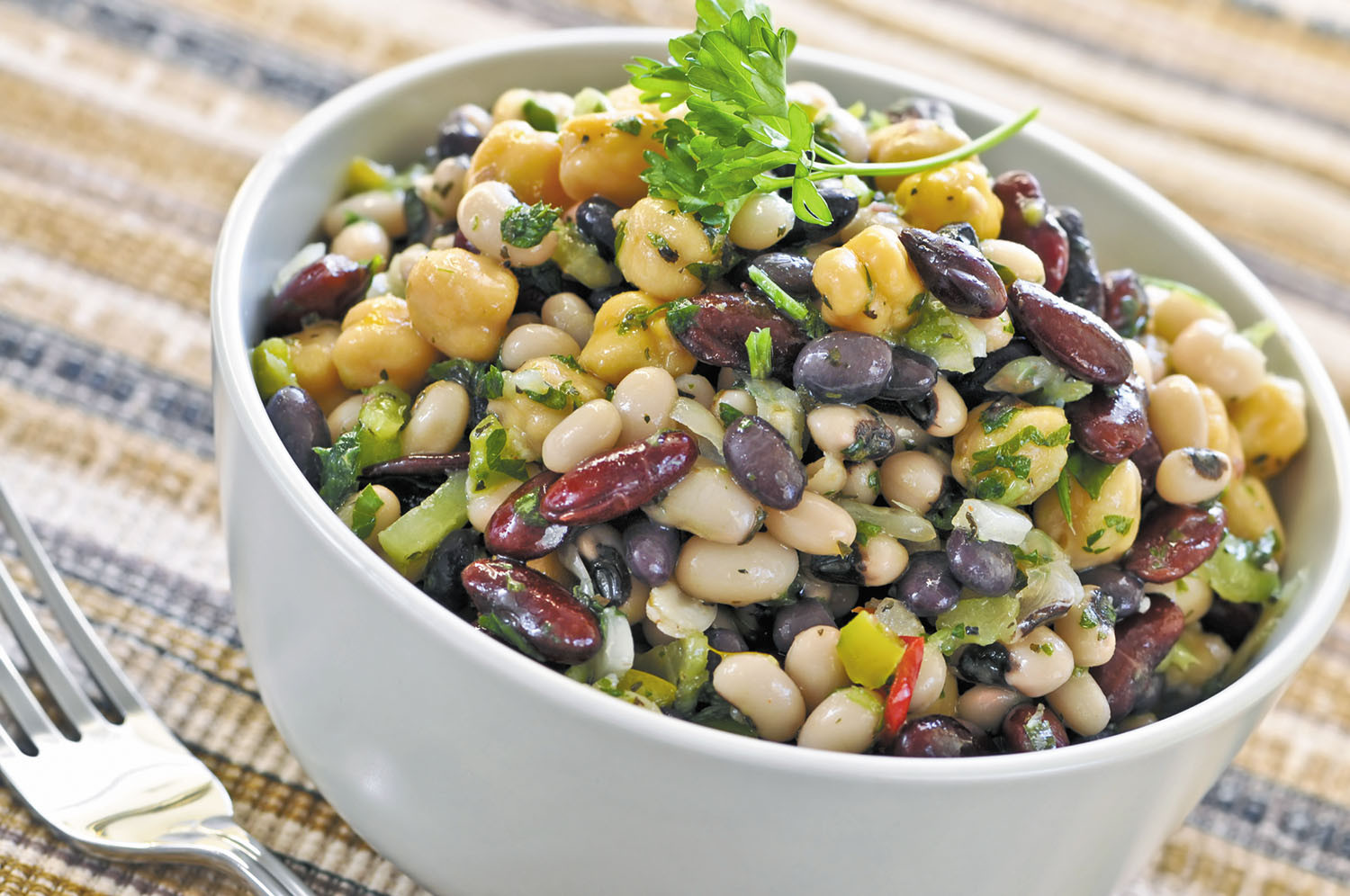
Fiber linked to lower risk for chronic disease and early death
News briefs
Are you eating enough fiber each day? The recommended dietary fiber intake in the United States is 25 grams per day for women (about three half-cup servings of legumes) and 38 grams per day for men. But most people eat only half of that. Now a study commissioned by the World Health Organization, published online Jan. 10, 2019, by The Lancet, offers more evidence about why fiber is an important player in good health. Researchers combed through more than 240 studies and clinical trials and found that people who ate the most fiber-rich foods had the lowest risks for dying or developing chronic disease during the studies, compared with people who ate the least amount of fiber-rich foods. How much did the risks fall? For every 8-gram increase in dietary fiber eaten each day, the total number of deaths and cases of heart disease, diabetes, and colorectal cancer decreased by 5% to 27%. The authors say that eating 25 to 29 grams of fiber per day is adequate, but eating more than 30 grams per day might offer even more protection.
Image: © Elenathewise/Getty Images

Muscle aches from statins: Real, but sometimes imagined?
The "nocebo effect" may explain why some people believe they can't tolerate statins.
For more than 20 years, cholesterol-lowering statin drugs have been a mainstay for preventing and treating heart disease. But up to half of people prescribed these drugs are no longer taking them within a year or two. The reasons vary, but some people experience what they believe to be statin-related side effects — most often muscle pain. Others avoid statins altogether because of worries over side effects.
"Far too any people think they cannot tolerate statins when they actually can," explains Dr. Jorge Plutzky, director of preventive cardiology at Harvard-affiliated Brigham and Women's Hospital. To be clear, muscle problems are a known side effect of statins. However, serious muscle-related complications are extremely rare (see "What is rhabdomyolysis?"). And when people experience the more common — but less worrisome — muscle-related symptoms, those issues usually resolve with a lower statin dose or a change to a different statin, Dr. Plutzky says.
Fatty liver disease: Should you be tested?
Even a little exercise linked with lower stroke risk in people with afib
Testosterone therapy without evidence of deficiency may boost heart risk
Weight-loss drug may lower risk of heart attacks and infections
Migraine: How it's diagnosed and what that means
Tricep workouts you can do at home
Mindfulness practices to reduce stress and improve focus
Antihistamines may not offer meaningful relief from eczema symptoms
Overweight and taking blood pressure medications: Study finds it's a trend that's working
FDA approves first mRNA-based flu vaccine
Free Healthbeat Signup
Get the latest in health news delivered to your inbox!
Sign Up
