

Fatty liver disease: Should you be tested?

Even a little exercise linked with lower stroke risk in people with afib

Testosterone therapy without evidence of deficiency may boost heart risk

Weight-loss drug may lower risk of heart attacks and infections

Migraine: How it's diagnosed and what that means

Tricep workouts you can do at home

Mindfulness practices to reduce stress and improve focus

Antihistamines may not offer meaningful relief from eczema symptoms

Overweight and taking blood pressure medications: Study finds it's a trend that's working

FDA approves first mRNA-based flu vaccine
Vitamins, minerals & supplements Archive
Articles

Beer-before-wine strategy doesn't hold water
News briefs
Ever hear the saying that drinking beer before wine can reduce hangover symptoms? It's just a myth, according to a small randomized study published Feb. 1, 2019, in The American Journal of Clinical Nutrition. Researchers found out by dividing 90 men and women (ages 19 to 40) into four groups. One group drank beer first, and then wine; another group drank wine first, and then beer; and the last two groups drank only beer or only wine. All of the participants drank until they were intoxicated (measured by a breath test), and then rated their hangover symptoms (like headache and nausea) on the day after drinking. The process was repeated a week later, but this time the beer-first group drank wine first; the wine-first group drank beer first; the wine-only group drank only beer; and the beer-only group drank only wine. The results: everyone experienced hangovers, no matter what they drank or the order in which they drank it. The strongest predictors for hangover intensity were perceived drunkenness and vomiting. The bottom line: Drinking too much is unhealthy for anyone. If you drink at all, drink in moderation. That means no more than one drink per day for women, no more than two drinks per day for men.
Image: © draghicich/Getty Images

Sex hormones and your heart
Here's the latest thinking about how estrogen or testosterone therapy may affect cardiovascular risk.
The two main sex hormones — estrogen and testosterone — have wide-ranging effects in the body. Produced primarily by the ovaries (estrogen) and testes (testosterone), these hormones affect not just your sexual function but also your bones, brain, and blood vessels, for example.
As people age, the natural decline in sex hormone levels sometimes causes undesirable symptoms, such as hot flashes or a flagging sex drive. Doctors can prescribe pills, patches, gels, and creams containing estrogen or testosterone to ease those symptoms. But are these products safe for your heart?

Fiber: The carb you can count on for heart health
Make sure you're getting enough of this healthy carbohydrate in your diet.
When we think about following a healthy diet, we often fixate on what we shouldn't be eating, such as sugary desserts and fatty fried foods. A better strategy may be to focus on what we should be eating — especially more foods naturally rich in fiber.
Even though fiber passes through our bodies without being digested, it provides many health benefits, particularly for the heart. Fiber-rich diets may reduce the risk of heart disease and stroke by as much as 30%, according to a review article in the February 2 issue of The Lancet.

Lessons from the blood pressure drug recall
Here's what you need to know about the discovery of contaminants in a popular class of heart medications.
Last summer, a number of prescription medications containing the generic drug valsartan were recalled by manufacturers after investigators found trace amounts of possible cancer-causing impurities in some of the products. Over the following months, additional lots of valsartan, as well as batches of two similar drugs, losartan and irbesartan, were also pulled from pharmacy shelves.
All three of these drugs belong to a class of medications known as angiotensin-receptor blockers, or ARBs. These drugs block the effects of a hormone that narrows blood vessels and are used to treat high blood pressure and heart failure. The recalled products also include combination drugs that contain one of those three ARBs. (See "Medication recall information" for accessing the list of affected products.)
Legume of the month: Lentils
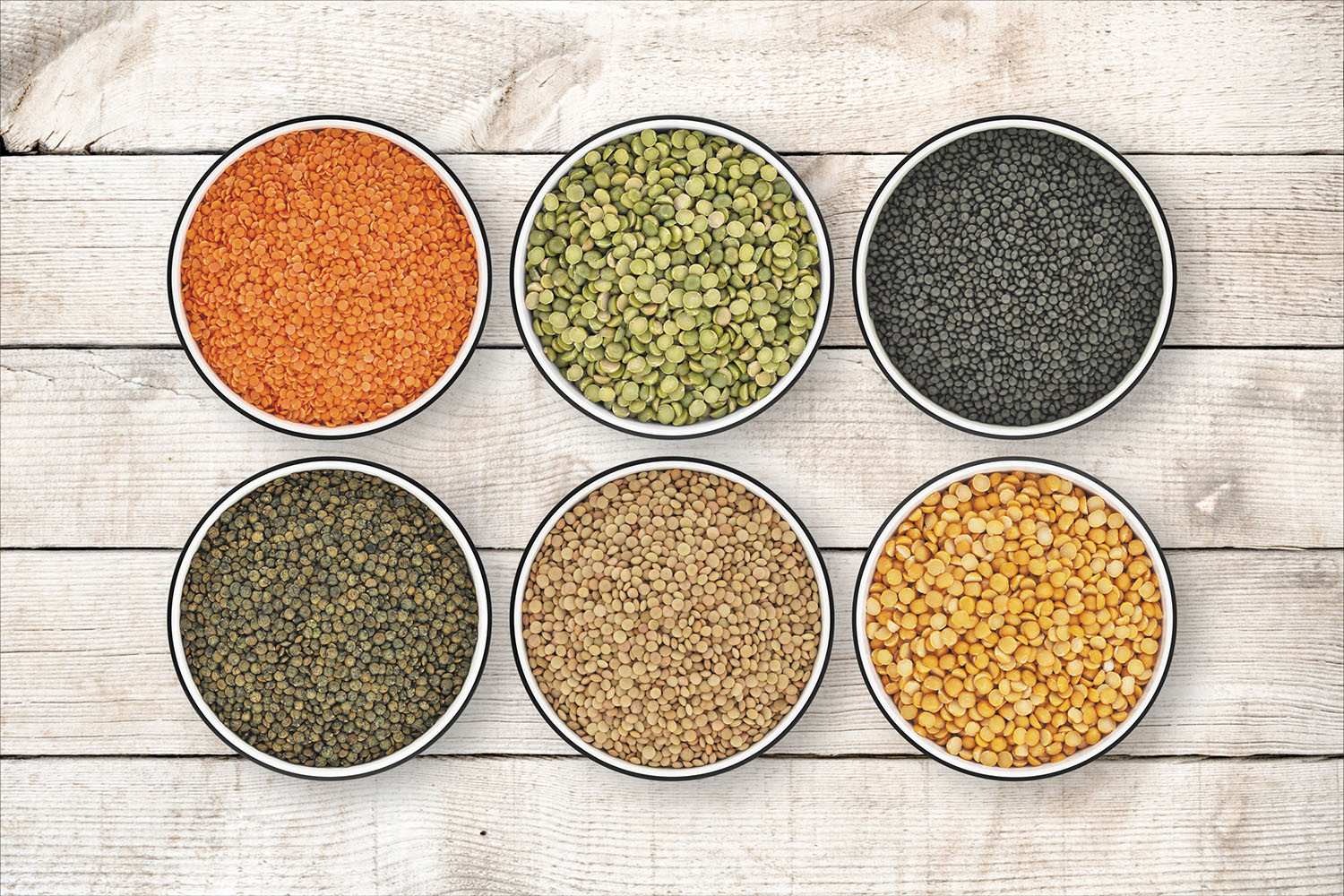
Lentils are tiny, lens-shaped legumes that come in array of colors, including yellow, red, green, brown, and black. Compared with other legumes, lentils are particularly rich in compounds known as polyphenols. These plant-based micronutrients are thought to help protect against cardiovascular disease.
Another advantage to lentils is that you don't need to soak them in advance, as is necessary with beans. And they cook quickly — usually in about 20 minutes or less. In fact, red lentils (which are actually orange) cook in just five minutes. Add one cup of lentils to three cups of water in a saucepan and bring to a boil. Once the water boils, the lentils are ready; you can then drain, rinse in cool water, and use them in salads. If you cook red lentils longer, they turn yellow and become very soft, with a smooth, pureed texture.

After hospitalization for heart disease: Avoid opioid drugs?
Research we're watching
People with heart disease who leave the hospital with a prescription for opioids may be more likely to miss follow-up care than those not prescribed opioids, a new study finds.
The study included nearly 2,500 people (mostly white men with an average age of 60) who were discharged from a university medical center after a heart attack or sudden heart failure. One in five were prescribed the powerful pain relievers known as opioids. Those people were less likely to follow up with their health care provider or to participate in cardiac rehabilitation than those not prescribed opioids.
Diabetes? Go nuts to lower your heart risk
Research we're watching
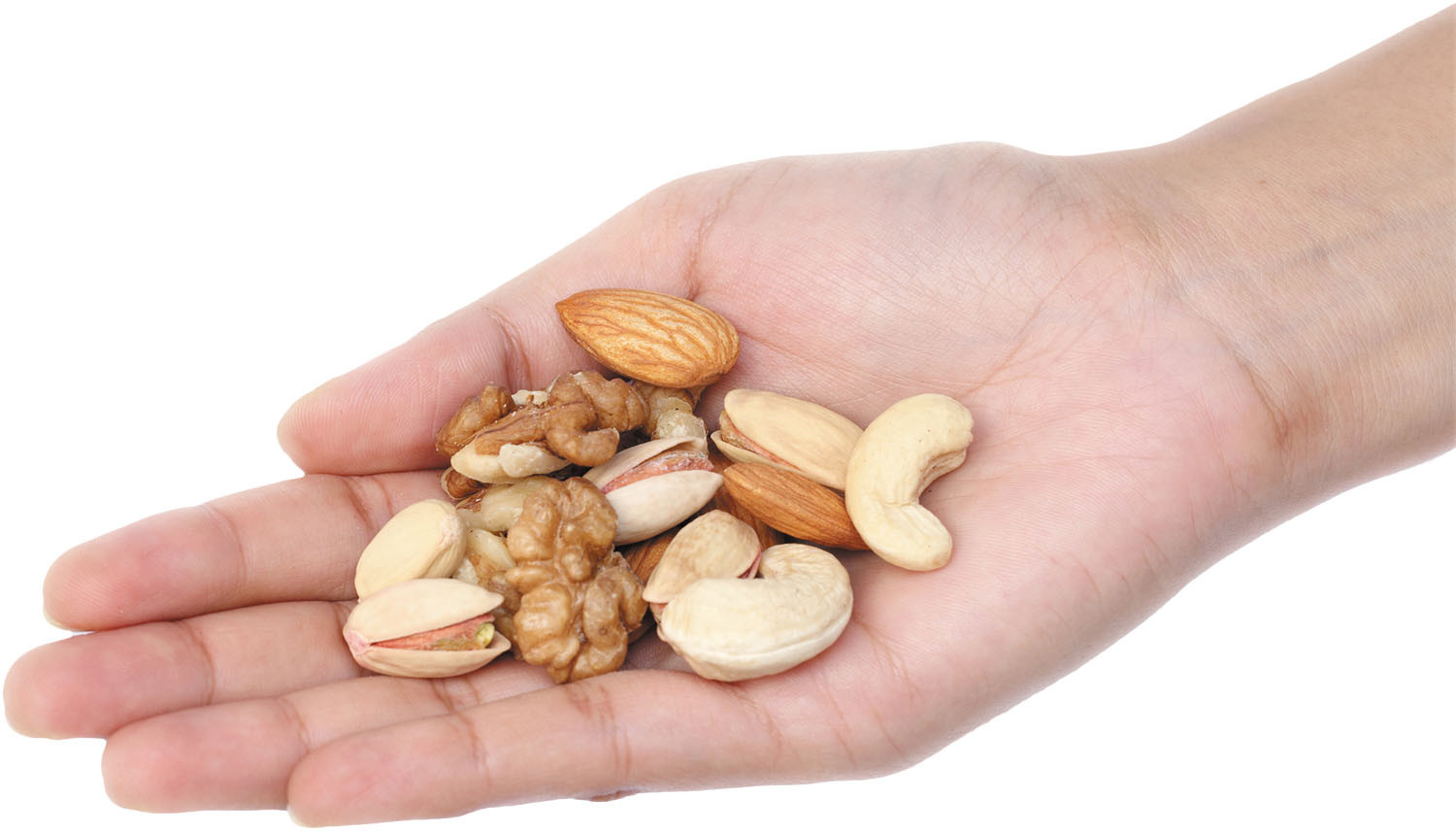
A near-daily serving of nuts may lower the risk of cardiovascular disease in people with type 2 diabetes, new research suggests. The study, published online February 19 by Circulation Research, relied on diet surveys from more than 16,000 people before and after they were diagnosed with type 2 diabetes, a condition that elevates the risk of heart disease. Researchers asked them about their nut-eating habits over a period of several years. People who ate five servings of nuts per week had a 17% lower risk of cardiovascular disease compared with those who ate less than a serving per week.
Chock full of unsaturated fat, fiber, and minerals, nuts can help control blood sugar, blood pressure, and cholesterol. Tree nuts, which include walnuts, almonds, and pistachios, seemed to offer the strongest benefits in the study. Peanuts, which aren't technically nuts but legumes, weren't quite as healthy. While this study can't prove cause and effect, eating a small handful of unsalted nuts on most days will likely help your heart, even if you don't have diabetes.
Can blood pressure medications interfere with my sex drive?
On call
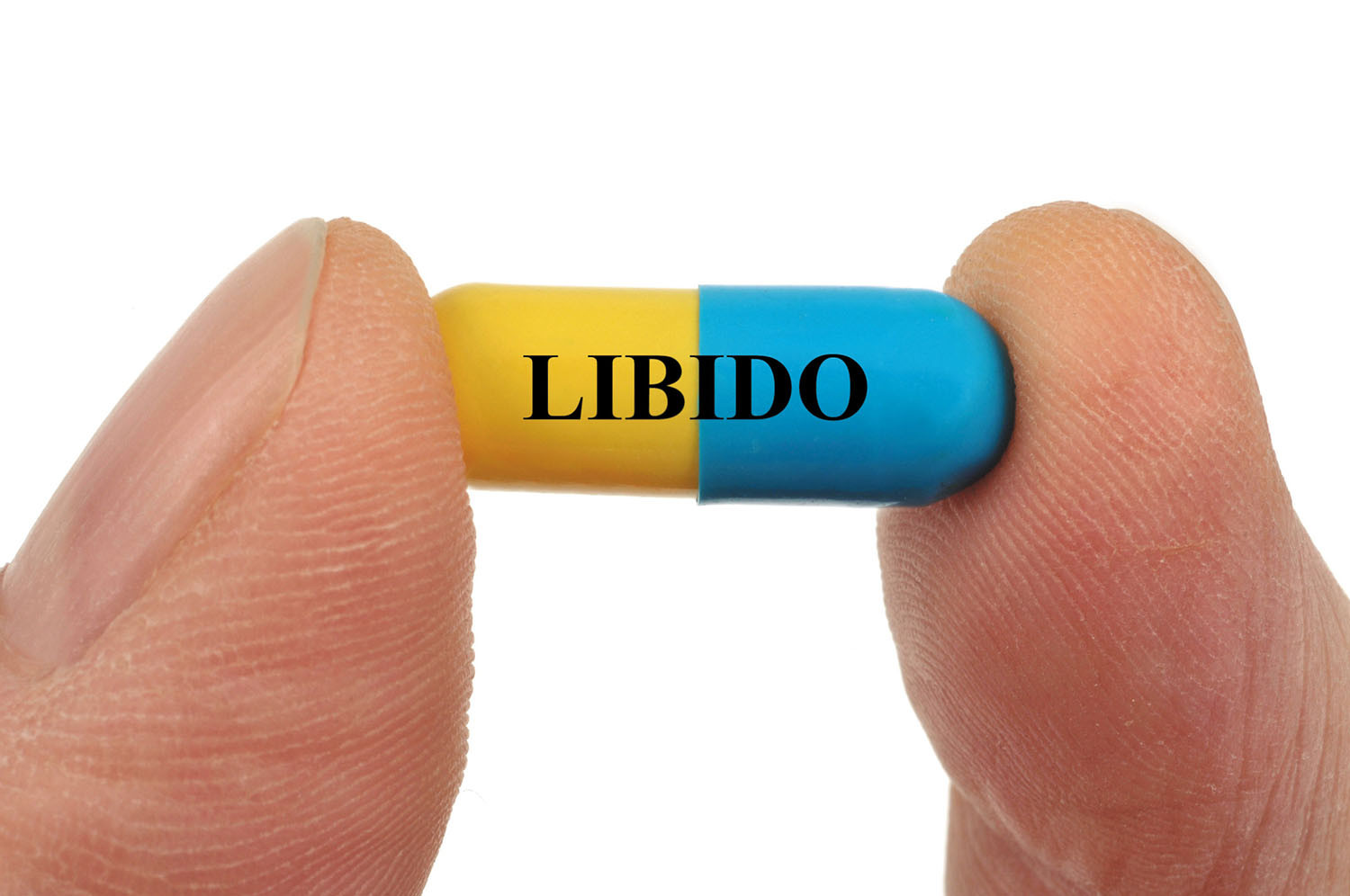
Q. I know that erectile dysfunction can be a common side effect of blood pressure medications, but can they also lower my sex drive?
A. Sexual issues are a side effect of many medications, including ones prescribed to lower blood pressure. You're correct that erectile dysfunction (ED) is mentioned most frequently. But blood pressure medicines also can decrease sexual drive or make it more difficult to reach orgasm.

Get healthy for vacation
Don't neglect healthy habits when planning your summer travels.
Before you leave for summer vacation, don't forget to pack some good health.
"While you should follow healthy habits year-round, you should give extra attention to certain areas when you travel, since you are often more active than usual," says Dr. Wynne Armand, a primary care physician at Harvard-affiliated Massachusetts General Hospital.

Eating more ultra-processed foods may shorten life span
In the journals
Need another reason to monitor your intake of ultra-processed foods? Cutting down on your amounts could help you live longer.
In an observational study published online Feb. 11, 2019, by JAMA Internal Medicine, almost 45,000 adults ages 45 and older completed several dietary assessments over a two-year period. On average, ultra-processed foods made up about 15% of their daily diet as measured in grams.
Fatty liver disease: Should you be tested?
Even a little exercise linked with lower stroke risk in people with afib
Testosterone therapy without evidence of deficiency may boost heart risk
Weight-loss drug may lower risk of heart attacks and infections
Migraine: How it's diagnosed and what that means
Tricep workouts you can do at home
Mindfulness practices to reduce stress and improve focus
Antihistamines may not offer meaningful relief from eczema symptoms
Overweight and taking blood pressure medications: Study finds it's a trend that's working
FDA approves first mRNA-based flu vaccine
Free Healthbeat Signup
Get the latest in health news delivered to your inbox!
Sign Up
