

Fatty liver disease: Should you be tested?

Even a little exercise linked with lower stroke risk in people with afib

Testosterone therapy without evidence of deficiency may boost heart risk

Weight-loss drug may lower risk of heart attacks and infections

Migraine: How it's diagnosed and what that means

Tricep workouts you can do at home

Mindfulness practices to reduce stress and improve focus

Antihistamines may not offer meaningful relief from eczema symptoms

Overweight and taking blood pressure medications: Study finds it's a trend that's working

FDA approves first mRNA-based flu vaccine
Vitamins, minerals & supplements Archive
Articles

For most people, no need for niacin
Research we're watching
Hundreds of thousands of people in the United States take prescription niacin (also known as vitamin B3) as part of a regimen to prevent heart disease. But a new analysis that was published April 12 in JAMA Network Open suggests this old drug offers no benefit for most people.
The analysis included 35,760 patients from 17 clinical trials documenting the effect of niacin on at least one cardiovascular disease outcome. About half of the people were taking niacin, and the remainder received placebo, usual care, or other lipid-lowering agents. Over all, niacin was not helpful in preventing any serious heart-related events, strokes, or deaths from heart disease.
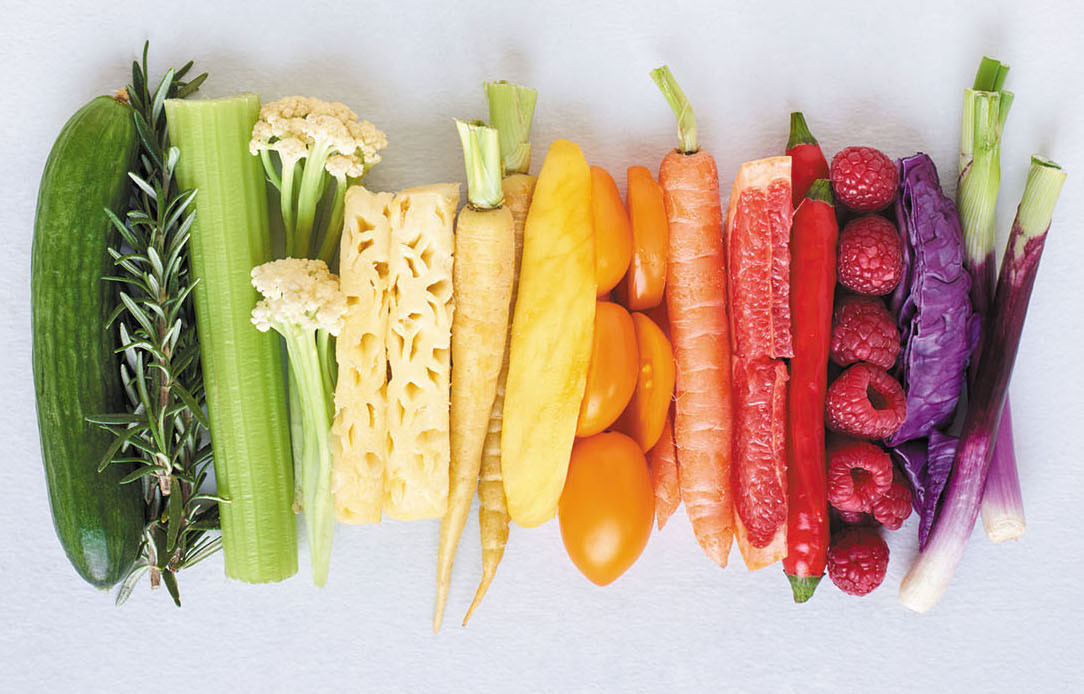
The larger role of micronutrients
You may need more of them in your daily diet than you think.
The saying goes that good things come in small packages, and that is especially true when it comes to nutrition.
There are two major classes of nutrients in food: macronutrients and micronutrients. Macro means big, and macronutrients take their name from the fact they make up the bulk of the nutrition in the food: carbohydrates, protein, and fat. These nutrients supply your calories and serve as the building blocks for muscles and tissues. Most people get plenty — and sometimes too many — from a regular diet.

Nutrients from food, not supplements, help you live longer
In the journals
An adequate intake of certain nutrients from food, but not supplements, is linked with a lower rate of death, according to a study in the April 9, 2019, Annals of Internal Medicine.
Researchers looked at the relationship between food and supplements and death from all causes among more than 30,000 adults. The results shows that adequate intakes of vitamin K, vitamin A, magnesium, zinc, and copper were associated with a lower risk of death from cardiovascular disease—but only if they came from food and not supplements.
Is your liver at risk?
Many Americans have fatty liver disease, a condition that can lead to serious liver problems.
If you're not a big drinker, you may not give much thought to the health of your liver. But there might be reason to be concerned. An estimated 64 million Americans have an often-symptomless liver condition called nonalcoholic fatty liver disease (NAFLD), which may put them at risk not only for serious liver disease, but for heart disease as well.
Many people — including doctors — didn't pay much attention to NAFLD until the 1980s, but life insurance companies have had this issue on their radar for years, says Dr. Michelle Lai, an assistant professor of medicine at Harvard Medical School. They knew that an abnormal liver blood test could reflect a lower life expectancy, and they set the premium higher or decline to insure people with the condition, she says.

Red and processed meats raise colorectal cancer risk
Research we're watching
If your diet is heavy on red and processed meat, it might be time to make some adjustments. A study of nearly 500,000 people published in the April 17 International Journal of Epidemiology found that people who ate red or processed meat four or more times a week had a 20% higher risk of colorectal cancer than those who indulged less than twice a week. Risk of colorectal cancer rose 19% for every daily 25-gram serving of processed meat, which is equivalent to a slice of ham. And for every 50-gram-a-day serving of red meat — equal to a thick piece of roast beef — risk of colorectal cancer rose by 18%. Alcohol was also linked to a higher risk of colon cancer: just a half pint of beer per day increased colon cancer risk by 8%.
But the study wasn't all bad news. A number of foods were associated with a lower risk of colon cancer, including high-fiber selections such as bread and breakfast cereals. But higher fiber intake from vegetables and fruits did not appear to reduce risk.

Fiber-full eating for better health and lower cholesterol
Most Americans don't eat enough fiber, and many people say it's because they are worried about eating too many carbs, but eating the right kind of carbs is the key, and it's not that difficult to meet the recommended daily amount.

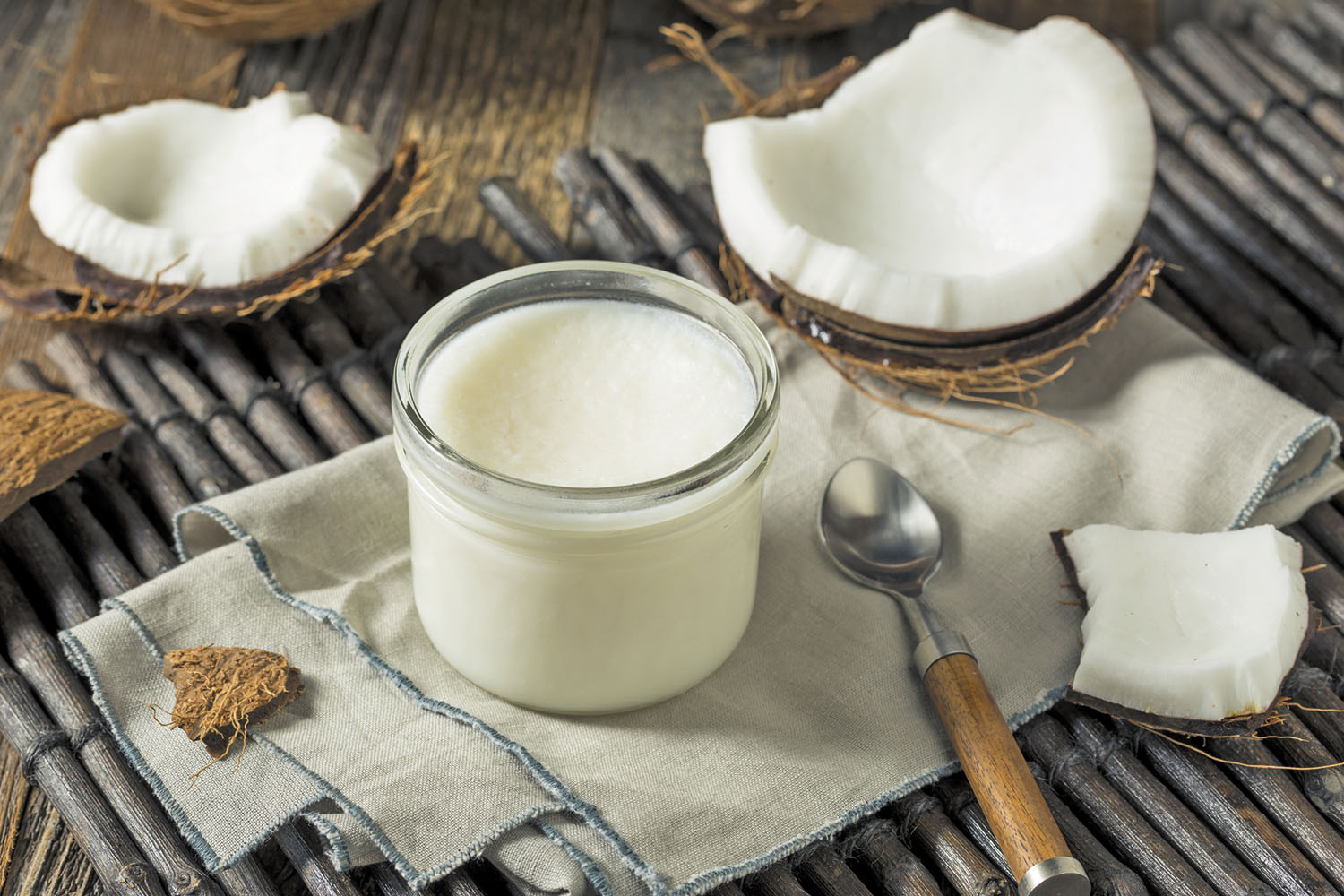
5 food and drink fads you can skip
Trendy isn't necessarily healthy. Consider alternatives instead.
It's fun to try new foods once in a while. But when a flashy food fad gets your attention, be careful. Just because a particular food or drink is showing up everywhere doesn't mean it's healthy. Here are five trends you can probably skip.
1. Vitamin-enhanced water
Vitamin-enhanced waters have names like Propel Vitamin Boost and Vitaminwater, and they promise lots of vitamins (like B, C, and E) and minerals (like magnesium, calcium, and potassium) in every gulp. But don't start guzzling. "There aren't enough nutrients added to these waters to make a difference in your health. I saw one product with 10 milligrams of potassium. The recommendation for daily potassium is 4,700 milligrams per day," says registered dietitian Kathy McManus, director of the Department of Nutrition at Harvard-affiliated Brigham and Women's Hospital. "You'll get more far more nutrients from a healthy diet."
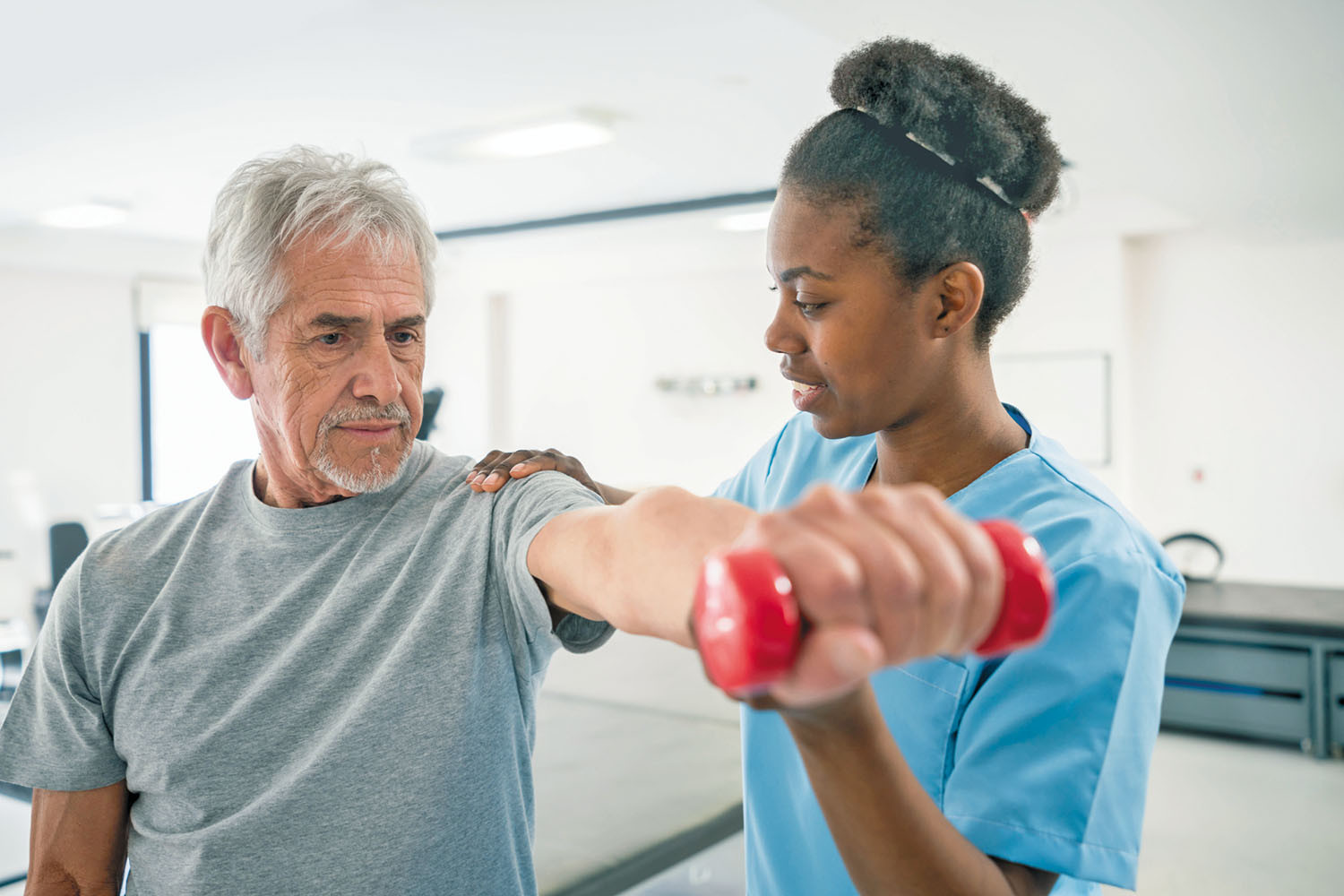
Fight back against muscle weakness
Pinpoint the cause and take steps to preserve your mobility and independence.
Muscle weakness is sneaky. It often appears gradually and makes once-simple tasks harder — like having to rock back and forth to get out of a chair or tug a few times on the car door to open it.
More than an inconvenience, muscle weakness has a domino effect on health. It slows your metabolism (how fast your body burns energy), puts more pressure on your joints, hurts your posture, throws off your balance, and limits your mobility.

Taking medications on the road
Ask questions about rules, and get supplies in advance.
When it's time for an overnight or extended trip, there are lots of things to pack — your clothes, toiletries, and maybe important documents. But sometimes medicine isn't at the top of the list. "I hear about people forgetting medications at home, not bringing enough for the whole trip, or packing them in a suitcase that gets lost," says Dr. Suzanne Salamon, associate chief of gerontology at Harvard-affiliated Beth Israel Deaconess Medical Center.
Whether you're staying across town or traveling around the world, consider the following strategies to help you maintain your medication regimen.
Fatty liver disease: Should you be tested?
Even a little exercise linked with lower stroke risk in people with afib
Testosterone therapy without evidence of deficiency may boost heart risk
Weight-loss drug may lower risk of heart attacks and infections
Migraine: How it's diagnosed and what that means
Tricep workouts you can do at home
Mindfulness practices to reduce stress and improve focus
Antihistamines may not offer meaningful relief from eczema symptoms
Overweight and taking blood pressure medications: Study finds it's a trend that's working
FDA approves first mRNA-based flu vaccine
Free Healthbeat Signup
Get the latest in health news delivered to your inbox!
Sign Up
