

Fatty liver disease: Should you be tested?

Even a little exercise linked with lower stroke risk in people with afib

Testosterone therapy without evidence of deficiency may boost heart risk

Weight-loss drug may lower risk of heart attacks and infections

Migraine: How it's diagnosed and what that means

Tricep workouts you can do at home

Mindfulness practices to reduce stress and improve focus

Antihistamines may not offer meaningful relief from eczema symptoms

Overweight and taking blood pressure medications: Study finds it's a trend that's working

FDA approves first mRNA-based flu vaccine
Vitamins, minerals & supplements Archive
Articles

5 medications that can cause problems in older age
Prescription and over-the-counter medications may affect you differently now.
Despite the beneficial effects of medications, some drugs need to be used with increasing caution as you age. Drugs that caused few if any side effects in your youth can now cause discomfort or even put you at risk for serious problems such as falls or bleeding.
What's different in older age?
Even though you may have taken a medication for decades, your body may react differently to it later in life. One reason for this is that your metabolism has slowed down. Some medicines need to be processed by your liver to benefit your health; slower digestion and liver function mean it may take longer for a drug to get into your bloodstream. Later, remnants of the medicine need to be eliminated from your body by the liver and kidneys. Slowdowns at this stage mean it may take longer for a drug to leave your body, so its effects last longer.

Skip vitamins, focus on lifestyle to avoid dementia
News briefs
Vitamins and supplements won't help stave off dementia, but a healthy lifestyle might, suggest new guidelines released May 19, 2019, by the World Health Organization (WHO). The WHO warns that the number of new dementia cases around the world — currently 10 million per year — is set to triple by 2050. While there's no cure for any kind of dementia (such as Alzheimer's disease and vascular dementia), the WHO says it may be possible to delay the onset of the disease or slow its progression. The key: managing modifiable risks, such as chronic disease and unhealthy habits. The guidelines recommend that you keep your weight, cholesterol, blood pressure, and blood sugar under control; get lots of exercise; and eat a Mediterranean-style diet (which emphasizes olive oil, fruits, vegetables, nuts, and fish; minimizes red meats and processed meats; and includes a moderate amount of cheese and wine). The WHO also advises that you don't smoke and you avoid harmful use of alcohol (no more than one drink per day for women, no more than two drinks for men). But don't count on supplements to help you stave off dementia. The WHO says there's no evidence that vitamin B, vitamin E, multivitamins, or fish oil supplements help reduce the risk for dementia. The agency recommends against using supplements as a means to ward off cognitive decline.
Image: © kali9/Getty Images
Ultra-processed foods appear to cause overeating and weight gain
News briefs
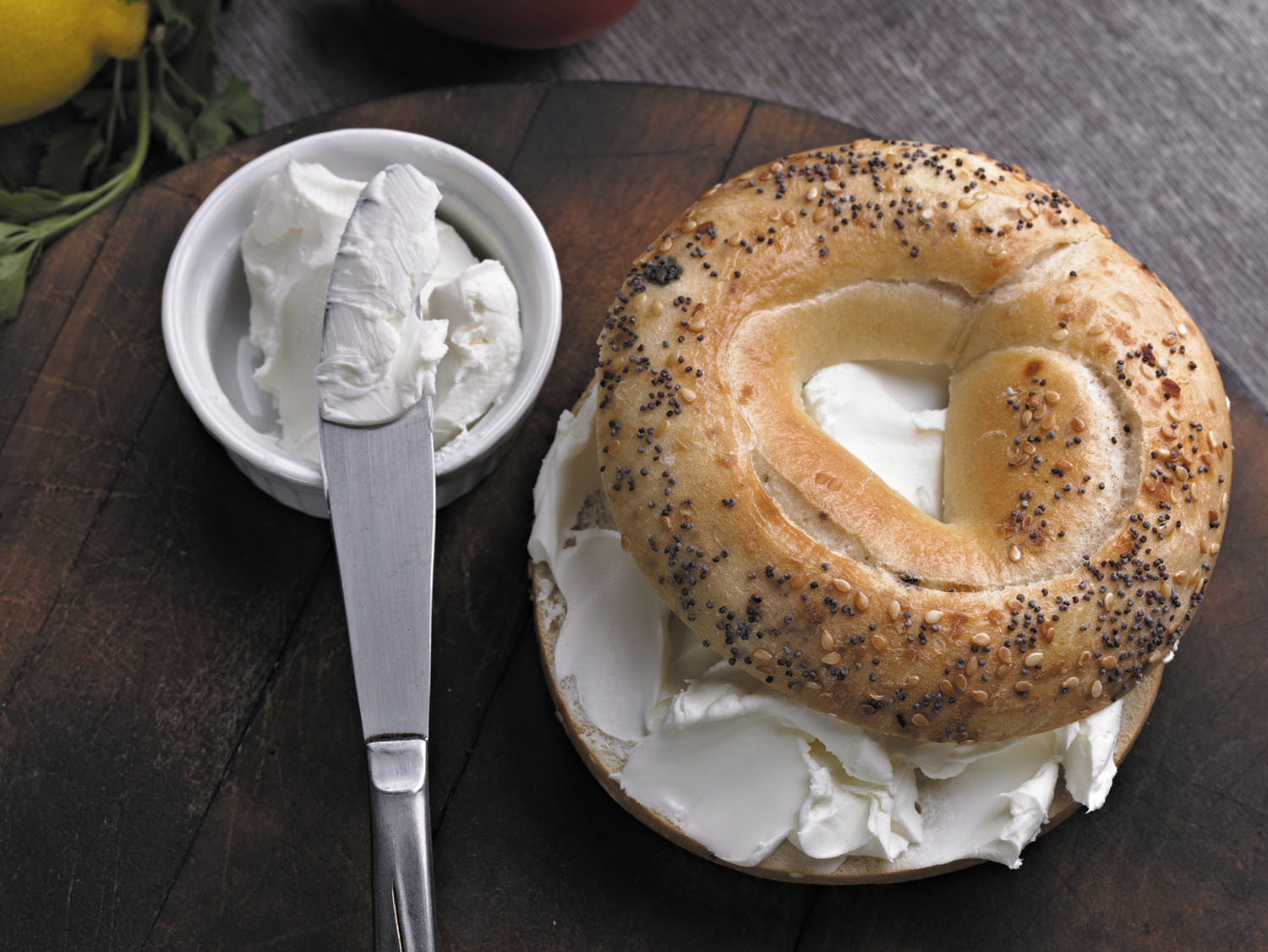
Eating food that's ultra-processed — not just chips or cookies, but also things like breakfast cereal, deli meat, or canned fruit in syrup — makes people overeat and gain weight, compared with eating food that's unprocessed. That's according to a small randomized controlled trial published online May 16, 2019, by Cell Metabolism. It involved 20 men and women who stayed at a research facility for a month and were randomly assigned to one of two diets. One group was given ultra-processed foods (such as a breakfast of a bagel with cream cheese and turkey bacon), and the other group was fed unprocessed foods (such as a breakfast of oatmeal with bananas, walnuts, and skim milk). After two weeks, participants were switched to the opposite diets. Both diets were evenly matched for total calories, macronutrients, fiber, sugars, and sodium, and participants were allowed to eat as much or as little as they wanted. But they ate more calories when they were eating ultra-processed foods, compared with when they ate unprocessed foods, and they gained more weight on the ultra-processed diet. Why? It's not exactly clear, but researchers did find that appetite-suppressing hormones decreased and hunger hormones increased when people ate processed foods. Bottom line: Eat whole, unprocessed foods with as few ingredients as possible.
Image: © 4kodiak/Getty Images
Counting on calories
How many daily calories do you really need? It depends on many factors.
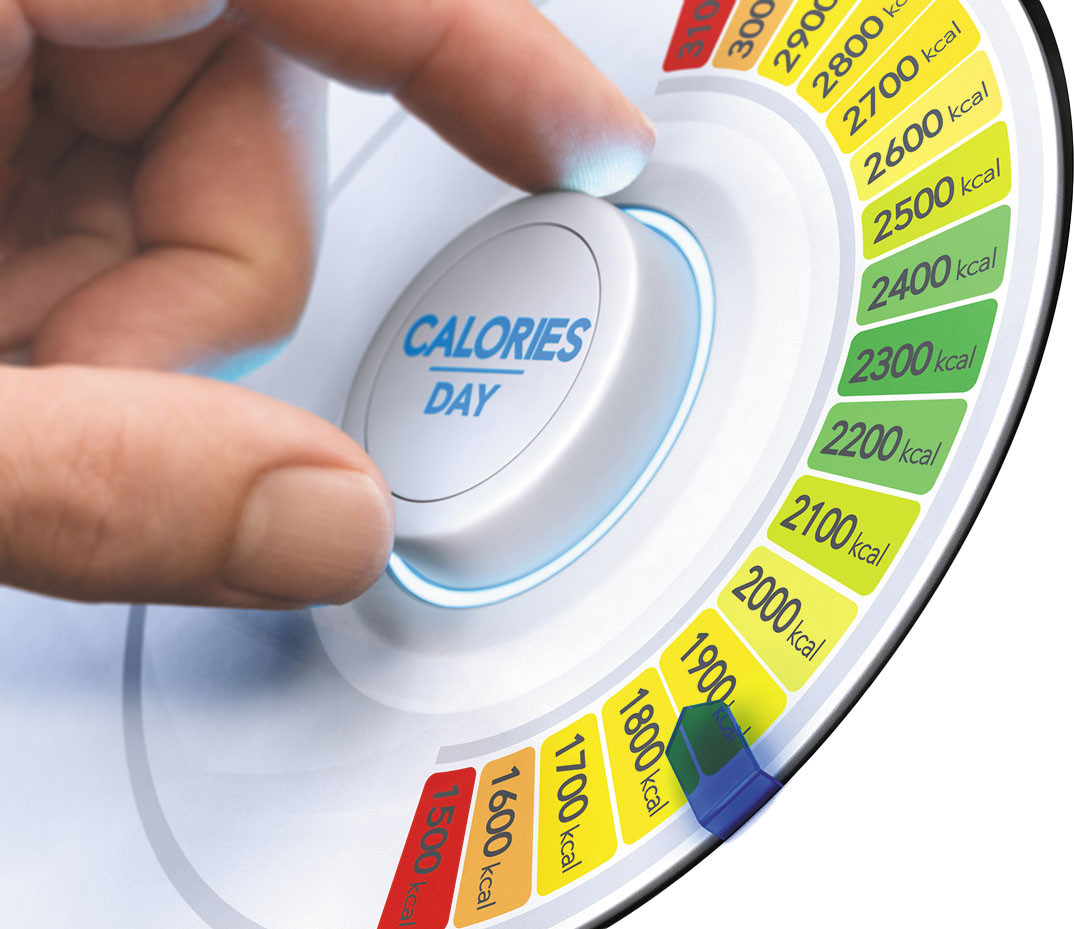
When it comes to nutrition, calories embody the ultimate love-hate relationship. Consume too little, and you don't have the energy to function at your best. Eat too much, and you risk weight gain. It's no surprise, then, that counting calories can be such an obsession.
But how much do you really need every day? Unfortunately, there is not a single, simple answer. Men ages 50 and older require 2,000 to 2,800 calories per day, or an average of about 2,500, says Dr. Qi Sun, associate professor in the Department of Nutrition at the Harvard T.H. Chan School of Public Health.

Soy protein helps lower bad cholesterol a small but important amount
In the journals
Another way to lower LDL (bad) cholesterol levels? Eat more soy protein, suggests a study published online April 22, 2019, by The Journal of Nutrition.
Researchers examined 43 trials to evaluate the effect soy had on LDL levels. (High LDL levels can lead to a buildup of cholesterol in arteries and increase a person's risk of cardiovascular disease.)
Salt sensitivity: Sorting out the science
Eating too much salt usually boosts blood pressure, but not in everyone. Understanding the genetic basis of these differences may improve treatment of high blood pressure.
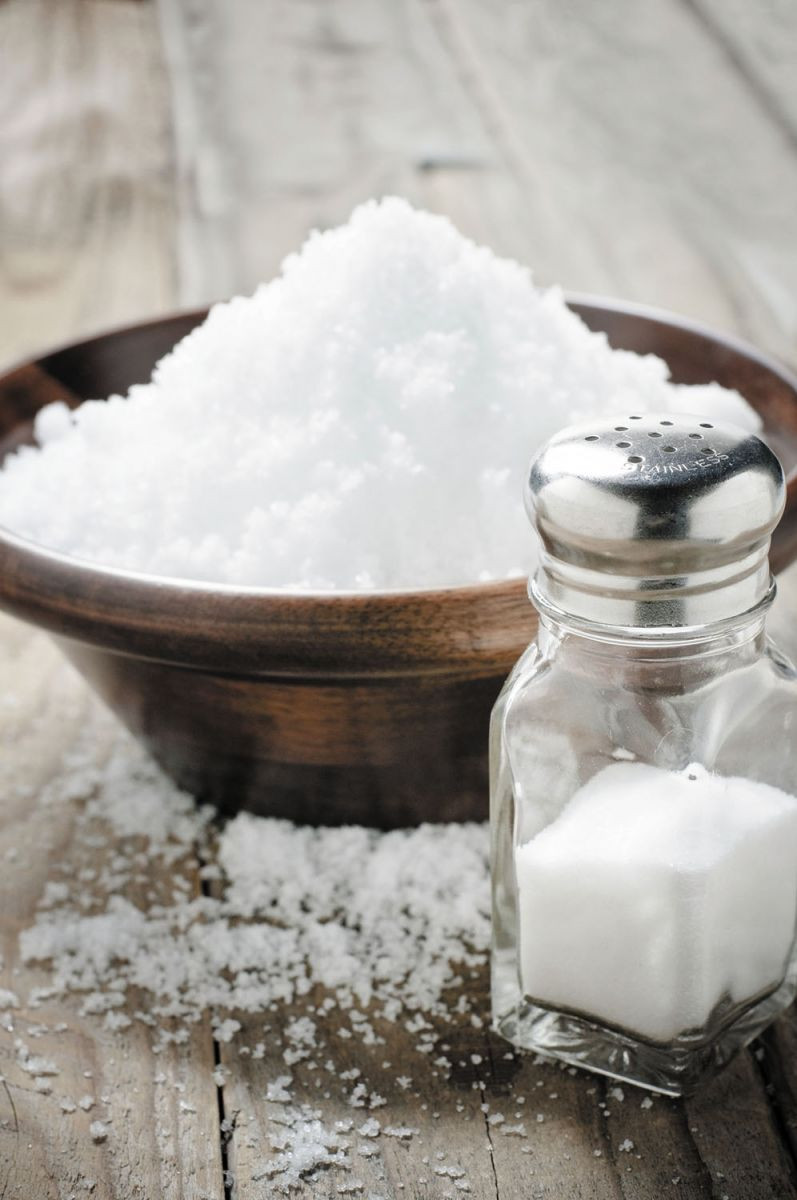
Do you know someone who eats lots of salty food — pizza, pickles, pretzels, and the like — but has naturally low blood pressure? That person may be salt-resistant, which means his or her blood pressure doesn't rise very much in response to a diet high in salt (sodium chloride). In contrast, other people are salt-sensitive, which means their blood pressure rises by 5 points or more if they switch from a low-sodium to a high-sodium diet.
Unfortunately, there isn't an easy test to determine who is salt-sensitive, says endocrinologist Dr. Gordon Williams, professor of medicine at Harvard Medical School. "Still, we know that Americans eat far more salt than they actually need, so it makes sense to advise everyone cut back on salt," he says.

Legume of the month: Pinto beans
The most commonly eaten type of bean in the United States, pinto beans are especially popular in southern states, where they may be known as frijoles (Spanish for "beans") or cowboy beans. These oval, tan-colored beans are mottled with reddish-brown streaks, making them appear painted (pinto means "painted" in Spanish).
Once they're cooked, the colored splotches disappear, leaving a light-brown bean with a soft, creamy texture. In Mexico, Central America, and South America, pintos are cooked with epazote, an herb that purportedly helps reduce the flatulence-producing properties of these and other beans. Another tip for avoiding that problem is to add beans to your diet gradually and eat them regularly.

A diet that may stave off heart failure
Research we're watching
A plant-focused diet long touted for its ability to lower blood pressure may also help prevent heart failure, according to a new study.
The DASH diet, which stands for Dietary Approaches to Stop Hypertension, emphasizes fruits, vegetables, whole grains, low-fat dairy products, poultry, fish, and nuts while minimizing salt, sugar, and red meat consumption.
Do you need a calcium scan?
This noninvasive test can predict plaque in the heart's arteries. But it is useful only in certain situations.
Imagine a 57-year-old man (let's call him Bill) who's in pretty good health — a nonsmoker who eats right and exercises regularly. He takes two drugs to treat high blood pressure. Even though his LDL (bad) cholesterol isn't all that high, his primary care doctor suggests that Bill consider taking a statin to lower his risk of a heart attack.
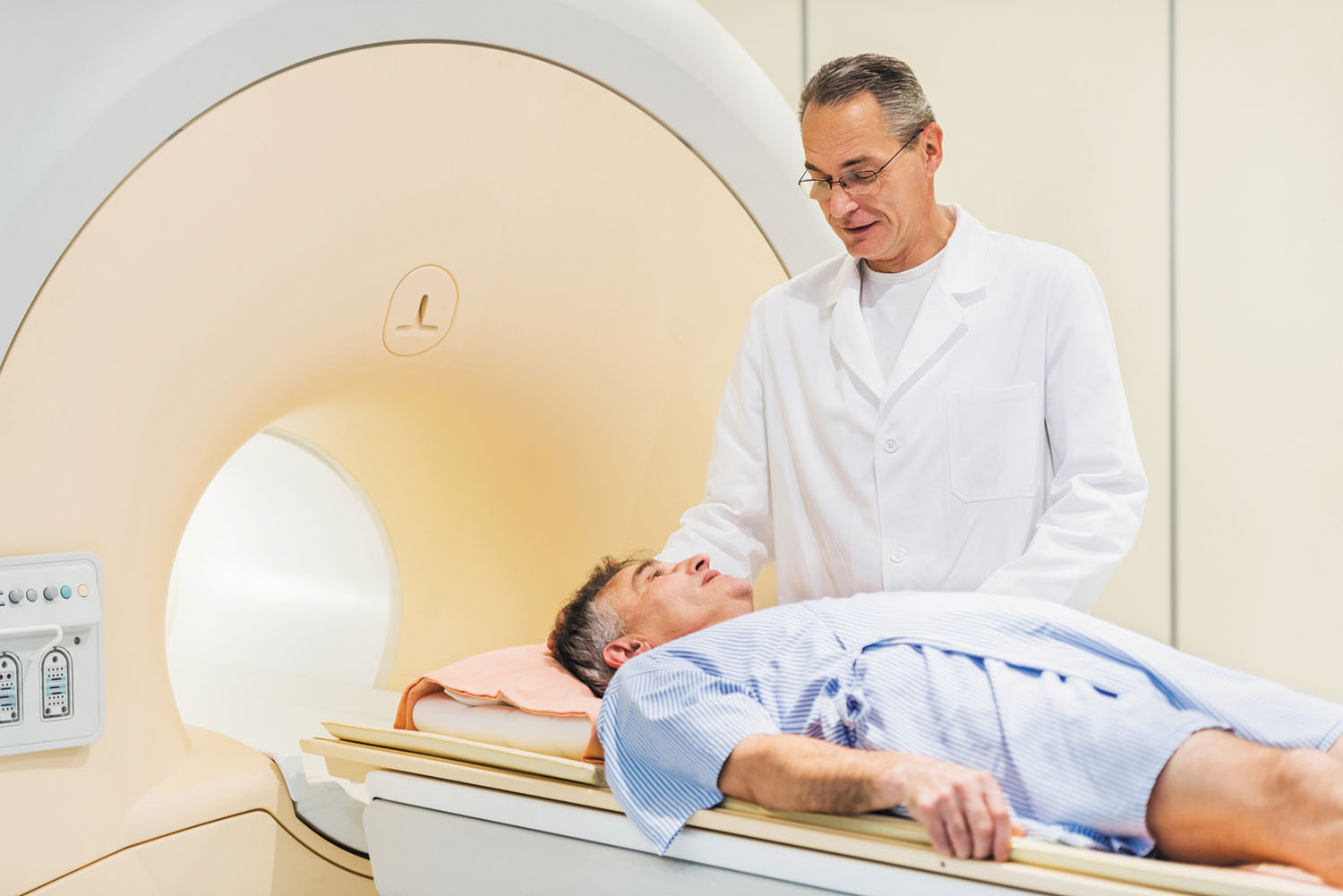
Bill is a little hesitant to add another drug to his daily regimen, so his doctor tells him about a test that may help with the decision: a coronary artery calcium scan. This noninvasive test, which can reveal dangerous plaque in the heart's arteries, has been available for more than a decade. But calcium scans (as they're often called) are now recognized in official guidelines and are being used far more often than in the past, says Dr. Ron Blankstein, a cardiovascular imaging specialist and preventive cardiologist at Harvard-affiliated Brigham and Women's Hospital.
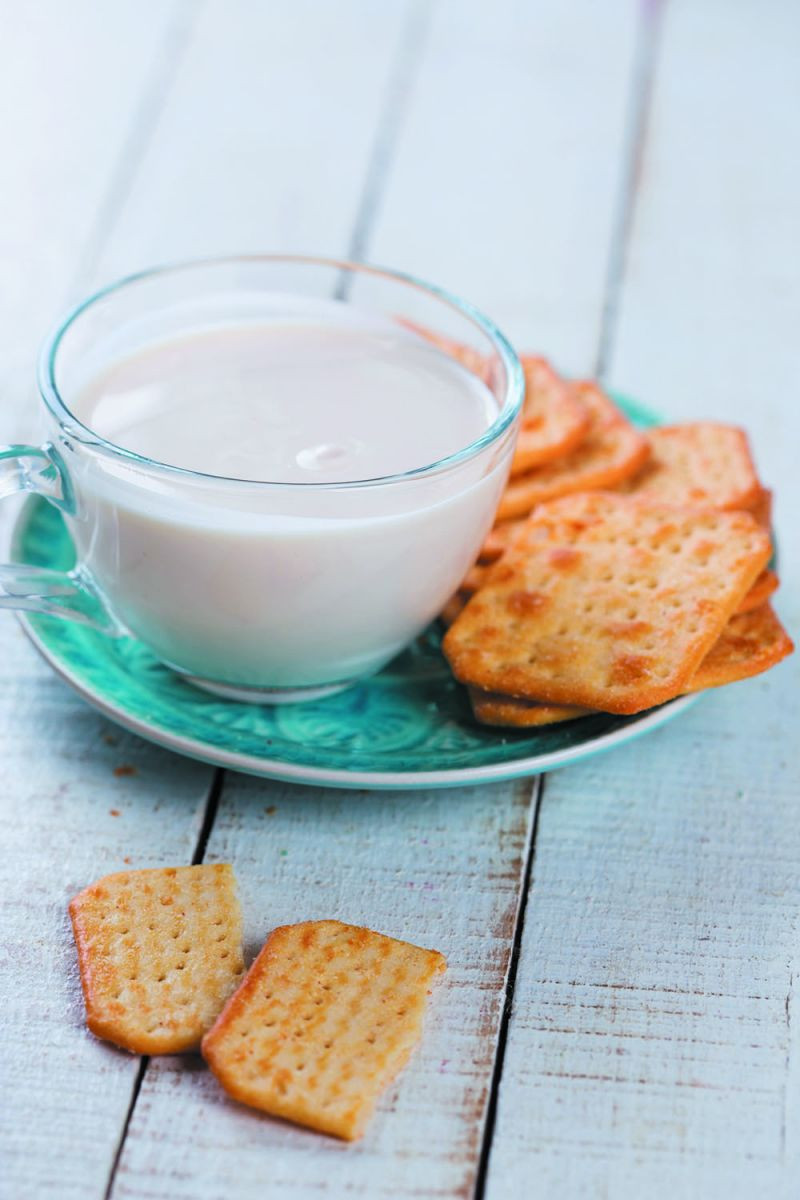
What to do when your medication causes nausea
Taking your pills with a light snack or at bedtime may help reduce the nausea.
You take medication hoping it will make you feel better. But sometimes it makes you feel worse. "Nausea is one of the most common side effects of medications we hear about," says Joanne Doyle Petrongolo, a pharmacist at Harvard-affiliated Massachusetts General Hospital.
About nausea
Nausea is a queasy feeling in your stomach — you may feel seasick, or you may feel you're about to vomit. Medications that commonly cause nausea as a side effect include antibiotics, such as erythromycin (Erythrocin); aspirin; nonsteroidal anti-inflammatory drugs (NSAIDs), such as ibuprofen (Advil, Motrin) or naproxen (Aleve); and some blood pressure drugs, such as the calcium-channel blocker nifedipine (Nifedical, Procardia).
Fatty liver disease: Should you be tested?
Even a little exercise linked with lower stroke risk in people with afib
Testosterone therapy without evidence of deficiency may boost heart risk
Weight-loss drug may lower risk of heart attacks and infections
Migraine: How it's diagnosed and what that means
Tricep workouts you can do at home
Mindfulness practices to reduce stress and improve focus
Antihistamines may not offer meaningful relief from eczema symptoms
Overweight and taking blood pressure medications: Study finds it's a trend that's working
FDA approves first mRNA-based flu vaccine
Free Healthbeat Signup
Get the latest in health news delivered to your inbox!
Sign Up
