
Fatty liver disease: Should you be tested?

Even a little exercise linked with lower stroke risk in people with afib

Testosterone therapy without evidence of deficiency may boost heart risk

Weight-loss drug may lower risk of heart attacks and infections

Migraine: How it's diagnosed and what that means

Tricep workouts you can do at home

Mindfulness practices to reduce stress and improve focus

Antihistamines may not offer meaningful relief from eczema symptoms

Overweight and taking blood pressure medications: Study finds it's a trend that's working

FDA approves first mRNA-based flu vaccine
Vitamins, minerals & supplements Archive
Articles
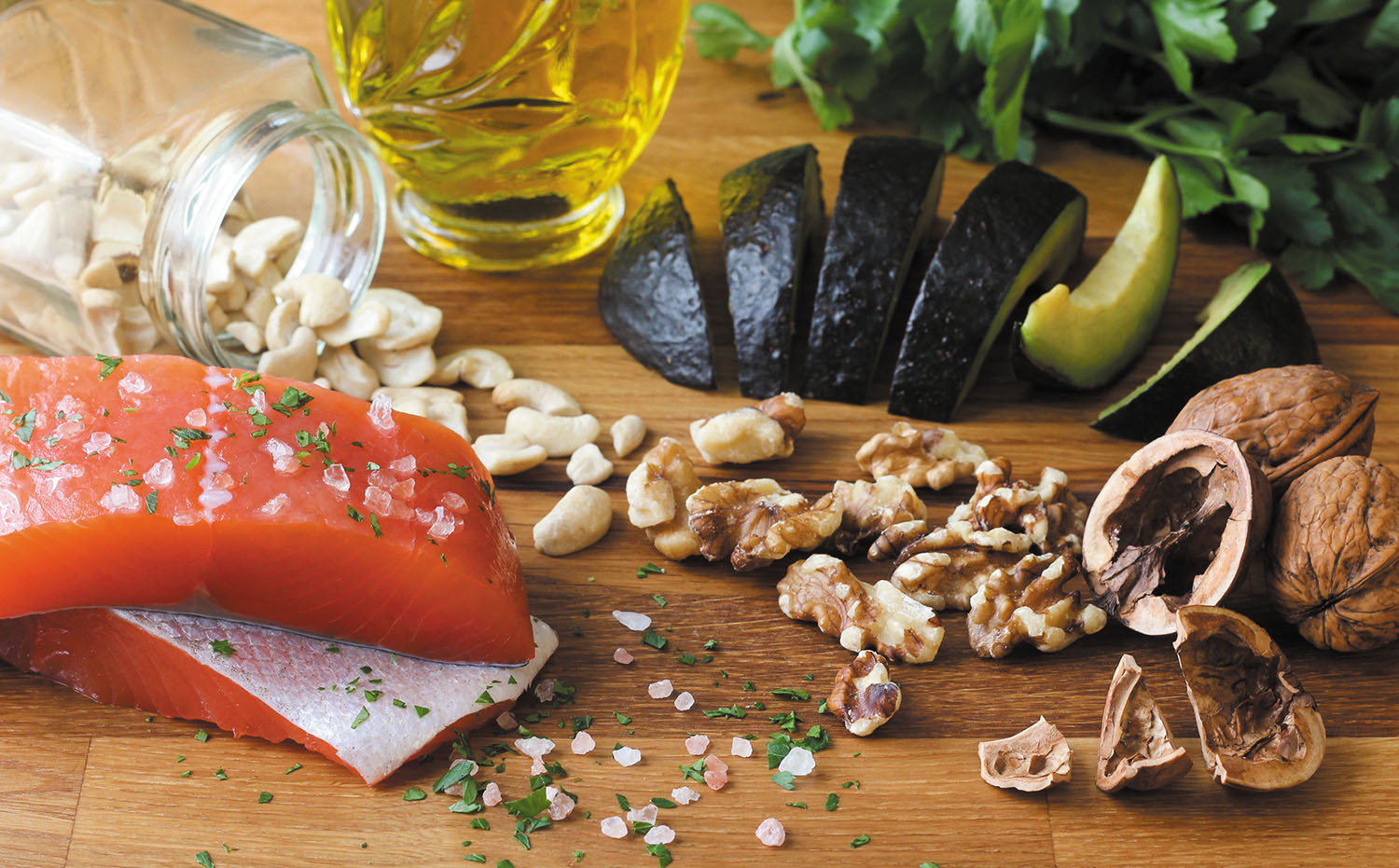
How to adopt a Mediterranean diet
This approach to eating has numerous health benefits. What's the best way to follow it?
For years, the Mediterranean diet has been touted for its heart- and cancer-fighting abilities, and countless studies have backed up its reputation as one of the world's healthiest eating patterns.
So what is the best way to begin eating the Mediterranean way? Approach it as a lifestyle and not a structured, rules-oriented diet, suggests Dr. Qi Sun, associate professor in the Department of Nutrition at Harvard's T.H. Chan School of Public Health.

White meat raises “bad” cholesterol levels just like red meat
In the journals
Eating large amounts of red meat can raise LDL (bad) cholesterol levels, but new research suggests you should curb your intake of white meat, too. The findings were published online June 4, 2019, by The American Journal of Clinical Nutrition.
Researchers randomly assigned 113 healthy adults, ages 21 to 65, to follow a four-week diet with high levels of either red meat, white meat (chicken and turkey), or plant-based protein (such as nuts, whole grains, soy products, and legumes). Afterward, LDL levels in the high-red-meat diet group rose, as predicted, but the researchers found that high levels of poultry had the same effect on LDL levels as red meat.

Food ingredients under the microscope
At least one additive — a preservative called propionate — could be linked to diabetes and obesity.
Scientists are giving food additives and other ingredients more scrutiny these days, thanks to new technology that allows them to get an up-close view of how individual molecules affect the body. And they are already discovering some surprising information that could change what you put on your plate in the future.
Consider propionate, or propionic acid, a naturally oc-curring fatty acid and a common preservative found in everything from bread and animal feeds to pudding and cheese. A study published online April 24 by Science Translational Medicine found that this ingredient may disrupt the metabolism, triggering the body to produce excess glucose (blood sugar), which could lead to diabetes and obesity.

Red meat, TMAO, and your heart
A substance called trimethylamine N-oxide, which is produced when your body digests red meat, may raise the risk of cardiovascular problems.
Experts used to think that red meat raised your risk of heart disease simply because it was high in saturated fat. But today that picture has gotten more complicated thanks to the discovery of a metabolite — a substance produced during digestion and metabolism — called trimethylamine N-oxide, or TMAO.
According to a news article published June 11 in JAMA, three recent analyses have linked high blood levels of TMAO with a higher risk for both cardiovascular disease and early death from any cause. In one of those studies, researchers found that people with higher levels of TMAO in their blood may have more than twice the risk of heart attack, stroke, or other serious cardiovascular problems, compared with people who have lower levels. Other studies have found links between high TMAO levels and heart failure and chronic kidney disease.

Beware of bats to avoid rabies infection
Research we're watching
Rabies infections are extremely rare in the United States, with only approximately one to three cases seen each year. That number has dropped significantly since the 1930s and 40s when there were 30 to 50 cases during the average year. But when they do occur, they're typically transmitted by infected bats. According to a new report by the CDC, the majority of people who have died from rabies in the United States were infected through contact with a bat. This is the case even though bats represent only one-third of the 5,000 rabid animals typically seen in the United States each year. The second most common source for rabies infections in Americans is rabid dogs encountered when people are traveling overseas.
To prevent exposure to rabies, be certain to let your doctor know if you are scratched or bitten by a bat, or if you awaken with one flying around your house or bedroom, says the CDC. If you are exposed to rabies, your doctor can administer a series of shots (known as post-exposure prophylaxis) before you develop symptoms, which can prevent you from developing a rabies infection, which is almost always fatal. If you are traveling outside the United States, be aware that dogs may carry the infection.



Managing statin muscle pain
There are several things you can do to prevent or minimize the aches and pains that might accompany statin use.
If you're not taking a statin now, you may well be soon. These medications are commonly prescribed to lower "bad" LDL cholesterol and have been shown to reduce the risk of heart attack, stroke, and death. They are routinely recommended for people who have cardiovascular disease and for many people ages 40 to 75 who don't have cardiovascular disease but have at least one risk factor (high blood pressure, high cholesterol, diabetes, or smoking) and a 7.5% or greater risk of a stroke or heart attack in the next decade. Moreover, recent research indicates that they may benefit high risk individuals over age 75 as well.
Muscle pain and other statin side effects
Taking a statin may give you some assurance that you're doing all you can to avoid heart attack and stroke, but you may also experience side effects. Reported side effects include an increased chance of developing diabetes — which is largely restricted to people who are already at risk for diabetes, and who can be monitored with glucose or hemoglobin A1c tests. Statin use has also been associated with difficulties with memory and reasoning, although there is no clear evidence that the drugs were responsible. In very rare cases, statins may cause liver problems or a potentially life-threatening breakdown in muscle cells.

Aspirin before colon cancer screening doesn't boost test accuracy
Aspirin falls short in improving colon cancer test results.

Maximizing home food delivery
Take advantage of the many delivery options to keep your diet fresh, healthy, and full of variety.
Getting groceries or prepared meals without leaving your couch is easier than ever in this era of home delivery. That's important for people who have difficulty getting to the grocery store because they don't drive or because they're struggling with a chronic condition.
But the many options for food delivery may have you wondering where to begin. Here's a look at some widely used services and what to keep in mind when you use them.
Fatty liver disease: Should you be tested?
Even a little exercise linked with lower stroke risk in people with afib
Testosterone therapy without evidence of deficiency may boost heart risk
Weight-loss drug may lower risk of heart attacks and infections
Migraine: How it's diagnosed and what that means
Tricep workouts you can do at home
Mindfulness practices to reduce stress and improve focus
Antihistamines may not offer meaningful relief from eczema symptoms
Overweight and taking blood pressure medications: Study finds it's a trend that's working
FDA approves first mRNA-based flu vaccine
Free Healthbeat Signup
Get the latest in health news delivered to your inbox!
Sign Up