

Fatty liver disease: Should you be tested?

Even a little exercise linked with lower stroke risk in people with afib

Testosterone therapy without evidence of deficiency may boost heart risk

Weight-loss drug may lower risk of heart attacks and infections

Migraine: How it's diagnosed and what that means

Tricep workouts you can do at home

Mindfulness practices to reduce stress and improve focus

Antihistamines may not offer meaningful relief from eczema symptoms

Overweight and taking blood pressure medications: Study finds it's a trend that's working

FDA approves first mRNA-based flu vaccine
Vitamins, minerals & supplements Archive
Articles

Make fast food a smidge healthier: Swap out sugary drinks and fatty, salty sides
News briefs
Want to make fast food a little bit healthier? The key might be to make changes when you order a combination meal (like a burger, fries, and a drink), Harvard researchers suggest. Their study, published in the September 2019 American Journal of Preventive Medicine, found that combo meals far exceed guidelines for healthy eating, typically providing twice the recommended amount per meal for calories and sodium. Scientists analyzed the nutritional information of combination meals at 34 fast-food and fast-casual restaurants, and found that the average combo meal as advertised had about 1,200 calories, 14 grams of saturated fat, 2,100 milligrams of salt, and 68 grams of sugar. Those numbers dropped dramatically when low-calorie options were substituted for high-calorie choices — for instance, removing topping or dipping sauces, ordering small fries instead of large, and replacing sugar-containing soda with a zero-calorie drink. In that case, the average combo meal had about 750 calories, 11 grams of saturated fat, 1,800 milligrams of salt, and 10 grams of sugar: a smidge healthier. Of course, a truly healthful diet involves generally avoiding fast food altogether. But if you're on the road with no alternatives, order healthier drinks and sides.
Image: TheCrimsonMonkey/Getty Images

Legume of the month: Chickpeas
Also known as garbanzo beans, chickpeas are featured in an array of dishes throughout the world, including in Africa, India, the Middle East, and Europe. Chickpeas are rich in fiber, folate (vitamin B9), manganese, and other minerals. Several studies have found that eating chickpeas may improve cholesterol levels and reduce blood sugar.
Americans may be most familiar with hummus, a blend of chickpeas and sesame paste that's so popular you can even find it in small convenience stores. But chickpeas are also being used in a range of other products, including pasta and rice as well as snack foods such as chips, fries, and "puffs."

Pain relievers: A cause of higher heart risk among people with arthritis?
Research we're watching
To manage the painful joint disease known as osteoarthritis, people often take ibuprofen (Advil, Motrin) and naproxen (Aleve, Anaprox). But these and related drugs — known as NSAIDs — may account for the higher rates of heart disease seen in people with osteoarthritis, a new study suggests.
Researchers matched 7,743 people with osteoarthritis with 23,229 healthy people who rarely or never took NSAIDs. People with osteoarthritis had a 42% higher risk of heart failure and a 17% higher risk of coronary artery disease compared with healthy people. After controlling for a range of factors that contribute to heart disease (including high body mass index, high blood pressure, and diabetes), they concluded that 41% of the increased risk of heart disease related to osteoarthritis was due to the use of NSAIDs.

Getting a grip on hand osteoarthritis
Can you do anything about hand and finger joint pain?
Everyone experiences the occasional painful hands and sore fingers, but when osteoarthritis strikes, it can put a hold on many aspects of your life.
"As osteoarthritis progresses, you may lose some hand mobility, like the ability to grasp and hold objects," says Dr. Robert Shmerling, clinical chief of rheumatology at Harvard-affiliated Beth Israel Deaconess Medical Center and senior faculty editor at Harvard Health Publishing. "Over time, osteoarthritis can make the joints deformed, so it's harder to open and close your hands."

Eating more nuts may improve sexual function
In the journals
Need a sexual boost? Eat more nuts. A recent study found that men who added 60 grams — about 1/2 cup — of nuts to their daily diet improved several aspects of their sexual life. The results were published online June 19, 2019, by the journal Nutrients.
Researchers asked 83 healthy men to follow either a traditional Western-style diet without nuts, or a Western-style diet that also included 60 grams (about 360 calories) of a nut mixture made from almonds, hazelnuts, and walnuts every day. A questionnaire assessed their current sexual function.

Can I reverse prediabetes?
Ask the doctors
Q. My doctor recently told me I have prediabetes. Is this condition reversible?
A. Yes, it is possible to reverse prediabetes. Prediabetes is a condition that affects millions of Americans. The CDC estimates that as many as one in every three American adults has the condition, which is defined as having blood sugar that is elevated, but not high enough to meet the threshold for diabetes. Left untreated, prediabetes can progress to diabetes, a condition in which your body is not able to absorb glucose for energy properly, causing blood sugar to rise. If it's not managed properly, diabetes can lead to a number of health problems, from heart attack and stroke to blindness, kidney problems, and infections, among others. But making some lifestyle changes can reduce the risk that your prediabetes will develop into diabetes.

Keep your health habits on track during the holidays
Put the focus on friends, family, and fun, instead of food.
It's November, time for Thanksgiving and the start of the holiday season, which is also known as the time of year when healthy habits slide off track and waistbands get tighter.
"The truth is, people do tend to abandon healthy habits during the winter," says Dr. Beth Frates, clinical assistant professor of physical medicine and rehabilitation at Harvard Medical School. Blame the cold weather that keeps you inside and makes you feel sluggish, or the parade of holiday parties. Who wants to stick to a diet or trudge to the gym?

Taking multiple prescriptions can be risky
Simple organization and communication strategies can help you manage your medications and reduce health risks.
If your pillbox is overflowing, you're not alone. Some 60% of Americans have at least one chronic condition, and 40% have two or more, according to the CDC. Doctors often prescribe multiple drugs to manage them.
"Some studies have found that a large number of people are taking as many as 12 to 15 drugs at a time," says Dr. David Bates, a professor of medicine at Harvard Medical School.
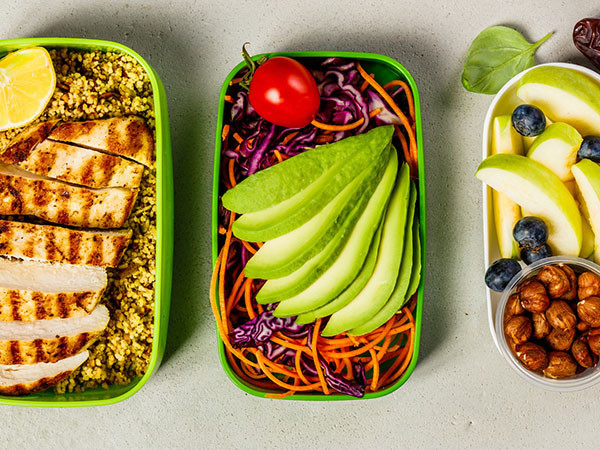
Healthy meals: 3 easy steps to success
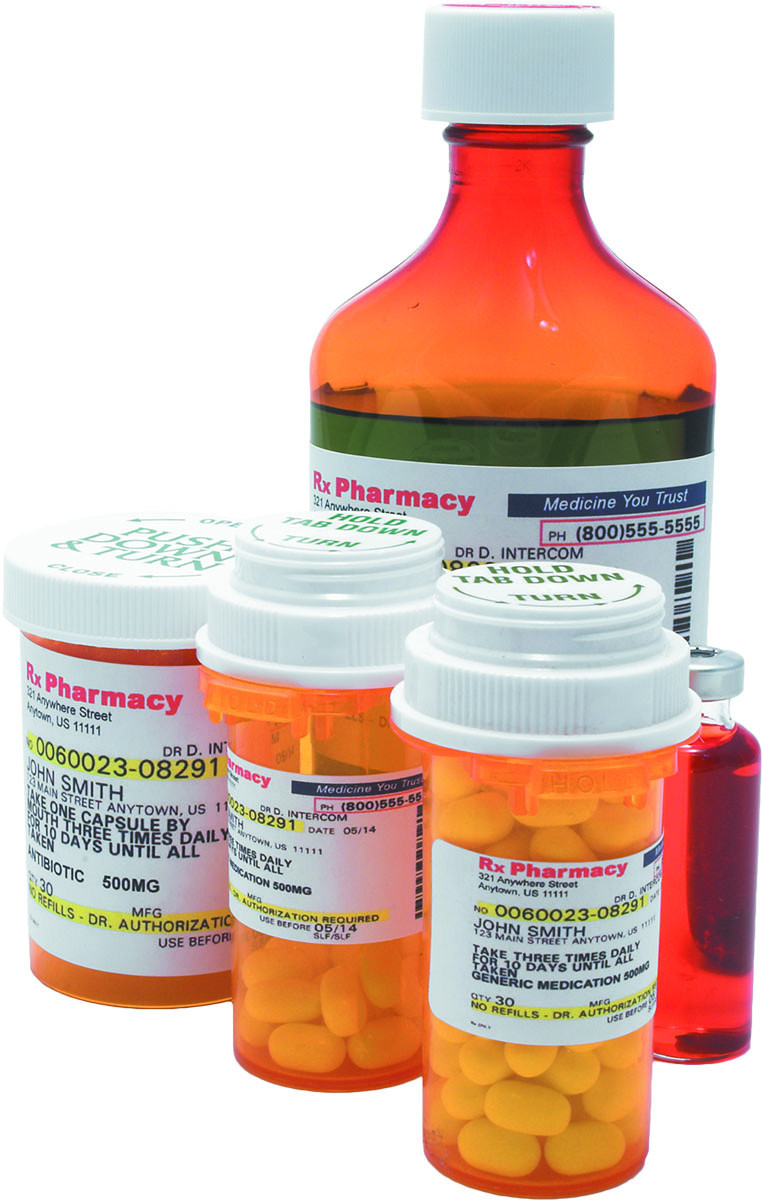
What to do when medication makes you constipated
Antidepressants and opioids are common offenders.
It's frustrating when you feel the urge to move your bowels but can't seem to go. Before blaming your diet, consider whether medication side effects are causing your constipation.
Possible suspects
Many medications can contribute to constipation, including the following:
Fatty liver disease: Should you be tested?
Even a little exercise linked with lower stroke risk in people with afib
Testosterone therapy without evidence of deficiency may boost heart risk
Weight-loss drug may lower risk of heart attacks and infections
Migraine: How it's diagnosed and what that means
Tricep workouts you can do at home
Mindfulness practices to reduce stress and improve focus
Antihistamines may not offer meaningful relief from eczema symptoms
Overweight and taking blood pressure medications: Study finds it's a trend that's working
FDA approves first mRNA-based flu vaccine
Free Healthbeat Signup
Get the latest in health news delivered to your inbox!
Sign Up
