

Fatty liver disease: Should you be tested?

Even a little exercise linked with lower stroke risk in people with afib

Testosterone therapy without evidence of deficiency may boost heart risk

Weight-loss drug may lower risk of heart attacks and infections

Migraine: How it's diagnosed and what that means

Tricep workouts you can do at home

Mindfulness practices to reduce stress and improve focus

Antihistamines may not offer meaningful relief from eczema symptoms

Overweight and taking blood pressure medications: Study finds it's a trend that's working

FDA approves first mRNA-based flu vaccine
Vitamins, minerals & supplements Archive
Articles

Prolong your life with plant-based protein?
Research we're watching
Eating more plant-based protein may help you live longer, a new study suggests.
The study included 70,000 Japanese men and women ages 45 to 74 with no history of cancer, heart disease, or stroke. They filled out detailed diet questionnaires at the start of the study and again every five years.
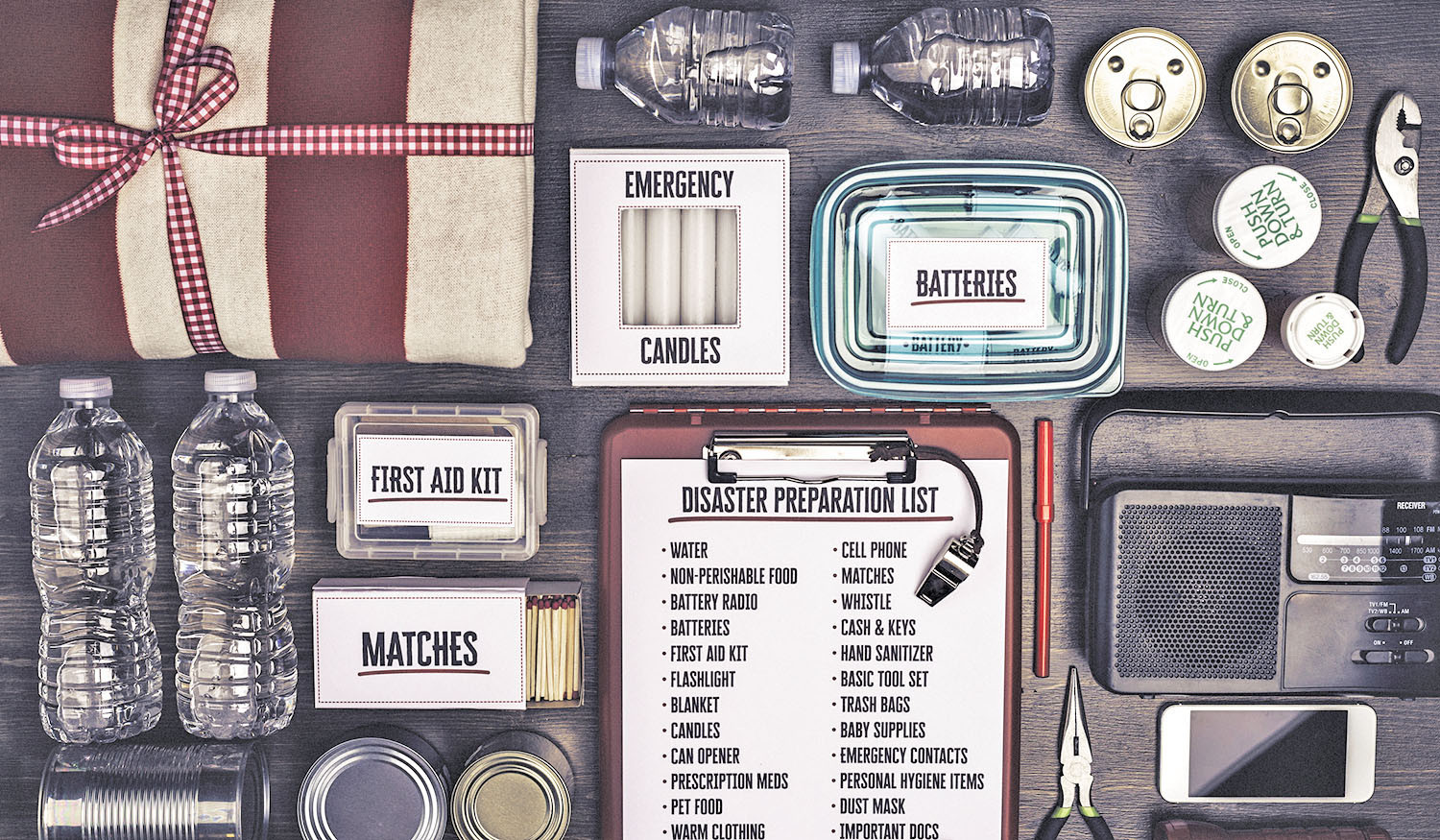
Be ready for emergencies
Here are 10 ways to safeguard your life (and health) when an emergency or disaster strikes.
Natural disasters and other kinds of emergencies can strike anywhere and often with little warning. Yet, new data from the University of Michigan National Poll on Healthy Aging show that most adults ages 50 to 80 are ill-prepared for severe weather, long-term power outages, or other emergency situations.
"Older adults should take the time to focus on how they will cope and manage with an emergency," says Dr. Howard LeWine, assistant professor of medicine at Harvard Medical School and editor-in-chief of this newsletter. "A small effort now can protect their health and well-being when an emergency does occur."

Omega-3 supplements may improve heart health
In the journals
Research continues to explore the possible benefits of omega-3 fish oil supplements, especially for heart health, and a recent review of existing data suggests they may protect against heart attack and coronary artery disease.
Researchers from Harvard's T.H. Chan School of Public Health and Brigham and Women's Hospital examined 13 trials, involving almost 128,000 people, to look for any association between omega-3 supplements and the risk of heart attacks, strokes, coronary artery disease, and death from cardiovascular disease. Their results were published online Sept. 30, 2019, by the Journal of the American Heart Association.

Mushrooms may protect against prostate cancer
In the journals
A study published online Sept. 4, 2019, by the International Journal of Cancer showed a possible connection between regular mushroom consumption and a lower risk of prostate cancer.
The researchers recruited more than 36,000 men ages 40 to 79. They recorded various health information, such as physical activity, family and medical history, and diet. Information on diet included 39 foods and beverages. The men were then followed for a period ranging from 13 to almost 25 years.
Can I do anything to prevent osteoporosis?
Ask the doctors
Q. I know that osteoporosis is linked to hereditary factors that I can't change. But are there things I can do to reduce my risk?
A. It's true that many risk factors for osteoporosis, such as your sex, age, and genes, are not things you can change. But there are things you can do to improve your bone health. This includes adopting a healthy diet that is rich in calcium and getting enough vitamin D, which can help maintain and improve bone health. Regular exercise can also help strengthen your bones or prevent bone loss. In particular, activities that put stress on your bones, such as jumping, running, and weight-bearing exercises, can stimulate bone cells to produce proteins that bolster bone strength. In children, these activities can actually increase bone density. While adults don't gain the same degree of benefit that kids do, exercise can still have moderate effects on bone, helping to maintain strength that might otherwise be lost. To further protect bone health, cut down on unhealthy habits, such as smoking or drinking excess amounts of alcohol. If you have risk factors for osteoporosis, you might also want to talk to your doctor about whether any of your medications might be harming your bone health.
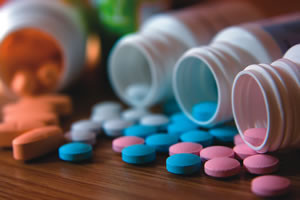
Bad mix: Blood thinners and NSAIDs
Image: Anita_Bonita/Getty Images |
Take the lowest dose of NSAIDs and stop using them as soon as possible.
Blood thinners are usually given to people at risk for developing blood clots from conditions, such as abnormal heart rhythms. Use of these lifesaving medications requires caution with other drugs, especially painkillers called nonsteroidal anti-inflammatory drugs (NSAIDs), such as ibuprofen (Advil) or naproxen (Aleve). But plenty of people take the risk to relieve aches and pains. "Many of the patients who need blood thinners are older and therefore at risk for arthritis, so it's not infrequent for a patient to be on both a blood thinner and an NSAID," says cardiologist Dr. Deepak L. Bhatt, a Harvard Medical School professor.

4 ways to boost your energy naturally with breakfast
Healthful protein, slowly digested carbohydrates, fruit or vegetables serve up best morning mix
As you sleep, your body is hard at work digesting yesterday's dinner. By the time you wake up, your body and brain are demanding fresh fuel. "Breaking the fast" is a key way to power up in the morning. Do it right and the benefits can last all day.
If you miss the day's first meal, notes Dr. David S. Ludwig, a nutrition expert at Harvard-affiliated Children's Hospital Boston, you may start off with an energy deficit and have to tap into your energy reserves.
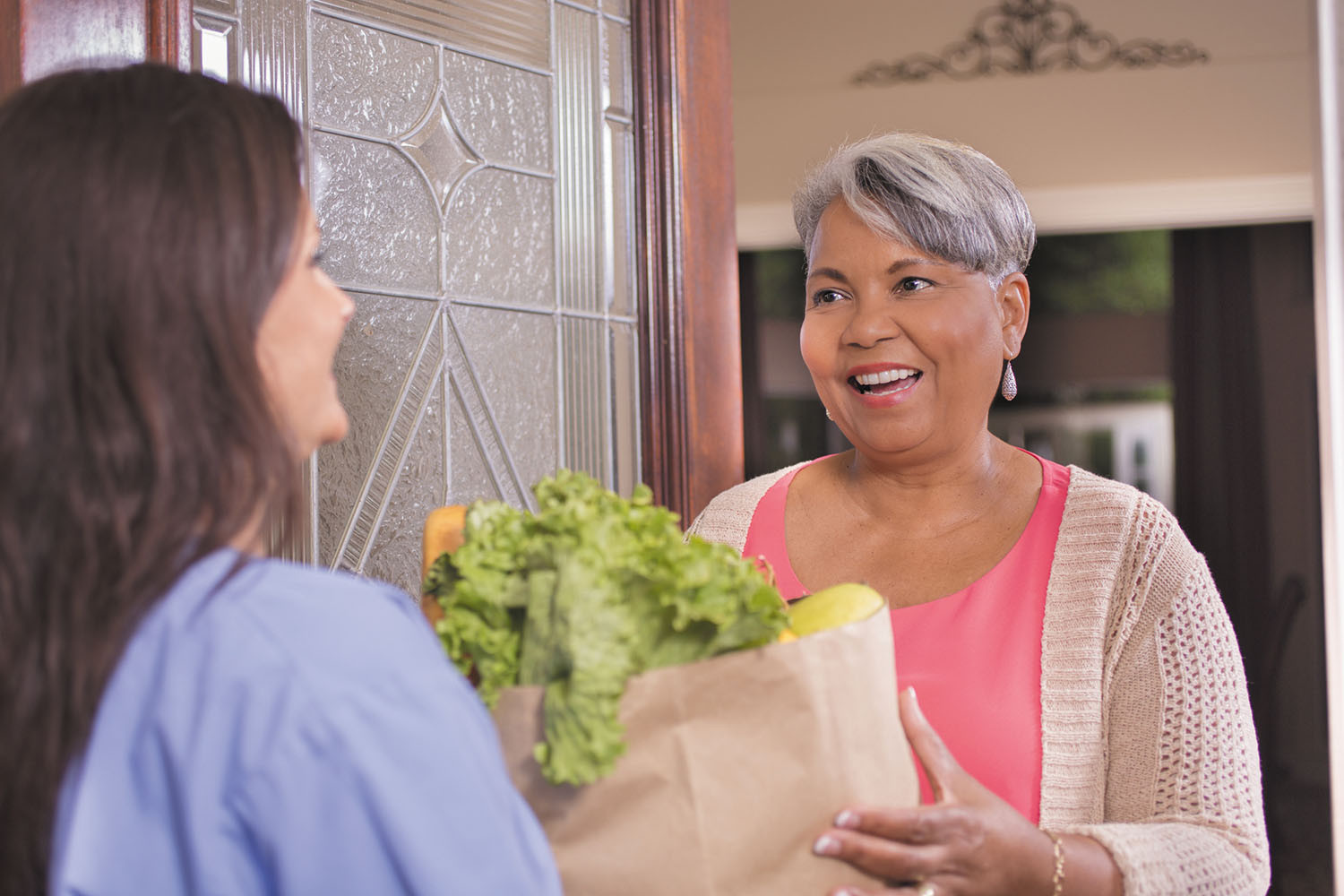
Season of receiving: Use free services to stay independent
Nonprofit groups offer services that can help you age in place.
Image: © fstop123/Getty Images
The holidays are a time of giving, but they're also a time to put yourself on the receiving list and assess whether you should be taking advantage of free health-related services offered by nonprofit organizations. Services are widely available, often regardless of income. But you might not know they exist. "Most older adults aren't introduced to support services until they're hospitalized or they work with a case manager or social worker," explains Barbara Moscowitz, a geriatric social worker at Harvard-affiliated Massachusetts General Hospital. "You don't have to wait for such an event."
What's available
On the local level, you can often find free or low-cost dental clinics, emotional support groups, meal or grocery delivery services, transportation, in-home health evaluations, exercise classes, health education classes, home evaluations for fall prevention, companion programs, caregiver respite services, or programs to help you navigate difficult chronic health conditions and their treatment.

Bit by bit, Americans are eating healthier
News briefs
Americans are starting to eat a healthier diet, but we still have a long way to go, suggests a study (which included Harvard research) published Sept. 24, 2019, in JAMA. Researchers looked at health survey responses gathered from 1999 to 2016 from almost 44,000 American men and women. The good news: during the study, participants improved on the 100-point Healthy Eating Index, thanks to higher intakes of high-quality carbohydrates (such as whole grains), plant protein (such as whole grains and nuts), and unsaturated fats; and lower intakes of added sugars. The not-so-good news: 42% of the American diet is still coming from low-quality carbs, and about 12% is coming from saturated fat. Like turning a massive battleship, it takes time to change eating patterns. These findings confirm that a winning strategy includes swapping low-quality carbs for higher-quality ones, replacing some saturated fats (like those in red meat) with unsaturated fats (like those in nuts and fish), and reducing calories from carbs over all (fewer snacks and drinks with added sugars and refined grains). An outstanding and popular book to guide healthy eating is Eat, Drink and Be Healthy, by Walter Willett and P.J. Skerrett, from Harvard Health Publishing.
Image: Image Source/Getty Images

Is it safe to go vegan in older age?
The diet takes vegetarianism to the extreme and poses a risk for nutrient deficiency. But it does offer health benefits.
If tofu turkey and meatless meatloaf are on your holiday menu this year, you may have made the switch to a vegetarian diet, eliminating at least some animal protein. But how much animal protein can you safely cut out of your diet?
Vegetarian diet benefits
Among the many types of vegetarian diets, three are particularly common: a pescatarian diet allows seafood; a lacto-ovo diet allows dairy products and eggs; finally, a vegan diet allows no seafood, dairy, or other animal products.
Fatty liver disease: Should you be tested?
Even a little exercise linked with lower stroke risk in people with afib
Testosterone therapy without evidence of deficiency may boost heart risk
Weight-loss drug may lower risk of heart attacks and infections
Migraine: How it's diagnosed and what that means
Tricep workouts you can do at home
Mindfulness practices to reduce stress and improve focus
Antihistamines may not offer meaningful relief from eczema symptoms
Overweight and taking blood pressure medications: Study finds it's a trend that's working
FDA approves first mRNA-based flu vaccine
Free Healthbeat Signup
Get the latest in health news delivered to your inbox!
Sign Up
