

Fatty liver disease: Should you be tested?

Even a little exercise linked with lower stroke risk in people with afib

Testosterone therapy without evidence of deficiency may boost heart risk

Weight-loss drug may lower risk of heart attacks and infections

Migraine: How it's diagnosed and what that means

Tricep workouts you can do at home

Mindfulness practices to reduce stress and improve focus

Antihistamines may not offer meaningful relief from eczema symptoms

Overweight and taking blood pressure medications: Study finds it's a trend that's working

FDA approves first mRNA-based flu vaccine
Vitamins, minerals & supplements Archive
Articles

Seed of the month: Flaxseeds
These shiny, reddish or golden-brown seeds are the richest natural source of alpha linolenic acid (ALA), an omega-3 fatty acid that's also found in soybean oil, canola oil, and walnuts. Because our bodies can't make omega-3 fats, we must get them from food. The other main omega-3s, eicosapentaenoic acid (EPA) and docosahexaenoic acid (DHA), are found mainly in fatty fish. Nutrition experts recommend getting at least one rich source of omega-3 fats daily. So if you don't eat fish, flaxseeds are a good option.
Flaxseeds, which have a slightly nutty taste, contain other healthful nutrients, including protein, fiber, and lignans (plant chemicals with antioxidant effects). Small studies suggest that consuming whole or ground flaxseeds may lower cholesterol levels and blood pressure.

Chili peppers: The spice of a longer life?
Research we're watching
People who eat chili peppers on a regular basis appear to lower their risk of dying from heart disease, a new study finds.
Researchers analyzed the diets and health records of more than 22,000 people living in southern Italy and followed them for a median of just over eight years. People who ate chili peppers more than four times a week were about one-third less likely to die of heart disease than those who rarely or never ate the spicy-hot peppers. This protective benefit was evident regardless of whether people followed a Mediterranean-style diet (which is often recommended for heart health) or a less healthful diet.

What’s new with the Nutrition Facts label?
The Nutrition Facts label that appears on packaged foods has been updated to provide consumers with more thorough information, and also to more accurately reflect typical consumption habits.

Controlling your weight is key to lowering stroke risk
There is a lot you can do to lower your chances of having a stroke. Even if you've already had a stroke or TIA ("mini-stroke"), you can take steps to prevent another.
Controlling your weight is an important way to lower stroke risk. Excess pounds strain the entire circulatory system and can lead to other health conditions, including high blood pressure, diabetes, high cholesterol, and obstructive sleep apnea. But losing as little as 5% to 10% of your starting weight can lower your blood pressure and other stroke risk factors.
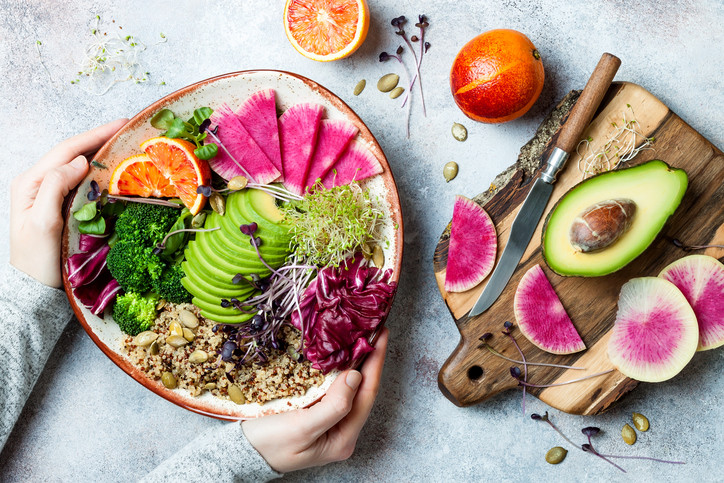
With a little planning, vegan diets can be a healthful choice
There is ample evidence to support the healthfulness of a vegan diet. However, those who choose vegan eating may not get enough of some nutrients unless they pay careful attention to their food intake, or choose to take supplements.

Are polypills and population-based treatment the next big things?

Low LDL and stroke: A closer look
When it comes to understanding this link, the devil is in the details.
When we talk about LDL cholesterol, it's always described as bad or harmful — and with good reason. High blood levels of this artery-clogging substance boost the risk of heart disease, the nation's leading cause of death. The more you can lower your LDL cholesterol (through diet, exercise, or medications), the lower your risk of a heart attack. For heart attack survivors, national guidelines recommend aiming for an LDL cholesterol level of less than 70 milligrams per deciliter to prevent a second heart attack.
In the past year, however, two studies in the journal Neurology reported a higher risk of hemorrhagic (bleeding) stroke in people with LDL levels of 70 and lower. While that sounds worrisome, a closer look at the findings can put these results into perspective.

Grain or seed of the month: Wheat
One of the first cultivated grains, wheat is now ubiquitous in the average American diet. In the United States, about 75% of all grain products (such as bread, pasta, tortillas, cakes, and pastries) are made with wheat. Unfortunately, most of these commonly consumed foods are made with white flour: wheat kernels that have been stripped of their outer bran and inner germ layers and milled into a fine powder. White flour is fortified with some of the vitamins and minerals removed during this refining process. But most of the fiber and other healthful plant-based chemicals found in intact whole grains are missing.
Eating more whole grains is linked to a lower risk of heart disease and cancer, which is why the federal dietary guidelines say to "make half your grains whole." But most people aren't even close to that goal. According to the CDC, whole grains account for only about 16% of the total grain-based food adults eat on any given day.

Gout drug may help prevent repeat heart attacks
Research we're watching
A drug long used to treat a painful form of arthritis called gout may also benefit heart attack survivors, according to a new study.
Derived from the autumn crocus, colchicine (Colcrys, Mitigare) helps to ease the joint inflammation and pain that characterize gout. Because mounting evidence suggests that inflammation plays a role in heart disease, researchers have tested various anti-inflammatory drugs in heart patients. The latest study, published online Nov. 16, 2019, by The New England Journal of Medicine, tested colchicine against a placebo in 4,745 people who had experienced a heart attack within the previous month. All the participants also took standard drugs to treat heart disease, including statins, aspirin, and other clot-preventing drugs.

Marijuana use linked to higher risk of stroke in younger adults
Research we're watching
Younger adults who use marijuana appear to face a higher risk of stroke compared with those who don't use the drug, according to a report published Nov. 11, 2019, in the journal Stroke.
Researchers pooled data from a nationally representative survey from the CDC that included nearly 44,000 participants ages 18 to 44. About 14% reported using marijuana within the past month. Young adults who recently used marijuana were 1.8 times more likely to experience a stroke compared with nonusers. The risk was 2.5 times higher among frequent users (more than 10 days a month). Frequent marijuana users who also smoked regular cigarettes had three times the risk for nonusers.
Fatty liver disease: Should you be tested?
Even a little exercise linked with lower stroke risk in people with afib
Testosterone therapy without evidence of deficiency may boost heart risk
Weight-loss drug may lower risk of heart attacks and infections
Migraine: How it's diagnosed and what that means
Tricep workouts you can do at home
Mindfulness practices to reduce stress and improve focus
Antihistamines may not offer meaningful relief from eczema symptoms
Overweight and taking blood pressure medications: Study finds it's a trend that's working
FDA approves first mRNA-based flu vaccine
Free Healthbeat Signup
Get the latest in health news delivered to your inbox!
Sign Up
