

Fatty liver disease: Should you be tested?

Even a little exercise linked with lower stroke risk in people with afib

Testosterone therapy without evidence of deficiency may boost heart risk

Weight-loss drug may lower risk of heart attacks and infections

Migraine: How it's diagnosed and what that means

Tricep workouts you can do at home

Mindfulness practices to reduce stress and improve focus

Antihistamines may not offer meaningful relief from eczema symptoms

Overweight and taking blood pressure medications: Study finds it's a trend that's working

FDA approves first mRNA-based flu vaccine
Vitamins, minerals & supplements Archive
Articles

How to lower your cholesterol without drugs
Trans fats and saturated fats can raise LDL cholesterol levels. A diet rich in unsaturated fats, whole grains, and fruits and vegetables can lower them.


Weight-loss drug Belviq recalled
Findings from a follow-up on people taking the weight-loss medication Belviq showed a slight increase in the occurrence of cancers, resulting in the drug being withdrawn from the market at the request of the FDA.
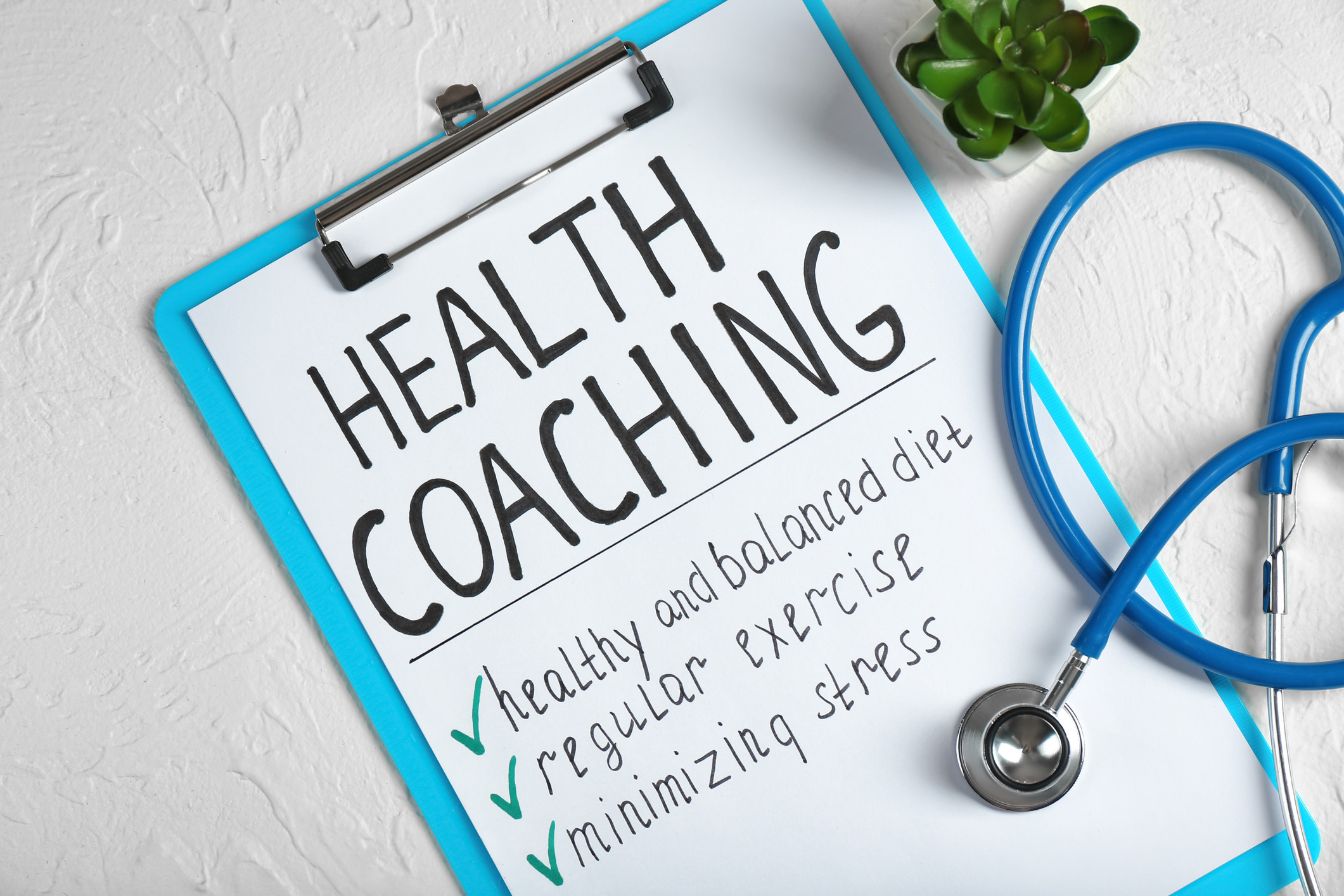
Health coaching is effective. Should you try it?
The growing field of health and wellness coaching uses motivational techniques and positive psychology to offer people individualized support as they work to achieve their health goals.

What to do about the heartburn medication recall
Some drugs that contain ranitidine (best known as Zantac) have been found by the FDA to have unacceptable amounts of N-nitrosodimethylamine (NDMA), a possible cancer-causing chemical (which also triggered recalls of certain lots of the blood pressure drugs called angiotensin-receptor blockers).
On April 1, 2020, the FDA requested that all forms of ranitidine (Zantac, generic versions), including prescription and over-the-counter products, be removed from the market. They may contain unacceptable levels of a potential cancer-causing substance known as NDMA, or N-Nitrosodimethylamine. In some samples tested by the FDA, the impurity appears to increase over time, especially when stored at higher temperatures. So far, tests of other acid blockers do not show this potential increased cancer risk.

Older adults and medical marijuana: Reduced stigma and increased use
Cannabis use among older adults has been steadily increasing, due to lessening stigma and increased interest in using medical marijuana. But there are specific concerns for older people, so anyone considering this option should have a conversation with their doctor weighing the benefits and risks.

The dairy dilemma
How much dairy should you consume each day? And are some dairy products or milk alternatives better for heart health than others?
These days, the supermarket dairy aisle can be tricky to navigate. Along with the nonfat, 2%, and full-fat cow's milk lining the refrigerated shelves, you'll often find a dizzying array of plant-based milk alternatives made from different nuts, beans, and grains. Even the yogurt and cheese sections now feature nondairy products, such as coconut yogurt and cashew cheese.
The expanded choices reflect the growing trend toward plant-based diets, which people embrace for a range of reasons. Some people minimize or avoid meat, dairy, and other animal-based foods because of religious reasons or concerns about environmental sustainability or animal welfare. People who are focused mainly on a heart-healthy diet know to steer clear of red and processed meat. But when it comes to dairy products, the story isn't quite as straightforward.

Healthy habits mean more disease-free years
News briefs
You've heard (in these pages, and others) that a healthy lifestyle can stave off chronic disease. But just how many extra disease-free years might you get from that healthy lifestyle? A lot, suggests an observational Harvard-led study published online Jan. 8, 2020, by The BMJ. Researchers evaluated more than 30 years' worth of health data from 111,000 people who were free of cancer, diabetes, and cardiovascular disease at age 50. Compared with those who didn't follow any healthy lifestyle habits, those who followed four or five healthy habits had an additional decade of disease-free living. The elements of a healthy lifestyle will come as no surprise: don't smoke, limit alcohol intake, eat a healthy diet, maintain a healthy weight, and exercise at least 30 minutes per day. The surprise is just how many additional disease-free years a healthy lifestyle can give you.
Image: © Ridofranz/Getty Images

Have heart problems? Harvard researchers caution against marijuana use
News briefs
Smoking tobacco is a major cause of high blood pressure, heart disease, heart attack, and stroke. But did you know that smoking marijuana may also be associated with the same problems? A Harvard research review published Jan. 28, 2020, in the Journal of the American College of Cardiology found that more than two million U.S. adults with cardiovascular disease are smoking pot despite the risks, although they may not be aware of the potential link to heart problems. Studies on marijuana use have been limited, primarily because the substance has been illegal for decades. Scientists are calling for more research, since medical marijuana use is now legal in more than 30 states, and recreational use is legal in 11 states and the District of Columbia. "Until we have more answers about the connection between using marijuana and heart problems, you should consider avoiding smoking any form of pot if you have known heart disease or a high risk for a heart attack or stroke," suggests Dr. Deepak L. Bhatt, a study author and editor in chief of the Harvard Heart Letter.
Image: © Alexandrum79/Getty Images

5 steps to long-lasting independent living
Here's how to maintain your current active lifestyle.
Older adults want to enjoy their independent living as long as possible. Yet this can become a challenge as people face more health issues.
"Most life changes that cause older adults to lose some or all of their independence occur either gradually or suddenly," says Dr. Jennifer Rhodes-Kropf, a primary care geriatrician at Harvard-affiliated Hebrew SeniorLife's Center Communities of Brookline, Mass. "You need to stay on top of critical areas that can jeopardize your health and lifestyle."
Fatty liver disease: Should you be tested?
Even a little exercise linked with lower stroke risk in people with afib
Testosterone therapy without evidence of deficiency may boost heart risk
Weight-loss drug may lower risk of heart attacks and infections
Migraine: How it's diagnosed and what that means
Tricep workouts you can do at home
Mindfulness practices to reduce stress and improve focus
Antihistamines may not offer meaningful relief from eczema symptoms
Overweight and taking blood pressure medications: Study finds it's a trend that's working
FDA approves first mRNA-based flu vaccine
Free Healthbeat Signup
Get the latest in health news delivered to your inbox!
Sign Up
