

Fatty liver disease: Should you be tested?

Even a little exercise linked with lower stroke risk in people with afib

Testosterone therapy without evidence of deficiency may boost heart risk

Weight-loss drug may lower risk of heart attacks and infections

Migraine: How it's diagnosed and what that means

Tricep workouts you can do at home

Mindfulness practices to reduce stress and improve focus

Antihistamines may not offer meaningful relief from eczema symptoms

Overweight and taking blood pressure medications: Study finds it's a trend that's working

FDA approves first mRNA-based flu vaccine
Vitamins, minerals & supplements Archive
Articles

Practicing healthy habits may help people live disease-free longer
Research we're watching
Sticking to certain healthy lifestyle habits at midlife could add disease-free years to your life, according to a study from the Harvard T.H. Chan School of Public Health. Study authors found that 50-year-old women who maintained five healthy habits — exercising at least 30 minutes a day, following a healthy diet, maintaining a body mass index in the normal range, having no more than one serving of alcohol a day, and not smoking — lived on average 10.7 more years free of diseases, including diabetes, cardiovascular disease, and cancer, compared with initially healthy women who practiced none of those habits at age 50. Their findings, published online January 8 by BMJ, were based on 34 years of data from the Nurses' Health Study and the Health Professionals Follow-up Study, which involved more than 73,000 women and some 38,000 men.
Image: © kitzcorner/Getty Images

Are artificial sweeteners healthy?
On call
Q. More and more nutrition advice seems to be anti-sugar these days. So are artificial sweeteners a good alternative, especially when it comes to weight loss?
A. Many people consume artificial sweeteners, which include acesulfame, aspartame, neotame, saccharin, stevia plant extract, and sucralose, because they want to lose weight, avoid the "empty" (non-nutritious) calories of sugar, or avoid weight gain. Replacing concentrated sugar with products that have few, if any, calories should tilt energy balance in favor of weight loss. Some short-term studies suggest that artificial sweeteners may have that effect.

Doctors’ pain pill prescribing habits at odds with current guidelines
Research we're watching
Doctors have been overprescribing opioids for chronic musculoskeletal pain, according to a December 2019 study in The Journal of Pain. Researchers looking at data from a survey conducted between 2007 and 2015 found that doctors more often prescribed pills, either non-opioid or opioid, rather than physical therapy, counseling, or other nondrug interventions — a practice that is directly at odds with what experts now recommend, including those in the CDC Guideline for Prescribing Opioids for Chronic Pain. At their first visit with the doctor, people were most often prescribed non-opioid painkillers (40.2%) or opioids (21.5%), followed by counseling, nonpharmacological treatments, and physical therapy. Study authors say this shows there is room for improvement through education. However, it's worth noting that the time period studied (2007 through 2015) preceded much of the recent work and advocacy aimed at reducing prescriptions of opioids.
Image: © robeo/Getty Images

Grain of the month: Oats
Among all the grains, oats appear to be the most effective when it comes to lowering cholesterol. In fact, back in 1997, oatmeal was granted the first food-specific health claim permission by the FDA, based on research showing that soluble fiber from oats lowers the risk of heart disease.
Soluble fiber, which dissolves in water, forms a gel in the intestines. This gel traps some of the cholesterol in your body, so it's eliminated as waste instead of entering your arteries. Some evidence also suggests that eating oats helps regulate blood sugar levels and helps you feel full.

Experimental drug lowers lipoprotein(a), a suspect in heart attacks
Research we're watching
A new kind of drug given by injection can lower blood levels of lipoprotein(a), or Lp(a), a fatty particle linked to a heightened risk of heart attack and narrowing of the aortic valve, according to a study published January 1 in the New England Journal of Medicine.
Up to one in five people has a very high level of Lp(a), which is nearly completely determined by a person's genes. Lp(a) particles are similar to the better-known LDL cholesterol particles but with an extra protein coiled around each particle.

Understanding acute and chronic inflammation
The right kind of inflammation is essential to your body's healing system. But chronic inflammation can be a problem.
The saying "too much of a good thing" applies to much of life, but especially to inflammation.
"People think inflammation needs to be stomped out at all times, but it plays an essential role in healing and injury repair to keep your body safe and healthy," says Dr. Robert H. Shmerling, medical editor of Understanding Inflammation from Harvard Health Publishing and an associate professor of medicine at Harvard Medical School. "Some inflammation is good. Too much is often bad. The goal is to recognize when inflammation is simply doing its job, and when it can potentially cause problems."

Can a slow heartbeat be dangerous?
Ask the doctor
Q. I'm in my 70s, and I get breathless when I climb stairs. Maybe that's normal at my age, but my doctor says the cause may be my slow heartbeat. Can a slow heartbeat be dangerous?
A. Yes, it could be. To explain why, let's begin with the basics. Your heart beats in order to pump blood around the body. The circulating blood brings the nutrition that every cell in your body needs, and it removes cellular waste material: blood brings the food and takes away the garbage. The effectiveness of the circulation depends on how much blood your heart pumps with each heartbeat and how many times per minute it beats. Even if each heartbeat pumps a lot of blood, if your heart doesn't pump often enough, your body won't get the blood it needs. And when you exert yourself, the body needs more blood.

Is intermittent fasting safe for older adults?
Learn the risks before diving into this experimental eating style.
Intermittent fasting is a popular eating strategy being studied in labs and practiced in kitchens across America. And it's more than a fad. Restricting your calories or mealtimes may have the potential for many benefits, such as weight loss and reduced risk of various diseases. We don't have much evidence, however, about intermittent fasting's effect on the health of older adults.
What is intermittent fasting?
Intermittent fasting restricts when or how much you eat — and sometimes both. There are several approaches.
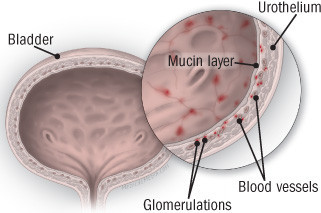
Diagnosing and treating interstitial cystitis
Also called painful bladder syndrome, this frustrating disorder disproportionately affects women.
Interstitial cystitis is a chronic bladder condition that causes recurring bouts of pain and pressure in the bladder and pelvic area, often accompanied by an urgent and frequent need to urinate — sometimes as often as 40, 50, or 60 times a day, around the clock. Discomfort associated with interstitial cystitis can be so excruciating that, according to surveys, only about half of people with the disorder work full-time. Because symptoms are so variable, experts today describe interstitial cystitis as a member of a group of disorders collectively referred to as interstitial cystitis/painful bladder syndrome. (In this article, we'll call it interstitial cystitis, or IC.)
Among the one to two million Americans with IC, women outnumber men by as much as eight to one, and most are diagnosed in their early 40s. Several other disorders are associated with IC, including allergies, migraine, irritable bowel syndrome, fibromyalgia (a condition causing muscle pain), chronic fatigue syndrome, and vulvodynia (pain or burning in the vulvar area that isn't caused by infection or skin disease).
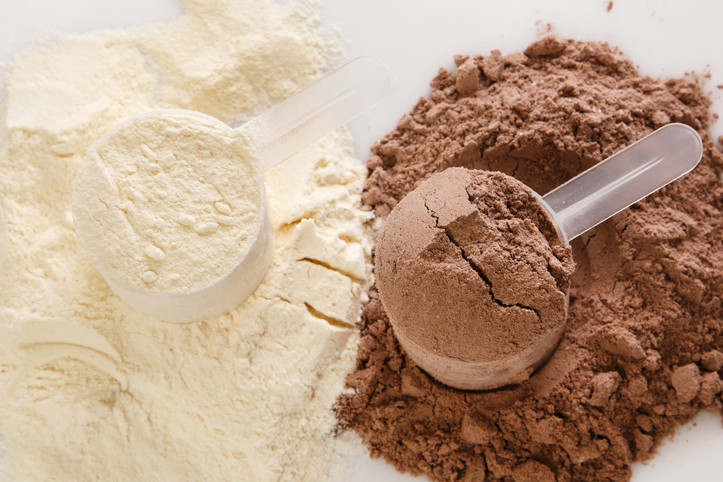
The scoop on protein powder
The amount of protein you need depends on your age, health, and the intensity of your fitness routine. For most people it’s relatively easy to get the recommended amount from food, but there are situations when someone might want to consider a protein powder supplement.
Fatty liver disease: Should you be tested?
Even a little exercise linked with lower stroke risk in people with afib
Testosterone therapy without evidence of deficiency may boost heart risk
Weight-loss drug may lower risk of heart attacks and infections
Migraine: How it's diagnosed and what that means
Tricep workouts you can do at home
Mindfulness practices to reduce stress and improve focus
Antihistamines may not offer meaningful relief from eczema symptoms
Overweight and taking blood pressure medications: Study finds it's a trend that's working
FDA approves first mRNA-based flu vaccine
Free Healthbeat Signup
Get the latest in health news delivered to your inbox!
Sign Up
