

Fatty liver disease: Should you be tested?

Even a little exercise linked with lower stroke risk in people with afib

Testosterone therapy without evidence of deficiency may boost heart risk

Weight-loss drug may lower risk of heart attacks and infections

Migraine: How it's diagnosed and what that means

Tricep workouts you can do at home

Mindfulness practices to reduce stress and improve focus

Antihistamines may not offer meaningful relief from eczema symptoms

Overweight and taking blood pressure medications: Study finds it's a trend that's working

FDA approves first mRNA-based flu vaccine
Vitamins, minerals & supplements Archive
Articles

What’s the beef with red meat?
A recent study suggested that eating red or processed meats won't necessarily harm your health. What is the truth?
The news headlines were everywhere: "It's Okay to Eat Red Meat." The source for this statement was a study published online Oct. 1, 2019, in Annals of Internal Medicine.
An international team of researchers conducted five systematic reviews that looked at the effects of red meat and processed meat on multiple health issues, such as heart disease, cancer, diabetes, and premature death.

How long does a drug stay in my system?
On call
Q. I started having side effects from a prescribed drug. I stopped taking it, but the side effects are still there. How long does it take for a drug to be out of your system?
A. Most drugs will be out of your system quite quickly, but the symptoms of side effects may remain for some time. It depends on the medication and what kind of side effect has developed. The majority of prescription drugs are cleared out of your body rapidly by your kidneys and liver. Trace levels of a medicine may remain in the system while the liver and kidneys finish their filtering job. But these levels are often too low to have any noticeable effect. Patients with kidney or liver disease, however, can continue to have elevated blood levels of a drug even after stopping it.

Taking blood pressure medication at bedtime instead of the morning can reap greater health benefits
In the journals
People with high blood pressure may benefit from taking their antihypertension medication at bedtime instead of the morning, according to a study published online Oct. 22, 2019, by the European Heart Journal.
The researchers looked at about 19,000 people (most of them men) who took blood pressure medication. Participants took their daily dose either upon waking or before going to bed. Everyone's blood pressure was checked over 48 hours once a year for six years.

The growing problem of drug-resistant UTIs
Urinary tract infections can be dangerous. Here's how to recognize, treat, and prevent them.
More than 2.8 million antibiotic-resistant infections now occur in the United States each year, according to a CDC report published in November 2019. Among them are a growing number of urinary tract infections (UTIs) that can no longer be treated with the most common antibiotics.
"Antimicrobial-resistant UTIs are on the rise and have been since the early 2000s," says Dr. Lisa Bebell, an instructor in medicine at Harvard Medical School and an infectious diseases specialist at Massachusetts General Hospital. This trend is especially concerning for women because UTIs are so common: one of every two women will have a UTI in her lifetime.

Rural health risks?
Research we're watching
People living in rural areas of the country appear to be more likely to die from preventable causes compared with people in more urban locations, says a CDC report. The report looked at deaths from 2010 to 2017 and found that people in rural locations were more likely to die from preventable conditions, including cancers and heart and respiratory diseases. In 2010, about 29% of cancer deaths in rural areas were potentially preventable, compared with 18% of cancer deaths in urban areas. In addition, 45% of heart disease deaths in rural locations were deemed preventable, compared with 24% of heart disease deaths in urban areas. The authors suggested several strategies to reduce disparities, including better screening programs and initiatives to encourage better eating and exercise habits, as well as smoking cessation.
Image: shaunl/Getty Images

Calcium and vitamin D supplements: Good, bad, or neutral for cardiovascular health?
For these popular pills, the evidence has been mixed. Here's advice about getting the recommended amounts of both nutrients.
In the body, calcium and vitamin D work together to build and maintain healthy bones. Many adults (especially women) take these two nutrients in supplement form, hoping to stave off osteoporosis, the bone-weakening disease that leaves older people prone to fractures. But how do these supplements affect cardiovascular health?
The answer is a bit complicated. Here are the key points, with additional context and advice below:

Is nighttime the right time for blood pressure drugs?
Taking these medications at bedtime rather than in the morning may make them more effective.
Many people take their medications as part of their morning ritual, along with a cup of coffee and the daily newspaper. But for blood pressure drugs, evening may be a better option. Last year, a large study found that taking blood pressure drugs before bed may lower the risk of serious heart-related complications more than taking the drugs in the morning (see "Benefits of bedtime blood pressure dosing").
The concept of chronotherapy, or adjusting medication dosing to a specific time of day, isn't new. There's not a great deal of evidence to support the practice with cardiovascular drugs, but it makes sense, says Dr. Naomi Fisher, director of the Hypertension Specialty Clinic at Harvard-affiliated Brigham and Women's Hospital.

Tips to minimize the risks of anesthesia
Careful planning may help you avoid side effects.
It's always concerning when the doctor says you need a procedure that requires anesthesia. On top of worries about the procedure itself, you may wonder how you'll react to anesthesia, especially now that you're older. The answer is complicated.
Aging changes everyone's basic physiology. Anesthesia introduces some risk, but less so than the risk from underlying health conditions, the surgical procedure itself, and the care you receive after surgery," says Dr. Angela Bader, an anesthesiologist and founding director of the Weiner Center for Preoperative Evaluation at Harvard-affiliated Brigham and Women's Hospital.
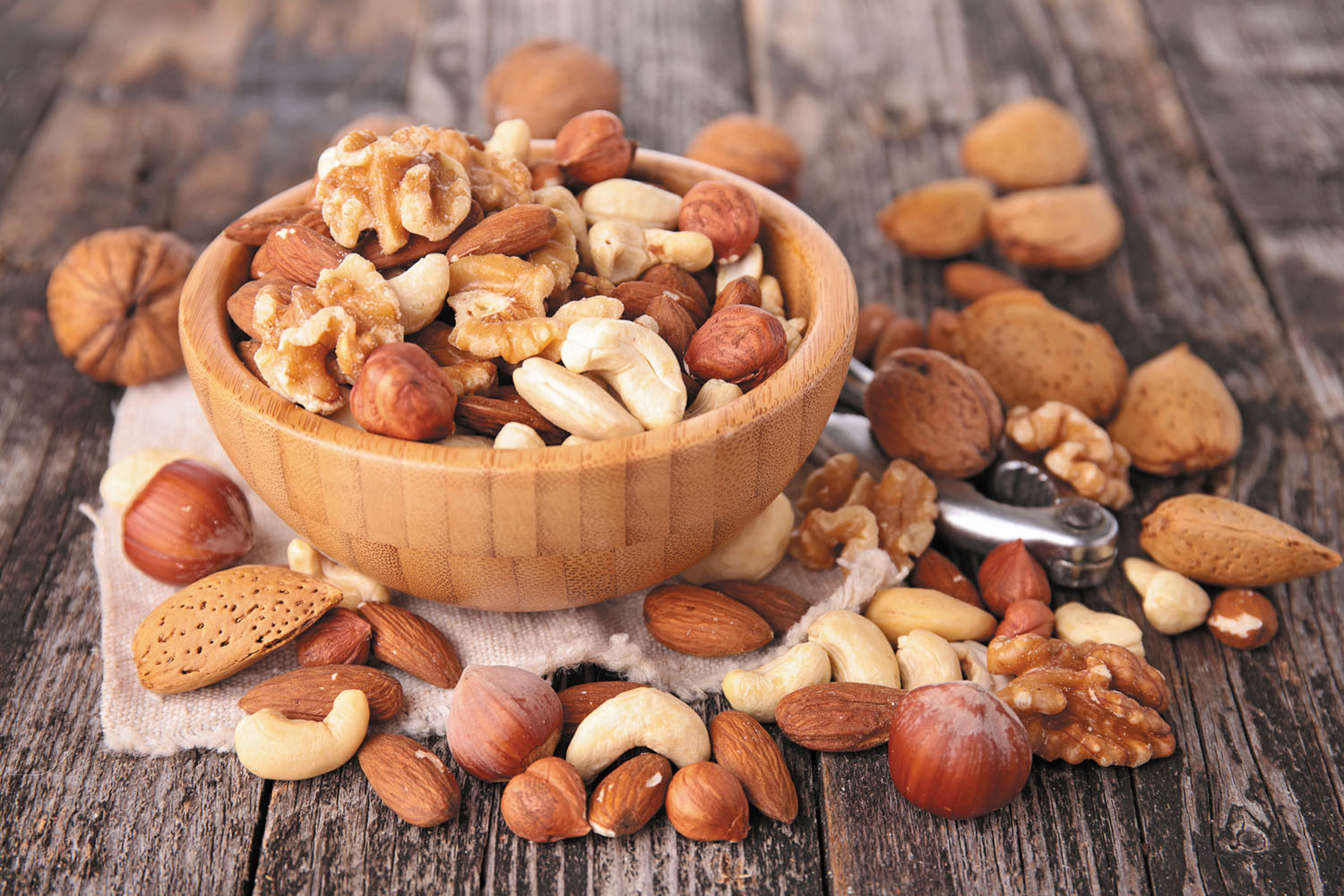
Eating nuts: A strategy for weight control?
News briefs
Nuts are rich in healthy fat and calories, so you may not think of them as tools for weight control. But nuts may actually help in the battle of the bulge, suggests a Harvard study published online Sept. 23, 2019, by BMJ Nutrition, Prevention, and Health. Researchers analyzed questionnaire responses on dietary habits, physical activity, and weight changes from about 145,000 middle-aged and older men and women. People who went from never eating nuts to eating a daily average of at least half a serving (about half a handful) were 16% less likely to become obese over a four-year period compared with people who didn't eat nuts at all. Substituting a half serving of nuts per day for red meat, processed meat, French fries, desserts, or potato chips was also associated with less weight gain. "Nuts have protein and fiber which help us feel full longer and offset cravings for junk food. Although nuts are high in calories, up to 20% of calories from nut consumption will be excreted from our body," says Dr. Xiaoran Liu, one of the study authors and a research associate with the Harvard T.H. Chan School of Public Health.
Image: margouillatphotos/Getty Images

Fatty liver disease: Should you be tested?
Even a little exercise linked with lower stroke risk in people with afib
Testosterone therapy without evidence of deficiency may boost heart risk
Weight-loss drug may lower risk of heart attacks and infections
Migraine: How it's diagnosed and what that means
Tricep workouts you can do at home
Mindfulness practices to reduce stress and improve focus
Antihistamines may not offer meaningful relief from eczema symptoms
Overweight and taking blood pressure medications: Study finds it's a trend that's working
FDA approves first mRNA-based flu vaccine
Free Healthbeat Signup
Get the latest in health news delivered to your inbox!
Sign Up
