

Fatty liver disease: Should you be tested?

Even a little exercise linked with lower stroke risk in people with afib

Testosterone therapy without evidence of deficiency may boost heart risk

Weight-loss drug may lower risk of heart attacks and infections

Migraine: How it's diagnosed and what that means

Tricep workouts you can do at home

Mindfulness practices to reduce stress and improve focus

Antihistamines may not offer meaningful relief from eczema symptoms

Overweight and taking blood pressure medications: Study finds it's a trend that's working

FDA approves first mRNA-based flu vaccine
Vitamins, minerals & supplements Archive
Articles
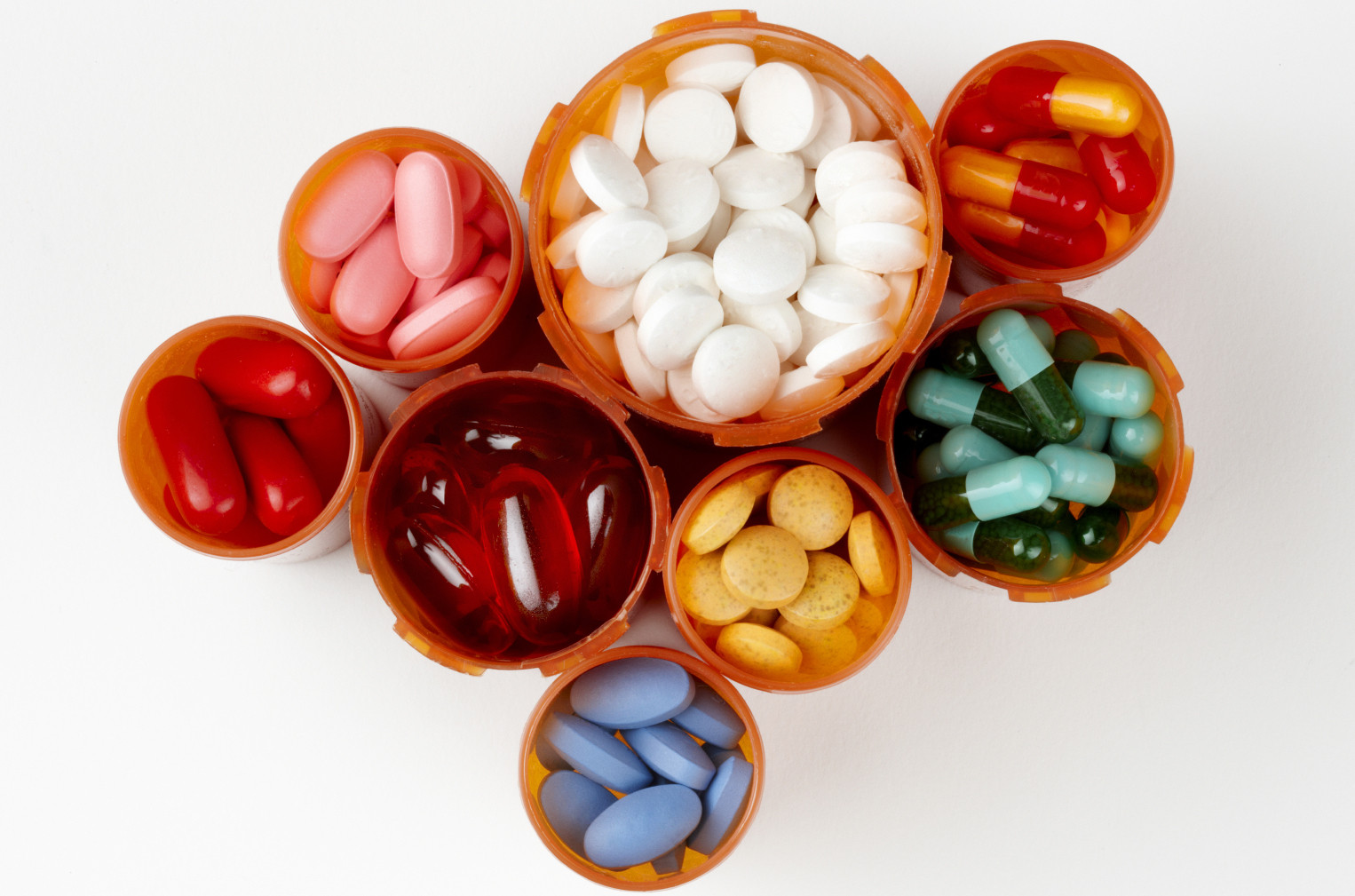
What to do when medication makes you sleepy
It may be as simple as adjusting the dose, avoiding alcohol, or taking the drug at a different time of day.
Image: iStock
One of the most commonly reported side effects of some medications is drowsiness. "Many people report tiredness or fatigue as a side effect from their medicines. However, there are things you can do to minimize the feelings of daytime sleepiness," says Laura Carr, a pharmacist at Harvard-affiliated Massachusetts General Hospital.
Typical offenders
Common culprits that cause sleepiness include antidepressants; antihistamines, found in sleep aids or medicines that treat allergies; anti-emetics, which are used to control nausea and vomiting; antipsychotics and anticonvulsants, which can be used to treat seizures or depression; drugs to treat high blood pressure, including alpha blockers and beta blockers; benzodiazepines and other sedatives, which are commonly used for anxiety or insomnia; drugs for Parkinson's disease; muscle relaxants; and opioids and other prescription pain medications. Many over-the-counter medicines may also make you drowsy, such as remedies for insomnia, allergies, nausea, vomiting, or diarrhea.

Comfort food without the guilt
Simple swaps like whole grains instead of white rice maintain flavor while boosting health benefits.
There's nothing quite like coming in from the cold and sitting down to a hot, hearty meal. The icy temperatures seem to make us yearn for foods that will warm us up inside, stick to our bones, and soothe the soul. "We are warm-bodied creatures, and as the weather cools we actually crave more calories so we can stay warm," explains Sandra Allonen, a registered dietitian with Harvard-affiliated Beth Israel Deaconess Hospital.
But digging into comfort foods all winter — like a savory beef stew, spicy spaghetti and meatballs, macaroni and cheese, fluffy pancakes, gooey pizza, or buttery mashed potatoes — comes with health risks.

Are the new migraine medications working?
Doctors say three recently approved migraine prevention drugs are helping people have fewer headaches.
For people with frequent, debilitating migraine headaches, 2018 brought encouraging news. The FDA approved three new medications — erenumab (Aimovig), fremanezumab (Ajovy), and galcanezumab (Emgality) — the first drugs designed specifically to prevent migraines and reduce their frequency, intensity, and duration.
It was a big development, since other medications used to stop migraines were created to control other conditions, such as seizures, depression, high blood pressure, or an irregular heartbeat. But their side effects (such as weight gain, dizziness, or fuzzy thinking) often cause people to skip treatment.

Menu alert: U.S. restaurants are offering more sugary drinks
News briefs
Sugary drinks are becoming more plentiful at large restaurant chains, and some drinks are getting sweeter. That's according to a study published in the August issue of the American Journal of Preventive Medicine. Harvard researchers analyzed the beverage offerings of 63 fast-food, fast-casual, or full-service restaurant chains from 2012 to 2017. Over that period, the number of sugary beverages available at the restaurants increased by 82%. Among newly introduced sugary beverages such as sodas, fruit drinks, and sports drinks, from 2012 to 2016 the number of calories per drink increased by about 50, and the average amount of sugar per drink reached a whopping 63 grams. Newly introduced sweetened teas roughly doubled in sugar and calories from 2012 to 2016, jumping from an average of about 140 calories per drink to about 300, and from 25 grams of sugar to 56. But remember: the American Heart Association recommends limiting added sugar to 25 grams per day for women and 36 grams per day for men. If you want to splurge on a sugary drink, try not to consume all of it, or chose a lower-sugar option.
Image: LiliGraphie/Getty Images

Cafeteria strategies that may improve your diet
News briefs
Red light, green light — we all know what those mean. And when Harvard researchers added traffic-light symbols to packages and menus in a hospital cafeteria, they found that diners bought healthier foods with fewer calories. The findings were published online July 10, 2019, by JAMA Network Open. Scientists first tracked the cafeteria purchases of hospital employees for a few months. Then they labeled foods with symbols indicating if a food was healthy (green), less healthy (yellow), or unhealthy (red); moved unhealthy foods to less accessible locations in the cafeteria; and tracked purchases for another two years. About 5,700 people bought food during that time. When researchers linked calorie information to purchases, they found a 6% decrease in calories per purchase over two years, including a 23% decrease in calories from the least healthy foods. This builds on previous research that found sales of red-stickered items dropped by 4% and sales of green-stickered items grew by 5% during the study. Can you try this at home? Maybe not the traffic-light stickers. "But making it harder to access unhealthy foods gives you enough time to think about your choice before eating something that is not consistent with your goals," says lead author Dr. Anne Thorndike, who specializes in obesity treatment and prevention at Harvard-affiliated Massachusetts General Hospital. "Strategies include having a drawer for the unhealthy foods, placing unhealthy snacks high on a shelf, and having a goto' shelf for healthy snacks."
Image: lcs813/Getty Images
The right way to "do lunch"
Smart choices for your midday meal may help set the stage for healthier eating throughout the day.
The classic American lunch — a deli sandwich, potato chips, and a soda — isn't exactly heart-friendly fare. Even salad bars can be tricky to navigate when you're trying to choose a nutritious but satisfying lunch. In fact, more than half of employed Americans who usually eat lunch on the job find it hard to eat a healthy lunch, according to a recent survey from the American Heart Association.
"Helping people understand what makes a healthy lunch may help them eat fewer calories and maybe even inspire them to make healthier food decisions the rest of the day," says Dr. Anne Thorndike, associate professor of medicine at Harvard Medical School. In a study of nearly 5,700 hospital employees, she and colleagues found that labeling cafeteria foods with simple "traffic light" symbols that reflected their relative health value was linked to healthier choices by employees. They ate fewer calories, mostly by eating fewer high-fat, high-calorie "red light" foods and more "green light" foods (in which the main ingredient was fruit, vegetable, whole grain, lean protein, or low-fat dairy). What's more, these dietary shifts lasted over a period of two years. For employees who visited the cafeteria most frequently, the estimated drop in calories could translate to a weight loss of up to 4.4 pounds over time, says Dr. Thorndike. The study was published July 10 in JAMA Network Open.
Legume of the month: Peas
When you were a kid, you may have lumped peas into the same category as broccoli, spinach, or any other green plant on the plate. But green peas aren't the same as leafy greens. In fact, their classification is a little tricky.
Mature green peas — typically sold dried and split in half — are more like beans. But fresh or frozen green peas are classified as a starchy vegetable by the U.S. Dietary Guidelines.

Problems with bloating? Watch your sodium intake
In the journals
If you suffer from regular bloating after eating, you may want to check your sodium intake, suggests a study published in July 2019 in The American Journal of Gastroenterology.
Scientists analyzed data from the Dietary Approaches to Stop Hypertension–Sodium trial (DASH-Sodium) from two decades ago. The original study compared the DASH diet — a high-fiber diet low in fat and high in fruits, nuts, and vegetables — against a low-fiber control diet. The study also looked at sodium intake as the participants consumed both high- and low-sodium versions of their diets. The study primarily focused on how dietary sodium affected blood pressure.

Cutting 300 daily calories improves several health markers
In the journals
Reducing your daily calorie intake by about 300 can improve the numbers for several health markers, according to a study published online July 11, 2019, by The Lancet Diabetes & Endocrinology.
Researchers recruited 218 adults with a body mass index of 22 to 27.9, which is in the range of normal weight and slightly overweight. For a month, half the participants ate three meals a day that reflected about a 25% reduction in their normal daily calorie intake. They also engaged in six months of group and individual counseling sessions. People in the other group continued their usual diet.
Study links certain medications to a higher risk of dementia
But some experts say limitations of the study raise questions about the results.
Could one of your regular pills raise your risk of dementia? A study published online June 24 by JAMA Internal Medicine found that people over age 55 who took a daily dose of certain common drugs for approximately three years had a 50% higher risk of developing dementia.
The medicines in question are in a category known as anticholinergics, which are used to treat conditions as diverse as depression, urinary incontinence, allergies, and Parkinson's disease. The study's authors say the findings should prompt doctors to use caution or potentially even avoid prescribing certain medications to people over age 45 on a long-term basis if there are other options available.
Fatty liver disease: Should you be tested?
Even a little exercise linked with lower stroke risk in people with afib
Testosterone therapy without evidence of deficiency may boost heart risk
Weight-loss drug may lower risk of heart attacks and infections
Migraine: How it's diagnosed and what that means
Tricep workouts you can do at home
Mindfulness practices to reduce stress and improve focus
Antihistamines may not offer meaningful relief from eczema symptoms
Overweight and taking blood pressure medications: Study finds it's a trend that's working
FDA approves first mRNA-based flu vaccine
Free Healthbeat Signup
Get the latest in health news delivered to your inbox!
Sign Up
