

Fatty liver disease: Should you be tested?

Even a little exercise linked with lower stroke risk in people with afib

Testosterone therapy without evidence of deficiency may boost heart risk

Weight-loss drug may lower risk of heart attacks and infections

Migraine: How it's diagnosed and what that means

Tricep workouts you can do at home

Mindfulness practices to reduce stress and improve focus

Antihistamines may not offer meaningful relief from eczema symptoms

Overweight and taking blood pressure medications: Study finds it's a trend that's working

FDA approves first mRNA-based flu vaccine
Vitamins, minerals & supplements Archive
Articles

Healthy individuals don't need low-dose aspirin therapy
Research we're watching
If you're healthy and don't have a history of cardiovascular disease, daily low-dose aspirin is no longer recommended as a preventive measure, says a new guideline released by the American Heart Association and American College of Cardiology. The risks of internal bleeding and other side effects outweigh the benefits of aspirin in this group.
The new guideline, which was based on numerous recent studies, does not apply to people who have had a heart attack or stroke or who have undergone a bypass procedure. The recommendation to take low-dose aspirin therapy in this group is unchanged.
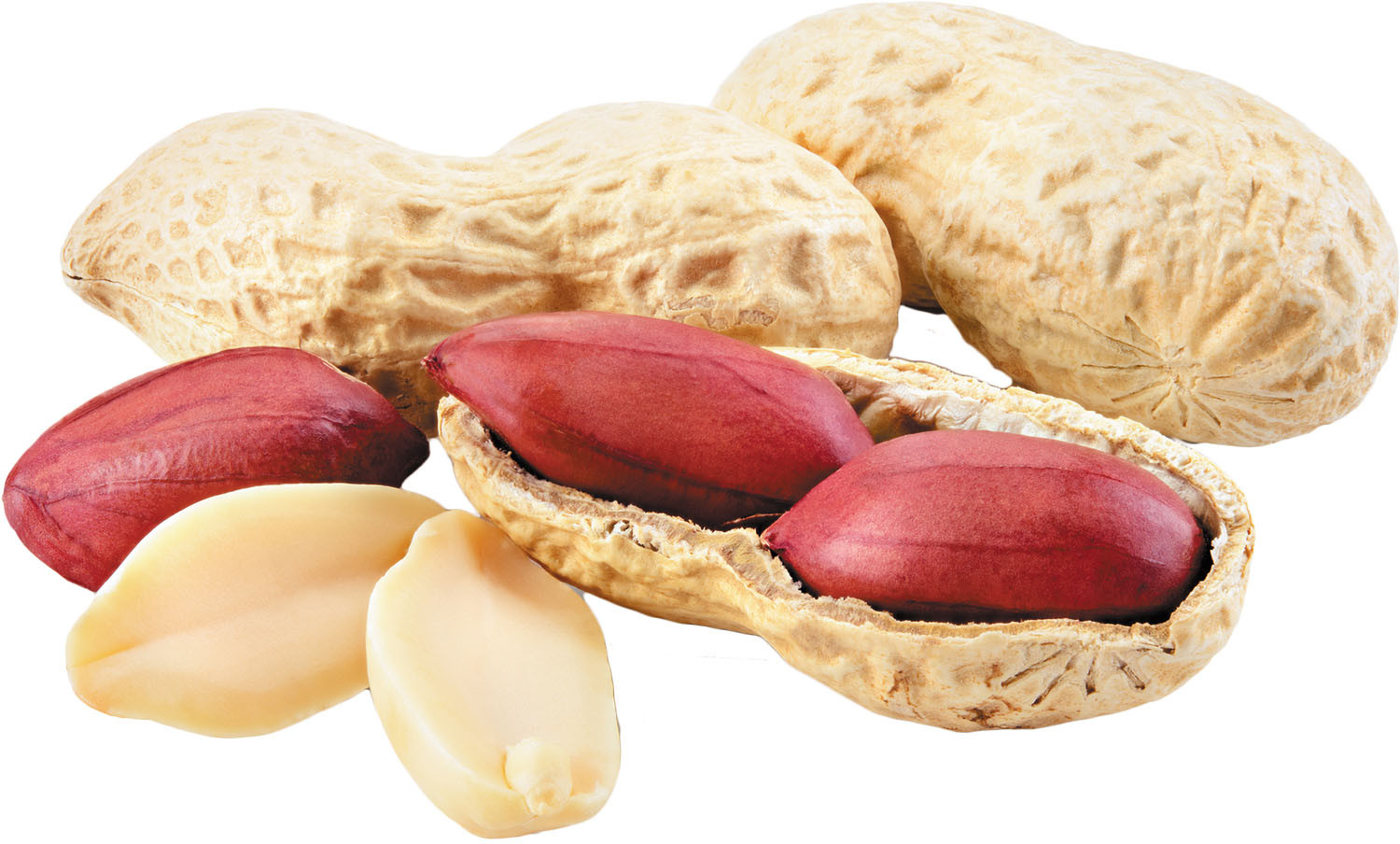
Legume of the month: Peanuts
Even though "nut" is in its name, a peanut is actually a legume. Like soybeans, lentils, and other legumes, peanuts are edible seeds that grow in pods. Still, most people think of them as nuts, along with tree nuts such as walnuts, almonds, and hazelnuts. (Unlike other legumes, which grow on vines or shrubs, peanuts grow underground.)
Nutritionally speaking, peanuts and tree nuts are fairly similar: they're all rich in healthy unsaturated fats and fiber, as well as several vitamins and minerals. Numerous studies suggest that people who eat peanuts or tree nuts frequently have lower rates of heart disease compared with people who rarely eat them. One added bonus for peanuts: they're not as pricey as tree nuts, making them a more affordable addition to your daily menu.

Ask the doctor: Are raw oats better than cooked oats?
Q. My family has squabbled about oats for some time. Some members say that to get the biggest health benefit from oats you need to eat them raw, at room temperature, and moistened with water. Others say they should be cooked. Does cooking take something beneficial out of oats? Can you bring us some peace at breakfast time?
A. Eating a bowl of raw oats "moistened with water" doesn't sound all that appetizing. And I am not sure it makes sense from a nutrition perspective. Normal cooking takes little away from oats. In fact, cooking helps release some nutrients that your body can't extract from raw oats.

Public policies to stop kids from drinking sugary drinks
Concern about the amount of sugar in kids’ diets has led the American Academy of Pediatrics and the American Heart Association to encourage the consideration of steps to reduce the consumption of sugary drinks among children and teens.

Undoing the harm: Tapering down from high-dose opioids
The CDC’s Guideline on Prescribing Opioids for Chronic Pain helps doctors and patients manage treatment at safe levels and avoid dependence. Any plan to taper medication dosage should be personalized to the patient’s needs.
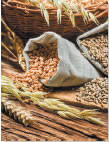
Whole grains associated with longevity, say Harvard researchers
Regularly eating whole grains can help you lower “bad” cholesterol, triglycerides, and blood pressure. A diet rich in whole grains also “is associated with a lower risk of developing cardiovascular disease, type 2 diabetes, metabolic syndrome, and certain types of cancer,” says Dr. Qi Sun, an associate professor at Harvard Medical School.
In a study published in JAMA Internal Medicine, Sun and colleagues reported that eating whole grains may even extend your life. Sun used the diet information of more than 100,000 men and women whose health was followed for more than 20 years. The study found that those who regularly ate whole grains had a 9% lower overall death rate and a 15% lower death rate from heart disease.

8 pill-free ways to lower your blood pressure
A healthy diet that includes plenty of fresh fruit and vegetables can help to lower and control high blood pressure. Images: Thinkstock |
Try losing weight, changing your diet, and exercising.
Sometimes getting your blood pressure under control requires that you take several medications each day, such as a diuretic and a calcium-channel blocker. But some therapies don't involve medication. "People who have drug intolerances or are unwilling to take medications can try pill-free therapy, and it can also be used to make a medication regimen more effective," says Dr. Randall Zusman, a cardiologist and Harvard Medical School associate professor.
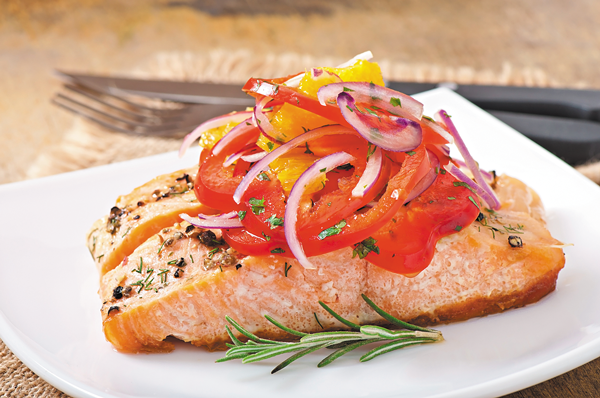
Do omega-3s protect your thinking skills?
It may be helpful to eat a diet rich in omega-3 fatty acids.
Image: Elena_Danileiko/Thinkstock
Maybe you're hoping to protect your thinking skills by eating oily fish like salmon or taking a daily fish oil supplement. After all, the media frequently talk about the benefits of omega-3 fatty acids in fish oil, and sales of fish oil supplements are more than $1 billion per year in the United States. But can fish oil keep us thinking clearly? "For people who are healthy, who don't have a decline in memory and thinking skills, the question of prevention has not yet been answered," Dr. Scott McGinnis, an assistant professor in neurology at Harvard Medical School, explains.
About omega-3s
Omega-3 fatty acids are polyunsaturated fats in food that are essential for health. There are three main types:

What to do if your medication is recalled
Drug recalls don't necessarily affect every batch of a pill or potion. You'll need to do a little homework before you stop taking your medication.
We take prescription and over-the-counter medications to get better or avoid getting sick. We know drug side effects can make us feel ill. But we don't imagine that medications can contain toxic impurities. Yet, it happens. Recently, for example, dozens of prescription blood pressure pills (angiotensin-receptor blockers, or ARBs) containing trace amounts of potentially cancer-causing compounds were recalled.
Recalls happen frequently. Sometimes, the FDA finds the manufacturing process to be defective. Other times, a dangerous side effect that was initially not apparent becomes clear later. "Some medication recalls are for problems that are not very serious, but the products have to be recalled nonetheless," says Joanne Doyle Petrongolo, a pharmacist with Harvard-affiliated Massachusetts General Hospital.
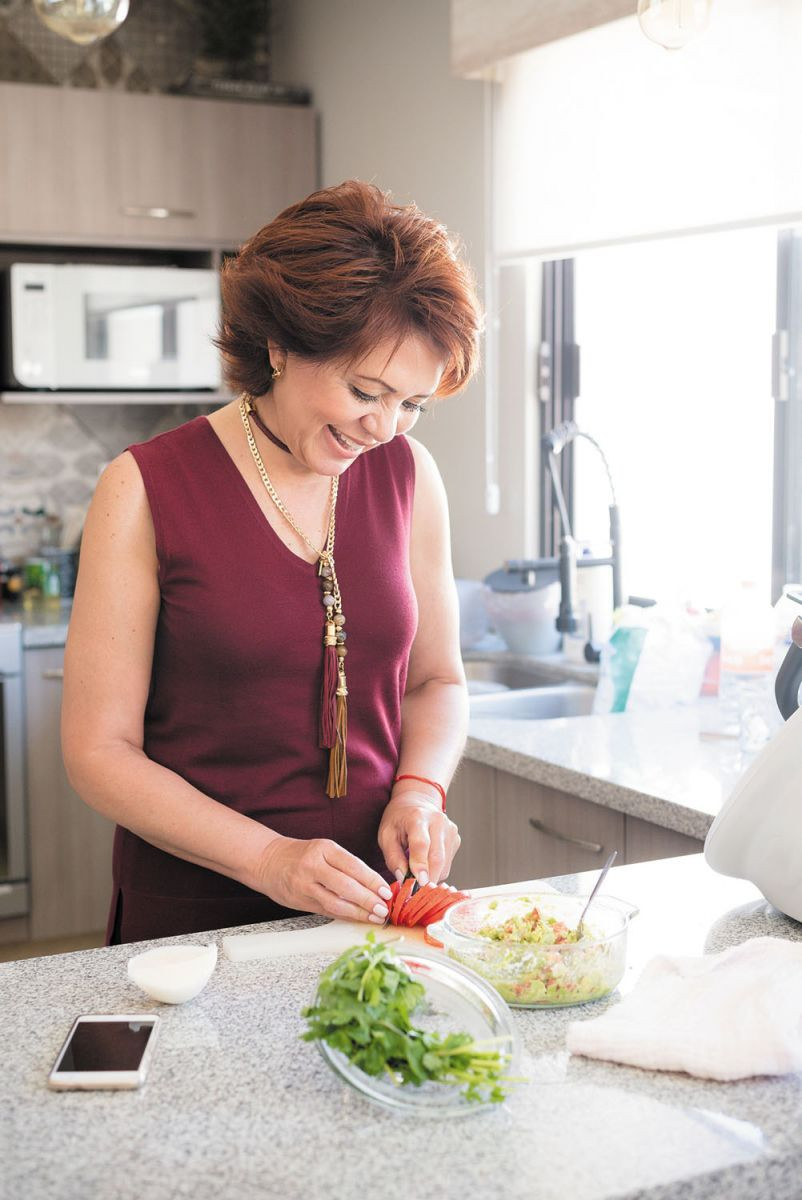
Keeping your weight stable in older age
How to gain weight safely when you're down a few pounds.
You've spent your whole life trying to keep extra pounds off. Now your doctor says you actually need to gain a few pounds to stay healthy. But healthy weight gain isn't so simple. "Some people find it difficult to add enough calories to their usual diet. It takes a lot of effort," says registered dietitian Kathy McManus, director of the Department of Nutrition at Harvard-affiliated Brigham and Women's Hospital.
Where to begin
A dietitian can help you come up with an eating plan based on your specific calorie needs. It starts with understanding how quickly you've lost weight and why (see "Why are you underweight?"). Your age, size, activity, amount of weight lost, and overall health will be key to designing a diet that's right for you.
Fatty liver disease: Should you be tested?
Even a little exercise linked with lower stroke risk in people with afib
Testosterone therapy without evidence of deficiency may boost heart risk
Weight-loss drug may lower risk of heart attacks and infections
Migraine: How it's diagnosed and what that means
Tricep workouts you can do at home
Mindfulness practices to reduce stress and improve focus
Antihistamines may not offer meaningful relief from eczema symptoms
Overweight and taking blood pressure medications: Study finds it's a trend that's working
FDA approves first mRNA-based flu vaccine
Free Healthbeat Signup
Get the latest in health news delivered to your inbox!
Sign Up
