

Fatty liver disease: Should you be tested?

Even a little exercise linked with lower stroke risk in people with afib

Testosterone therapy without evidence of deficiency may boost heart risk

Weight-loss drug may lower risk of heart attacks and infections

Migraine: How it's diagnosed and what that means

Tricep workouts you can do at home

Mindfulness practices to reduce stress and improve focus

Antihistamines may not offer meaningful relief from eczema symptoms

Overweight and taking blood pressure medications: Study finds it's a trend that's working

FDA approves first mRNA-based flu vaccine
Vitamins, minerals & supplements Archive
Articles

What happens if my stent stops working?
Ask the doctor
Q. I just got a stent placed in my heart artery and feel great again. If it develops problems, can it be treated?
A. Stents, the tiny wire-mesh tubes used to prop open blocked arteries, are useful for treating heart attacks and chest pain that occurs with physical activity. They're placed during a coronary angioplasty and stenting procedure, which usually involves snaking a thin tube (catheter) through a vessel in the upper thigh or the wrist up to the heart. After more than two decades of use, today's stents are safer and more effective that the original versions. Problems can still arise, but they are uncommon and treatable.

Meal delivery plans: Should you give one a try?
These trendy programs may encourage healthier eating and even weight loss. But consider the cost and sustainability.
For people who don't have the time, energy, or interest to plan and prepare their own meals, a subscription meal delivery service may be an appealing option. A growing number of companies will deliver partly (or even fully) prepped meals right to your door. Many cater to a variety of dietary preferences, including vegetarian and gluten-free. Some are geared toward people seeking to lose weight or who have diabetes, and at least one provides low-sodium meals.
If you're concerned about preventing or treating heart disease, what should you consider before trying one of these plans? That depends on your particular situation, says Kathy McManus, director of the Department of Nutrition at Harvard-affiliated Brigham and Women's Hospital.

Legume of the month: Red beans
Unlike most bean varieties, which come in earthy, neutral hues, red beans can add a bit of color to your cooking. Like all beans, they're a good source of potassium, a mineral that promotes healthy blood pressure.
Red beans are used throughout the world in a variety of dishes. Red beans and rice is a common meal in the southeastern United States. This Creole-inspired dish features red beans simmered with bell peppers, onions, celery, and spices served over rice. Similar versions are found in Latin American cuisine. In Northern India, rajma chawal is made with red kidney beans, onion, tomato and a blend of spices, including ginger, garlic, coriander, cardamom, and cumin. Chili recipes often include red kidney beans, and they are a key ingredient in three-bean salad, along with garbanzo beans and fresh green beans.
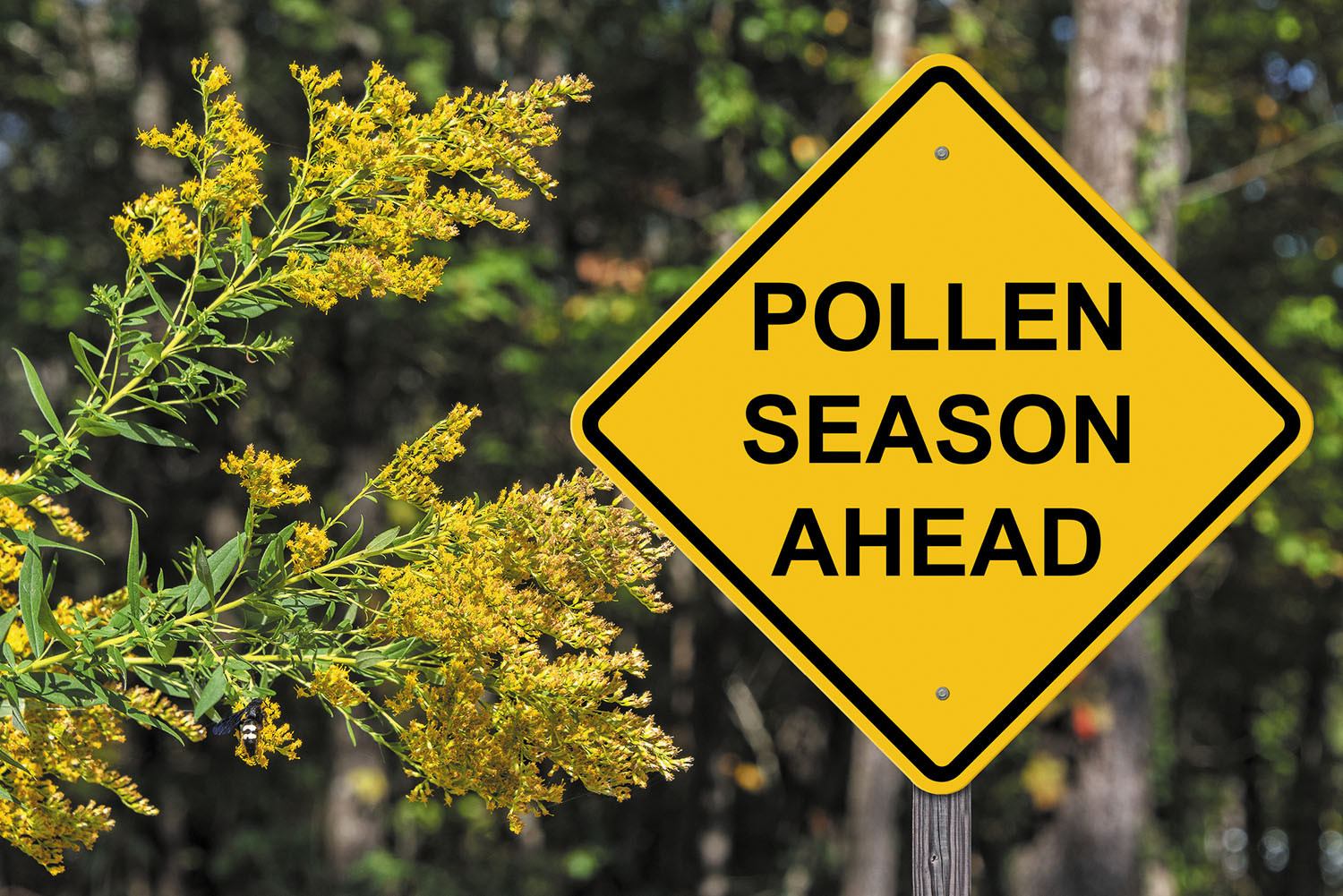
Nothing to sneeze at
Here's how to prepare for the coming allergy season.
Spring is in the air, and so are millions of pollen particles, the tiny grains that fertilize plants. Seasonal allergies — also known as hay fever — can affect almost anyone and at any time in life. Although most people begin to experience allergies in childhood or early adulthood, sometimes the symptoms become more problematic later in life, especially if their living environment changes.
"Even if you have never suffered from allergies — or used to when you were much younger but not anymore — there is a good chance you will become more sensitive to pollen as you reach your 60s and 70s, although it's not clear why," says Dr. Mariana Castells, of the Department of Allergy, Rheumatology, and Immunology at Harvard-affiliated Brigham and Women's Hospital.

Chopped, uncooked spinach offers more antioxidants
In the journals
Spinach is one of the best sources for the antioxidant lutein, which may promote eye health and reduce the risk of macular degeneration. A new study in the March 30, 2019, issue of Food Chemistry suggests that eating uncooked chopped spinach can ensure you get the highest amounts compared with traditional cooking methods.
The researchers measured the lutein content of baby spinach after it was fried, boiled, and steamed. They found that lutein levels dropped by 40% after only four minutes of boiling, and by 90% after 90 minutes, while levels decreased by more than 60% after just two minutes of frying. Spinach lost about 50% of its lutein after four minutes of steaming.

The combo of Mediterranean diet and statins can protect against a fatal second heart attack
In the journals
People who have had a heart attack or a stroke are routinely prescribed a statin to reduce the risk of a repeat event. But by also following a Mediterranean-style diet, they can improve their chance of living longer, suggests a study in the Feb. 1, 2019, issue of the International Journal of Cardiology.
The study looked at 1,180 people, average age 68, who had at least one previous heart attack or stroke, and recorded their statin use and diet intake at the study's beginning. The researchers identified the people who faithfully followed a Mediterranean-style diet. A Mediterranean-style diet involves consuming medium to high amounts of whole fruits and vegetables, whole grains, legumes and nuts, olive oil, and poultry and fish, with limited amounts of red meat, alcohol, and dairy.
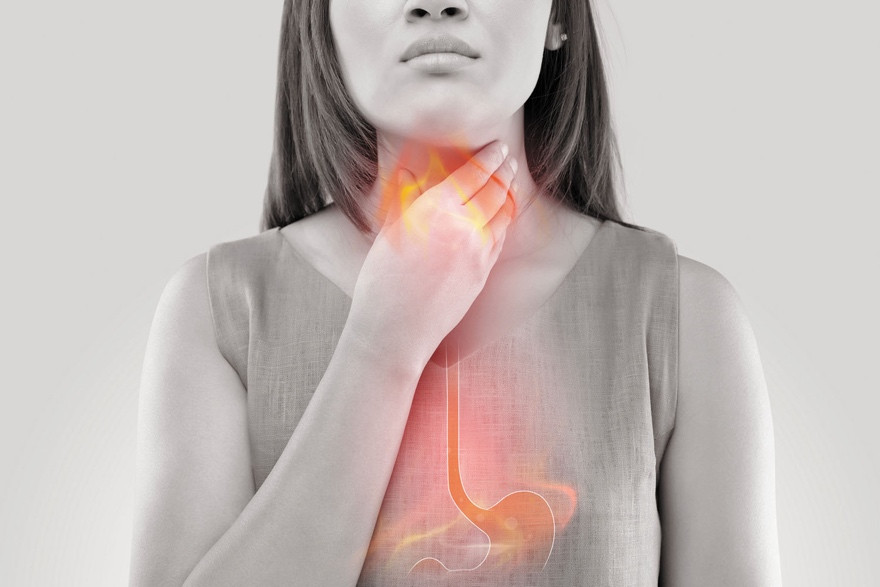
Feeling the burn? Antacids can provide some relief
But these remedies aren't the best choice if you have frequent heartburn.
You feel the familiar sensation in your chest: heartburn. Again, you find yourself reaching for the bottle of antacids in the medicine cabinet. It's something you've done a few times a week for the past six months. Is it okay to keep popping over-the-counter acid reducers, or is it time to see a doctor?
We asked two experts, Dr. Jennifer Nayor and Dr. Molly Linn Perencevich, both instructors in medicine at Harvard Medical School, for their thoughts on heartburn, including when it's okay to use over-the-counter antacids and when you should seek other treatments. Below are their responses.

Can I prevent diverticulitis?
Ask the doctors
Q. I recently had diverticulitis. I'd like to avoid a recurrence. Is there anything I can do to prevent this painful condition in the future?
A. As people age, small pouches often form in the wall of the large intestine, a condition called diverticulosis. If food or bacteria become trapped in these pouches, they can become inflamed or infected, which is known as diverticulitis.

Should you be taking an omega-3 supplement?
The answer to that question is becoming clearer, thanks to new research.
Some 10% of American adults regularly take an omega-3 supplement, despite uncertainty about whether these products truly live up to their health claims. But two new studies published in November 2018 shed some light on who might benefit from omega-3 supplements — and who probably won't.
VITAL
The first study was the Vitamin D and Omega-3 Trial (VITAL), a large multiyear study with 25,871 healthy adults with no history of cardiovascular (heart or blood vessel–related) disease and at "usual risk" for it. The group was racially diverse and chosen to be representative of the general population, says the study's lead author Dr. JoAnn E. Manson, professor of medicine and the Michael and Lee Bell Professor of Women's Health at Harvard Medical School.

High-fiber diet protects against cardiovascular problems
Research we're watching
Want to reduce your risk of cardiovascular disease, diabetes, and colorectal cancer? Eat more fiber, says a meta-analysis published online January 10 by The Lancet.
Authors reviewed data from 185 prospective studies and 58 clinical trials and found that people who ate the most fiber had a 15% to 30% lower risk of dying from cardiovascular disease or developing diabetes or colon cancer, compared with people in the study who ate the least. People appeared to get the biggest benefit when they ate between 25g and 29 g of fiber a day.
Fatty liver disease: Should you be tested?
Even a little exercise linked with lower stroke risk in people with afib
Testosterone therapy without evidence of deficiency may boost heart risk
Weight-loss drug may lower risk of heart attacks and infections
Migraine: How it's diagnosed and what that means
Tricep workouts you can do at home
Mindfulness practices to reduce stress and improve focus
Antihistamines may not offer meaningful relief from eczema symptoms
Overweight and taking blood pressure medications: Study finds it's a trend that's working
FDA approves first mRNA-based flu vaccine
Free Healthbeat Signup
Get the latest in health news delivered to your inbox!
Sign Up
