

Fatty liver disease: Should you be tested?

Even a little exercise linked with lower stroke risk in people with afib

Testosterone therapy without evidence of deficiency may boost heart risk

Weight-loss drug may lower risk of heart attacks and infections

Migraine: How it's diagnosed and what that means

Tricep workouts you can do at home

Mindfulness practices to reduce stress and improve focus

Antihistamines may not offer meaningful relief from eczema symptoms

Overweight and taking blood pressure medications: Study finds it's a trend that's working

FDA approves first mRNA-based flu vaccine
Vitamins, minerals & supplements Archive
Articles
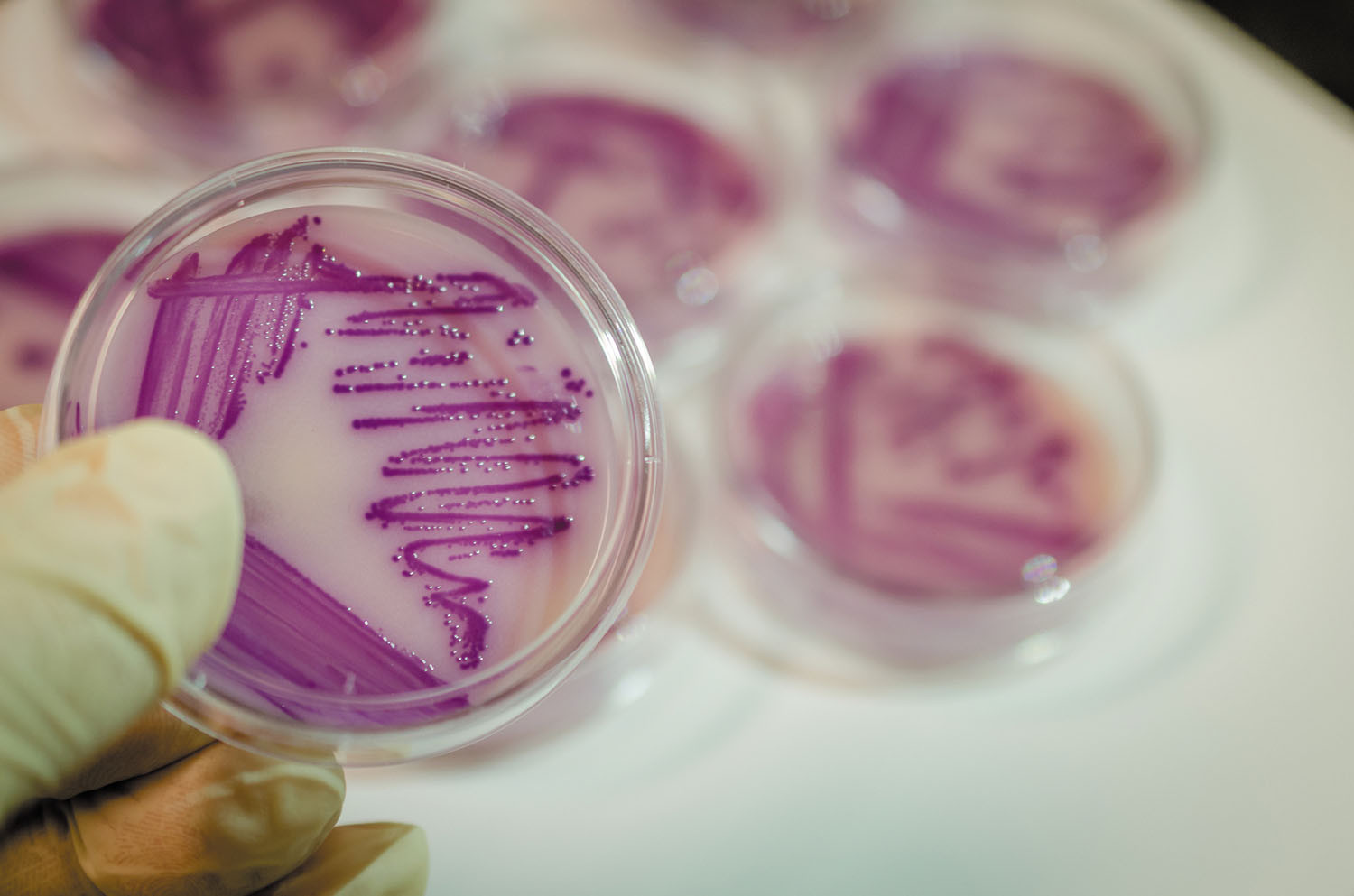
Stay safe from superbugs
Understanding superbugs can help you avoid them.
Image: © Manjurul/Getty Images
It used to be that if you got an infection, you could pop an antibiotic pill and rest assured that it could help you fend off your bacterial attacker. But those old tried-and-true pills may not be as effective as they once were, thanks to a rising number of new types of bacteria often referred to as superbugs.
"'Superbug' is essentially a slang term developed by the press that refers to highly antibiotic-resistant bacteria that can cause human infections," says Dr. David Hooper, an infectious disease specialist and professor of medicine at Harvard Medical School.

Eat an egg for breakfast, prevent a stroke?
Research we're watching
Image: © Twomeows_IS/Getty Images
Eating an egg a day may help protect against cardiovascular disease, according to a study published online May 21 by the journal Heart. Researchers found that people who ate an egg every day had an 18% lower risk of dying from cardiovascular disease and a 28% lower risk of experiencing a deadly hemorrhagic stroke, compared with people who didn't eat eggs.
The study included more than 400,000 adults ages 30 to 79. Participants were from 10 survey sites in China. Researchers looked at how often study subjects reported eating eggs and then tracked their health for nearly nine years using registries and other methods.
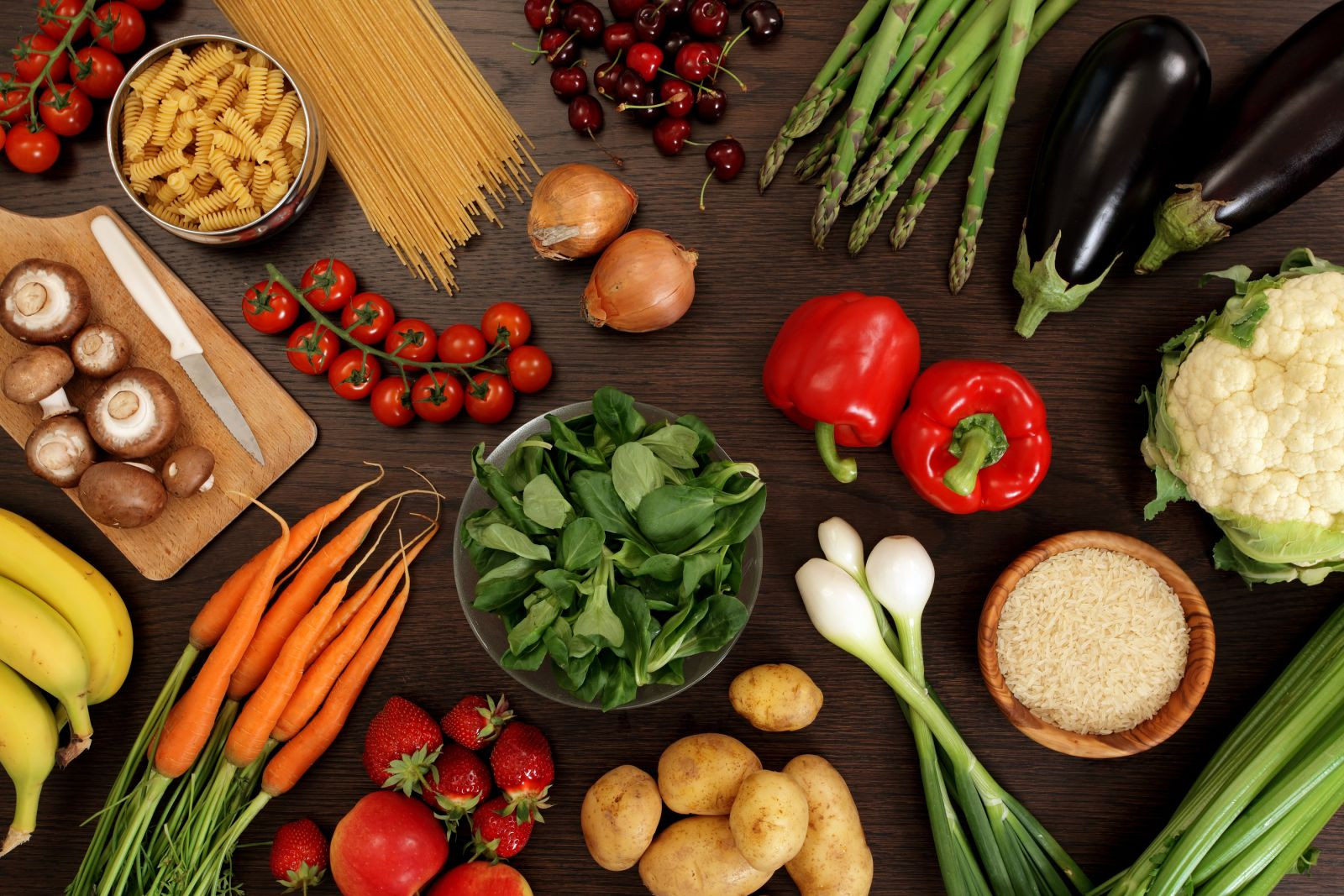
3 diet changes to help lower cholesterol levels
By lowering your blood LDL ("bad") cholesterol level, even if it is normal, you help reduce your chances of having a heart attack. It's especially important if the LDL level is above 130 milligrams per deciliter. For every 10% drop in your cholesterol level, your heart attack risk potentially falls by 20% to 30%.
There are several steps you can take to lower your cholesterol level, like losing weight if needed, being more active, and choosing healthy foods. Here are three simple steps toward a healthier, cholesterol-lowering diet:


Pain relief, opioids, and constipation
Constipation from pain medication – such as opioids – is a common problem
Prescription opioids provide pain relief, but constipation from pain medication is an all too common side effect.
As we age, pain and pain control become an important issue. Many of the conditions that cause pain disproportionately affect people starting at about age 65. In some surveys, half of respondents ages 60 and older have said that they suffer from chronic pain. About 70% of cancer deaths occur in people ages 65 and older, so cancer pain is frequently the older person's problem.

Extra protein does not build more muscle
In the journals
Can higher protein intake build more muscle in older men? Not according to a study in the April 2018 JAMA Internal Medicine.
The researchers randomized 92 men, average age 73, into four groups. One group followed a daily diet containing 0.8 grams (g) of protein per kilogram (kg) of body weight, the daily Recommended Dietary Allowance (RDA) for all adults, and a weekly placebo injection; another consumed 1.3 g/kg and the placebo injection; a third consumed the 0.8-g/kg diet, but also received a weekly 100-mg injection of testosterone, and the fourth group ate a 1.3-g/kg diet and got a weekly testosterone injection. (The testosterone was included to see if higher protein increased the hormone's muscle-growing effect.)

More dairy associated with higher bone density in men over 50
In the journals
A higher intake of dairy foods, such as milk, yogurt, and cheese, is associated with higher bone density, especially in the spine, in older men, according to a study published online March 30, 2018, by the Journal of Bone and Mineral Research.
Men in their 50s do not experience the rapid loss of bone mass that women do in the years following menopause. However, by their late 60s, they lose bone mass at the same rate as women. These changes can increase their risk of osteoporosis and fractures.

6 ways to improve and protect your vision
Eating an antioxidant-rich diet, wearing protective glasses, and controlling underlying conditions will help protect your vision.
Image: © Sidekick/Getty Images
We all know how important vision is for remaining independent and enjoying the simple pleasures in life, like a colorful sunset or a grandchild's precious smile. But appreciation isn't enough to keep your vision intact. Aging increases the risk for vision loss and eye problems, including cataracts, diabetic eye disease, glaucoma, age-related macular degeneration, and dry eyes.
Adopting the following healthy habits will increase the odds that you'll protect your vision and independence as well as your view of the things that make life beautiful.

Open your heart to mindful eating
Strategies that cultivate self-awareness and compassion may help you lose weight and keep it off.
Image: © Dean Mitchell/Getty Images
Of all the recommendations for preventing heart disease, maintaining a healthy weight tops the list. Excess weight can raise your blood pressure, blood sugar, and cholesterol values, all of which harm the heart. But with about one in three Americans now overweight or obese, weight loss clearly remains a stubbornly elusive goal for many people.
One strategy that's gained traction in recent years is to focus less on what you eat and more on how and why you eat. How? By practicing mindfulness, which teaches you to focus on the present moment, while peacefully acknowledging and accepting your feelings and thoughts and the sensations in your body. Granted, that may sound a bit touchy-feely. But a review of a dozen studies, published in the March 2018 Current Obesity Reports, concluded that there is strong support for including mindful eating practices in weight management programs.

The benefits of do-it-yourself blood pressure monitoring
Sharing readings from a home monitor with your physician may help you reach your blood pressure goal more quickly.
Image: © Bojan89/Getty Images
For treating certain health problems, finding the best drug or combination of drugs at the correct dose often requires some trial and error. High blood pressure is a good example. Because this common problem raises heart attack and stroke risk, the sooner you can get your blood pressure down to a healthy range (130/80 millimeters of mercury [mm Hg] or lower), the better. New research suggests that people could speed things up a bit by taking a more active role in the process (see "Tracking your blood pressure at home: Does it help?").
"The study showed that a period of home blood pressure monitoring — one week per month — was sufficient to guide people to better blood pressure control," says Dr. Paul Conlin, professor of medicine at Harvard Medical School and chief, Medical Service, at the VA Boston Healthcare System.
Fatty liver disease: Should you be tested?
Even a little exercise linked with lower stroke risk in people with afib
Testosterone therapy without evidence of deficiency may boost heart risk
Weight-loss drug may lower risk of heart attacks and infections
Migraine: How it's diagnosed and what that means
Tricep workouts you can do at home
Mindfulness practices to reduce stress and improve focus
Antihistamines may not offer meaningful relief from eczema symptoms
Overweight and taking blood pressure medications: Study finds it's a trend that's working
FDA approves first mRNA-based flu vaccine
Free Healthbeat Signup
Get the latest in health news delivered to your inbox!
Sign Up
